

Sorubim, a genera of catfish that consists of 5 different species.
Few know that there are more than just one species of "lima shovelnose." There are actually 5 different species.
They are: S. lima, S. elongatus, S. cuspicaudus, S. maniradii, and S. trigonocephalus
The species do look similar, which is common among fish, however each species has slight variances in size, shape, and pattern.
I will post the fish, give a general description, and try to find a pic. of each one.
We will start with the most common one; S. lima.
This fish is the trademark for "lima shovelnose." It is fairly known in this hobby, and makes a good "big cat" for smaller tanks.
It is known to grow about 18-20"+, and it is characterized by "spots" on it's dorsal surface. While the ventral surface is a shade of white. This is separated by a dark horizontal "stripe" that goes from the mouth to the caudal fin.
Found in the Orinoco, Amazon and Parana river basins East of the Andes.
A good example of the fish would be:
(courtesy of www.planetcatfish.com)
Next up on our list is S. Elongatus.
As the name states, the fish is fairly horizontally compressed, they differentiate from the other species by this slender look. They do, however appear to be most similar to S. Lima.
This cat is reported to only grow to about 12"
Found in the Amazon, Orinoco, and Essequibo river drainages.
Now for the picture:
(Also thanks to planet catfish.)
Now for the heavy hitter, S. cuspicaudus.
This fish is my personal favorite Sorubim sp..
They are characterized by their long, pointed caudal fin (compared to the lower rounded lobe of most Sorubim sp.), the fact that the horizontal stripe goes to the tip of the lower caudal lobe, and their size, which is a staggering 32".
Found in Lake Maracaibo, and the Magdalena and Sinu river drainages.
And now you can see why they are so great:
(Thanks PC.)
And next up, S. maniradii.
This fish appears to have a broken up horizontal line. They also have more gill rakers (31-37, compared to 13-23 in the other species.) They appear to be vertically taller than the other species as well as more plump. Dorsal spotting seems to also be nonexistant. This fish is reported to grow about 10 inches, making it the smallest Sorubim sp.
Found in the smaller upper and middle tributaries of the Amazon.
Pic:
(Again, your the bomb PC.)
And last but not least; S. trigonocephalus
While similar to S. lima, this fish appears to have a longer, more triangular snout, which was about all the difference I could find among the species, other than the exposed premaxillary teeth. They grow about the same as S. lima's 18-20"+.
This species is found in the Tapajos and Madeira rivers in Brazil
Now this fish is the rarest species, so pics are almost nonexistent.
Works Cited: http://WWW.planetcatfish.com,
http://WWW.fishbase.org, and some random websites.
Thank you for your time reading this article, I hope it gives insight into these fish. Feel free to post up pics and ID what you think you have.
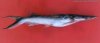
Pics in order are: S. lima, S. maniradii, S. elongatus, and S.cuspicaudus.



Few know that there are more than just one species of "lima shovelnose." There are actually 5 different species.
They are: S. lima, S. elongatus, S. cuspicaudus, S. maniradii, and S. trigonocephalus
The species do look similar, which is common among fish, however each species has slight variances in size, shape, and pattern.
I will post the fish, give a general description, and try to find a pic. of each one.
We will start with the most common one; S. lima.
This fish is the trademark for "lima shovelnose." It is fairly known in this hobby, and makes a good "big cat" for smaller tanks.
It is known to grow about 18-20"+, and it is characterized by "spots" on it's dorsal surface. While the ventral surface is a shade of white. This is separated by a dark horizontal "stripe" that goes from the mouth to the caudal fin.
Found in the Orinoco, Amazon and Parana river basins East of the Andes.
A good example of the fish would be:
(courtesy of www.planetcatfish.com)
Next up on our list is S. Elongatus.
As the name states, the fish is fairly horizontally compressed, they differentiate from the other species by this slender look. They do, however appear to be most similar to S. Lima.
This cat is reported to only grow to about 12"
Found in the Amazon, Orinoco, and Essequibo river drainages.
Now for the picture:
(Also thanks to planet catfish.)
Now for the heavy hitter, S. cuspicaudus.
This fish is my personal favorite Sorubim sp..
They are characterized by their long, pointed caudal fin (compared to the lower rounded lobe of most Sorubim sp.), the fact that the horizontal stripe goes to the tip of the lower caudal lobe, and their size, which is a staggering 32".
Found in Lake Maracaibo, and the Magdalena and Sinu river drainages.
And now you can see why they are so great:
(Thanks PC.)
And next up, S. maniradii.
This fish appears to have a broken up horizontal line. They also have more gill rakers (31-37, compared to 13-23 in the other species.) They appear to be vertically taller than the other species as well as more plump. Dorsal spotting seems to also be nonexistant. This fish is reported to grow about 10 inches, making it the smallest Sorubim sp.
Found in the smaller upper and middle tributaries of the Amazon.
Pic:
(Again, your the bomb PC.)
And last but not least; S. trigonocephalus
While similar to S. lima, this fish appears to have a longer, more triangular snout, which was about all the difference I could find among the species, other than the exposed premaxillary teeth. They grow about the same as S. lima's 18-20"+.
This species is found in the Tapajos and Madeira rivers in Brazil
Now this fish is the rarest species, so pics are almost nonexistent.
Works Cited: http://WWW.planetcatfish.com,
http://WWW.fishbase.org, and some random websites.
Thank you for your time reading this article, I hope it gives insight into these fish. Feel free to post up pics and ID what you think you have.
Pics in order are: S. lima, S. maniradii, S. elongatus, and S.cuspicaudus.



