Although in the past I have mostly kept primarily cichlid based aquariums (sometimes with dithers),
the more I collect in nature, the more cichlids usually seem make up a minor part of the fish population biotope,(at least here in Panama),
so to get a more representative biotope, I find adding fish species diversity may be more optimum for tank compatabilty.
Unlike the rift lakes in Africa, where cichlids dominate, or Amazonia where varied cichlid populations are close to equal to number of other species,
here in eastern Panama, Characins usully outnumber cichlids 50 to 100 to one, and similar ratios, Plecos, and others are dwarfed by the sheer numbers of tetras.
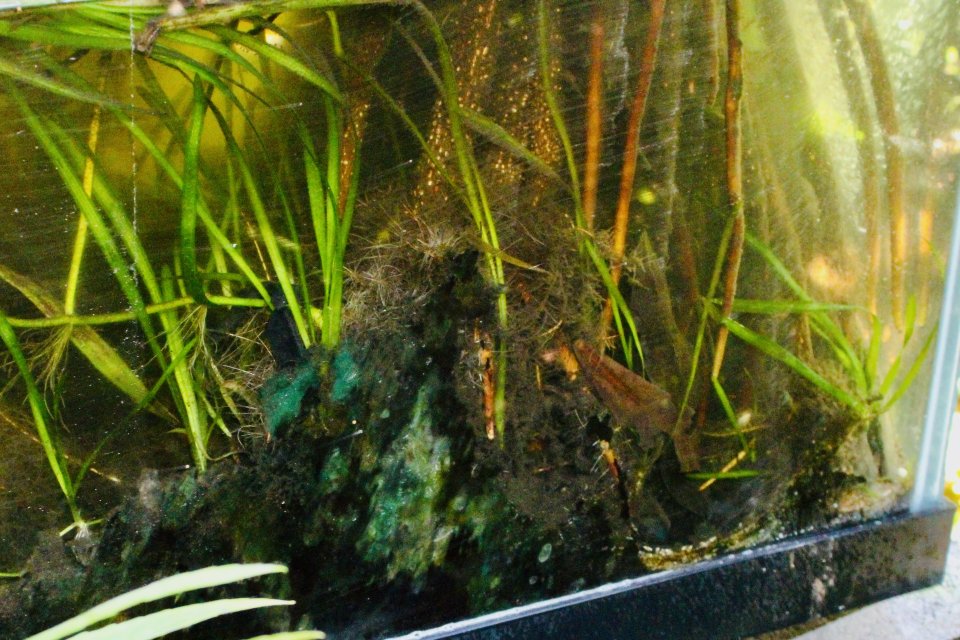
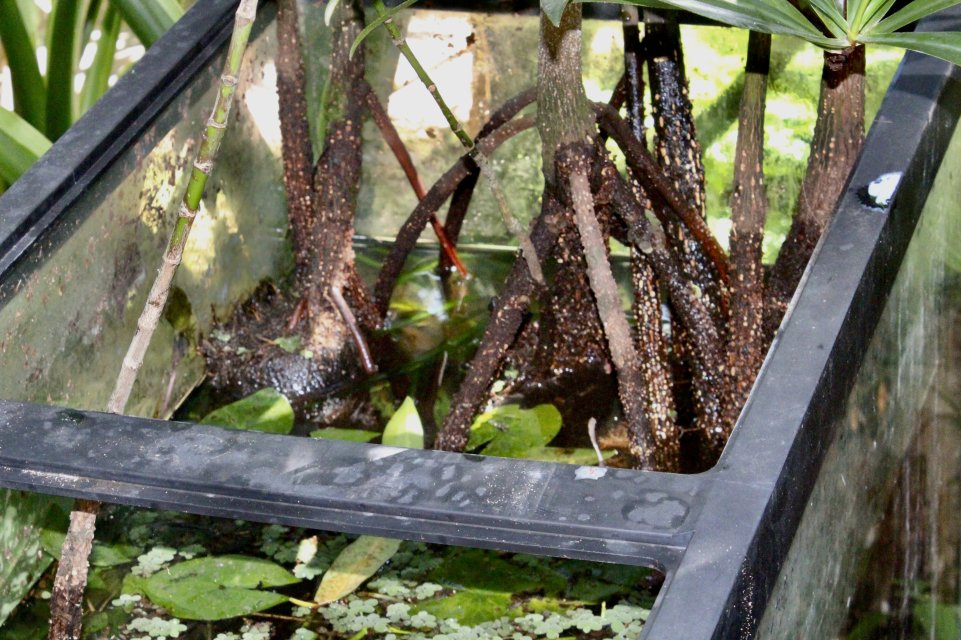
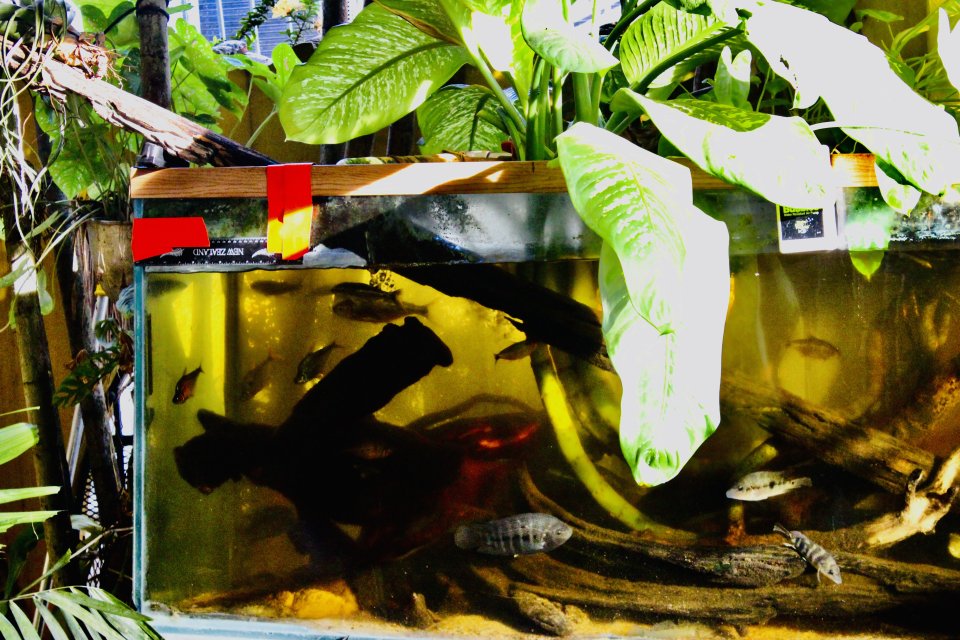
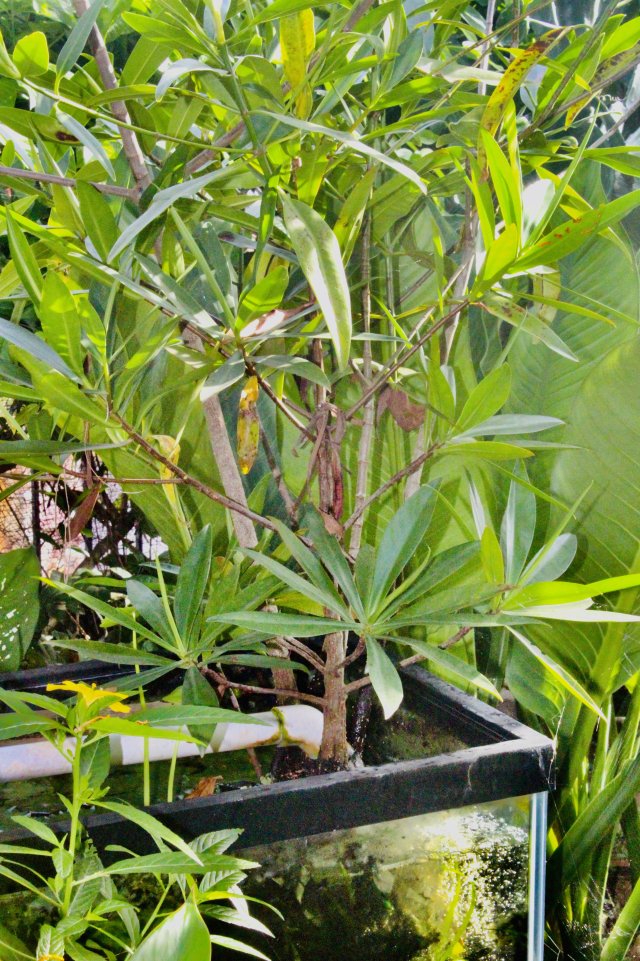
So these days, while maintaining an eastern Panamanian biotope tank. encompassing only fish that hail from rivers.
Those from the Mamoni, Uni, and Plantaneros, and end in the Darien at the Rio Ipiti..
One might guess, this is restrictive, but I ddon´t find that the case.
Although, trying to maintain a 50 to 1 tetra to other fish species ratio, is not feasable, compromise is the name of the game.
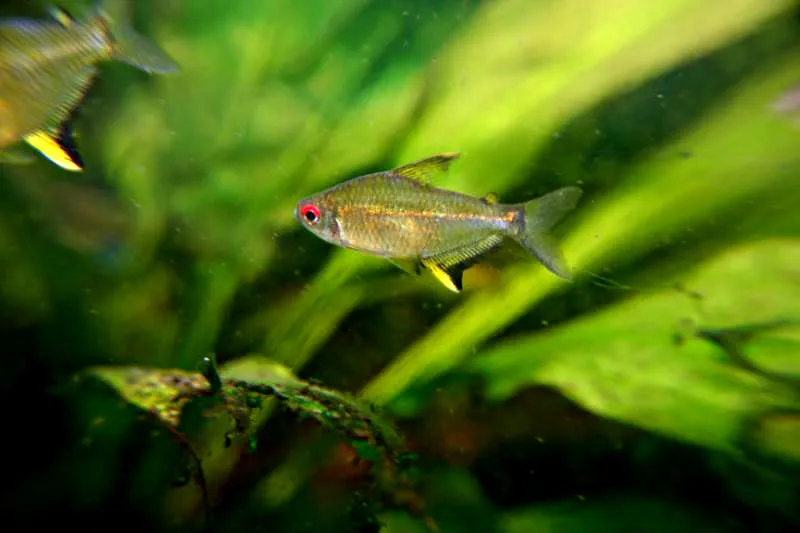
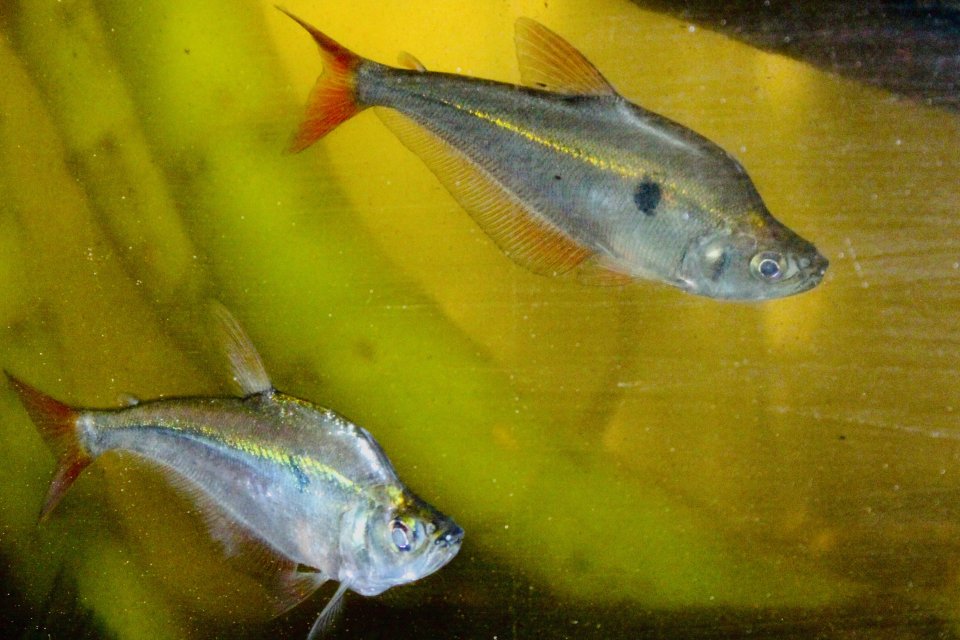
At the momemt I keep 2 tpyes of tetras in the tank, about a half dozen Roeboides tetras.
And another half dozen Astyanax tetras
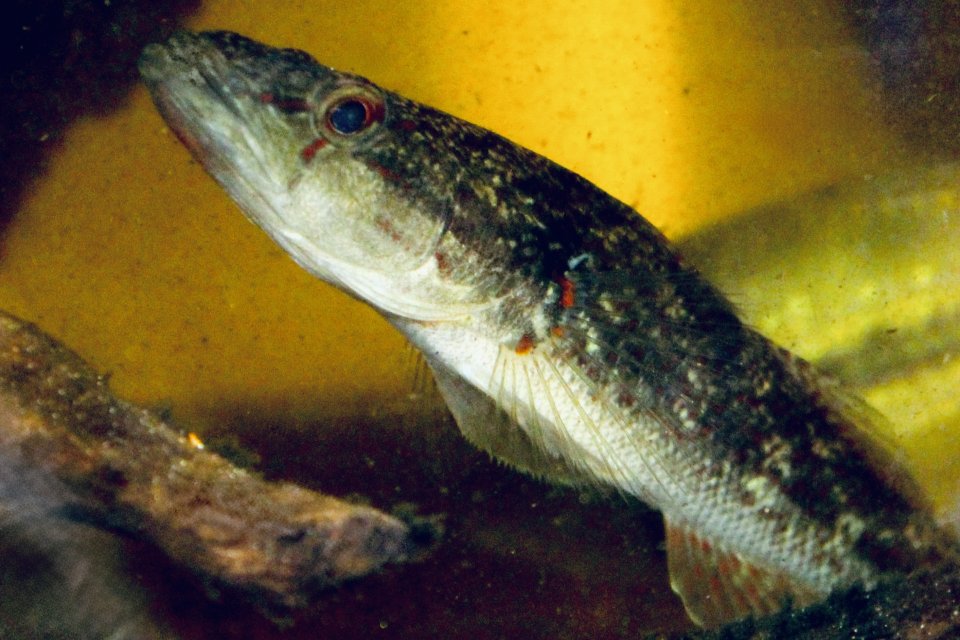
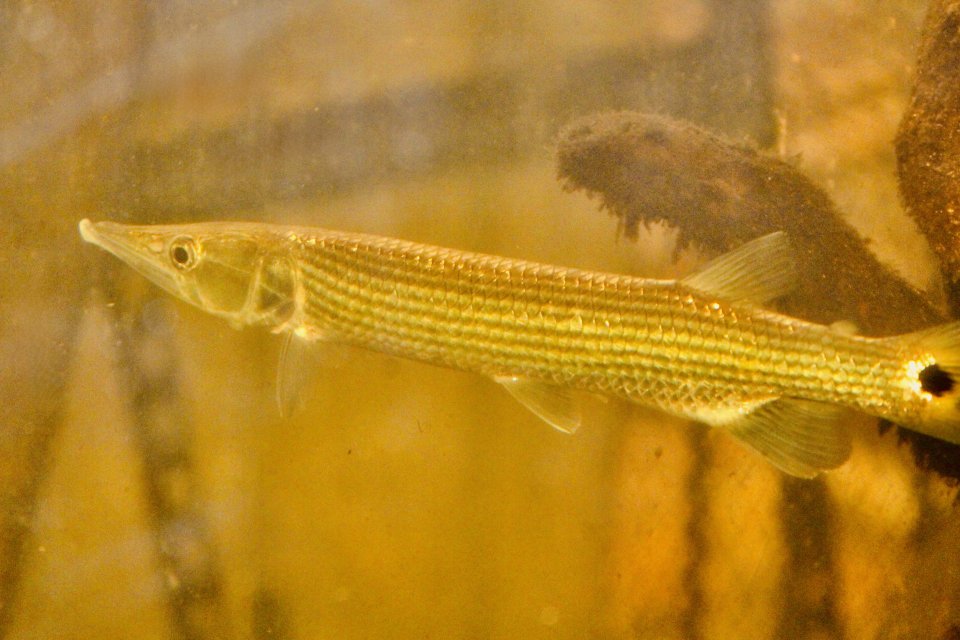
another Characin in the tank is Ctenolucius beanii, kept as a single individal
There are 2 Plecos both found in the rheophillic area os the rivers
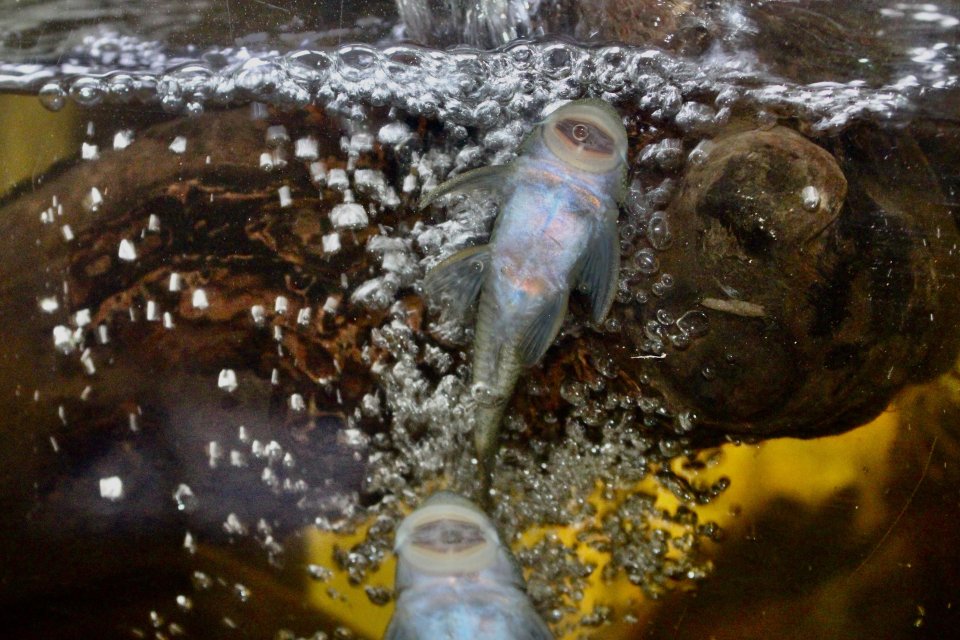
Chaetestoma fisheri above, the some times breach the surface in turulent areas to eat algae that grows there.
And whip tail cats from the genus Sturasomatichthys.
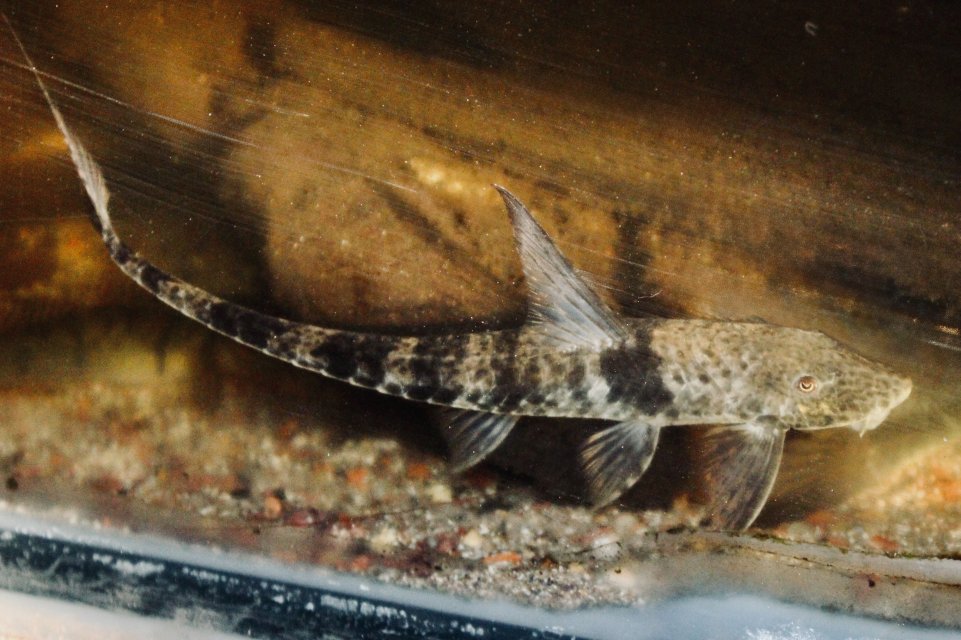
More tradition catfish in the tank are Pimelodus (Rhammmdia) guatemalensus, thisis tje ñare indevidualin the tank.
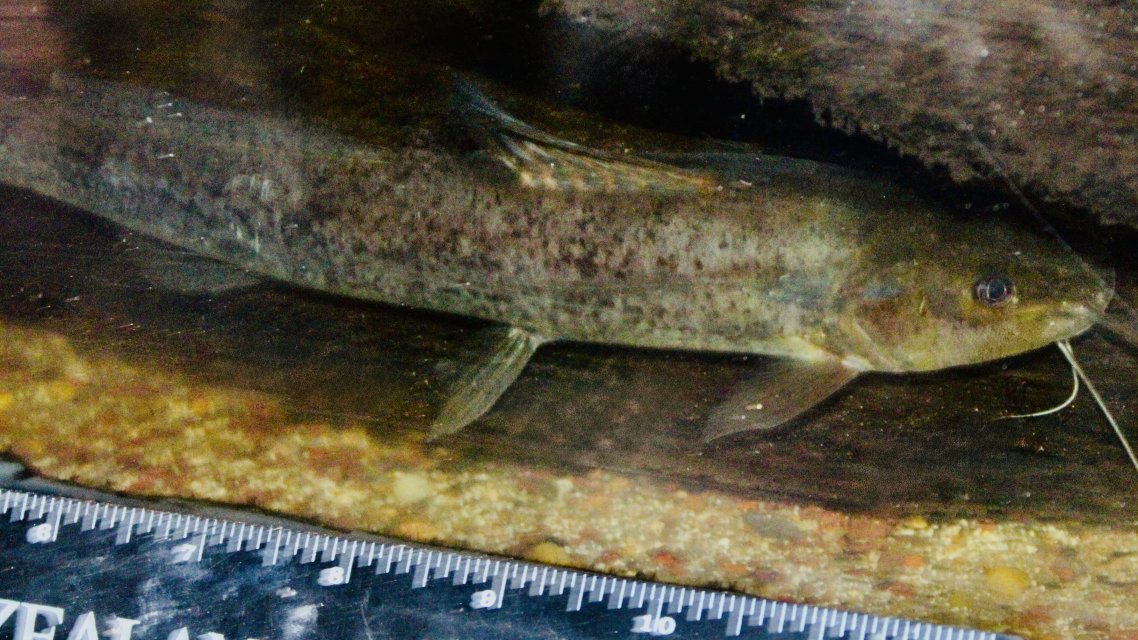
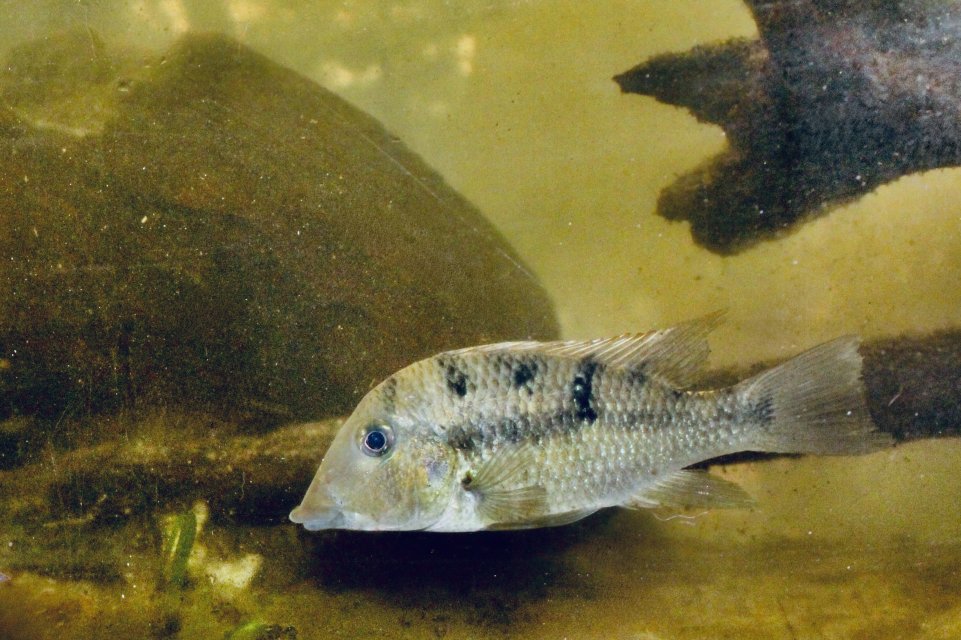
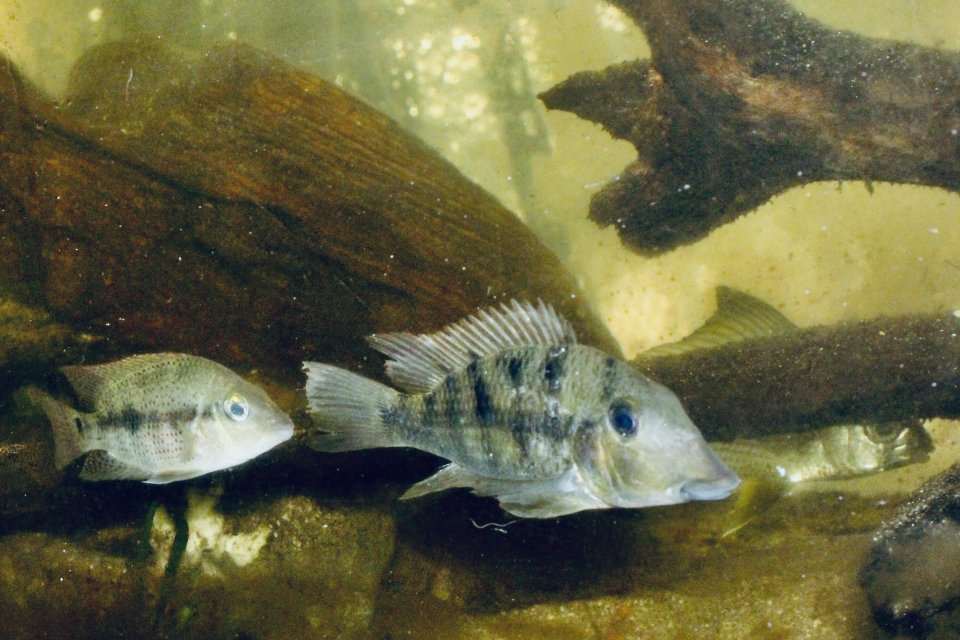
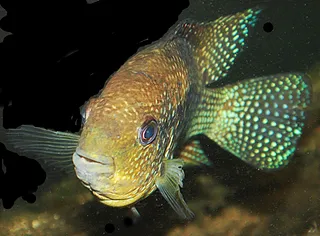
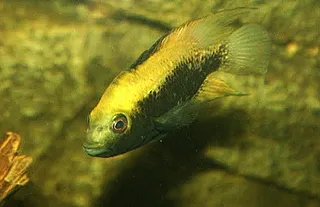
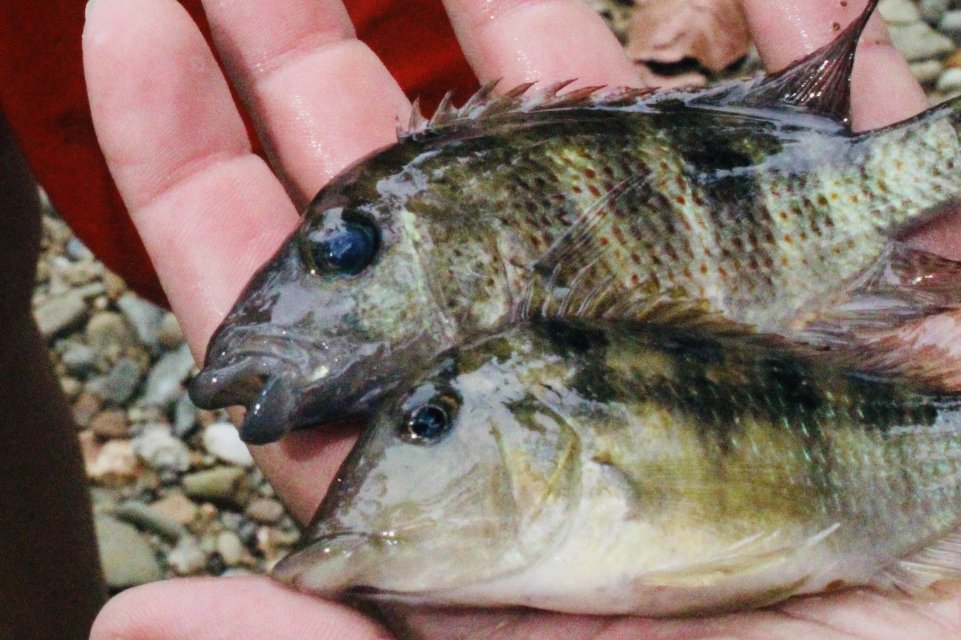
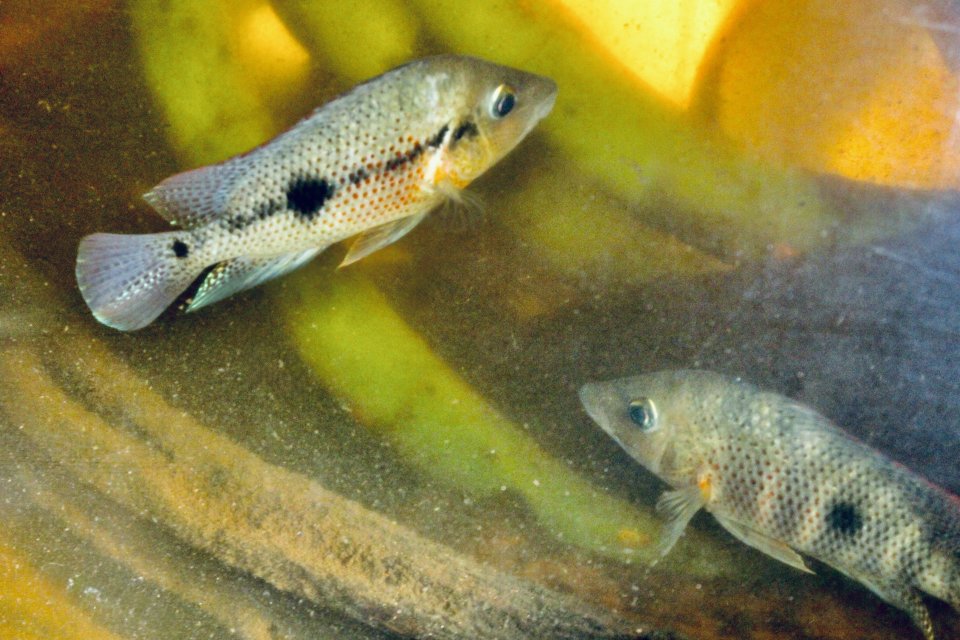
As far as cichlids go, there are ony the 3 species I have netted over the pasy 3 years of collecting in these rivers.
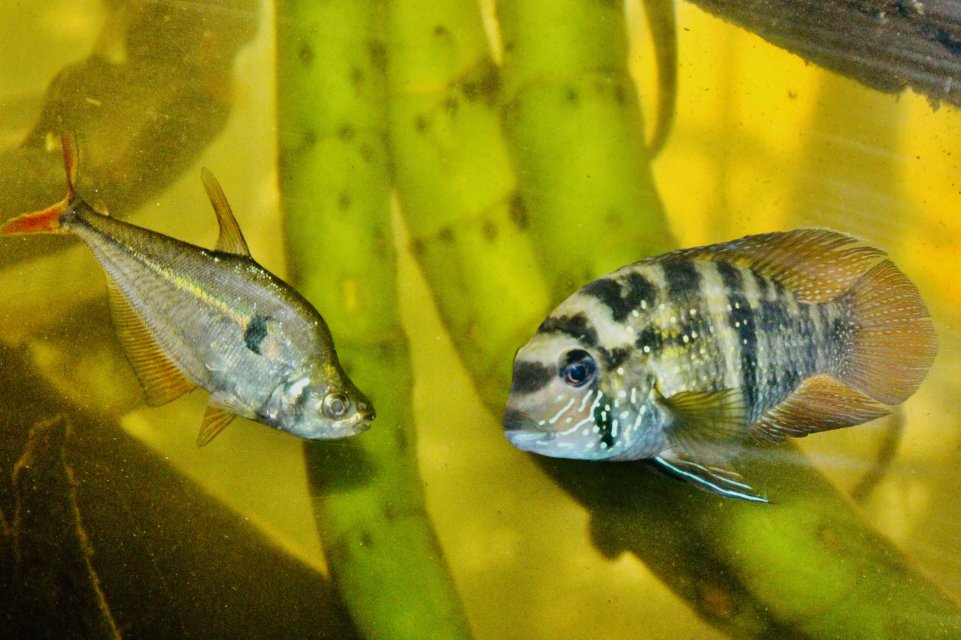
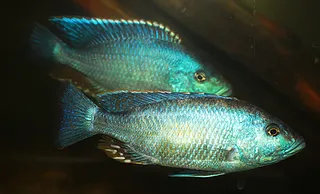
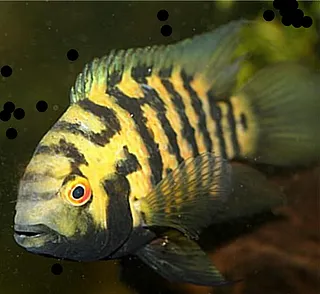
Andinoacara coeruleopunctatus above, Isthmoheros tuyrensus below,
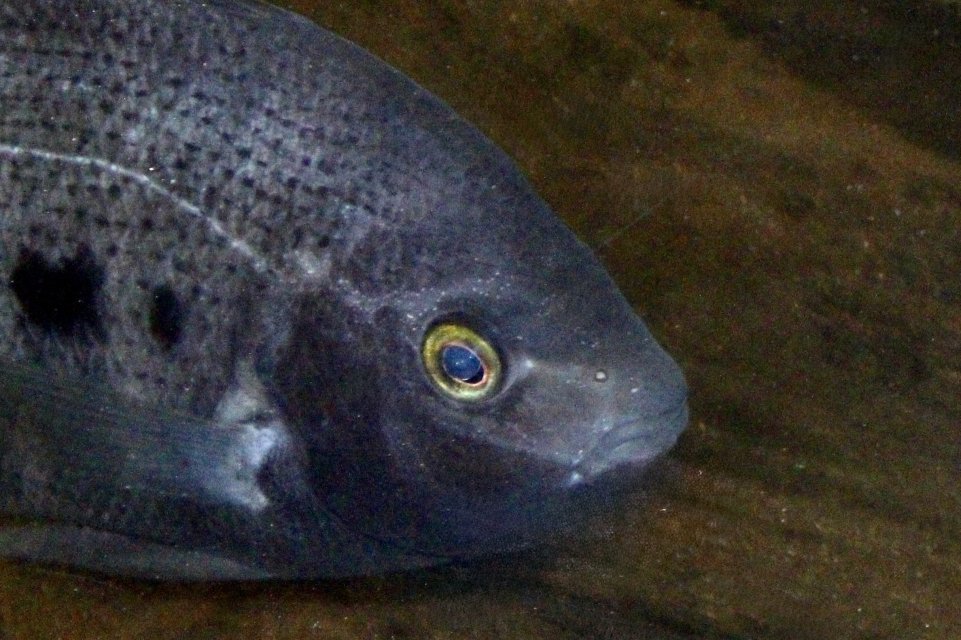
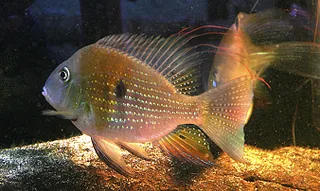
And Darienheros calobrensus below.
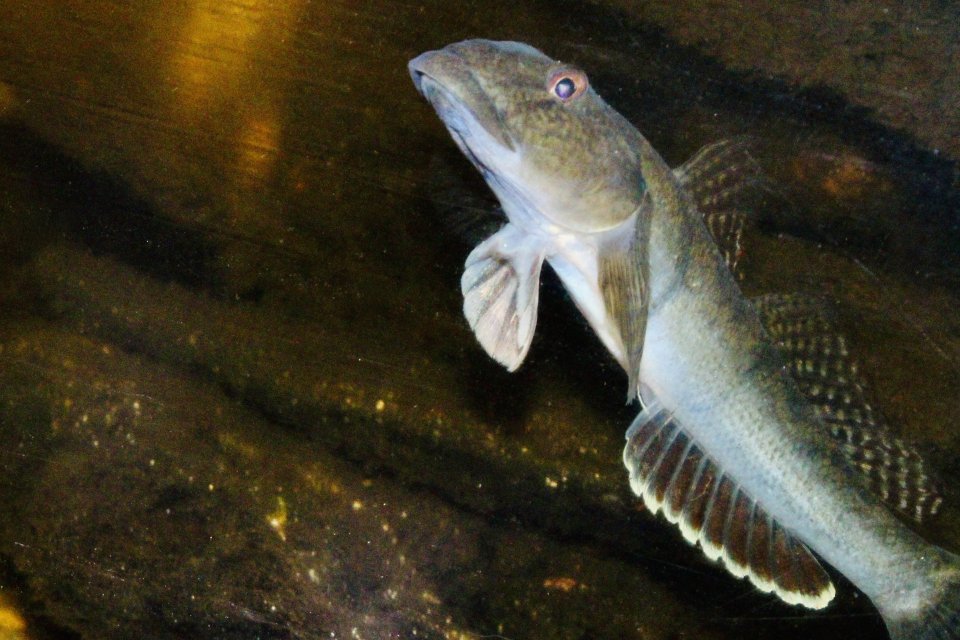
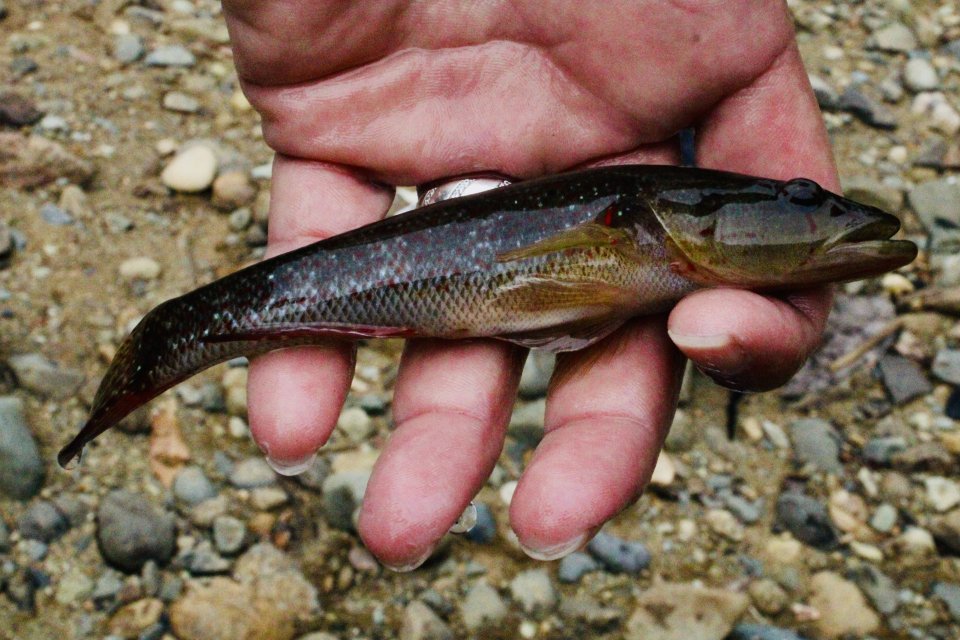
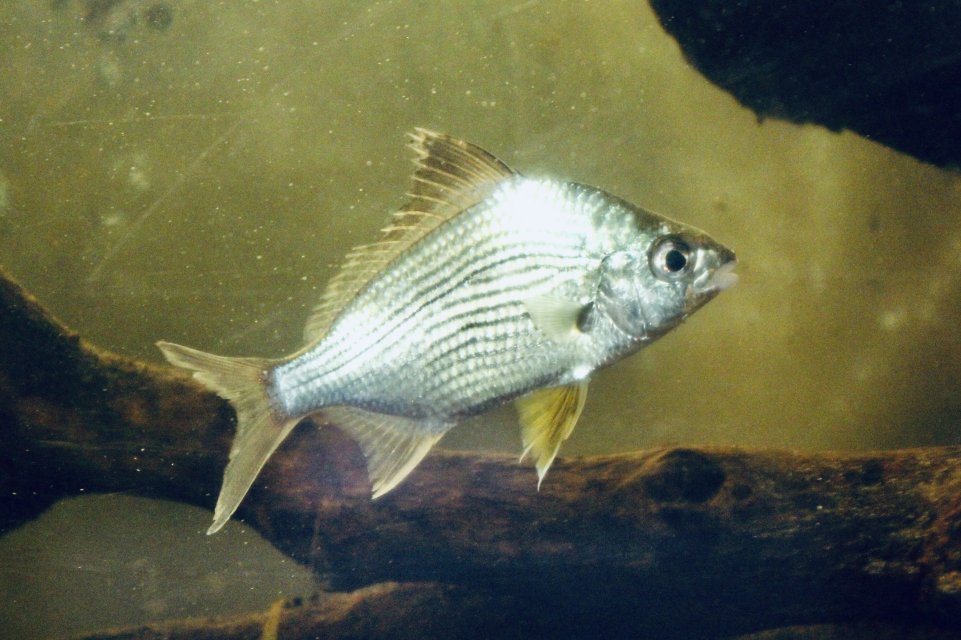
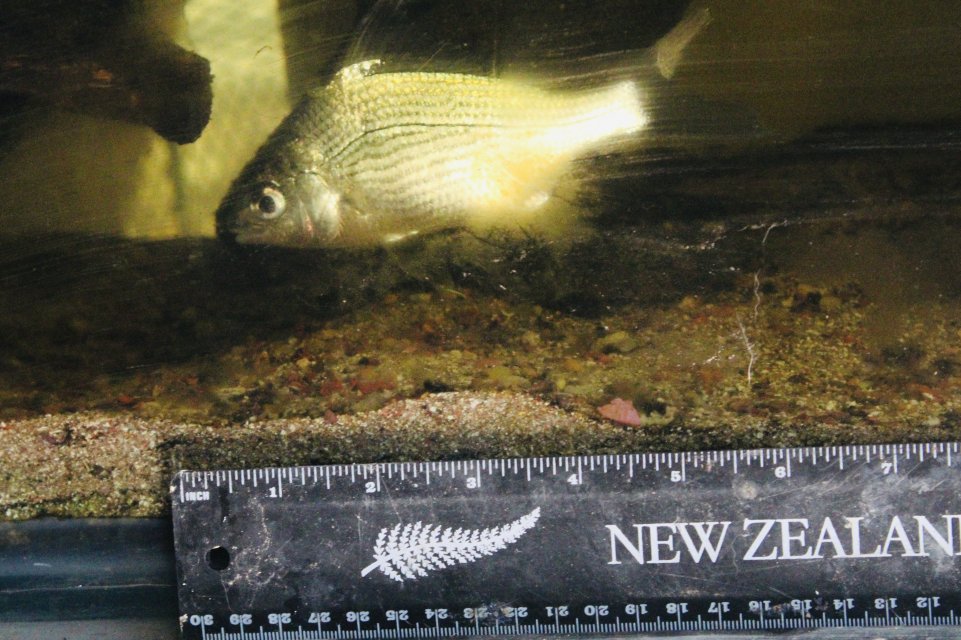
the latest addition to the biotope is the algae scraper Characin, that is a convergent evolutionaray look alike to the Siamese Algae eater or Chinese algae loach,
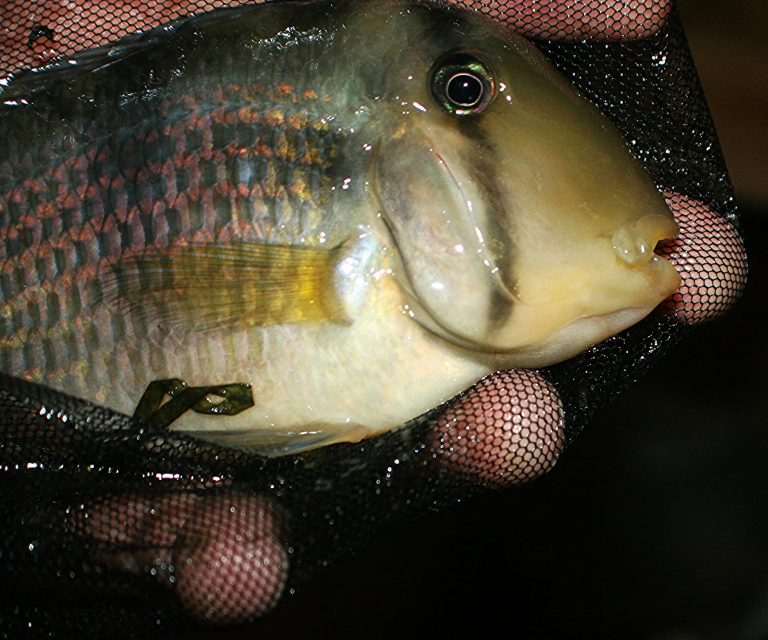
Saccodon dariensus.
the more I collect in nature, the more cichlids usually seem make up a minor part of the fish population biotope,(at least here in Panama),
so to get a more representative biotope, I find adding fish species diversity may be more optimum for tank compatabilty.
Unlike the rift lakes in Africa, where cichlids dominate, or Amazonia where varied cichlid populations are close to equal to number of other species,
here in eastern Panama, Characins usully outnumber cichlids 50 to 100 to one, and similar ratios, Plecos, and others are dwarfed by the sheer numbers of tetras.
So these days, while maintaining an eastern Panamanian biotope tank. encompassing only fish that hail from rivers.
Those from the Mamoni, Uni, and Plantaneros, and end in the Darien at the Rio Ipiti..
One might guess, this is restrictive, but I ddon´t find that the case.
Although, trying to maintain a 50 to 1 tetra to other fish species ratio, is not feasable, compromise is the name of the game.
At the momemt I keep 2 tpyes of tetras in the tank, about a half dozen Roeboides tetras.
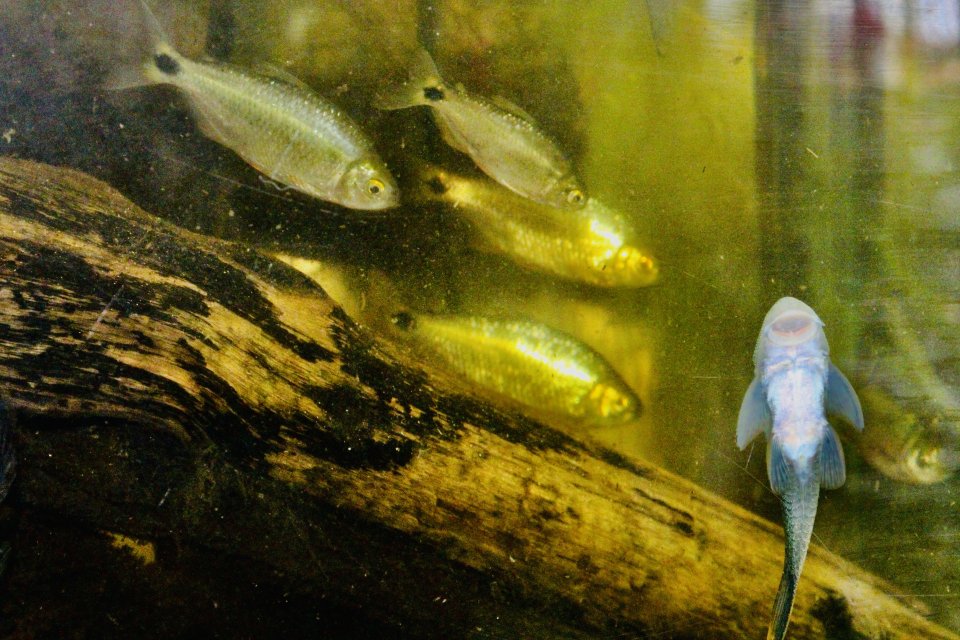
And another half dozen Astyanax tetras
another Characin in the tank is Ctenolucius beanii, kept as a single individal
There are 2 Plecos both found in the rheophillic area os the rivers
Chaetestoma fisheri above, the some times breach the surface in turulent areas to eat algae that grows there.
And whip tail cats from the genus Sturasomatichthys.
More tradition catfish in the tank are Pimelodus (Rhammmdia) guatemalensus, thisis tje ñare indevidualin the tank.
As far as cichlids go, there are ony the 3 species I have netted over the pasy 3 years of collecting in these rivers.
Andinoacara coeruleopunctatus above, Isthmoheros tuyrensus below,
And Darienheros calobrensus below.
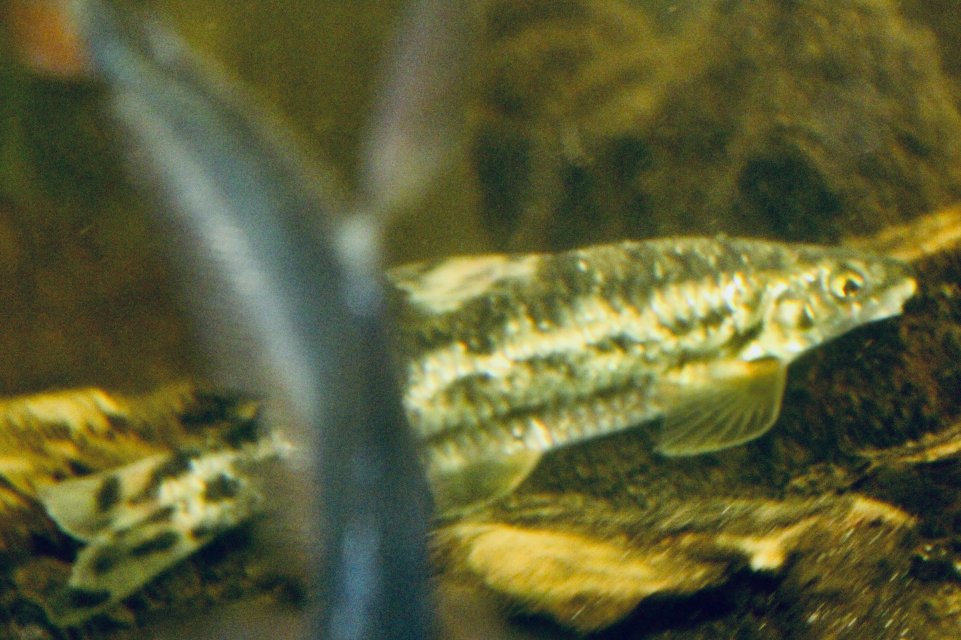
the latest addition to the biotope is the algae scraper Characin, that is a convergent evolutionaray look alike to the Siamese Algae eater or Chinese algae loach,
Saccodon dariensus.
Last edited: