Species names seldom change, unless (as in the case with melanurum/synspilla) DNA testing determines that what was thought to be two, is really only one species.
And the name melanurum was first given when the fish was described in 1862, synspillum was not used until 1935, the oldest species name, always takes precedence.
In the past, science used morphological differences (such as in dentition) or similarities to determine where a species might belong in a certain genus.
But with DNA, those similarities are often debunked by the new ability to determine evolutionary relationships.
I find common names to be more confusing, because what may be called a pearl cichlid in one area of a country, might be called something else in another part.
Or the use of one name to use for a number of species.
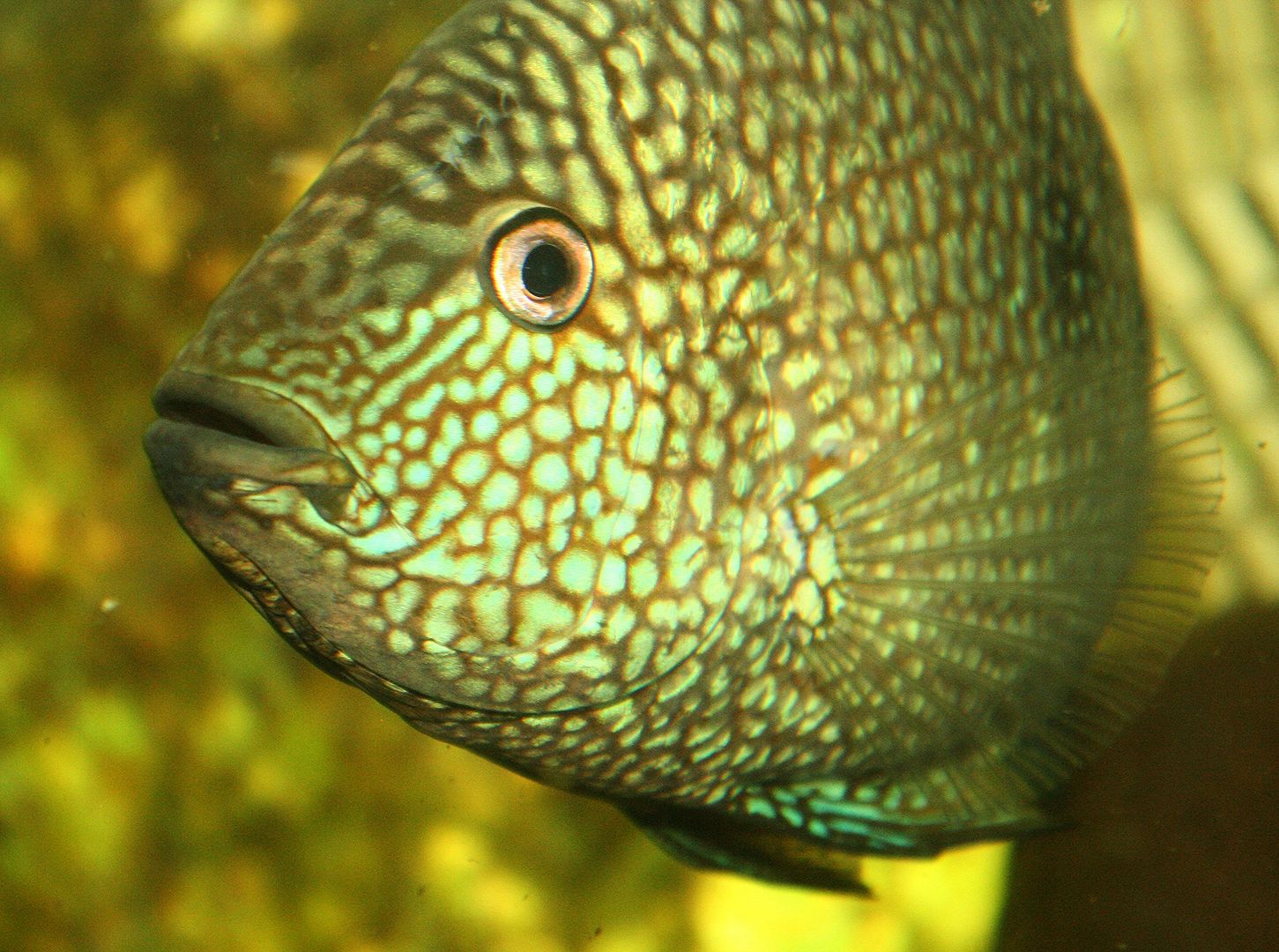
An example is the Texas cichlid Herichthys cyanoguttatus.
Because they look similar to Herichthys carpintus are often called a green Texas or a electric blue Texas, or a other trade names, like pearl Texas cichlid.
Firstly it does not come from Texas, and is no more green than about 3 other species of similar colored Herichthines.
As our grasp of the intricacies of science evolves, I would imagine more changes are in the offing.
Another example might be the use of the common name "red terror".
First used in the trade to name Mayaheros (then Cichlasoma) uropthalmus, but then the superficially similar festae came on the scene, and became another "red terror".
I'll bet there are 100 post here of people buying a red terror expecting festae, but they don't get festae, and think they've been ripped off, when in reality uropthalmus is just as much a red terror as festae.
So though knowing and using the correct terminology (scientific name) may to always get you what you want, it might if you are knowledgable save you some grief.
festae
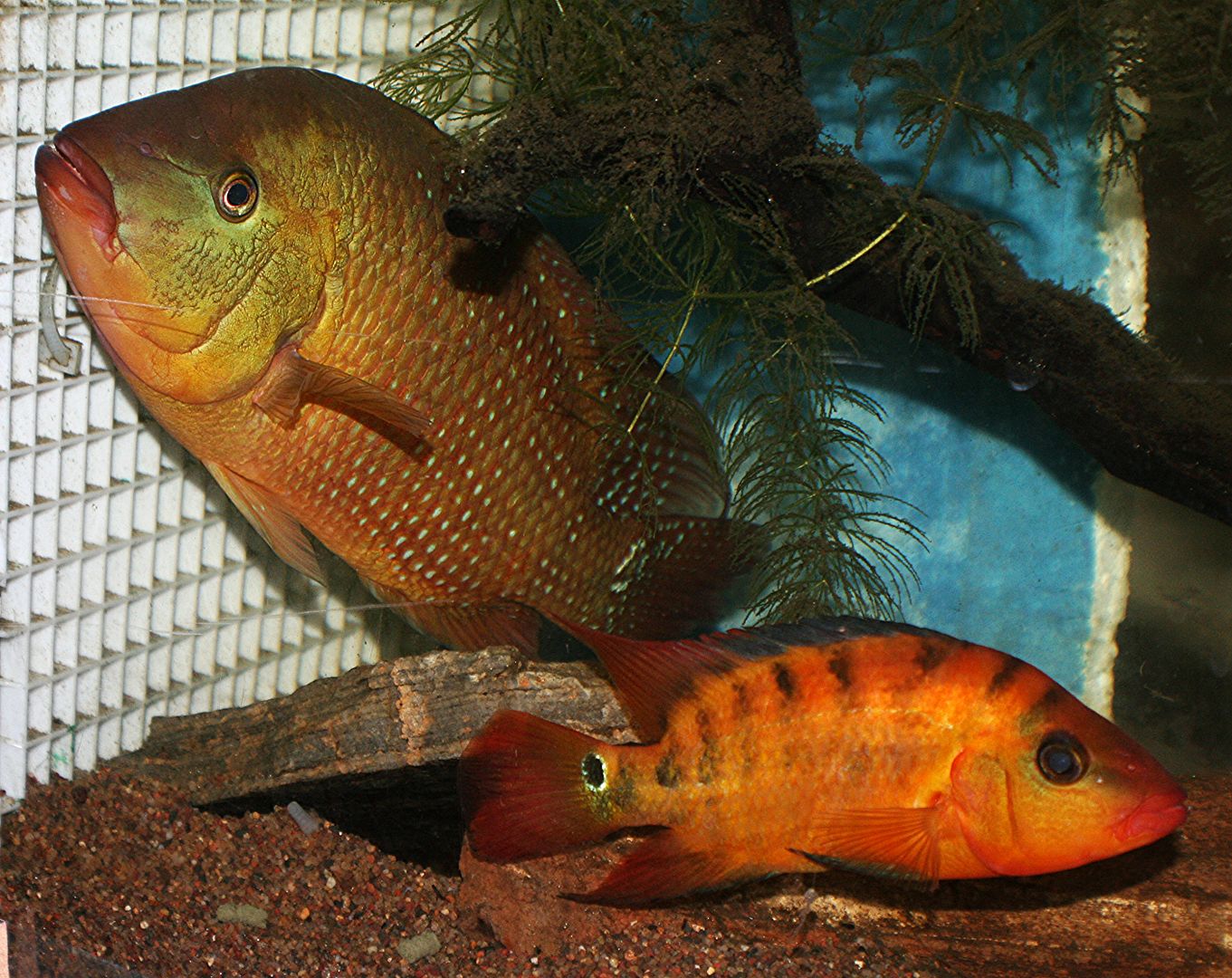
another might be the "red devil" which could be any of a dozen similar appearing cichlids found in the great Lakes of Nicaragua.
in the video below uropthalmus,
Azul imovie edit





