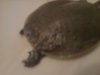
Dead: softshell turtle HELP!

  • We are currently upgrading MFK. thanks! -neo

pbass510

Candiru
MFK Member
Nov 11, 2010
866
2
48
Bay Area
My turtle just died tonight and i got it friday. When i first got it, it had a few scratches but i thought it would be fine. I tried calling the person i bought it from to ask for advice and i tried and just left it alone. It was eating freeze-dried bloodworms and little pellets and it was doing fine but i noticed today the fungus started to grow on his legs so i put it in a 5g to try to heal it for a while. Later this evening i put it back into the 50g and it was swimming in circles after a few hours and died.
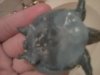
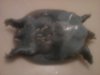
mms_picture(18).jpg

mms_picture(16).jpg

mms_picture(17).jpg
 
HELP HIM FIGURE OUT CAUSE OF DEATH
 
HEALTH
Scratches or scrapes can easily become infected if soft-shelled turtles are kept in enclosures with poor water quality. Prepare their cage furnishings carefully and thoughtfully. Keep some Acriflavine and Silvadene® cream on hand for emergencies. Be careful. Many tropical fish keepers using Acriflavine suggest treating animals with an accompanying rise in the water temperature. Warm water temperatures in the suggested 85-88° F range can be deadly to soft-shelled turtles!

Silvadene® is an antibiotic cream formulated for use with human burn victims. It requires a physician's prescription, but is an important part of a turtle keeper's arsenal of tools. It has proven very effective in treating sores and shell problems in both soft-shelled and hard-shelled turtles.

Betadine (iodine) is toxic to some soft-shelled turtles, especially members of the genus Aspideretes. To be safe, we do not use iodine-containing products with any of our soft-shelled turtles.

Does this help a little? Maybe you gave him a medicine that pertains to this... May have been due to the early scratches
 
Most likely fungus, I'd say the fugus was present when you got the turtle. Scratches can be deadly to softshells, not sure what meds are commonly used. Google it to be sure but I believe they sell something in pet stores for this.
 
yea haha i read where pazzoman got that from thanks but hes dead already i was trying figure out what killed him im thinking the fungus did because it was on his legs also
 
k can soem one who has had these type of turtles befor help, i dont need a copy n printed sheet of info thank u but we googled this first, can somone who has had these turtles tell us what can go wrong with them
 
k can soem one who has had these type of turtles befor help, i dont need a copy n printed sheet of info thank u but we googled this first, can somone who has had these turtles tell us what can go wrong with them

...I personally don't have had these turtles...or any turtle. I hate to say it but if you notice before the post was made the soft shell has passed and he wanted to find out who could have been the problem. If he had posted another thread about this topic, then your right for some reason no one had info to give.

Im sorry Pbass for the event, I kinda had a similar experience but with a leopard gecko a few years ago...had no idea what had happened to him.
 
It's mostly likely fungal, though I suppose it could be shell rot, but that's not likely since you said it started on the legs. Either could have been caused by a combination of things, possibly starting with abrasions or scratches and then carried out by sub-standard filtration. There's really not a good cause and effect as to how fungus or shell rot start. What IS the cause of death, however, is that it wasn't treated properly. While soft-shells require different methods of dry-docking and application of medicine than hard-shelled turtles do, they still require it. If it's not done on a strict regiment for the proper amount of time, it won't matter a bit. Soft-shells are just more susceptible to fungal outbreaks, and honestly, I'm quite surprised yours lasted as long as it did.

Josh H
 
MonsterFishKeepers.com