


I get the impression that typical aquarium flow rates and actual riverine flows are vastly misunderstood.
In nature even a slow moving wall of water, the kind most riverine species experience every day during the dry season, is much stronger than what a few airstones, a couple HOB filters, and an average canister produce.
And may be the reason we see much of the aggression in even seemingly social species.
The energy used to cope with day to life in nature doesn’t compare in the average aquarium, and so converts into intra-cichlid aggression.
Below are a couple short videos taken during the dry season, showing typical riverine Central American flow rates.
Now a video showing one of the rivers in the same area during th rainy season.
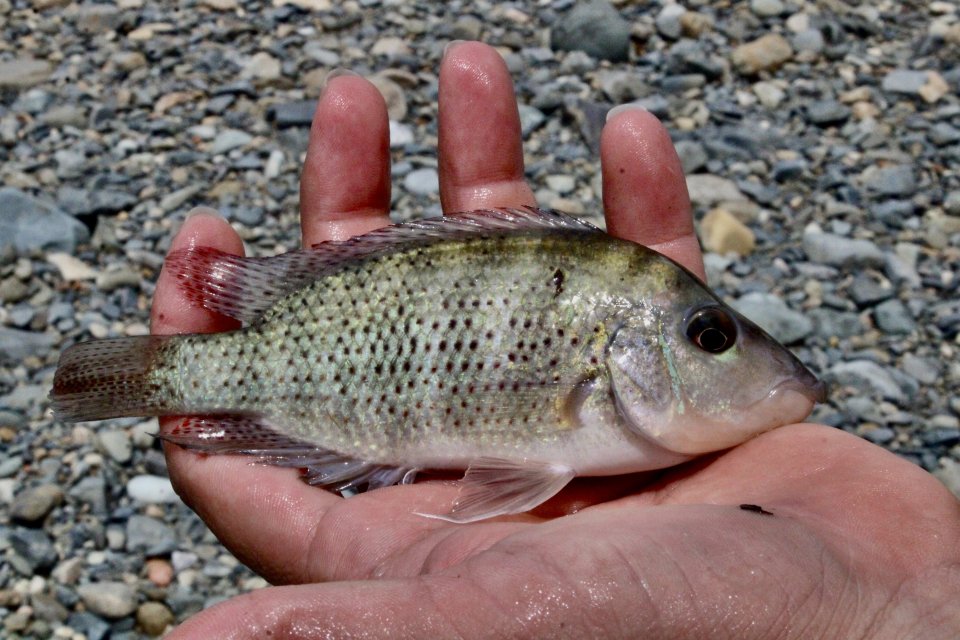
In all the rivers shown above, I have caught, Andinoacara, Isthmoheros, and Darienheros cichlds,…..Ancistrus, Chaetostoma, and Sturisomatichthys plecos, and many genera of Characins.
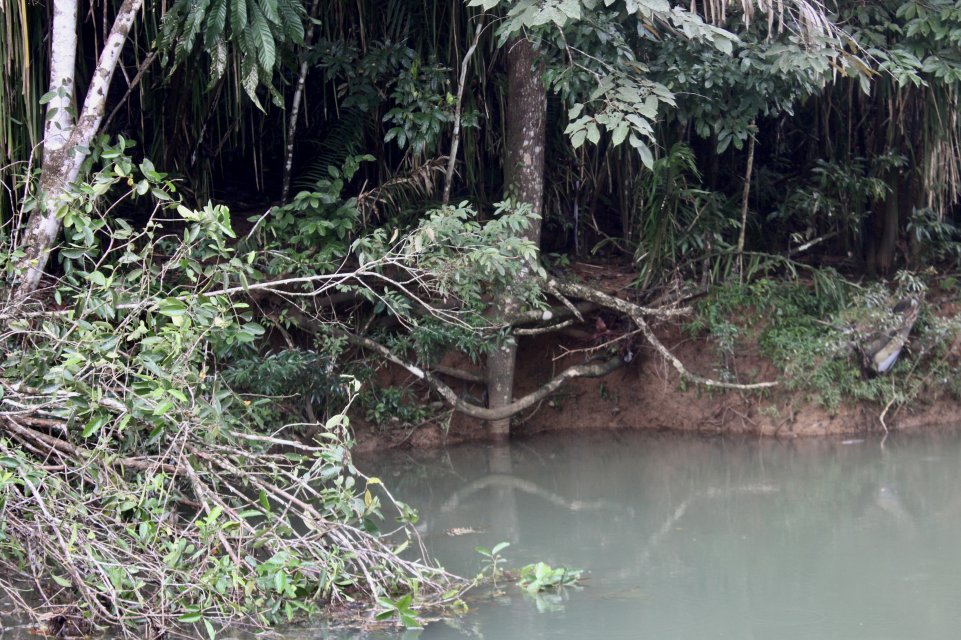
During heavy rains, many of these cichlids move to less violent and sheltered tributaries, but the Tetras and Plecos often remain, such as the Rio Uni below.
In nature even a slow moving wall of water, the kind most riverine species experience every day during the dry season, is much stronger than what a few airstones, a couple HOB filters, and an average canister produce.
And may be the reason we see much of the aggression in even seemingly social species.
The energy used to cope with day to life in nature doesn’t compare in the average aquarium, and so converts into intra-cichlid aggression.
Below are a couple short videos taken during the dry season, showing typical riverine Central American flow rates.
Now a video showing one of the rivers in the same area during th rainy season.
In all the rivers shown above, I have caught, Andinoacara, Isthmoheros, and Darienheros cichlds,…..Ancistrus, Chaetostoma, and Sturisomatichthys plecos, and many genera of Characins.
During heavy rains, many of these cichlids move to less violent and sheltered tributaries, but the Tetras and Plecos often remain, such as the Rio Uni below.
