

I have a geo tank. includes 2 suri, 2 brasiliensis , and 1 jurupari . the juru and 1 of the bras are the largest in size. the suriname are basically left alone. but the 2 brasiliensis gang up on the jurupari and nip at him none stop. ive now notices its tail very frayed and damaged. now the jurupari just hangs out at the top to avoid being chased but this still doesn't stop it. any suggestions to stop this behavior? I have another tank with 2 red hump geos but they are male/female and the male is really mean. I have another tank available but its gravel sub, and the biggest tank available has sand but is large arowana, bichir, catfish .....
geophagus aggression help
- Thread starter TheBroc
- Start date
You are using an out of date browser. It may not display this or other websites correctly.
You should upgrade or use an alternative browser.
You should upgrade or use an alternative browser.


Brasiliensis can be quite aggressive, especially compared to jurapari. How big are the catfish and birchir and what species catfish is it?

Maybe its because I'm sometimes a bit of a geographical purist, but to me, brasiliensis really don't belong in the same tank as the others.
They are also not true Geophagus in the strictest sense of the word, and may soon be placed in another genus. And are found in many conditions that at times, don't include a sandy substrate.
They come from further south, where waters are somewhat cooler than Amazonian conditions, so although normally a more aggressive species, the warmth may be a factor in making them even more aggressive than they could be.
I keep those of the braziliensus compex in room temp tanks, without heaters, where temps are high 60'sF to low 70s.
They spawn in these low temps, and seem only aggressive to me, when spawning.
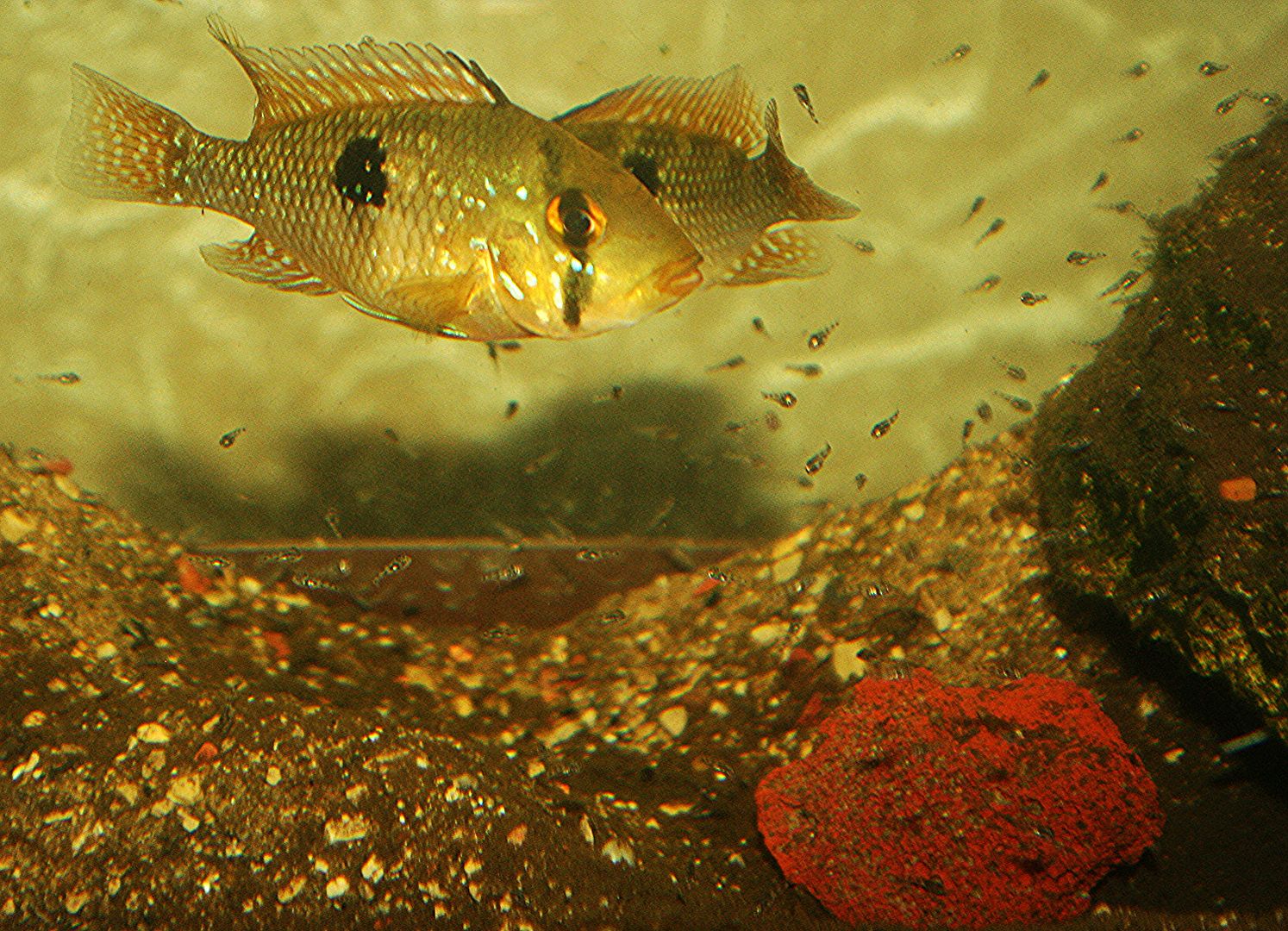
They are also not true Geophagus in the strictest sense of the word, and may soon be placed in another genus. And are found in many conditions that at times, don't include a sandy substrate.
They come from further south, where waters are somewhat cooler than Amazonian conditions, so although normally a more aggressive species, the warmth may be a factor in making them even more aggressive than they could be.
I keep those of the braziliensus compex in room temp tanks, without heaters, where temps are high 60'sF to low 70s.
They spawn in these low temps, and seem only aggressive to me, when spawning.


Within the geophagus family you have different temperament types, whether altifrons or suriname types, steindachneri and its close relatives, taeniopareius and it's close relatives, brasiliensis, etc. Specific species can vary from other close relatives and then juripari are actually in another group (Satanoperca) and are not technically geophagus. So, basically in your tank you have eartheaters at different ends of the spectrum in terms of aggression and not especially compatible.
In some tanks you might be able to keep your mix together-- large enough tank, right mix in terms of the size of each group, or the right individuals, since individual fish can vary in temperament within a species. But all in all, what you're seeing is not much of a surprise.
In some tanks you might be able to keep your mix together-- large enough tank, right mix in terms of the size of each group, or the right individuals, since individual fish can vary in temperament within a species. But all in all, what you're seeing is not much of a surprise.
Maybe its because I'm sometimes a bit of a geographical purist, but to me, brasiliensis really don't belong in the same tank as the others.
They are also not true Geophagus in the strictest sense of the word, and may soon be placed in another genus. And are found in many conditions that at times, don't include a sandy substrate.
They come from further south, where waters are somewhat cooler than Amazonian conditions, so although normally a more aggressive species, the warmth may be a factor in making them even more aggressive than they could be.
I keep those of the braziliensus compex in room temp tanks, without heaters, where temps are high 60'sF to low 70s.
They spawn in these low temps, and seem only aggressive to me, when spawning.
Agreed. ^ Good info.

Brasiliensis can be quite aggressive, especially compared to jurapari.
+1
Sent from my iPad using MonsterAquariaNetwork app
brasiliensis are known to be fairly aggressive as far as cichlids go. That's why mine ended up living in a 200g cichlid community tank in an Italian restaurant.
Wow that was stupid of me to just assume all geos can go together.
The actual geos/earth eaters you have can reside peacefully together, but brasiliensis aren't really geos. They are of the 'Geophagus' complex, which is a scientific way of saying they are waiting to either be assigned an existing genus or to be given their own genus.
Sent from my iPad using MonsterAquariaNetwork app
Not stupid, just sometimes takes a little research in where and how our fish live, to house them properly.
Many Geophagus like to live in groups, but in groups of their own species, as opposed to a mixed bag of different species.
I like to keeps shoals of 3 of more females with a male in a tank, or 6 females and 2 males. 2 species may work very work together, especially if kept in groups in a large tank.
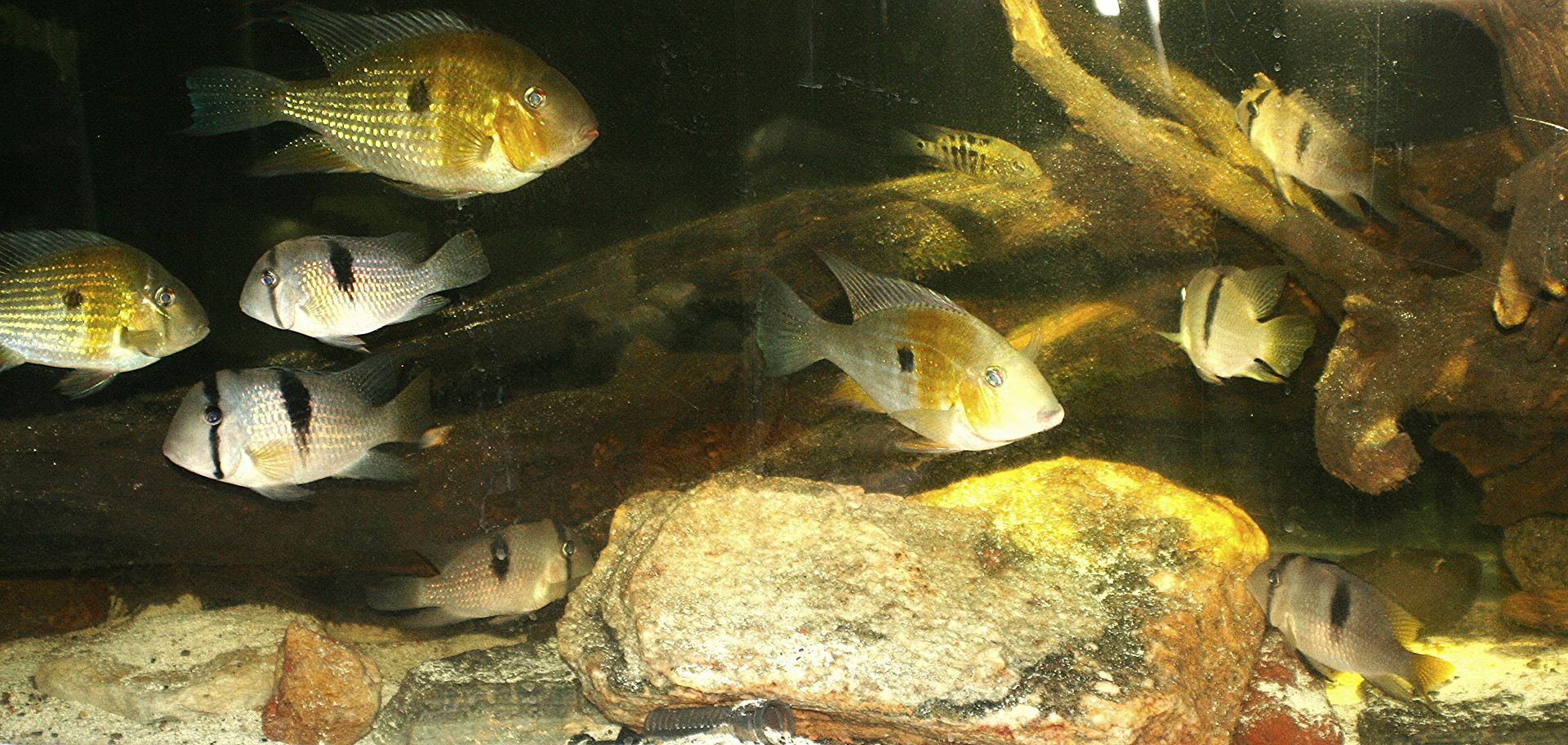
This tends to keep aggression at a minimum.
And S America is a very large continent with has many climate zones, from hot equatorial areas in the north, to zones in the south that get quite cold.
Many Geophagus like to live in groups, but in groups of their own species, as opposed to a mixed bag of different species.
I like to keeps shoals of 3 of more females with a male in a tank, or 6 females and 2 males. 2 species may work very work together, especially if kept in groups in a large tank.

This tends to keep aggression at a minimum.
And S America is a very large continent with has many climate zones, from hot equatorial areas in the north, to zones in the south that get quite cold.
Wow that was stupid of me to just assume all geos can go together.
Been there myself before, whether because I didn't yet know enough or was listening to advice based on some commonly held misconceptions-- or even books available at the time that repeated the common or current wisdom of the time that wasn't always completely accurate. All part of the learning curve.Not stupid, just sometimes takes a little research in where and how our fish live, to house them properly.
+1 Different climate zones, different water, pH, hardness, etc. For example, there are locations where even fish like discus live in cooler or higher pH water than many people think-- or than a lot of the standard literature about them tells you.And S America is a very large continent with has many climate zones, from hot equatorial areas in the north, to zones in the south that get quite cold.