When I (an unenlightened kid) first started keeping fish, (as I’m sure all but the nerdiest of us did), I figured water was just water.
And even less aware, that the relationships between the bacteria endemic to certain water types, and their effect on the fish living in those waters, was the furthest thing from my mind.
Who would have fathomed bacterial subspecies living in hard water could negatively effect those fish evolved to live in soft water, and visa-versa.
Then I became a microbiologist, and my unenlightened approach became some what challenged.
Finding that although an advanced organism such as a cichlid may not be directly effected by the difference between hardness concentration between 20 and 80 ppm, those organisms such as bacteria, are, and effect the organisms they surround radically.
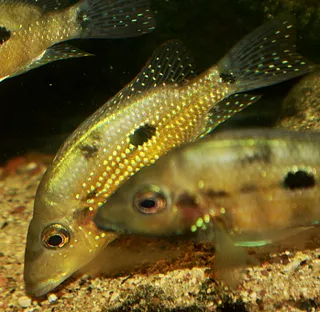
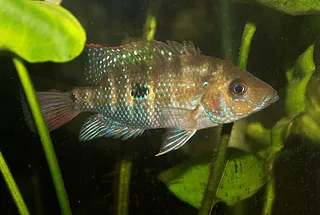
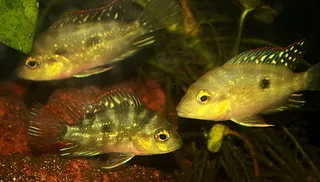
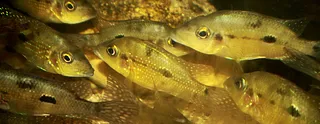
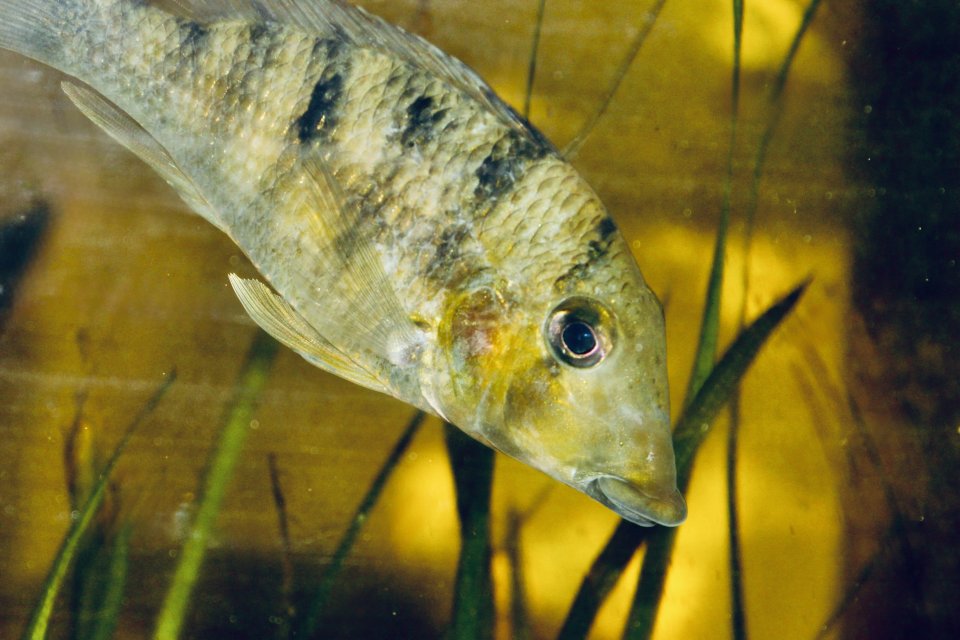
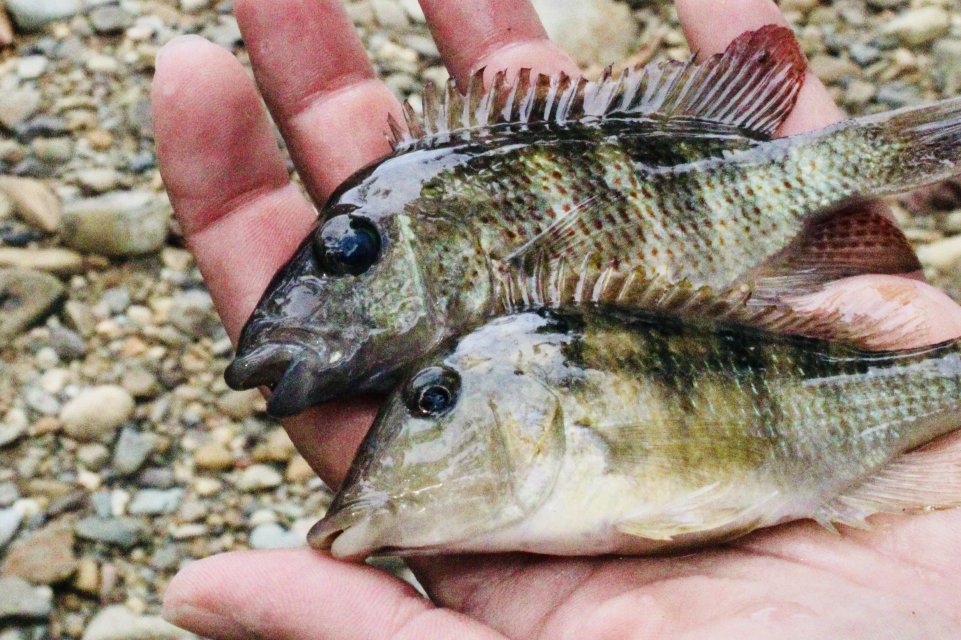
Over those early years, I tried to keep a number of species within the tribe Geophagini, with varying success rates.
The tribe encompasses a large number of genera, not just those of the genus Geophagus,
it also includes Acarichthys, Guianacara, Gymnogeophagus, Mikrogeophagus and even Pike cichlids such as Crenicichla and Saxatilia.,
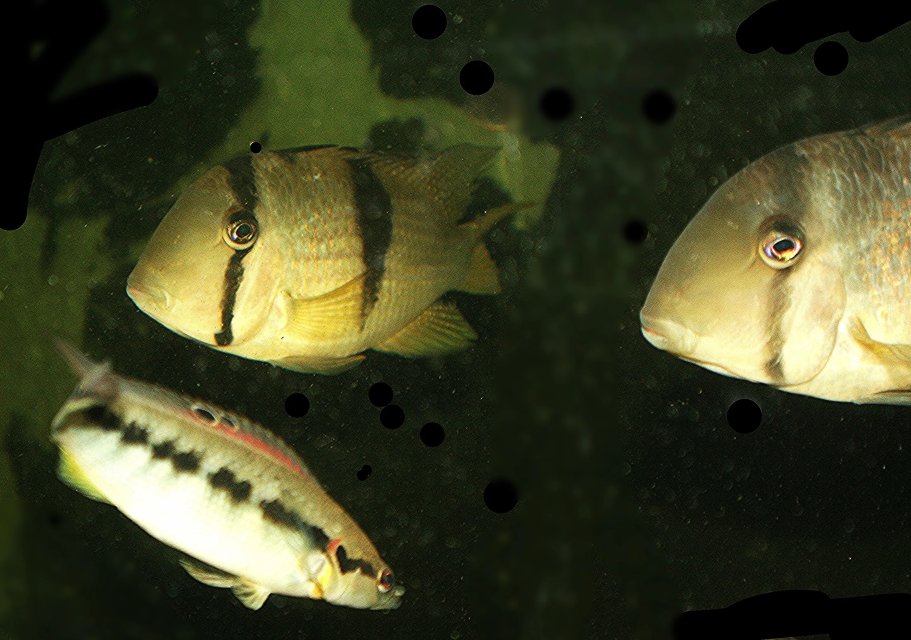
My worst luck, had been with northern species that come from very low pH (4 and 5), soft , blackwater environments, such as the Orinoco, and Rio Negro, and many of these northern SA Geophagini tribe members require special attention, because (back then, (and even to some extent now)) they have not been mass bred long enough in aquarium conditions, to have built a tolerance for the hard water bacteria that are ubiquitous in many normal US taps.
In both places I have lived, my tap water has been hard, and higher in pH.
My tap water in WI, originated from lake Michigan, averaged mid to upper levels in pH (7.6 to 7.8), and was also relatively hard (250 ppm gH.)
Here where I live now in Panama, it is even higher pH (8.2) and also mineral rich, at times exceeding 350 ppm gH.
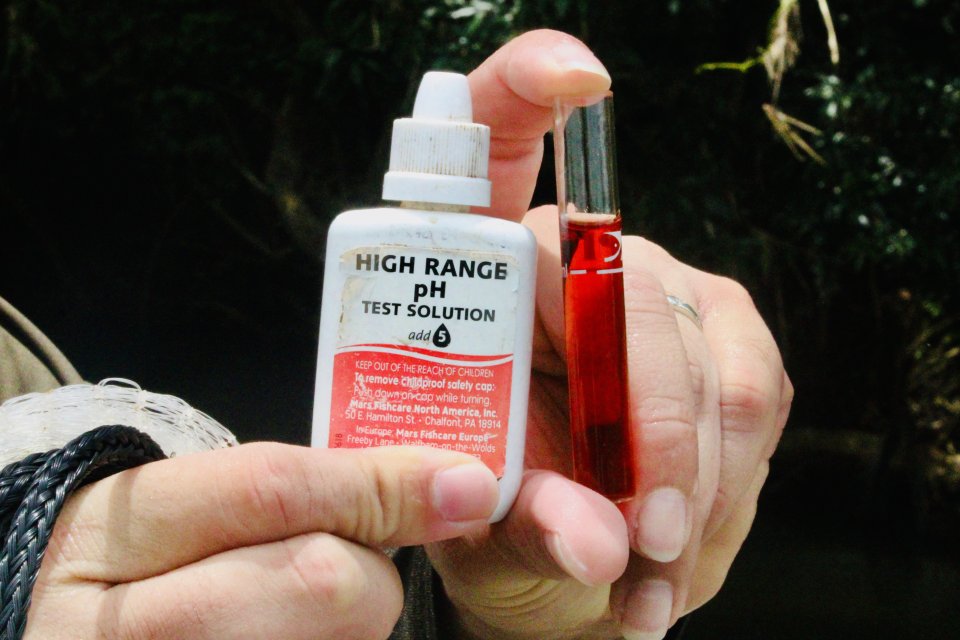
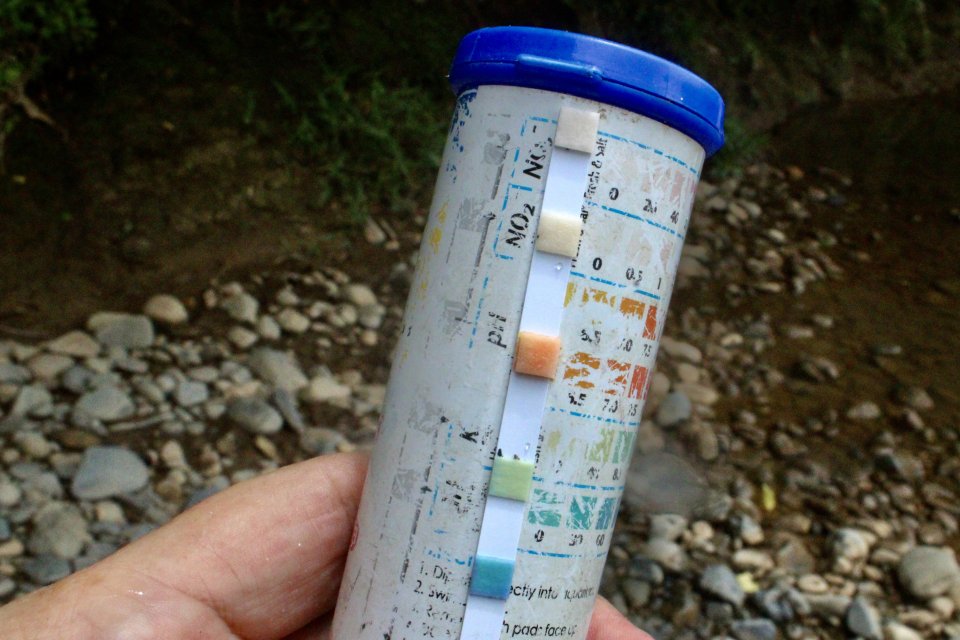
So unless much of the average tap water parameters were altered, to reflect those soft, low pH parameters, a number of members from the tribe geophagini, succumbed to bacteria they are not able to naturally resist over time.
Maybe not in month, or even 4 months, but in a year…….
Because I’m lazy, and don’t chase water parameters,
I´d rather match the fish I keep, to the tap water I have.
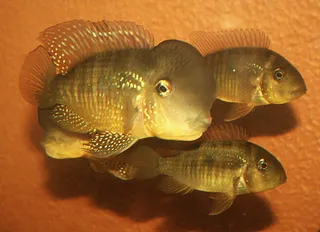
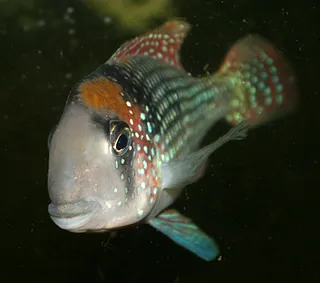
In both places I’ve lived, I’ve had better luck with those from southern areas of S America, such as Uruguay, Argentina, and the coastal areas of southern Brazil, and…..or those from west of the Andes in S America, where natural waters are slightly alkaline, more neutral in pH, and at times relatively more mineral rich.
And even less aware, that the relationships between the bacteria endemic to certain water types, and their effect on the fish living in those waters, was the furthest thing from my mind.
Who would have fathomed bacterial subspecies living in hard water could negatively effect those fish evolved to live in soft water, and visa-versa.
Then I became a microbiologist, and my unenlightened approach became some what challenged.
Finding that although an advanced organism such as a cichlid may not be directly effected by the difference between hardness concentration between 20 and 80 ppm, those organisms such as bacteria, are, and effect the organisms they surround radically.
Over those early years, I tried to keep a number of species within the tribe Geophagini, with varying success rates.
The tribe encompasses a large number of genera, not just those of the genus Geophagus,
it also includes Acarichthys, Guianacara, Gymnogeophagus, Mikrogeophagus and even Pike cichlids such as Crenicichla and Saxatilia.,
My worst luck, had been with northern species that come from very low pH (4 and 5), soft , blackwater environments, such as the Orinoco, and Rio Negro, and many of these northern SA Geophagini tribe members require special attention, because (back then, (and even to some extent now)) they have not been mass bred long enough in aquarium conditions, to have built a tolerance for the hard water bacteria that are ubiquitous in many normal US taps.
In both places I have lived, my tap water has been hard, and higher in pH.
My tap water in WI, originated from lake Michigan, averaged mid to upper levels in pH (7.6 to 7.8), and was also relatively hard (250 ppm gH.)
Here where I live now in Panama, it is even higher pH (8.2) and also mineral rich, at times exceeding 350 ppm gH.
So unless much of the average tap water parameters were altered, to reflect those soft, low pH parameters, a number of members from the tribe geophagini, succumbed to bacteria they are not able to naturally resist over time.
Maybe not in month, or even 4 months, but in a year…….
Because I’m lazy, and don’t chase water parameters,
I´d rather match the fish I keep, to the tap water I have.
In both places I’ve lived, I’ve had better luck with those from southern areas of S America, such as Uruguay, Argentina, and the coastal areas of southern Brazil, and…..or those from west of the Andes in S America, where natural waters are slightly alkaline, more neutral in pH, and at times relatively more mineral rich.