A sump is just a box, where water from the tank flows by gravity, and is filtered.
Some people use commercial sumps with compartments separating different types of commercial media.
Some people use rubbermaid bins with lots of mechanical media and lava rock for bio media.
Some people put protein skimmers in sumps with tanks that hold very carnivorous fish that eat a lot of protein.
There are many sump concepts, and how you do it, depends on what you expect from your sump
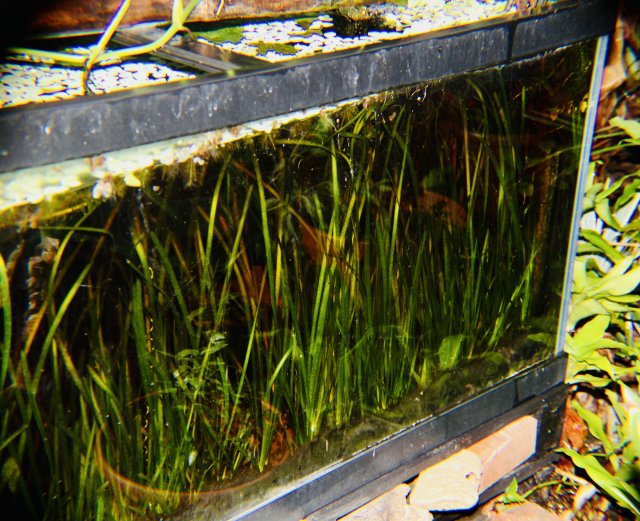
I use a 125 gal heavily planted tank with no compartments except Porret Foam as a mechanical filtration barrier between the plants and pump, as a sump for my 180 gal tank. I find tanks, much more economical than wimpy little commercial units.
Because, beside normal filtration concepts, I want my sump to eat nitrate, and normal filtration does not do that. That's where the plants come in.
I also want my sumps to hold substantial amounts of water, so are rum almost full.

Main tank left, sump on the right.
As you can see, the sump doesn't need to be directly below the tank, it can be offset on the side, as long as gravity is applied.
Below the heavily aquatic planting in the sump.

Below when first setting up the sump up (before plants were added), to help illustrate the pump section separated by the Porrett Foam barrier


Below my average water parameters using this system.


Below the return water to tank, from the sump.

Because I keep riverine cichlids, that appreciate strong flow, and highly oxygenated, low nitrate water, I use a 1500 gph pump and in addition a 500 gph wave maker to produce directional flow (riverine) in the main tank..... this concept works well for me.
I'm sure others will have differing concepts, that work well for them. But.....
There is "no" one specific or exclusive way to do a sump, except the need to use some form of gravity.
I have used a 1500 gal pond for a 55 gal outside tank in the past.

I also like to put scavenging type animals like shrimp in the sump, to help break down, extra food that overflow in the sump, and break down old plant material.

So beyond just a sump, it can be thought of as a refugium.







