


Most aquarists know the natural waters in Central America are alkaline, mineral rich, and have a high pH. How high they can go may be a surprise.
Lake Bacalar in southern Mexico where Vieja, Crytoheros, and Thorichthys are found, pH ranges from 7.7 to 8.2
Lake Managua where many Amphilophines are found in Nicaragua can hit upwards of pH 9.3
Lake Nicaragua up to pH 8.9.
Cenotes in Mexico where Rocio and Thorichthys are found can vary seasonally pH 6.9 to 8.9.
I have collected cichlids in half dozen rivers in Panama and decided to to do a Mamoni river biotope, I have gone there on and off over the last few months and beside fishing, taken pH and nitrate readings.
In the dry season pH held around 8.2, but since the rainy season started pH has dropped slightly to 7.8.
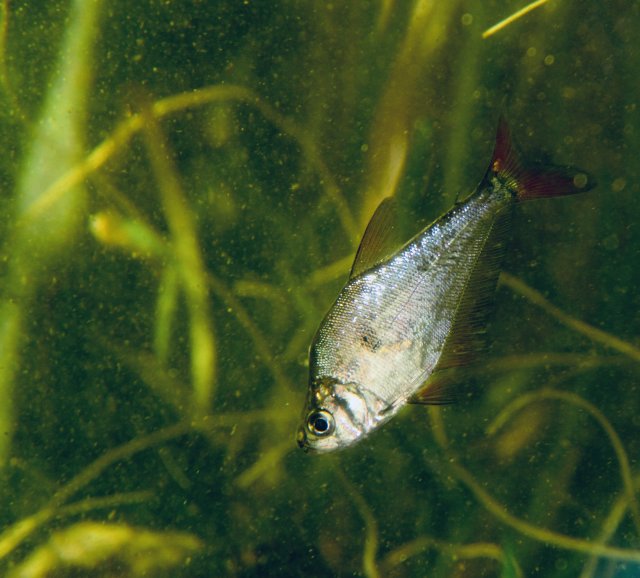
The most common fishes in he river are tetras, outnumbering all other fishes by almost 25 to 1.
I have found Astyanax, Brycon, and Roeboides.


Catfish are also plentiful.
Pimleodellus, Plecos like Chaetstoma, and whiptails such sturosoma


Then there are the Gobys
 Gobiomorus sp
 Awaous banana (I believe)
And the 2 most commonly caught cichlids,


Darienheros calobrensis above.
Isthmoheros tuyrensus below.


So far no overt aggression.


All the above arenas in a 180 gal tank (except the tetras), due tother tendency for being Lernaea carriers, they will remain in QT about 3 months.
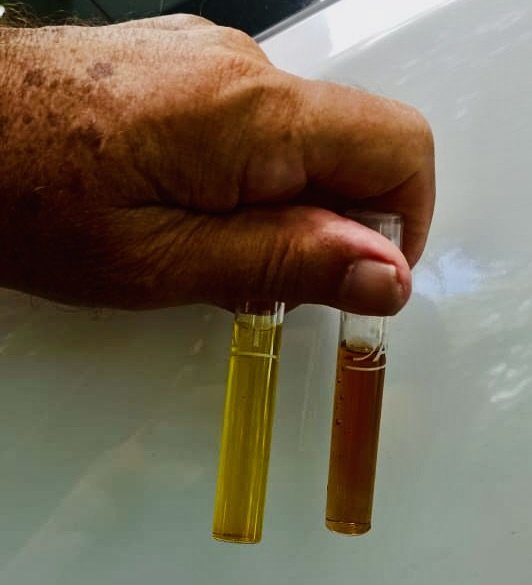
The flow of the river is quite strong, (lots of rai lately) and pH last tested about 7.8, and even though the water is the color of cafe latte, nitrate still undetectable.
 .
.
Lake Bacalar in southern Mexico where Vieja, Crytoheros, and Thorichthys are found, pH ranges from 7.7 to 8.2
Lake Managua where many Amphilophines are found in Nicaragua can hit upwards of pH 9.3
Lake Nicaragua up to pH 8.9.
Cenotes in Mexico where Rocio and Thorichthys are found can vary seasonally pH 6.9 to 8.9.
I have collected cichlids in half dozen rivers in Panama and decided to to do a Mamoni river biotope, I have gone there on and off over the last few months and beside fishing, taken pH and nitrate readings.
In the dry season pH held around 8.2, but since the rainy season started pH has dropped slightly to 7.8.
The most common fishes in he river are tetras, outnumbering all other fishes by almost 25 to 1.
I have found Astyanax, Brycon, and Roeboides.
Catfish are also plentiful.
Pimleodellus, Plecos like Chaetstoma, and whiptails such sturosoma
Then there are the Gobys
Gobiomorus spAwaous banana (I believe)And the 2 most commonly caught cichlids,
Darienheros calobrensis above.
Isthmoheros tuyrensus below.
So far no overt aggression.
All the above arenas in a 180 gal tank (except the tetras), due tother tendency for being Lernaea carriers, they will remain in QT about 3 months.
The flow of the river is quite strong, (lots of rai lately) and pH last tested about 7.8, and even though the water is the color of cafe latte, nitrate still undetectable.
.
Last edited:




