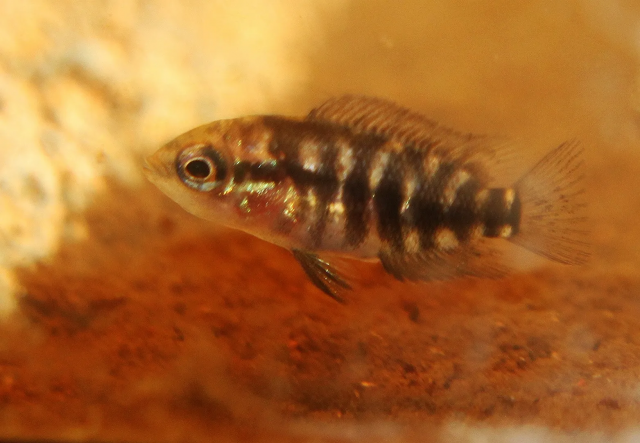
How to remove sand / breed ( Parachromis RTM )

  • We are currently upgrading MFK. thanks! -neo

Bara fisk

Exodon
MFK Member
May 3, 2022
86
44
26
26
Hi i've read alot and watched ALOT of videos on rtm breeding honestly pretty much every video on youtube i've watched, anyways in the tank that they're in there is sand + gravel (orginally gravel but i added in alot of sand to cover the stones up ) so now im stuck with sand and gravel but i want to remove the sand but when i tried to siphon it out i could only get about tops 0.5 liter of sand ( 1/8 of a gallon i think ) before the hose got stuck with sand / gravel ... so im not really sure how to remove the sand the reason why i want to remove it is because from what i've seen there is never ever sand in the rtm tanks usually barebattom / gravel / rocks only , and the male loves to mess around with the substrate so there is sand everywhere on the decorations so my theory is that the female either think that the sand is eggs or simply dont find a place where she wants to lay eggs ...any ideas?
 
  • Like
Reactions: tlindsey
1658500496630.png
I don't get the sand reticence, I have had breeding motaguense, and a number of other Parachromis, and at least another 50 species of cichlids, and always used sand substrate without problems.
1658500686189.png
 
  • Like
Reactions: tlindsey
View attachment 1499779
I don't get the sand reticence, I have had breeding motaguense, and a number of other Parachromis, and at least another 50 species of cichlids, and always used sand substrate without problems.
View attachment 1499780


Hi ! thanks alot for the answer what does ''retience'' mean if i may ask ? english isnt my first language . the reason why i think that might be the case is because the male keeps on redecorating everywhere and within 1 day the decorations i used for the breeding area is covered in sand :/

sand 2.jpg

sand.jpg
 
  • Like
Reactions: tlindsey
reticence, is the unwillingness to do, or reluctance to do something
in your case, why are you unwilling to use sand, or reluctance to keep it as it is one of the natural kinds of substrates of the Rio Motagua where these cichlids are found r.
Moving it around is also natural, and part of spawning rituals.
Males move it around to help impress females with their physical prowess.
After spawning, the parents dig a few small pits in it where they will place the wrigglers temporarily, then move the fry to another when contaminated by the fry's waste.
Your tank looks perfect to me, "as is".
 
Last edited:
reticence, is the unwillingness to do, or reluctance to do something
in your case, why are you unwilling to use sand, or reluctance to keep it as it is one of the natural kinds of substrates of the Rio Motagua where these cichlids are found in, in their.
Moving it around is also natural, and part of spawning rituals.
Males move to around to help impress females with their physical prowess.
After spawning, the parents dig a few small pits in it where they will place the wrigglers temporarily, then move the fry to another when contaminated by the fry's waste.
Your tank looks perfect to me, "as is".


Oh! okay yea perhaps its just my own thoughts that are ruining their breeding then since i've tried to remove the sand manually every now and them to encourage the spawn probaly just messing with them i'll let that be and just be patient then! , my first ever breeding pair ( i bought them about 1, 1.5 months ago and theyre 2 years with alot of spawns acording to the last owner !)
 
  • Like
Reactions: tlindsey
If you don't bother or second guess them, if you allow them to get comfortable in a stressless environment, spawnings are more likely to succeed.
If you are constantly tinkering with the landscape, they may never settle in.
 
  • Like
Reactions: tlindsey
MonsterFishKeepers.com