

Jaguar cichlid color

  • We are currently upgrading MFK. thanks! -neo

Wretched5705

Feeder Fish
MFK Member
Sep 13, 2009
499
1
0
Killafornia
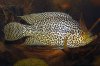
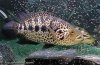
What is the difference between the first picture and the second? Is the first one a breeding color? Is it cause its male? DO they only have that color when theyre adult? So confused :[
3097517573_a8610f2bc0.jpg

jaguarcichlid.jpg
 
Adult males look like the Jag pictured on the top. When they are stressed, breeding, or going into an aggressive mood they get those black markings down their sides....Sometimes they are like black bars that go from dorsal fin to the bottom of their bodies. My 15 inch male gets those spots and lines when he eats and when he chases other fish.....
 
well there both natural, there like majority of all chiclids they change color according to mood and disposition but the males as they mature look like the top pic and females look like the bottem unless the male is stressed as said above.
 
The pattern distinctness will depend on the individual but generally they have more defined patterns as they get older. It also becomes more stable with size and age.
For sexing, males will have a much darker defined pattern throughout the unpaired fins and lower gill plates.
Females will usually show a lighter, more even drab appearance in the unpaired fins with often little pattern to the lower gill plates and often have much more baring down the flanks.
 
My jag could look like that mottled first pic...unless he was aggressive, breeding or eating. Personally, I regret breeding my jag since he would mostly look like your second pic with extra black/lines...I'd rather he swam around all mottled...

Bottom line is all fish have their own personalities and moods.
 
greenterra;4080093; said:
The pattern distinctness will depend on the individual but generally they have more defined patterns as they get older. It also becomes more stable with size and age.
For sexing, males will have a much darker defined pattern throughout the unpaired fins and lower gill plates.
Females will usually show a lighter, more even drab appearance in the unpaired fins with often little pattern to the lower gill plates and often have much more baring down the flanks.


Good info, GT! I've been wondering myself on sexing these.This explains it better than most articles I've read!
 
MonsterFishKeepers.com
