I've read posts here regarding CO2 requirements in aquarium and have few questions. Appreciate if I can get some input.
1.When there is surface agitation or air bubbling, O2 is said to get dissolved in water. But surface agitation is not recommended for to preserve the CO2 in water. What is the difference? When we bubble air through water doesn't CO2 get dissolved in water, same as O2?
2. Fish add CO2 to water through their breathing, is that correct?
3. From what I read in this forum, water changes is a source of CO2 in to water? How? If the tap water gets CO2 from air the tank water which is exposed to air should get the same amount of CO2, isn't it?
4. The aquarium (without a hood) is similar to an outside natural pond regarding CO2 supply (both are just open to the atmosphere). So why would an aquarium need CO2 injection and a natural pond does not?
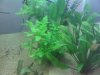
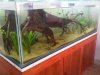
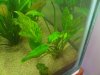
I have a 220g tank with plants. I understand the CO2 requirement of plants and want to maximize its availability to plants without CO2 injection.
1.When there is surface agitation or air bubbling, O2 is said to get dissolved in water. But surface agitation is not recommended for to preserve the CO2 in water. What is the difference? When we bubble air through water doesn't CO2 get dissolved in water, same as O2?
2. Fish add CO2 to water through their breathing, is that correct?
3. From what I read in this forum, water changes is a source of CO2 in to water? How? If the tap water gets CO2 from air the tank water which is exposed to air should get the same amount of CO2, isn't it?
4. The aquarium (without a hood) is similar to an outside natural pond regarding CO2 supply (both are just open to the atmosphere). So why would an aquarium need CO2 injection and a natural pond does not?
I have a 220g tank with plants. I understand the CO2 requirement of plants and want to maximize its availability to plants without CO2 injection.