

Neoarius graeffei (?)

  • We are currently upgrading MFK. thanks! -neo

Xeno

Aimara
MFK Member
Sep 1, 2014
472
568
130
30
Germany
Hey,
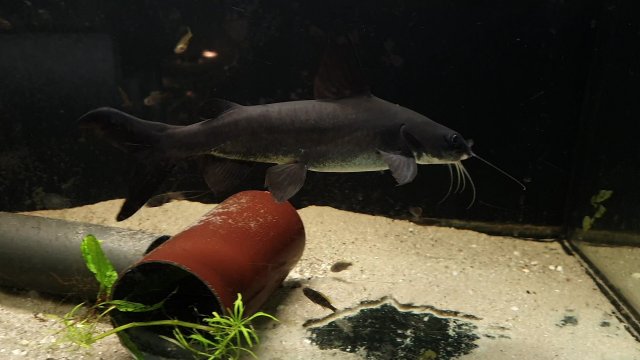
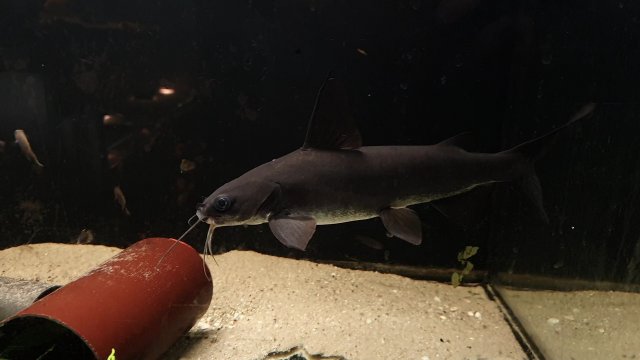
I recently purchased a Neoarius which is currently in a quarantine tank.
It was supposed to be 3in long but is over 8in.
It was supposed to eat bloodworms but only eats smelt.
So the info the importer gave me were not correct and because of this I just want to make sure the species id was right at least.
VideoCapture_20230813-063219.jpg

VideoCapture_20230813-063157.jpg
 
  • Like
Reactions: thebiggerthebetter
I'd say graeffei.
Defiently not berneyi.
Not Midgleyi.

They take pretty easily to dry foods in my experience. My trick with WC natives is to just starve them, put in some fish large enough that they can't eat, then only feed dry. Works well on most fish, except eels and mouth almighty.
 
Hey,
Thanks!
I am currently trying to get it to eat some pellets but the main food will still be smelt.
I posted the same question on planetcatfish and one guy in the replies stated that N.graeffei grows to up to 80cm.
I couldn't find any confirmation for this claim and every source states a max. size of 24in with them usually staying smaller than that.
I am a little confused now.
My tanks could handle a semi-active catfish around the 20in mark but 30in+ would be a pass on the long run.
 
Hey,
Thanks!
I am currently trying to get it to eat some pellets but the main food will still be smelt.
I posted the same question on planetcatfish and one guy in the replies stated that N.graeffei grows to up to 80cm.
I couldn't find any confirmation for this claim and every source states a max. size of 24in with them usually staying smaller than that.
I am a little confused now.
My tanks could handle a semi-active catfish around the 20in mark but 30in+ would be a pass on the long run.
Graeffei get pretty big. They can grow over 60cm. Sciades leptapsis get over 80,
Also graeffei aren't semi active. These dudes are constantly swimming around the tank like sharks
 
Hey,
only in the wild or even in captivity?
It's quite hard to find some infos by people who have kept them longterm.
All of these sources state a size of up to 60cm in length:

With the world record being 81cm:

But I don't expect most fish to get even close to the world record sizes.
So what size should I realistically expect?
My plan was to keep it in my 180x80 tank and sell it if it grows past 50cm.
 
  • Like
Reactions: thebiggerthebetter
Very good question. When I started keeping Colombian shark cats they were reported to grow over 60cm. Now they are reported to only reach 35 cm. However when I rehomed my trio they were all almost 16”.
There are a very large number of sea cats and identifying them correctly is certainly not easy. This then makes working out adult size very difficult.
I would suggest with many/most you should set up for a 2 ft fish with potential for it to exceed this noting that most will also be trying to get to brackish or sea water at that size.
 
  • Like
Reactions: thebiggerthebetter
I would expect it to beat least 45-60 cm, but could grow more.
There is a couple accounts of people keeping graeffei on the Queensland fish forum.
Very good question. When I started keeping Colombian shark cats they were reported to grow over 60cm. Now they are reported to only reach 35 cm. However when I rehomed my trio they were all almost 16”.
There are a very large number of sea cats and identifying them correctly is certainly not easy. This then makes working out adult size very difficult.
I would suggest with many/most you should set up for a 2 ft fish with potential for it to exceed this noting that most will also be trying to get to brackish or sea water at that size.
Neoarius are primarily freshwater species. The fish farms breed them in freshwater ponds.
 
Neoarius are primarily freshwater species. The fish farms breed them in freshwater ponds.
Very happy to be corrected but I thought that Whilst many Neoarius are potadromous, freshwater migrators, I believe that there are still a number that migrate potentially to brackish or even marine conditions and N.graeffei is one of those.
Brings up the question that if a fish is found to migrate to brackish or salt but can live in fresh, should we keep it always in fresh? Especially if it is happy enough to breed in fresh.

is that natural breeding do you know or hormone induced?

assume N.graeffei would need intervention in the form of collection of eggs from the ponds as it is not a mouth brooder like the others so parents couldn’t be caught and stripped of young.
 
Very happy to be corrected but I thought that Whilst many Neoarius are potadromous, freshwater migrators, I believe that there are still a number that migrate potentially to brackish or even marine conditions and N.graeffei is one of those.
Brings up the question that if a fish is found to migrate to brackish or salt but can live in fresh, should we keep it always in fresh? Especially if it is happy enough to breed in fresh.

is that natural breeding do you know or hormone induced?

assume N.graeffei would need intervention in the form of collection of eggs from the ponds as it is not a mouth brooder like the others so parents couldn’t be caught and stripped of young.
100%. I feel like most Australian fish can live with high salt because they have only recently come into fresh. (Besides Saratogas and Lungfish).

The breeding is natural. Also I'm 90% sure Graeffei are mouthbrooders
 
MonsterFishKeepers.com
