

I have recently purchased a 130 gallon pond. It is 5.75 feet in length, 4 ft at its widest and 3 feet at its least widest, and is 1.75 feet deep. I live in Northern/Central California, so the temp outside is low 40s on the coldest night of winter. I wanted to know if there were any kinds of cichlids, such as oscars or convicts that can live in it. Thanks
Outdoor pond
- Thread starter fishkeeper170
- Start date
You are using an out of date browser. It may not display this or other websites correctly.
You should upgrade or use an alternative browser.
You should upgrade or use an alternative browser.


Any idea how many watts the heater would need to be? Also how much would it cost a month to run a heater?
heaters are rather literal in their ratings 300watts of heat = 300 watts of usage. for 2 of them you're looking at a continuous run of 600 watts. So .6kwh (kilowatt hours) x 24 hours x 30 days = 432kwh per month. Multiply that by your kwh rate from your utility company to get the cost. National average is around 12 cents a kwh but power is usually more expensive on the coasts (16-20 cents a kwh depending). By the national average you're looking at 52$ a month. Looks like california sits at around 16cents a kwh though so you're looking at around 70$ a month in your area.
Now you likely won't have to run them in the summer time so long as your average temperature stays above 70. Judging by Sacramento, you're looking at 8 months a year running the heaters or an average of 560$ over the course of the year for the heaters.
http://www.weather.com/weather/wxclimatology/monthly/graph/USCA0967
you wouldn't have to run the heaters in June, July, August, or September. But you would the rest of the year. In spring/autumn just the heaters should be fine, but in winter specifically November, December, January, and February you would need an insulated pond cover to go along with the heaters.
you could also throw the cover on during the spring/fall months and only use 1 heater which would save power and drop it down to 35$ for those 4 months though obviously this inhibits viewing but you'd probably be fine if you just threw the cover on at night as the day temps + the 300w at night would be fine.
you would need to closely monitor pond temp and experiment around with it for the first year. Once you've found a balance of cover + heater you'll likely only chew up about 300$ a year in heating the pond. It's not too bad imo. Though you could look into solar pool heaters.
http://www.intheswim.com/Pool-Equipment/Solar-Pool-Heaters/Solar-Heating-Systems/
if you can get it to properly regulate temps it would be cheaper in the long run.
Now you likely won't have to run them in the summer time so long as your average temperature stays above 70. Judging by Sacramento, you're looking at 8 months a year running the heaters or an average of 560$ over the course of the year for the heaters.
http://www.weather.com/weather/wxclimatology/monthly/graph/USCA0967
you wouldn't have to run the heaters in June, July, August, or September. But you would the rest of the year. In spring/autumn just the heaters should be fine, but in winter specifically November, December, January, and February you would need an insulated pond cover to go along with the heaters.
you could also throw the cover on during the spring/fall months and only use 1 heater which would save power and drop it down to 35$ for those 4 months though obviously this inhibits viewing but you'd probably be fine if you just threw the cover on at night as the day temps + the 300w at night would be fine.
you would need to closely monitor pond temp and experiment around with it for the first year. Once you've found a balance of cover + heater you'll likely only chew up about 300$ a year in heating the pond. It's not too bad imo. Though you could look into solar pool heaters.
http://www.intheswim.com/Pool-Equipment/Solar-Pool-Heaters/Solar-Heating-Systems/
if you can get it to properly regulate temps it would be cheaper in the long run.
You must love fish. My advice would be to consider the heating bills first. One question how do you view your fish in the outdoors?

If you want cichlids, but not the heating cost and hassle, many species from Uruguay and other southern South American countries can handle those fluctuations.
I keep the Uruguayans of the genus Gymnogeophagus, Australoheros and Crencichla in outdoor ponds in Milwaukee spring through fall outside, where water temps easily fall into the low 40s.
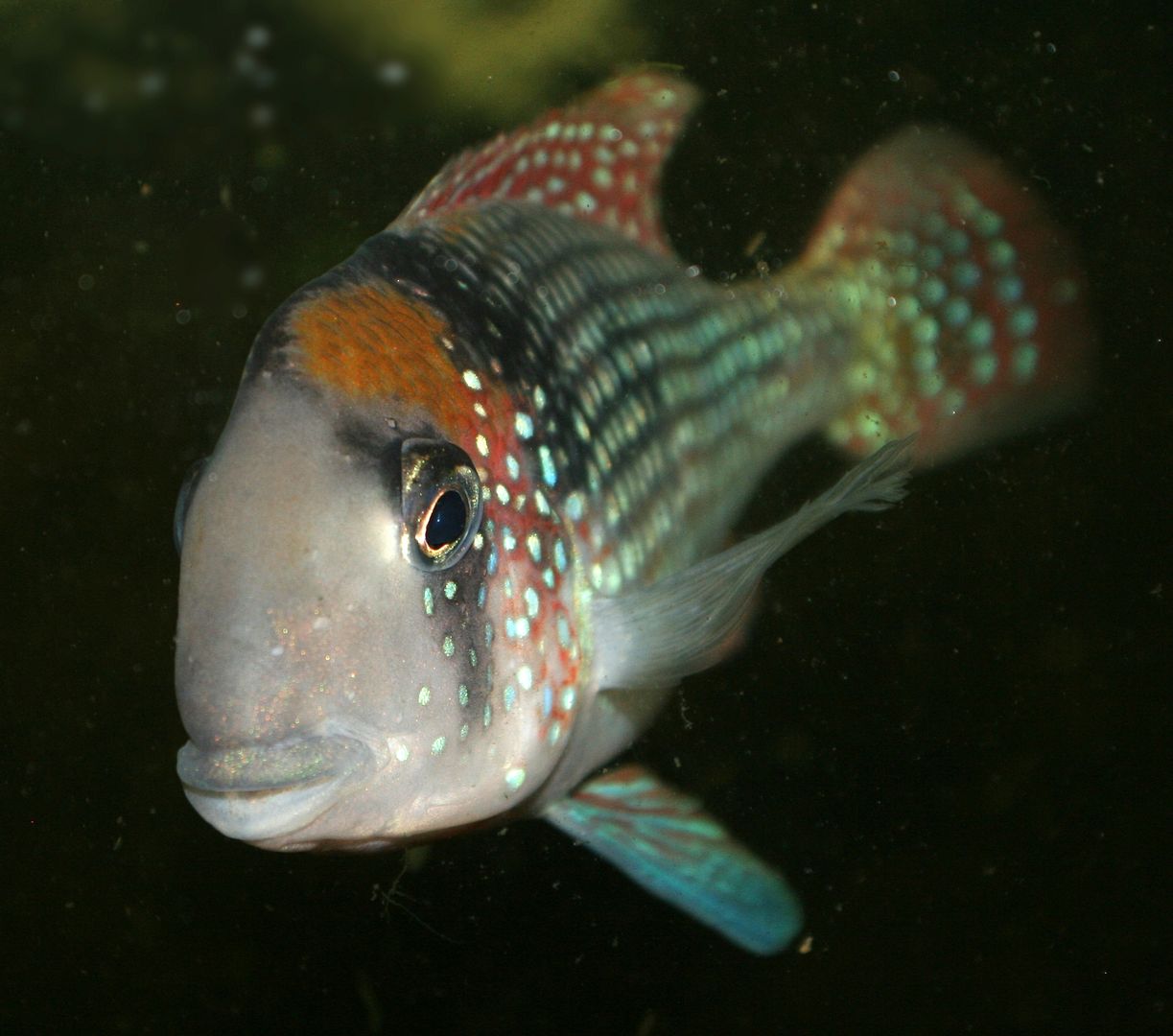
But as ManuelPeyton implied, the color patterns that make cichlids beautiful as seen from the side, in a tank, are often excellent camouflage as seen from above. Many of the predators cichlids face in nature, are birds.
The bright iridescent scales easily seen in aquaria, often obscure cichlids by blending in with the ripples and reflection of sunlight, to make the cichlid invisible unless in the perfect viewing position.
Gymnogeophagus quilero
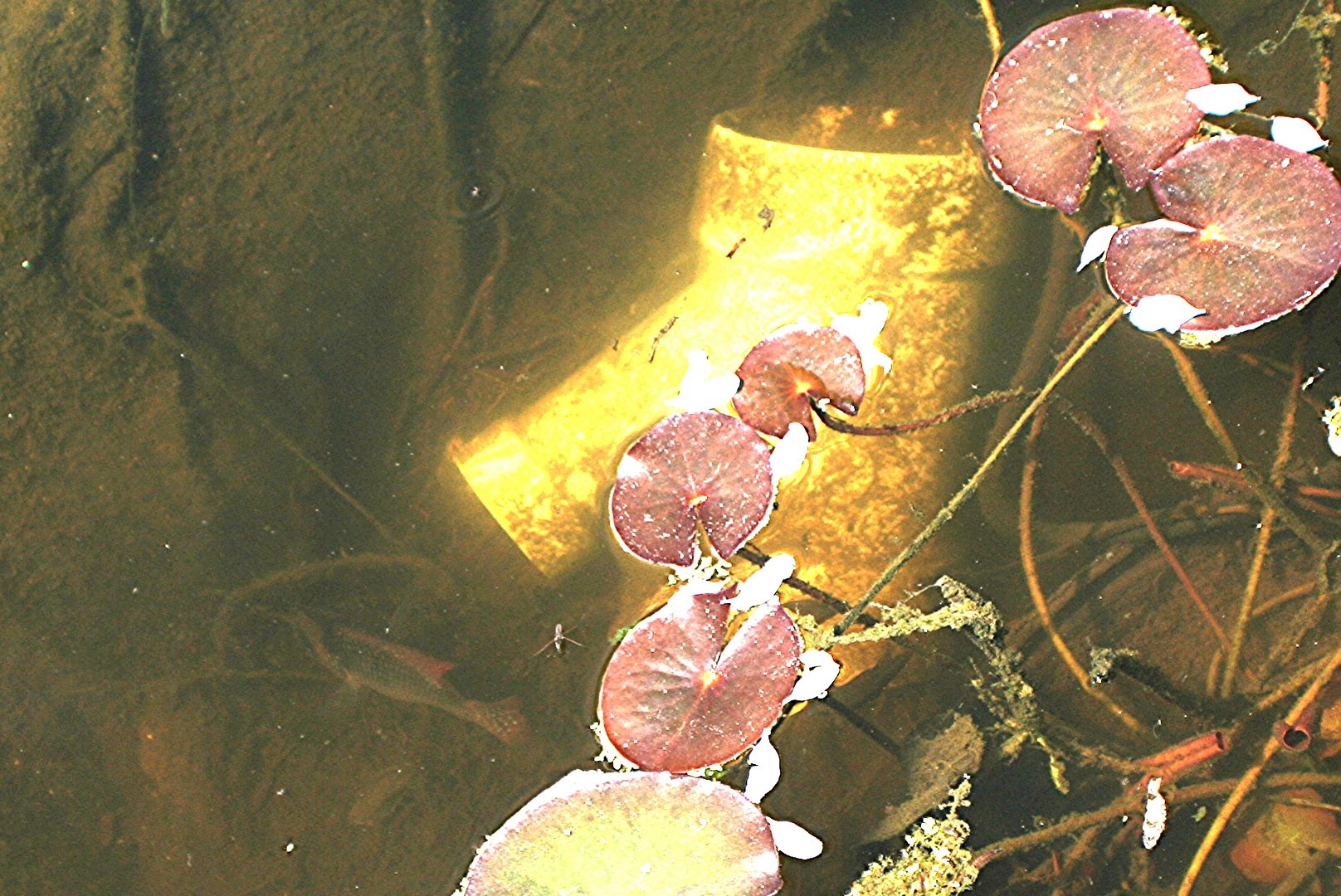
Australoheros "red ceibal


I had to torque the contrast and light values of the pond photos to make the cichlids stand out in the pics, when using natural light the fish in the pics when much harder to see.
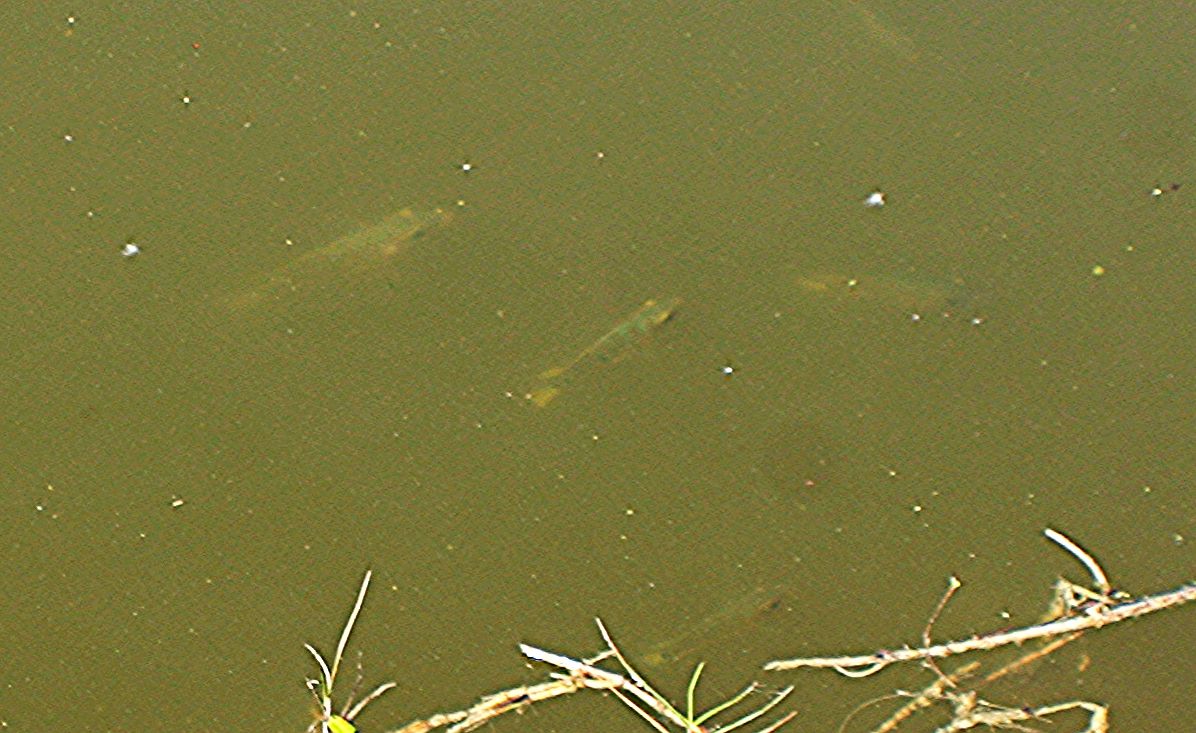
Even the colors of oscars tend to help them disappear in nature, here is a pond with thousands of them I saw last year in the Everglades.
I keep the Uruguayans of the genus Gymnogeophagus, Australoheros and Crencichla in outdoor ponds in Milwaukee spring through fall outside, where water temps easily fall into the low 40s.
But as ManuelPeyton implied, the color patterns that make cichlids beautiful as seen from the side, in a tank, are often excellent camouflage as seen from above. Many of the predators cichlids face in nature, are birds.
The bright iridescent scales easily seen in aquaria, often obscure cichlids by blending in with the ripples and reflection of sunlight, to make the cichlid invisible unless in the perfect viewing position.
Gymnogeophagus quilero


Australoheros "red ceibal


I had to torque the contrast and light values of the pond photos to make the cichlids stand out in the pics, when using natural light the fish in the pics when much harder to see.
Even the colors of oscars tend to help them disappear in nature, here is a pond with thousands of them I saw last year in the Everglades.

