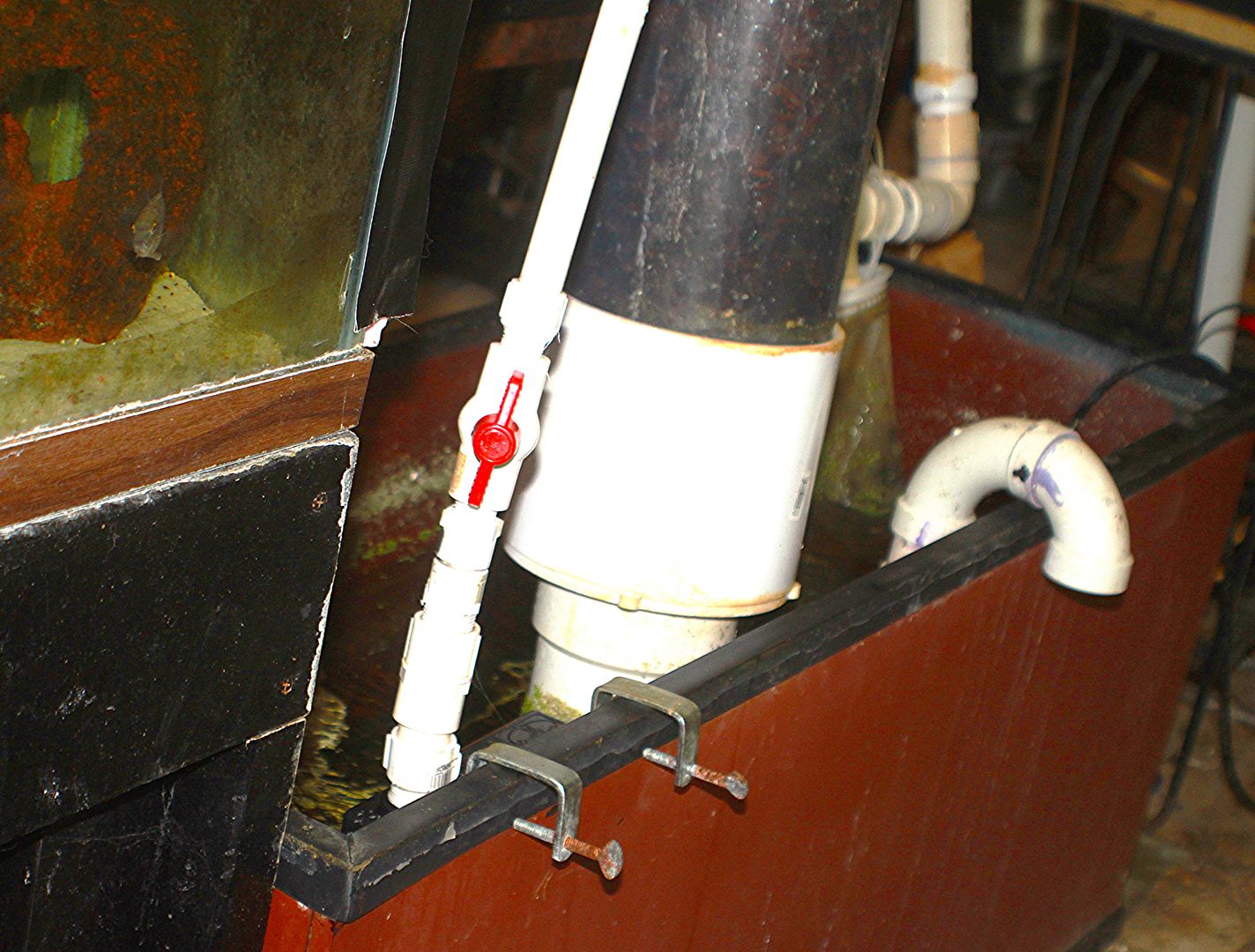
A sump is not really a filter.
It is a box where you put stuff. Filtration stuff, heaters, pumps, the stuff you don't want to look at in your main tank.
And there are many ways to set it up, you need to decide, dependent upon what you want it to do.
Some people divide them into compartments, some don't, I don't.
I use filter socks, and put biological media in mesh bags, and put them in the sump, for ease of maintenance.
Filters are only as good as how to how clean they are, this goes for mechanical, as well as biological media. A sump often makes maintenance easier than canisters and such.
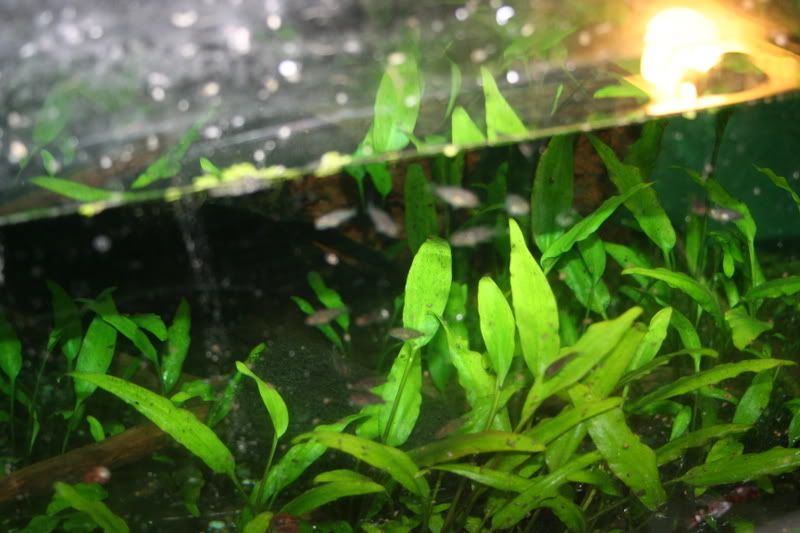
I have some sumps that are refugiums that contain plants, and lower animals, to help lower nitrates, and break down metabolism by-products.
As far as ease of set up, you will need to do your homework, there are tons of set up tips in the filtration, and DIY section.
And as far as cost, that depends on your DIY fortitude. I have used old barrels, old tanks, and inexpensive PVC for the construction of sumps. The biggest cost for me is always just the pump.
Most sumps use gravity to have water flow from the tank to the sump, and a pump to send water to the tank. BUt sumps don't need to be below the tank, they can be above it, in another room, or even on another floor.
A friend had his sump in a cool basement to hold temp down, while the main tank was on the first floor, also, that way, most of the pump noise and water movement sound was away from the room the tank was in.
There are dozens of ways to set up a sump, it's all to do with what you want to do.
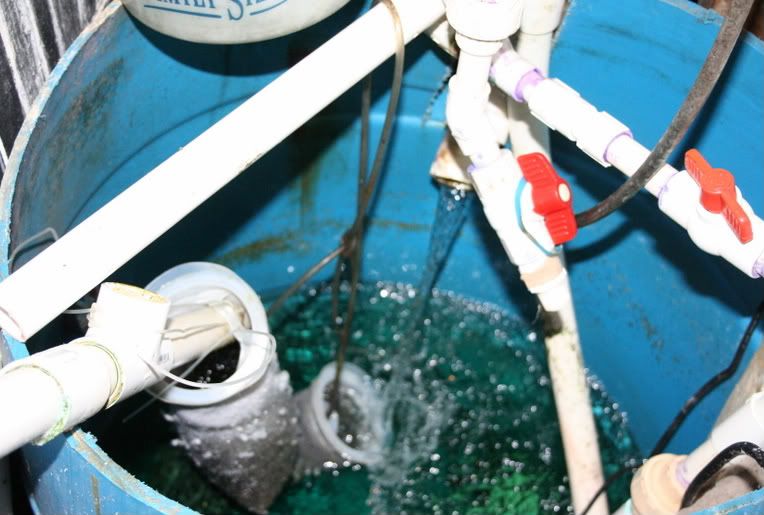
My barrel sump
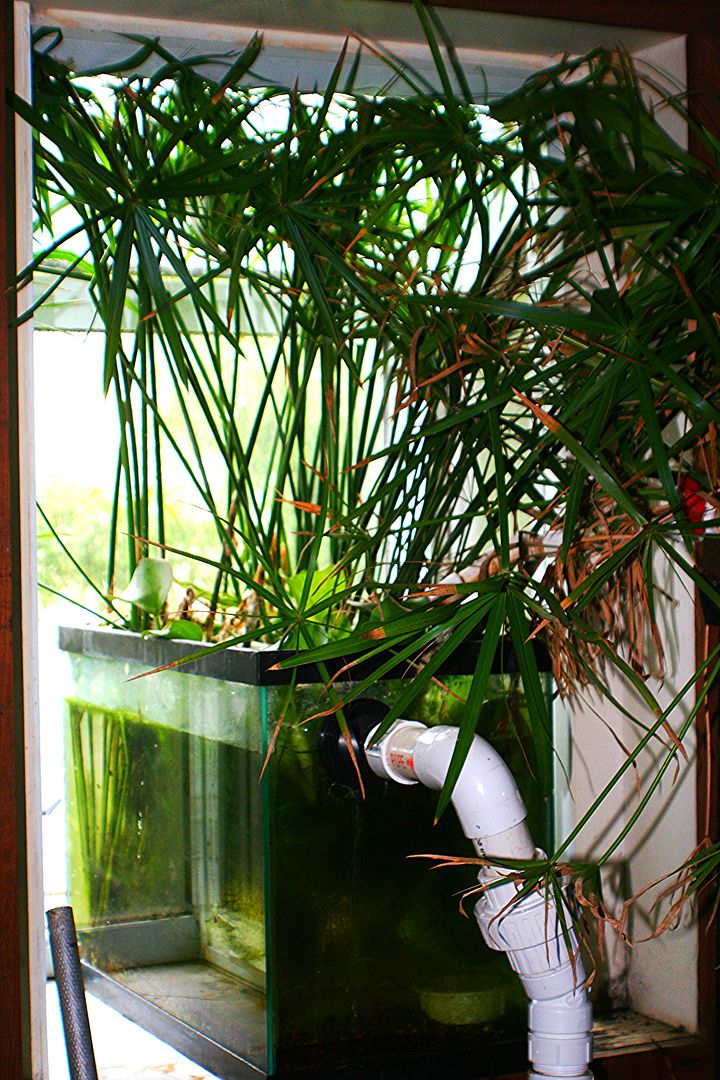
a planted sump, above a mian tank
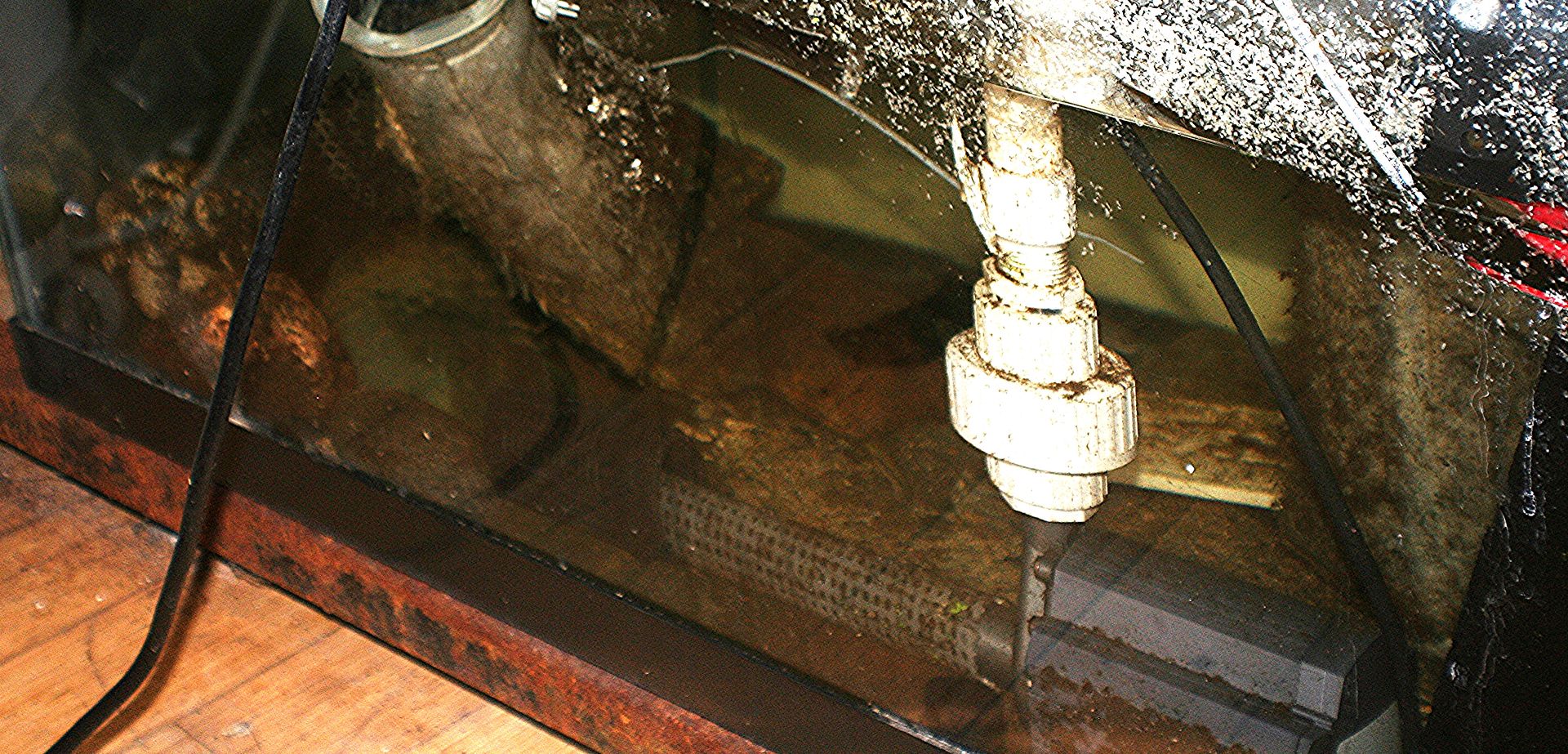
a sump just for gear
another planted refugium sump
a sump set off to the side, with a bio tower for biofiltration