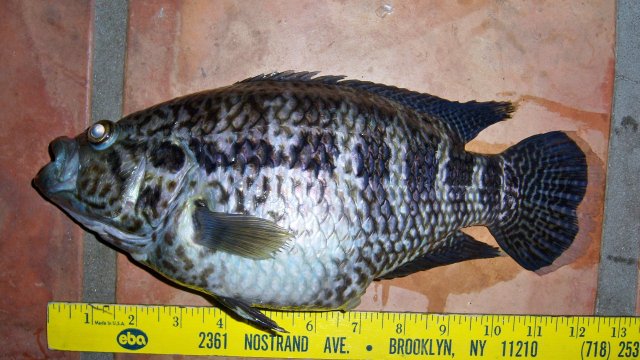
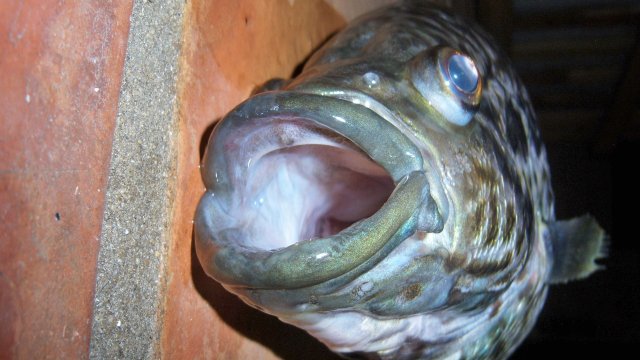
Vicious strain of duck lips

  • We are currently upgrading MFK. thanks! -neo

eyespot

Piranha
MFK Member
Mar 17, 2007
195
104
76
Williamstown, MA
Have you tested your water?
No
If I did not test my water...
  1. ...I recognize that I will likely be asked to do a test, and that water tests are critical for solving freshwater health problems.
Do you do water changes?
Yes
If I do not change my water...
  1. ...I recognize that I will likely be recommended to do a water change, and water changes are critical for preventing future freshwater health problems.
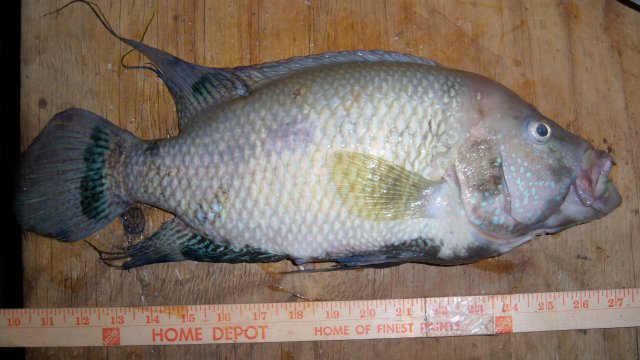
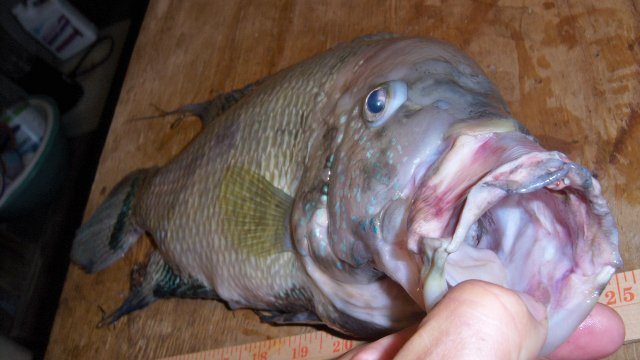
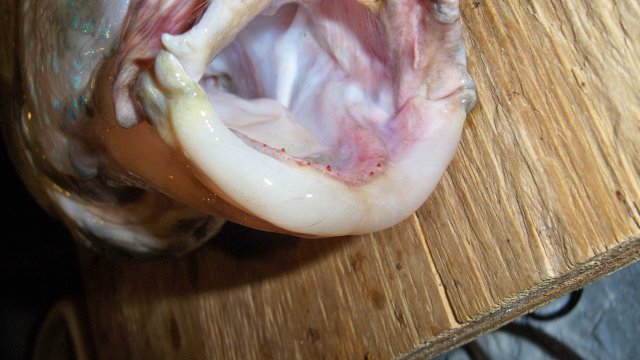
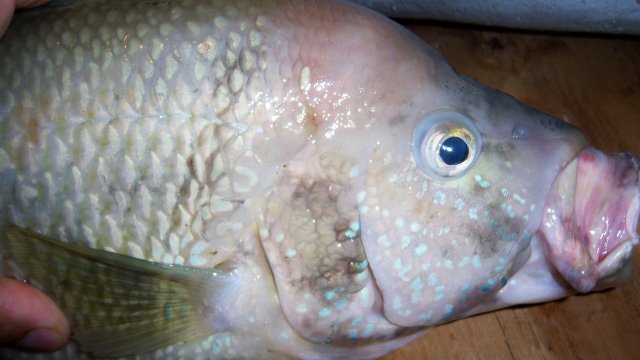
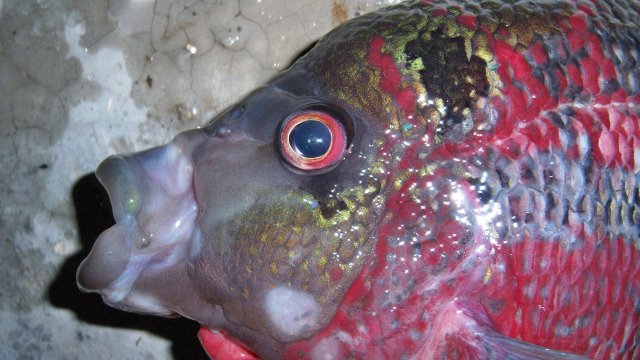
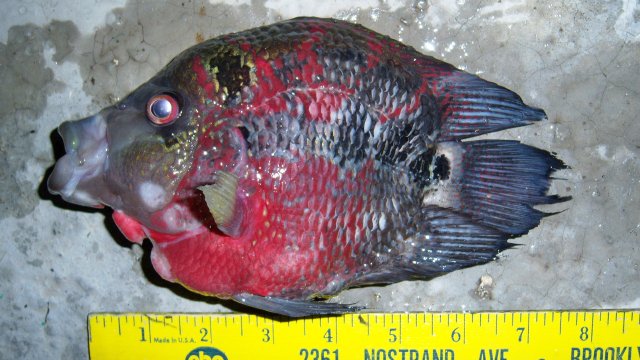
About two weeks ago I lost a red Texas male to a vicious case of duck lips that killed him within 4 to 5 days after I first noticed his lips were slightly swollen. By the second day his jaw was distended and I thought maybe he had broken his jaw and by the third day almost all the flesh had rotted away from his lips and mouth. At the time I didn’t know what it was so I treated it with salt and Paragard to cover my bases. The female and barbs and pleco were all fine so I thought that was the end of the matter but now it’s a couple weeks later and the female is sick. I immediately started treating her with Amoxicillin but it’s been a little over two days and the disease is taking the same quick nasty course. I’ve read that some strains of duck lips are more lethal than others so should I euthanize her now so she doesn’t experience the same painful death as the male as the male? Also all of my other fish in both my tanks haven’t been affected. I read this is disease that affects primarily flower horns so should I be overly worried about my other CA cichlids, barbs, plecos, and pims? Thanks for any advice.C821785E-A61B-4436-A696-150C38B7843B.jpeg
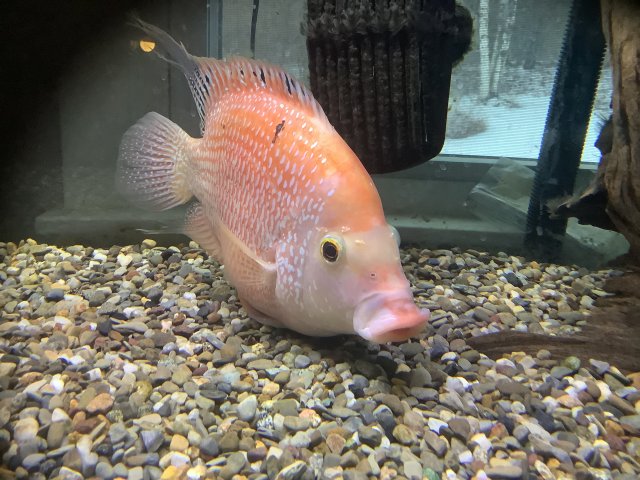
 
It can affect your Centrals. Depending on the strain, certain antibiotics works. Salt has been used to slow the progression as well as lowering the temperature to the mid 70s (F). The first combo to try is typically try gram negative antibiotics, Seachem Kanaplex and API Furan-2. Furan-2 is harder to get nowadays, you could try a sulfa based antibiotic like API Triple Sulfa. Paraguard is way too weak to battle duck lips.

Strains that kill within 48 hours are typically harder to treat.
 
  • Like
Reactions: kno4te
About two weeks ago I lost a red Texas male to a vicious case of duck lips that killed him within 4 to 5 days after I first noticed his lips were slightly swollen. By the second day his jaw was distended and I thought maybe he had broken his jaw and by the third day almost all the flesh had rotted away from his lips and mouth. At the time I didn’t know what it was so I treated it with salt and Paragard to cover my bases. The female and barbs and pleco were all fine so I thought that was the end of the matter but now it’s a couple weeks later and the female is sick. I immediately started treating her with Amoxicillin but it’s been a little over two days and the disease is taking the same quick nasty course. I’ve read that some strains of duck lips are more lethal than others so should I euthanize her now so she doesn’t experience the same painful death as the male as the male? Also all of my other fish in both my tanks haven’t been affected. I read this is disease that affects primarily flower horns so should I be overly worried about my other CA cichlids, barbs, plecos, and pims? Thanks for any advice.View attachment 1487284

Unfortunately it's highly contagious and will eventually effect all the fish eventually.
I suggest not to add any more fish. The aquarium and filter and equipment you use needs to be disinfected throw substrate away.
 
  • Like
Reactions: kno4te
Thanks. That’s rough. On the bright side of been looking forward For a reason to switch out to sand.
 
One of the things I've noticed, if northern Central Americans (Mexican) are kept too warm, year round, they become very susceptible columnaris.
Northern cichlids like Herichthys (Nosferatu) complex (Texas type) Mayaheros beanii need a bit of a seasonal cooldown, not drastic, but low 70s high 60s, helps.
My first M. beanii developed columnaris during a summer heat wave where water temps jumped into the 80s, all 3 adults died within a couple weeks, it seem the bacteria is most virulent at water temps about 82'F. Although once established in a tank, no matter the temp, it can run ramped.
https://hosting.photobucket.com/alb...s/005-1.jpg?width=450&height=278&crop=fillThe
Luckily they were in QT tank, so after they died I sanitized the entire tank, and equipment with bleach to rid it of the bacteria, the bacteria can remain inert in a small smudge of dry dirt, only to be awakened when wet
The next time I tried beanii, I kept them without heaters, at room temps in the low 70s, and they were healthy, and spawned at those lower temps..
Below female beanii with fry in the same tank as the thermometer above.
https://hosting.photobucket.com/alb...hres/083-1.jpg?width=450&height=278&crop=fill
I have also used this "no heater/temp approach" with other northern Mexican cichlids like Herichthys carpintus
 
I clicked on this thread because the "duck lips" reminded me of some losses we had.

I am ignorant of this but we might have had and still have perhaps a similar pathogen, about which Duanes (thank you so much!!) offered a similar diagnosis and thoughts 4 years ago when we lost our 1.5ft umbee.

IDK if it is the same, because my two examples didn't show the rotting away of the lips and flesh (unless I did recognize it), that Eyespot is mentioning, but both had badly swollen lips and perished in roughly a week or maybe longer.

The relatively young umbee we lost 4 years ago and an old, short body flowerhorn just last month. Both in the same water system. We lost a LOT, hundreds of other fish in this system over the last 4 years, most involved some degree or a lethal degree of swollenness over the whole body. Duanes' thought mad me ponder if a good portion of this was due to this pathogen (columnaris or whatever it is).

This all started occurring in 2018 after we introduced apparently undertreated and under-QT'ed fish from the wild.

4 years ago Duanes also was concerned with our water being too warm. Our water temp changes seasonally, from 85-90F when it's warm to 72-78F when it's cool.

...

I don't mean to highjack this thread. Please answer EyeSpot's query first. If my contribution gets to be too much, I will split it off into its own thread.

...


Umbee, 2018:

Cichlid, umbee 2.JPGCichlid, umbee 3.JPGCichlid, umbee 4.JPGCichlid, umbee 5.JPG


FH, 2022:

100_0045.JPG100_0047.JPG


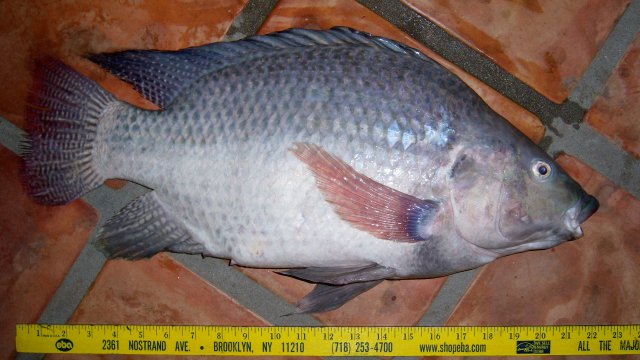
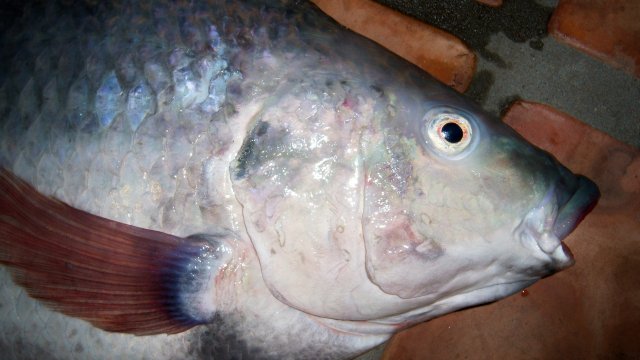
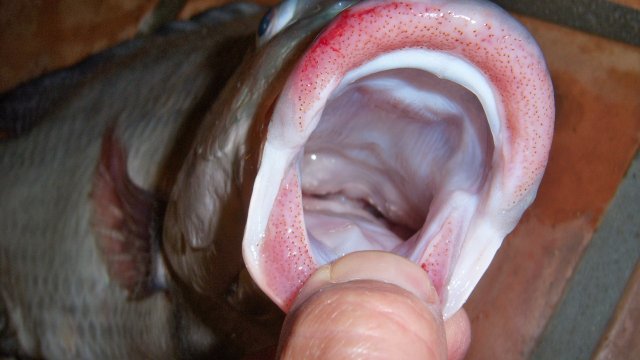
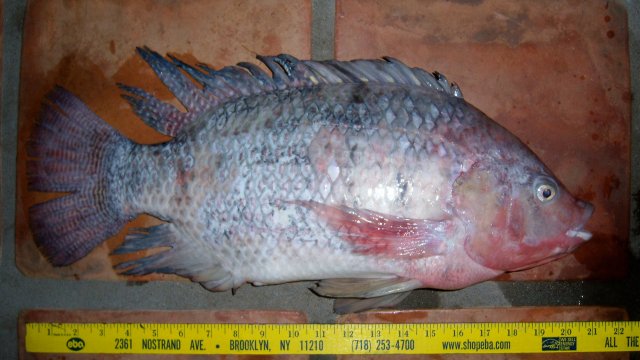
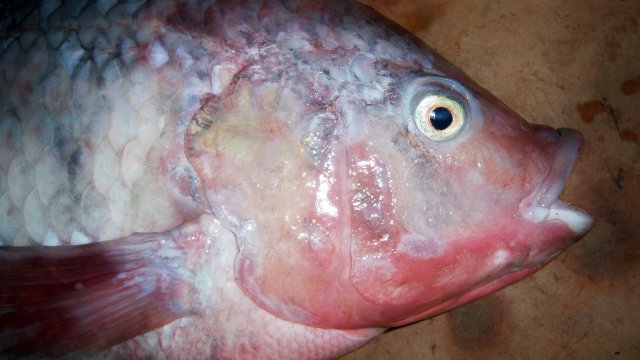
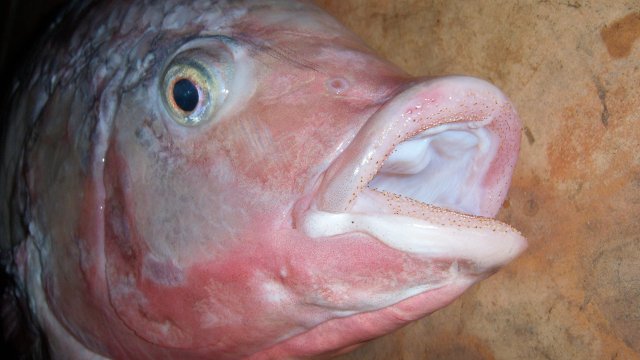
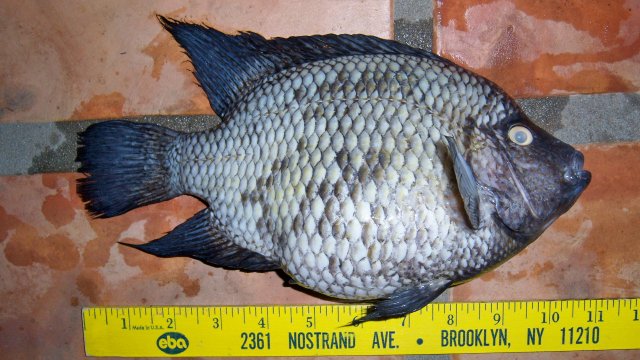
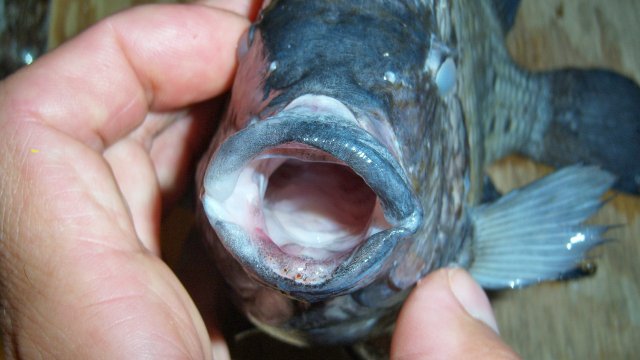
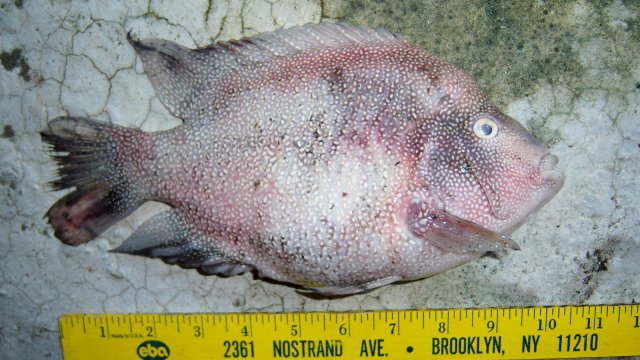
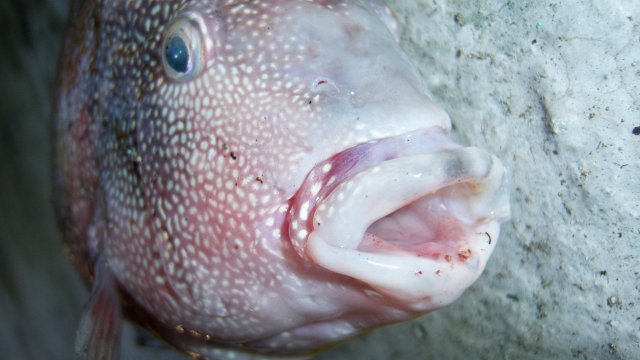
We had a couple of tilapia losses too one year ago, 2021, where lips looked enlarged to me. These tilapia, Blue and Nile, were some of the wild fish hastily treated and introduced in 2018 that I mentioned above. They might have lived out their natural lifespan, which is short, under 10 years, so the cause of death here I am less certain about.

Blue, 2021:

Cichlid tilapia blue1 1.JPGCichlid tilapia blue1 2.JPGCichlid tilapia blue1 4.JPG


Red Nile, 2021:

Cichlid tilapia nile1 1.JPGCichlid tilapia nile1 2.JPGCichlid tilapia nile1 4.JPG


These two Texas and a jag died from overfeeding, I believe. At least the overfeeding was a huge factor. They too had swollen lips.

Texas 1, 2020:

Cichlid, carpintis-texas 1.JPGCichlid, carpintis-texas 2.JPG


Texas 2, 2021:

Cichlid, carpintis-texas fr Alex 6.JPGCichlid, carpintis-texas fr Alex 8.JPGCichlid, carpintis-texas fr Alex 9.JPG


Jag, 2021:

Cichlid jag1 2.JPGCichlid jag1 4.JPG
 
One of the things I've noticed, if northern Central Americans (Mexican) are kept too warm, year round, they become very susceptible columnaris.
Northern cichlids like Herichthys (Nosferatu) complex (Texas type) Mayaheros beanii need a bit of a seasonal cooldown, not drastic, but low 70s high 60s, helps.
My first M. beanii developed columnaris during a summer heat wave where water temps jumped into the 80s, all 3 adults died within a couple weeks, it seem the bacteria is most virulent at water temps about 82'F. Although once established in a tank, no matter the temp, it can run ramped.
https://hosting.photobucket.com/alb...s/005-1.jpg?width=450&height=278&crop=fillThe
Luckily they were in QT tank, so after they died I sanitized the entire tank, and equipment with bleach to rid it of the bacteria, the bacteria can remain inert in a small smudge of dry dirt, only to be awakened when wet
The next time I tried beanii, I kept them without heaters, at room temps in the low 70s, and they were healthy, and spawned at those lower temps..
Below female beanii with fry in the same tank as the thermometer above.
https://hosting.photobucket.com/albums/i97/dstuer/beanii/fe bean w fry/.highres/083-1.jpg?width=450&height=278&crop=fill
I have also used this "no heater/temp approach" with other northern Mexican cichlids like Herichthys carpintus
Thanks. That’s very useful advice. I only have the heater at 77 but that tank always runs warm. It gets some sunlight from the windows (a cardinal sin I realize) but it’s not direct. Maybe I need to swap out my heater (I think it’s 500 watts) for something with lower wattage(.?) It’s an Eheim that’s only a couple years old so it shouldn’t be malfunctioning. Unfortunately we keep the house at 67 so going without a heater altogether isn’t an option. I’ve been keeping CA/SA cichlids for about 30 years and I’ve never seen anything like this. This is also the first time I’ve kept flower horns/hybrids so maybe I’ll stick with what I know. It’s interesting you bring up the northern cichlid breeds because the only other species I haven’t been able to keep successfully in the long term are two carpentis who also also succumbed to different bacterial infections within a year.
 
  • Like
Reactions: thebiggerthebetter
I clicked on this thread because the "duck lips" reminded me of some losses we had.

I am ignorant of this but we might have had and still have perhaps a similar pathogen, about which Duanes (thank you so much!!) offered a similar diagnosis and thoughts 4 years ago when we lost our 1.5ft umbee.

IDK if it is the same, because my two examples didn't show the rotting away of the lips and flesh (unless I did recognize it), that Eyespot is mentioning, but both had badly swollen lips and perished in roughly a week or maybe longer.

The relatively young umbee we lost 4 years ago and an old, short body flowerhorn just last month. Both in the same water system. We lost a LOT, hundreds of other fish in this system over the last 4 years, most involved some degree or a lethal degree of swollenness over the whole body. Duanes' thought mad me ponder if a good portion of this was due to this pathogen (columnaris or whatever it is).

This all started occurring in 2018 after we introduced apparently undertreated and under-QT'ed fish from the wild.

4 years ago Duanes also was concerned with our water being too warm. Our water temp changes seasonally, from 85-90F when it's warm to 72-78F when it's cool.

...

I don't mean to highjack this thread. Please answer EyeSpot's query first. If my contribution gets to be too much, I will split it off into its own thread.

...


Umbee, 2018:

View attachment 1487289View attachment 1487290View attachment 1487291View attachment 1487292


FH, 2022:

View attachment 1487293View attachment 1487294


We had a couple of tilapia losses too one year ago, 2021, where lips looked enlarged to me. These tilapia, Blue and Nile, were some of the wild fish hastily treated and introduced in 2018 that I mentioned above. They might have lived out their natural lifespan, which is short, under 10 years, so the cause of death here I am less certain about.

Blue, 2021:

View attachment 1487299View attachment 1487300View attachment 1487302


Red Nile, 2021:

View attachment 1487303View attachment 1487304View attachment 1487306


These two Texas and a jag died from overfeeding, I believe. At least the overfeeding was a huge factor. They too had swollen lips.

Texas 1, 2020:

View attachment 1487307View attachment 1487308


Texas 2, 2021:

View attachment 1487309View attachment 1487310View attachment 1487311


Jag, 2021:

View attachment 1487312View attachment 1487313
No, it’s all good. It’s interesting you bring up the swollen body because I have an old school of filament barbs in my other tank and a few months ago the most dominant male became bloated. I treated the tank with Paragard because I had no idea if it was constipation, a parasitic infection, or something bacterial. The strange thing is it’s been months now and otherwise he’s been active and healthy and it didn’t spread to the other fish or tank even though he‘s still as swollen as ever. Maybe there is a link however since I use the same python for both tanks and a pathogen could have easily been transferred to my red Texas pair in the other tank..
 
  • Like
Reactions: thebiggerthebetter
Although columnaris disease has been around forever, and takes many forms (has many symptoms), it became extra prominent with the popularization of FHs, and was once called, "flower horn disease" by some because of its common affliction in FHs.
Whether this had to do with a tandem hybridization in the fish and bacteria caused genetic mutation in the gram negative bacteria, or whether it was the excessive use of antibiotics in trying to get as many FHs to market creating super bugs, is up for debate.
I had never had the disease in my tanks until was brought in by the beanii in 2014, although I've been keeping fish since the late 1950s.
One big problem is that if it has established itself in a system, it doesn't go away until drastic measures are taken. It's ability to go inert even when dry makes it almost indestructible, and has immunity to many antibiotics.
I believe the only way to get it out of an aquarium system, is to bleach everything the infected water has touched.
Airlines, nets, plumbing, decor, filter media, tank tops and tanks, otherwise it has the potential to return with prejudice.
 
Last edited:
  • Love
Reactions: thebiggerthebetter
MonsterFishKeepers.com