Additionally, if I assume based on your nitrate tests that your tank has produced between 60-100ppm of nitrates, that equates to 15-25ppm of ammonia produced in the tank in the first place!!!!
Let's use a simple mathematical calculation....
To reduce 1ppm ammonia to 0.0X ppm where X is a value below 5
Number of water back to back water changes @
70% - 3 water changes
50% - 4 water changes
40% - 6 water changes
25% - 14 water changes
20% - 19 water changes
10% - 29 water changes
To reduce 40 ppm nitrates to a 5 ppm level
70% - 2 water changes
50% - 3 water changes
40% - 4 water changes
25% - 7 water changes
20% - 9 water changes
10% - 19 water changes
In your scenario, to reduce 100 ppm nitrate to 40ppm
70% - 1 water changes
50% - 1.5 water changes
40% - 2 water changes
25% - 3 water changes
20% - 4 water changes
10% - 9 water changes
To reduce 160ppm to 40ppm
70% - 1.5 water changes
50% - 2 water changes
40% - 3 water changes
25% - 5 water changes
20% - 7 water changes
10% - 13 water changes
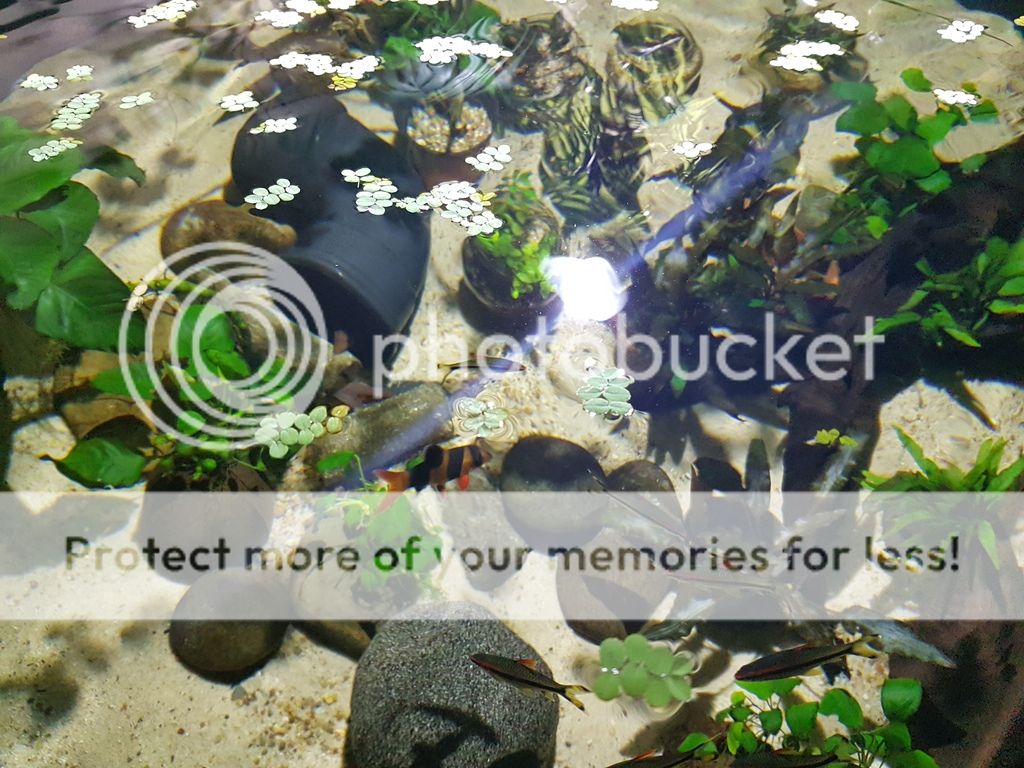
This is a video below from my small pond(not the best one but just serves the purpose). Pay special attention to the floating plants(salvinia) which is nitrogen deficient(old leaves yellowing and dying).
Using floating plants as a measure of available nitrogen is the easiest and most beneficial way. If your floating plants never reach the sorry state as below, your water is rich in nitrogen all the time....
If I don't dose nitrate in my tank, my floaters will eventually die...I do way too many water changes which does not help with the nitrogen demands of plants. But I also have emersed plants which outcompete the floaters for nitrogen...They are absolute nitrogen sponges..
If you keep your tank's water TDS very close to the tap, your plants will suffer. Providing yours has some nitrates, your plants will be a bit healthier(which is a good thing, you want your plants to be relatively healthy to actively keep growing, but not extremely healthy as its a sign of build up...I need to actually dose additional nitrates, and other ferts, due to my water change regime) But I still don't slack on water changes because there's other build up(TDS will tell) that needs removing, not just nitrogen compounds...
With all the lights on in the tank, water is normally crystal clear and smells sweet, good for fish, not so good for plant health but the combination between water changes and floating/emersed plants is a great way to maintain good water quality long term. You want to maintain the plants relatively healthy to keep them actively growing but not looking like they are out of a magazine.....