

Marsh Periwinkles for an avacado Puffer?
- Thread starter Rdurha1
- Start date
You are using an out of date browser. It may not display this or other websites correctly.
You should upgrade or use an alternative browser.
You should upgrade or use an alternative browser.



Just curious if these can be fed to my puffer, Not sure if they suffer from any natural parasites as they are wild and plentiful in the marshes around my location. Any advice or input? Thanks!
 Fat Homer
Usually worth crawfish and snails not tank raised. You freeze then feed. Marsh is super nasty is pass personally and I'm not sure how hard the shell is. If it's like a Malaysian trumpet then it could jack up its beak.
Plenty of better options at the local grocery store
Plenty of better options at the local grocery store
I honestly dont know what perwinkles are, but considering they would be collected from the wild it may not be the best option. Mainly due to the fact you could be introducing some nasty parasites etc into the tank...
Also, as P PYRU mentioned, there are a lot of safer options you can buy from the stores or you could even setup a small 5G tank as a snail breeding farm to feed your puffer...
Hope that helps...
Also, as P PYRU mentioned, there are a lot of safer options you can buy from the stores or you could even setup a small 5G tank as a snail breeding farm to feed your puffer...
Hope that helps...
 Fat Homer
periwinkles are a freshwater snail.
Fat Homer
periwinkles are a freshwater snail.Here in the NC mountains they are plentiful in cold fast flowing streams and rivers. They are usually found grazing on the alga that forms on the smooth stones and rocks.
This is a interesting question. I’ve wondered myself if they could be any harmful things past to aquariums.
I have collected them, as well as the crayfish that can be found in the same streams for feeding fish before. I haven’t ever had any problems.
But, that’s not to say I didn’t put my fish at risk by doing it.
Ahhhhhh okay, so they are a type of snail, thanks for clarifying...
But back to the original question, its always best to be safe rather than sorry with any live feeders / food items, so maybe if you were to collect them, maybe try quarantining them for a while before feeding to be extra safe...
Just also make sure their shells arent super hard like MTS though, as those snails have been known to crack / chip puffers teeth...
But back to the original question, its always best to be safe rather than sorry with any live feeders / food items, so maybe if you were to collect them, maybe try quarantining them for a while before feeding to be extra safe...
Just also make sure their shells arent super hard like MTS though, as those snails have been known to crack / chip puffers teeth...
I always thought they were saltwater.
Here in the NC mountains they are plentiful in cold fast flowing streams and rivers. They are usually found grazing on the alga that forms on the smooth stones and rocks.
This is a interesting question. I’ve wondered myself if they could be any harmful things past to aquariums.
I have collected them, as well as the crayfish that can be found in the same streams for feeding fish before. I haven’t ever had any problems.
But, that’s not to say I didn’t put my fish at risk by doing it.
https://en.m.wikipedia.org/wiki/Common_periwinkle
Fat Homer
That may be correct, the snail that you posted. The OP did say marsh so I would say you are right.What I’m referring to as periwinkles may not be scientifically accurate, or even what the original poster is referring to.
We were told as kids growing up that the small little snails in the creeks and streams were periwinkles. I’m sure this is probably just an area “slang” name and not scientific.
I have made several image searches and this picture is the only thing that looks like what I’m talking about.
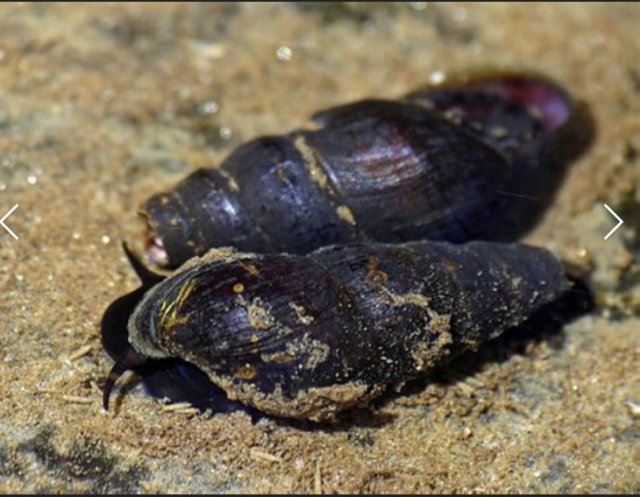


yes they are brackish algae grazing snails, I sometimes collect them and smash the shells to use in my bait traps. The shells are rather hard and thick, was thinking they would be good for wearing down the beak to prevent future dentistry. I was more curious if they would be suspect to carrying parasites or other pathogens that could be harmful to my fish. I agree though the risk is not worth the reward. Sure as hell they make great bait though!!!