Flow rate misconseptions

  • We are currently upgrading MFK. thanks! -neo

duanes

MFK Moderators
Staff member
Moderator
MFK Member
Jun 7, 2007
22,389
29,230
2,910
Isla Taboga Panama via Milwaukee
I get the impression that typical aquarium flow rates and actual riverine flows are vastly misunderstood.
In nature even a slow moving wall of water, the kind most riverine species experience every day during the dry season, is much stronger than what a few airstones, a couple HOB filters, and an average canister produce.
And may be the reason we see much of the aggression in even seemingly social species.
The energy used to cope with day to life in nature doesn’t compare in the average aquarium, and so converts into intra-cichlid aggression.
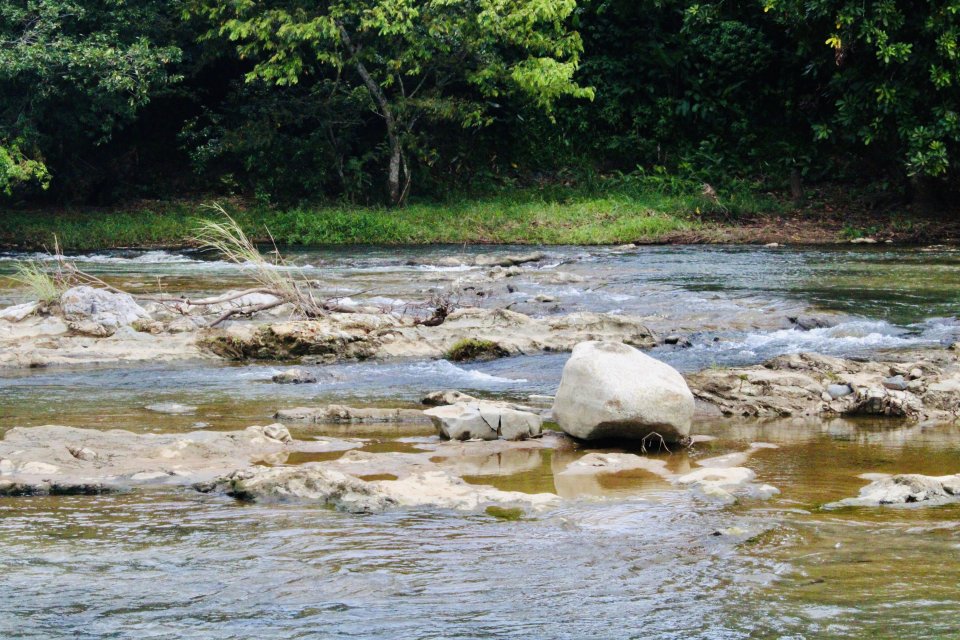
Below are a couple short videos taken during the dry season, showing typical riverine Central American flow rates.


Now a video showing one of the rivers in the same area during th rainy season.


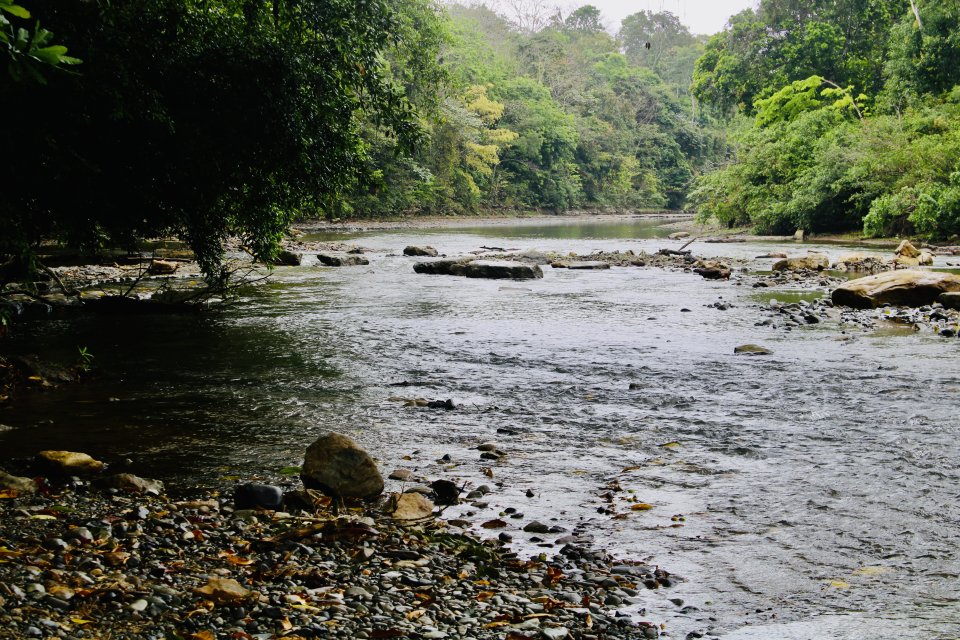
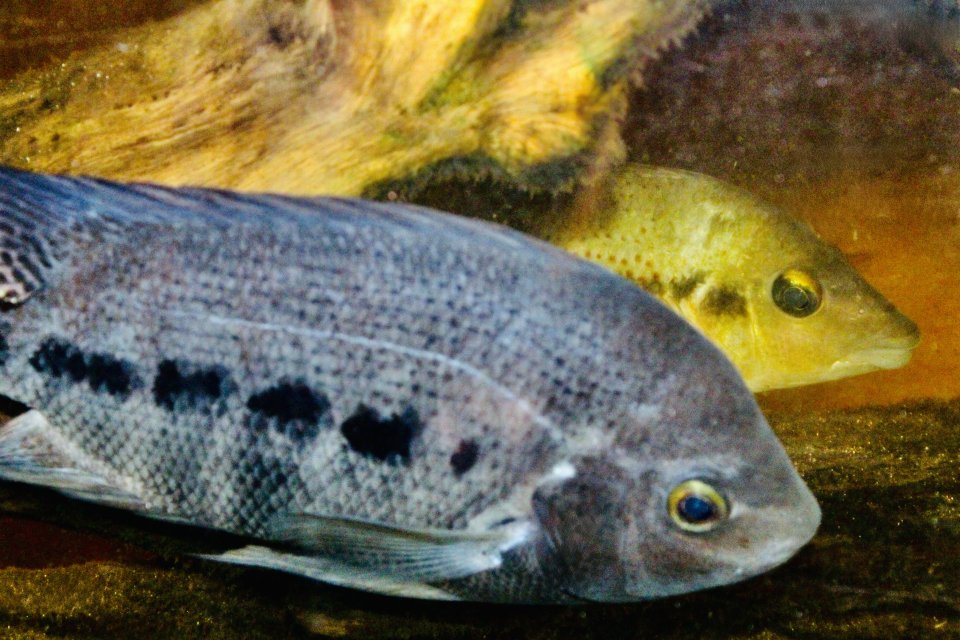
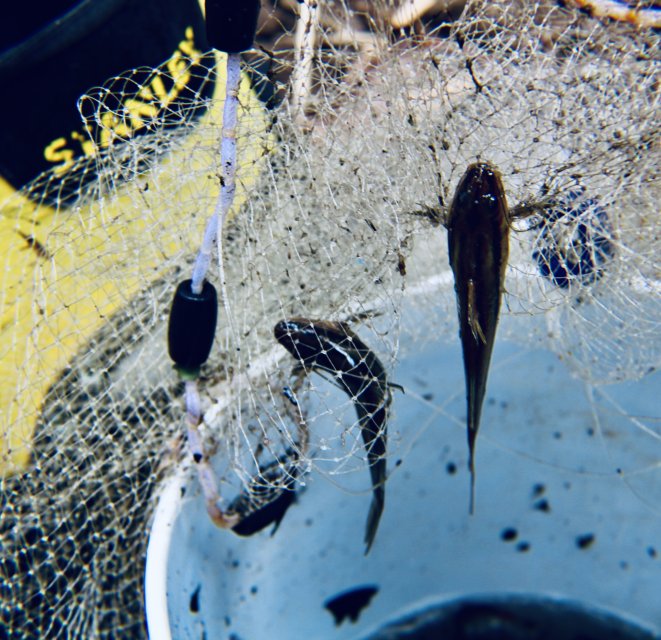
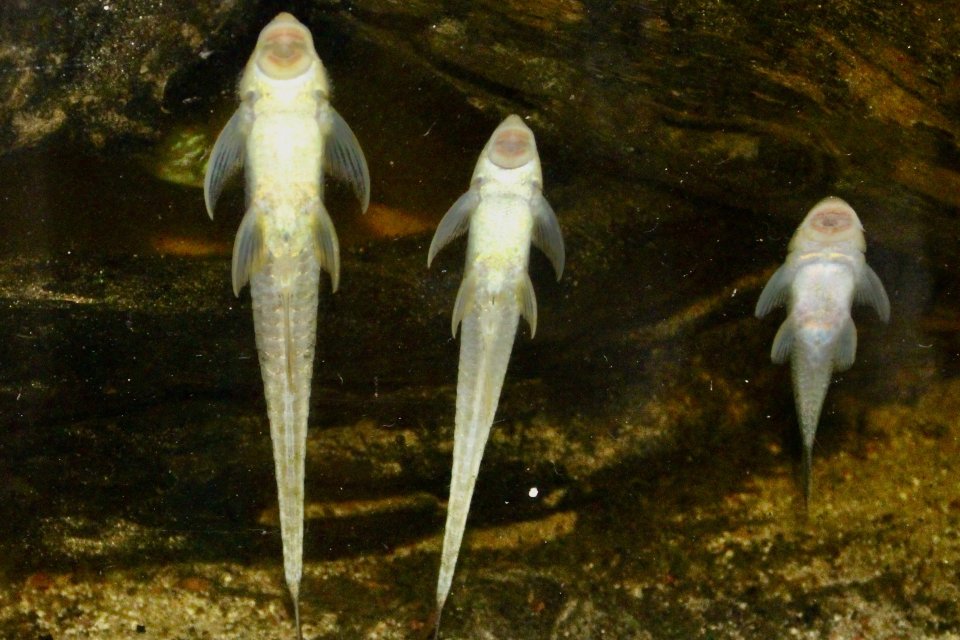
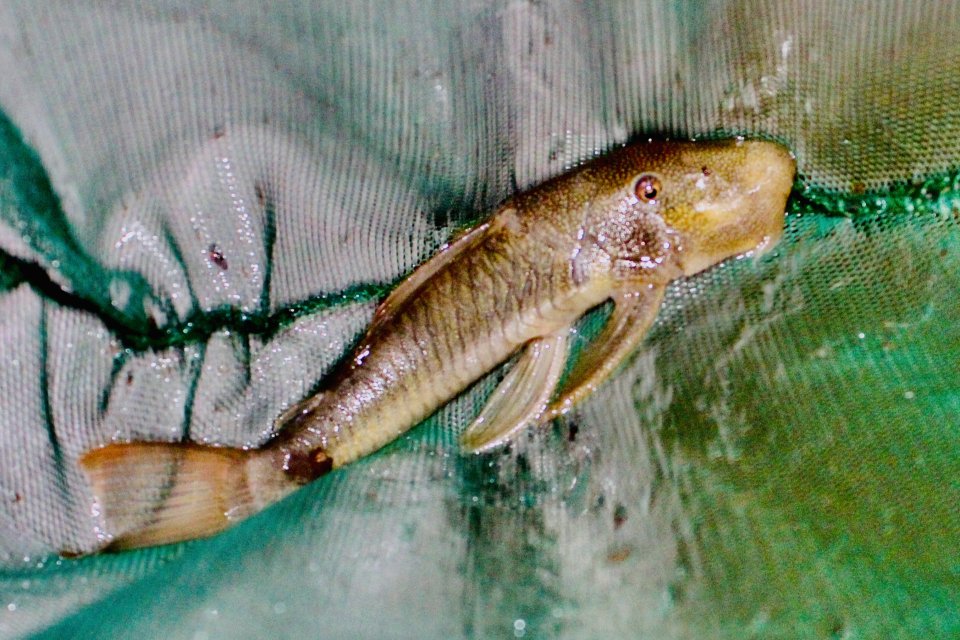
In all the rivers shown above, I have caught, Andinoacara, Isthmoheros, and Darienheros cichlds,…..Ancistrus, Chaetostoma, and Sturisomatichthys plecos, and many genera of Characins.
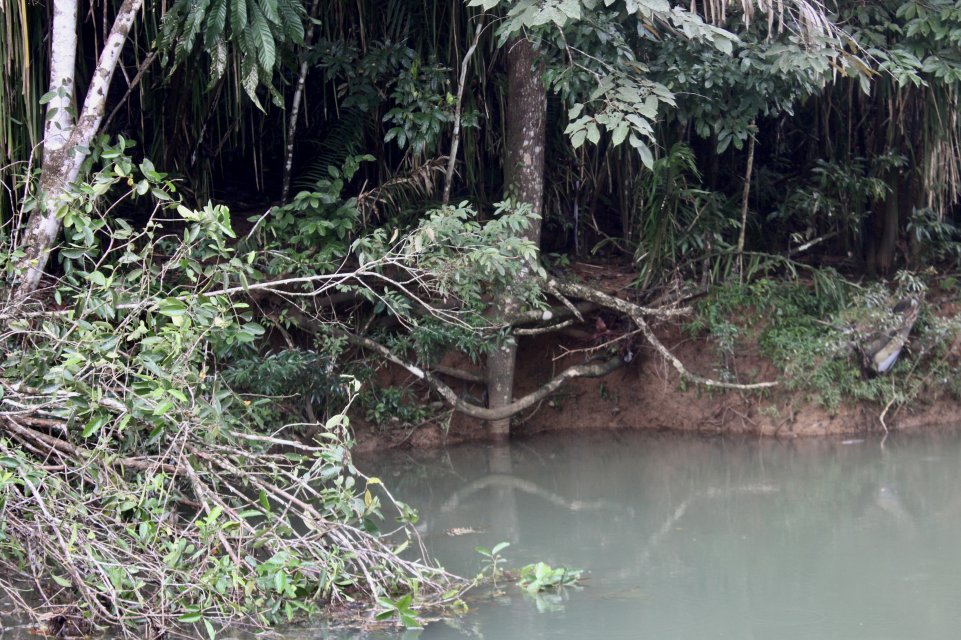
During heavy rains, many of these cichlids move to less violent and sheltered tributaries, but the Tetras and Plecos often remain, such as the Rio Uni below.
IMG_0219.jpegIMG_7235.jpeg
 
  • Like
Reactions: A201
Well, it all depends on which river, which season, and where in the river, doesn't it. In this study: Methane and carbon dioxide evasion from a mosaic of Amazon lakes, river channels, and inundated forests

Current speeds in the Negro River were 0.36 m s−1, (river width 670 m; average depth 16.2 m) in June 2019 and 0.53 m s−1 (river width 735 m; average depth 7.7 m) in August 2019.
Using a meters per second to miles per hour converter that's .8 and 1.18 mph.

In the middle portion of the paraná, current speeds were 0.36 m s−1, 0.16 m s−1, and 0.32 m s−1 in July 2018 (width 65 m; average depth 13.7 m)
Using the meters per second to mph converter that's .8 and .715 mph.

The 3 flooded forest sites differed in depth and current speeds... current speeds were highest at T3 (20–25 cm s−1) and were 0.2–2 cm s−1 at T1 and T2
Using a centimeters to miles per hour converter that's .44 to .56 mph and .0045 to .045 mph (rounded up).

Britannica says the average current in the Amazon River is 1.5 mph, obviously it can get higher in some places (or seasons). All of this is not to mention the reservoirs, ponds, oxbow lakes, floating meadows, etc. in the Amazon basin, as well as rapids and fast river sections where flows can be much higher. For me there's no misconception and the point is, at least in the Amazon region, there's a lot of habitat diversity, including current, and the same species may see different conditions in different locations or during different seasons, including current.


Last edited:
You cannot generalize flow velocity of diverse habitats such as the Amazon. The Amazon river basin is as large as Australia with white water (75%), black water (15%) and clear water (10%) habitats, and numerous first, second and higher order tributaries and oxbow lakes. White water is fast flowing as it drains the high Andes carrying heavy sediment load. Black water is slow moving as it drains low land forests with long contact time to leach out tannic acid but carry zero sediments. Clear water can be fast or slow as they drain through formations that contribute minimal sediments and tannic acid. Rio Negro, the largest black water river, moves slowly even at high water stage as the channel widens and covers more flat land forests, whereas at low river stage, many oxbow lakes are left behind with stagnant pools.
 
II wonder if some are missing the gist of my post, maybe I´m vague.
I have been collecting rheophillic, and semi-rheophillic species since moving to Panama, and for a number of years years before that.
Fast water species, such as Darienheros from here from eastern Panama, and before that, Tomocichla and Cribroheros from Costa Rica.

A number of aquarists have suggested Cribroheros rostratum were loners, and quite aggressive, yet I found them to be quite social.
My theory, is that if kept in a large enough tank, with plenty of current, their focus switchess from aggression on each other, to dealing with a normal, high flow situations. of life
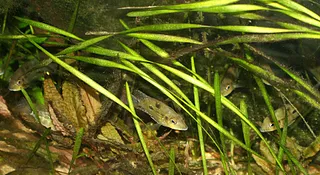
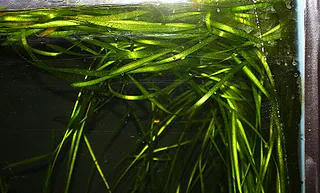
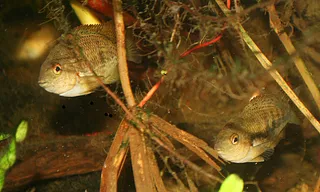
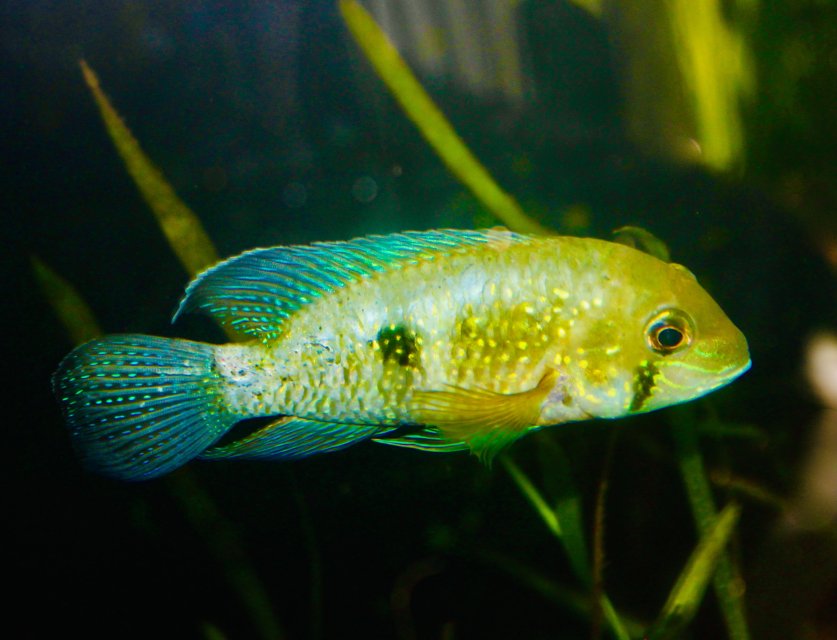
As you can see by the current in the tank where Cribroheros were held, current is strong enough to bend back Valisneria, and even with a dozen individuals rostratus together, a lack of aggression was the norm.
1765040719152.png1765040764148.png
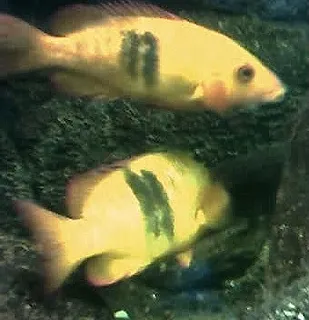
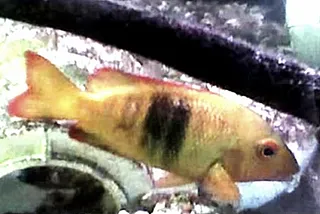
I had experienced aggression with Tomocichla tuba, and Talamancaheros sieboldi, and looking back have wondered if I had just provided a little more current to focus on, if that aggression could have been lessened, and they wouldn´t have assasinated one another.
1765041818442.png1765041749807.png

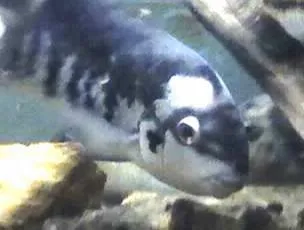
I had also found with the Madagascan rheophile Paretroplus nourisatti ,and now consider , when looking back, the major mistake on my part, was my not providing a strong enough current to allay interspecies focus. These are only 5¨fish, and yet half dozen killed each in a 6 ft tank.
1765041537593.png1765041562373.png
So my point is, and what I proposing is that if all conditions seem right, a worthwhile experiment, with certain fast water species (that are known to be soocial in a nature, and yet are scrappy) a little extra current may be a solution.
Lets say you have a group of Retroculus lapidifer, or Paraneetroplus bulleri, and they are bumping each other off, it may be worth putting a wave maker of 2 just to see if it helps.
One of the first things I invested in when moving to Panama, and collecting rheophilic cichlids for the 180gal, was purchasing a more powerful pump that before, and a couple wave makers, to push a strong current along the entire length of the riverine tank
 
Last edited:
  • Like
Reactions: neutrino
II wonder if some are missing the gist of my post, maybe I´m vague...

So my point is, and what I proposing is that if all conditions seem right, a worthwhile experiment, with certain fast water species (that are known to be social in a nature, and yet are scrappy) a little extra current may be a solution.
Okay, got it-- and agree with you about "certain fast water species." Your original post sounded (to me) like you were making more of a blanket statement. :-)
 
II wonder if some are missing the gist of my post, maybe I´m vague.
I have been collecting rheophillic, and semi-rheophillic species since moving to Panama, and for a number of years years before that.
Fast water species, such as Darienheros from here from eastern Panama, and before that, Tomocichla and Cribroheros from Costa Rica.

A number of aquarists have suggested Cribroheros rostratum were loners, and quite aggressive, yet I found them to be quite social.
My theory, is that if kept in a large enough tank, with plenty of current, their focus switchess from aggression on each other, to dealing with a normal, high flow situations. of life
As you can see by the current in the tank where Cribroheros were held, current is strong enough to bend back Valisneria, and even with a dozen individuals rostratus together, a lack of aggression was the norm.
View attachment 1569899View attachment 1569900
I had experienced aggression with Tomocichla tuba, and Talamancaheros sieboldi, and looking back have wondered if I had just provided a little more current to focus on, if that aggression could have been lessened, and they wouldn´t have assasinated one another.
View attachment 1569904View attachment 1569903

I had also found with the Madagascan rheophile Paretroplus nourisatti ,and now consider , when looking back, the major mistake on my part, was my not providing a strong enough current to allay interspecies focus. These are only 5¨fish, and yet half dozen killed each in a 6 ft tank.
View attachment 1569901View attachment 1569902
So my point is, and what I proposing is that if all conditions seem right, a worthwhile experiment, with certain fast water species (that are known to be soocial in a nature, and yet are scrappy) a little extra current may be a solution.
Lets say you have a group of Retroculus lapidifer, or Paraneetroplus bulleri, and they are bumping each other off, it may be worth putting a wave maker of 2 just to see if it helps.
One of the first things I invested in when moving to Panama, and collecting rheophilic cichlids for the 180gal, was purchasing a more powerful pump that before, and a couple wave makers, to push a strong current along the entire length of the riverine tank
Duane I’ve found sieboldi very aggressive maybe if I provided more flow I would’ve had a better experience w them? As for Rostratus being social, a friend who kept them many times says they would normally spawn at the same time in the tank..
 
Well, it all depends on which river, which season, and where in the river, doesn't it. In this study: Methane and carbon dioxide evasion from a mosaic of Amazon lakes, river channels, and inundated forests
I just wanted to say thank you for making me feel stupid again trying to understand that, Lol. In all seriousness if someone was to play around with the average 1.5mph flow rate for example, how does one calculate that from gallons per hour? I’m not very tech savvy and I hate AI but this is what their example gave but it doesn’t seem correct. I have an electronic flow meter on two different sumps.

Example:
  • A pump outputs 100 GPH through a 1-inch diameter pipe.
  • Step 1:
    100GPH×231=23,100in/hr
  • Step 2: Area of 1-inch pipe:
    3.14159×(0.5)2=0.785in2
  • Step 3: MPH =
    23,100÷(0.785×3600)≈8.2MPH
 
I do find it interesting that many of the fish I collect are found in very niche habitats in Panama, and are not found as often outside of those certain altitudes and climate zones.
The most common widespread cichlid species in Panama seem to be Andinoacara, and it is interesting to me, that it is one of only 2 cichlid that has a direct link and genera in S America, with all the other species of the genus found only there.

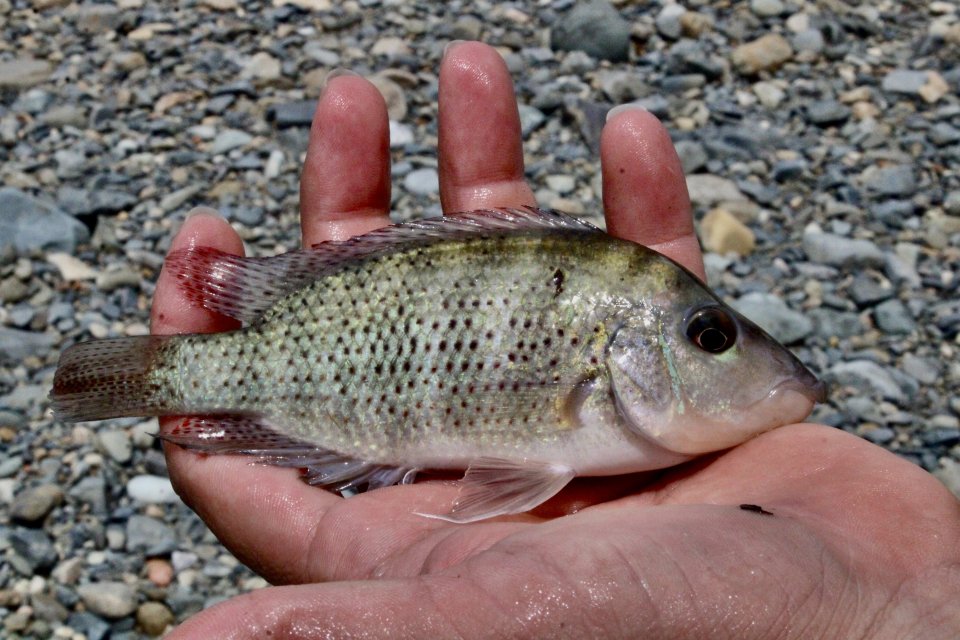
IMG_9099.jpeg
The two are the Andinoacara, and Geophagus crassilabris.
I have found Andioacara coeruleopunctatus in almost every riverine, and lacustrine body of water in Panama I have collected.
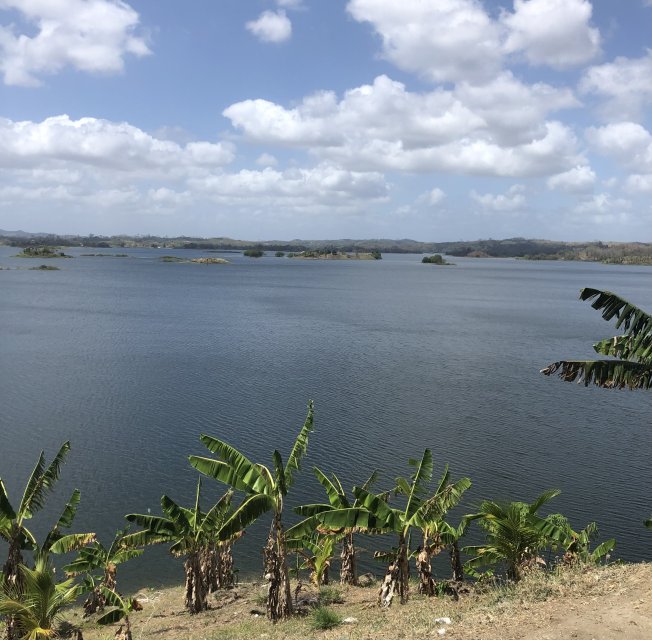
Artificial lakes created by the Panama Canal (such as Arinosa, Bayano, and Alejuera, the canal itself, some fast flowing smaller rivers, steams, oxbows, and ponds, from east to west throughout Panama, and north into Costa Rica.
The only place they were not found (by me, as of yet), are in shallow rivulets in higher altitudes.

IMG_5170.jpeg

Whereas Darienheros calobrensis is found only in streams bordering the fast flowing Mamoni river and easterly into the Darien itself.
Where it is found, they dominate in rheophillic fast flowing habitats, and although the Andinoacara are also found in those habitats, they seem to prefer oxbows, is less rheophillic flows, pools, and conditions, especially as adults.
IMG_2735.jpeg

The only other endemic cichlid I’ve yet to find in this eastern section, south and east of the Cordillera Central mountains is Isthmoheros tuyrensus, originally endemic to Lake Bayano. But it seems it has been driven from much of the lake proper by introduced Tilapia, and Cichla species.
IMG_6513.jpeg

Locals I talked to recommended the only place to find tuyrensus, I would need to search the smaller, more remote riverine tributaries, but not in the lake proper these days. When I did attempt to throw the net in the lake itself, all I found were introduced Tilapines, and tetras.
Lake Bayano below
IMG_6044.jpeg


The same kind of flow rates apply to the catfish I’ve caught for far.
IMG_0308.jpeg

Pimelodus chagresi and Rhamdia guatamalensus were found in shallow moderately flowing and almost stagnant streams, and Pleco species such as Ansistrus, Chaetostoma, and especially Sturosomaticthys, were found in fast flowing waters, and even rapids, especially as large adults.

IMG_4055.jpegIMG_4044.jpeg
It may be that as far a cichlids go, introduced exotics are gradually replacing endemic species. Many locals from areas around the Panama City area I talk to, claim to only see Tilapia in local rivers.
 
  • Like
Reactions: neutrino
I just wanted to say thank you for making me feel stupid again trying to understand that, Lol. In all seriousness if someone was to play around with the average 1.5mph flow rate for example, how does one calculate that from gallons per hour? I’m not very tech savvy and I hate AI but this is what their example gave but it doesn’t seem correct. I have an electronic flow meter on two different sumps.

Example:
  • A pump outputs 100 GPH through a 1-inch diameter pipe.
  • Step 1:
    100GPH×231=23,100in/hr
  • Step 2: Area of 1-inch pipe:
    3.14159×(0.5)2=0.785in2
  • Step 3: MPH =
    23,100÷(0.785×3600)≈8.2MPH

A valiant effort. :-)

That thought did occur to me, but I didn't take it very far. I did find sources saying standard water pipe flow velocities are 3-4 mph (for various reasons) and from there it seems to get more complicated-- center velocity vs wall velocity and such things.
 
  • Like
Reactions: HUKIT
My theory, is that if kept in a large enough tank, with plenty of current, their focus switchess from aggression on each other, to dealing with a normal, high flow situations. of life

A good theory and probably very doable if, like you say, you have a large enough tank (probably very very large would be better) and plenty of current.

And also, probably more importantly, an understanding of the fish you are trying to keep together in the first place in said very large tank with good flow.

But even if you achieved this how would you go a step further and replicate drought or flood seasons? Surely just as important factors if you want to address all the issues of giving the fish a "natural" environment so they can deal with "life"?
 
MonsterFishKeepers.com