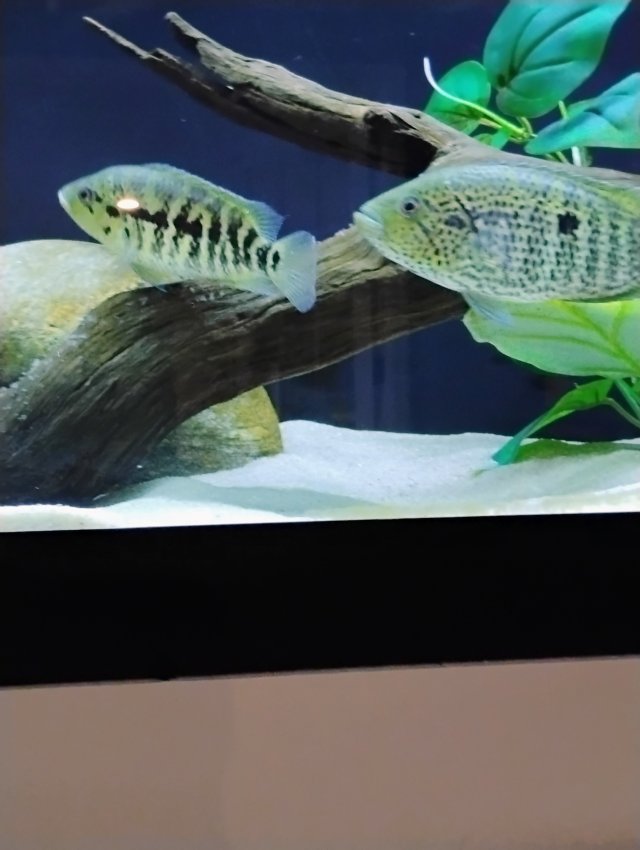
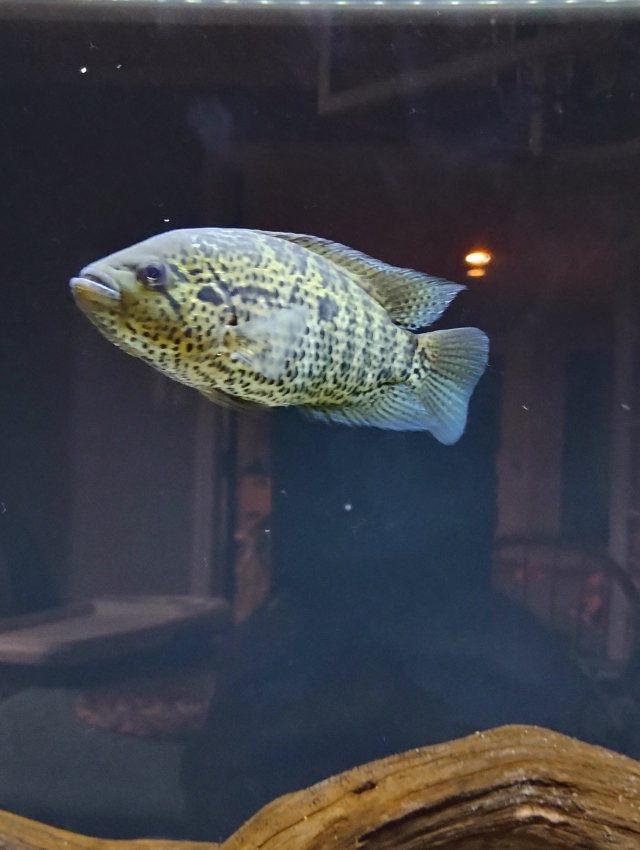
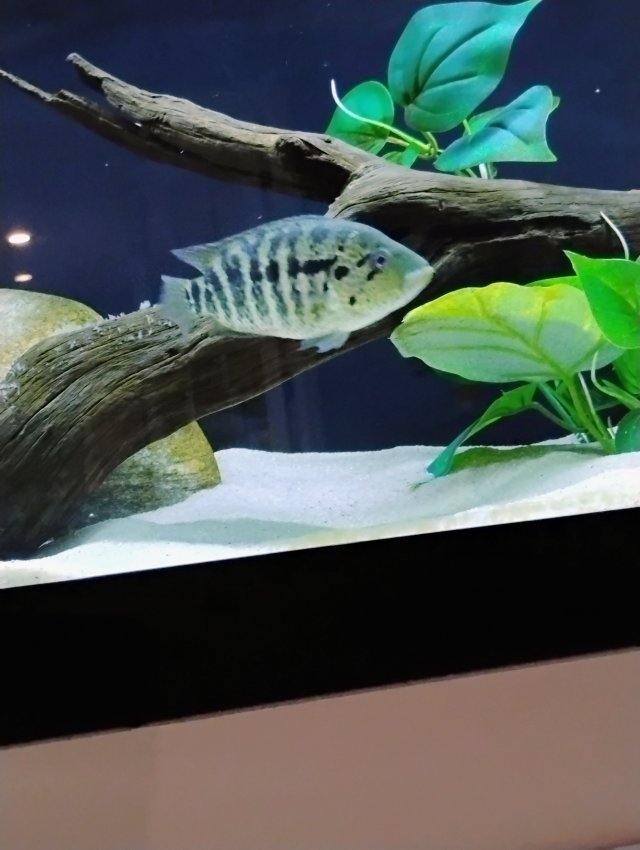
They are real P. friedrichsthalii formerly known as P. loisellei.I know this is an older post but what are the ones on the bottom picture?
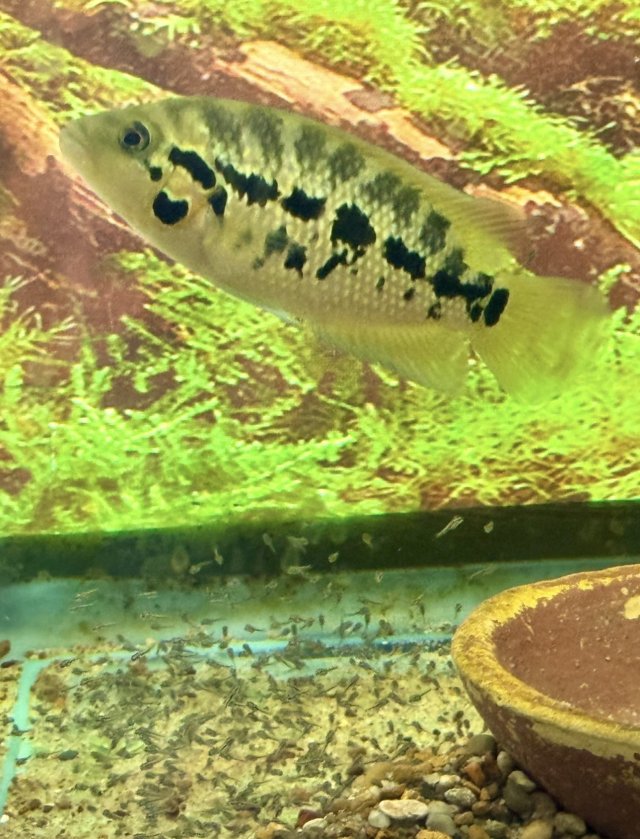
The fish called as friedrichsthalii in the picture is P. multifasciatus.
They are real P. friedrichsthalii formerly known as P. loisellei.I know this is an older post but what are the ones on the bottom picture?

The fish at the bottom are (or used to be) P. loiselle. The names of that species and freidrichsthali have been changed—not sure what the latest “final” decision is.I know this is an older post but what are the ones on the bottom picture?
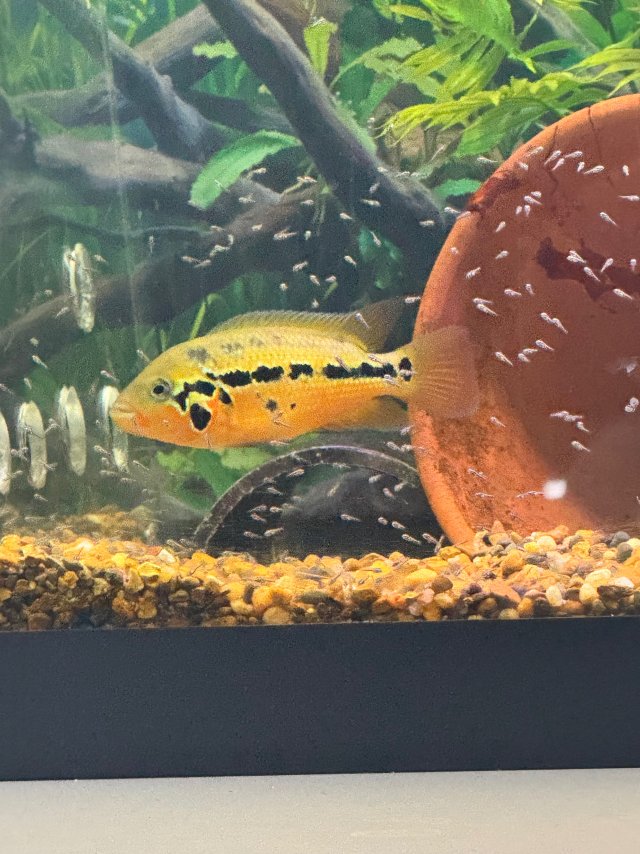
They are beautiful, is there a way to get them to keep their color when not breeding?The fish at the bottom are (or used to be) P. loiselle. The names of that species and freidrichsthali have been changed—not sure what the latest “final” decision is.
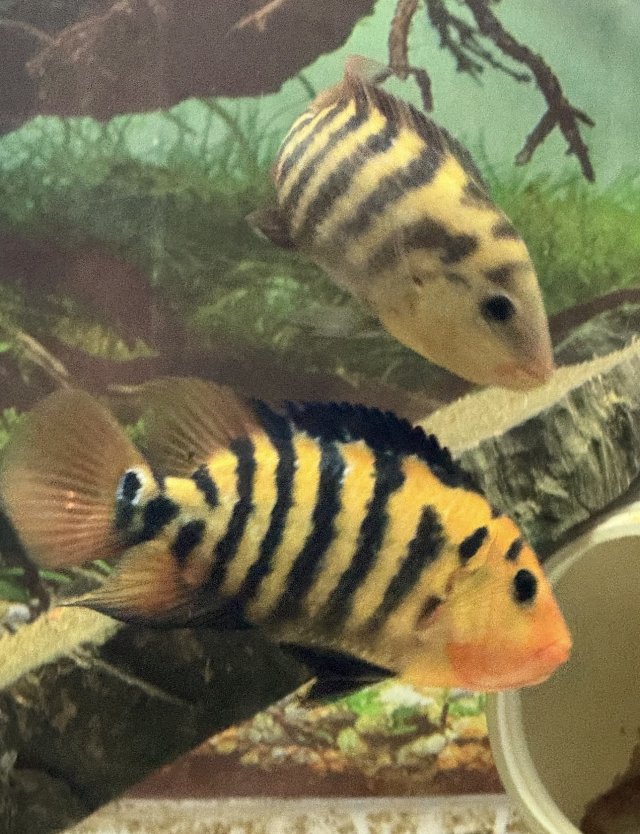
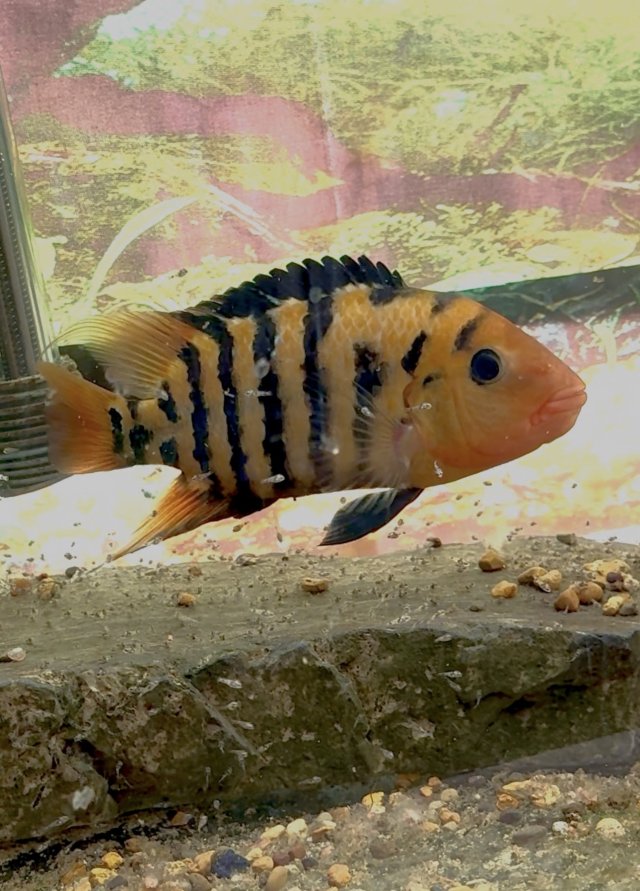
Tank size depends greatly on fish age and size. I bought RTM fry about 16 months ago and now have 3rd generation fry in a 55gal community tank. (Pics are two different motaguense mothers with fry, and one doesn’t have much color).
My favorite fish are the Harlequins, or Red Terrors, especially females. (Pics are a pair of 6-7 inch fish, by themselves in a 55, currently with about 200 fry).
View attachment 1570536
View attachment 1570541
View attachment 1570542
View attachment 1570543
Probably not full time, but you can have an impact, such as putting an aggressive fish in with her/them. My largest female has had intermittent great color since she was 6 months old or so, but changing frequently minute to minute (sometimes just a couple seconds).They are beautiful, is there a way to get them to keep their color when not breeding?

Roger—Parachromis Multifaciatus, small group in a 125. View attachment 1570567
I believe rio blanco RTM males look similar in pattern to multifaciatus. Multifaciatus have more dark to light yellow coloration where the RTM males will have a vague reddish but pronounced brown color to them.Roger—
Interesting; some of my RTMs look like that…