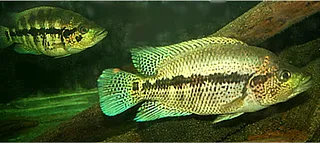
Great video of Costa Rican native fish around volcanoes

  • We are currently upgrading MFK. thanks! -neo
I find in interesting that while the Characins, Mullet, Molly and Gobies such as Awaous species in Costa Rica are the same in Panama, the cichlid species are quite different, only 500 miles apart.
IMG_3651.jpegIMG_4062.jpegIMG_4194.jpeg
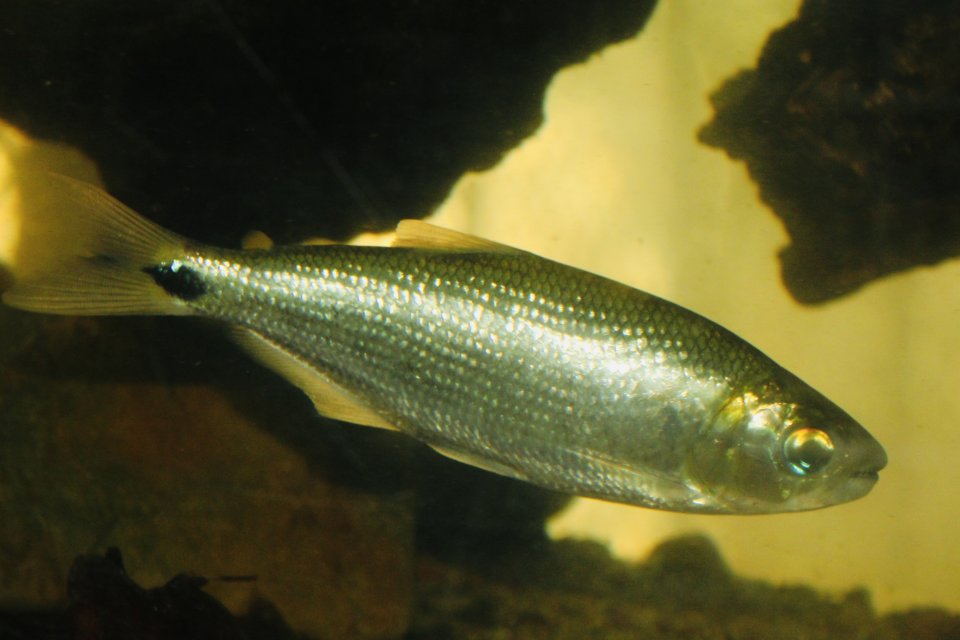
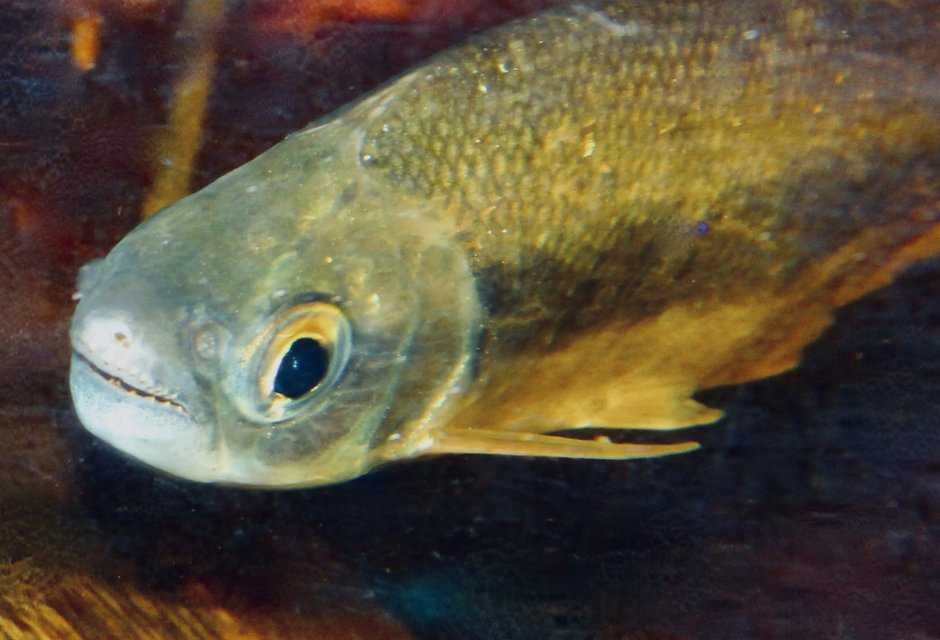
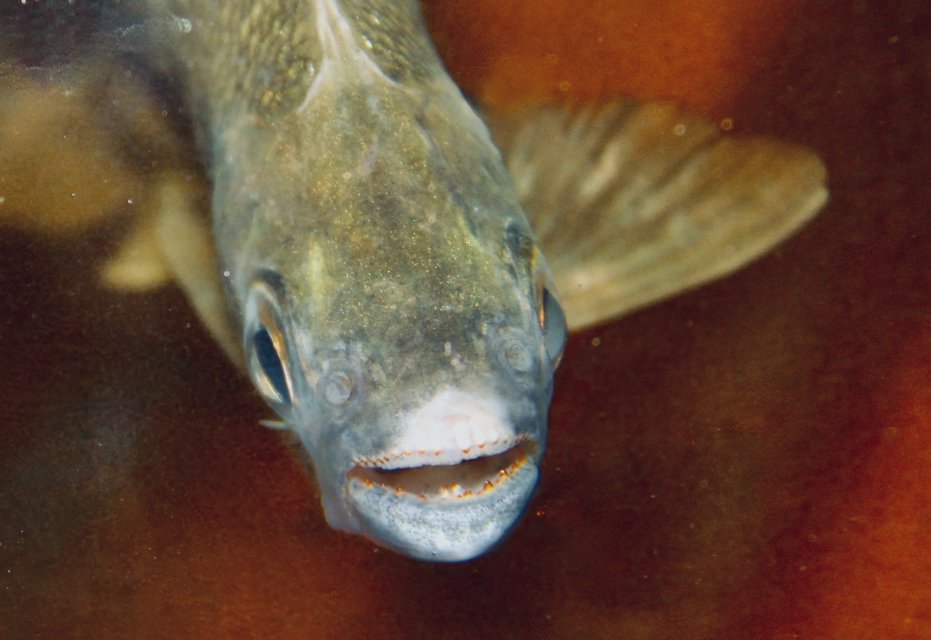
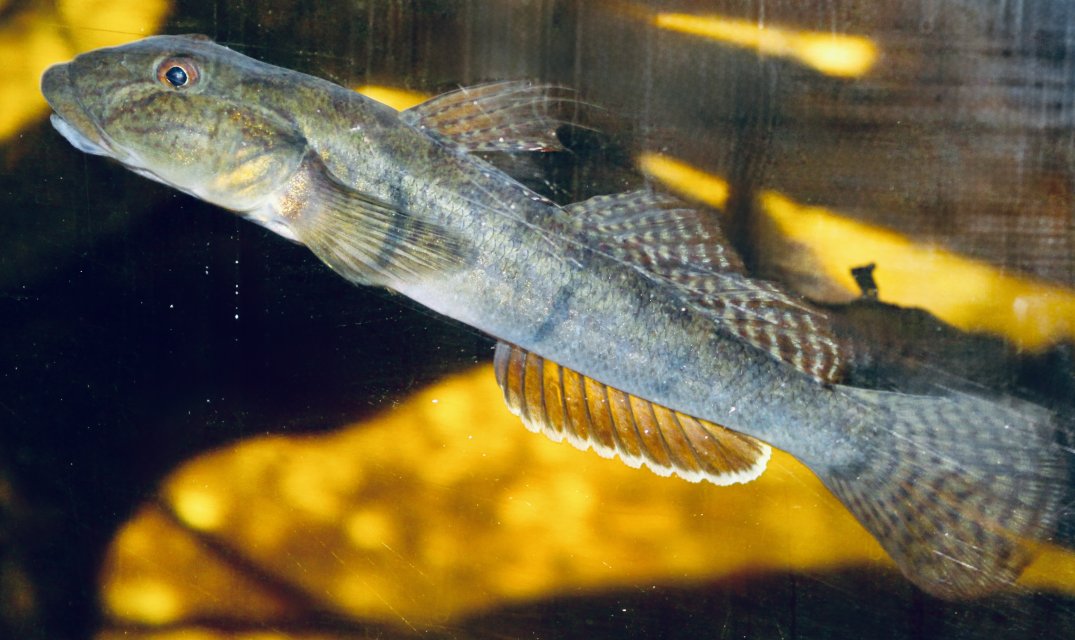
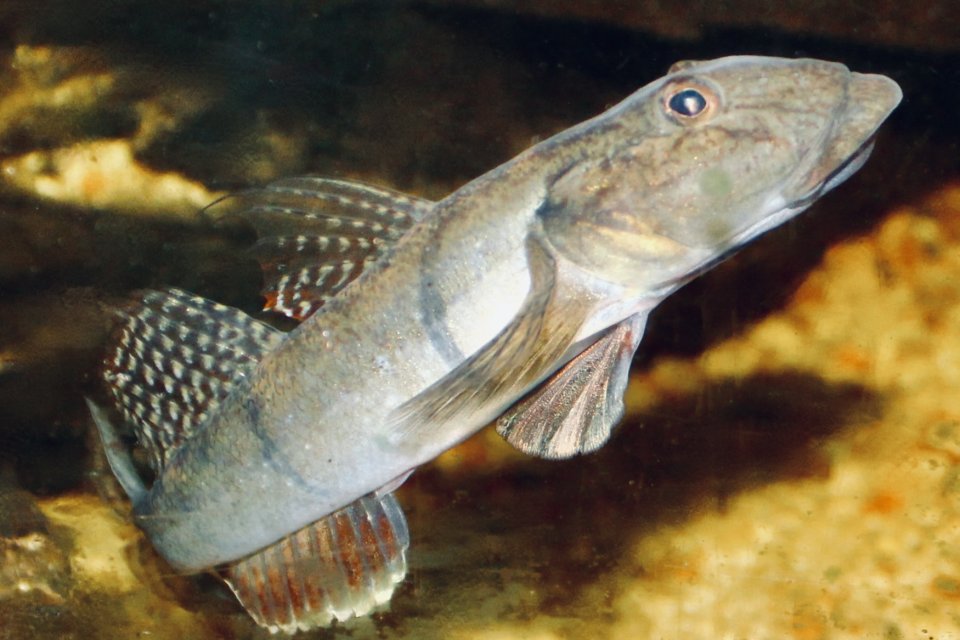
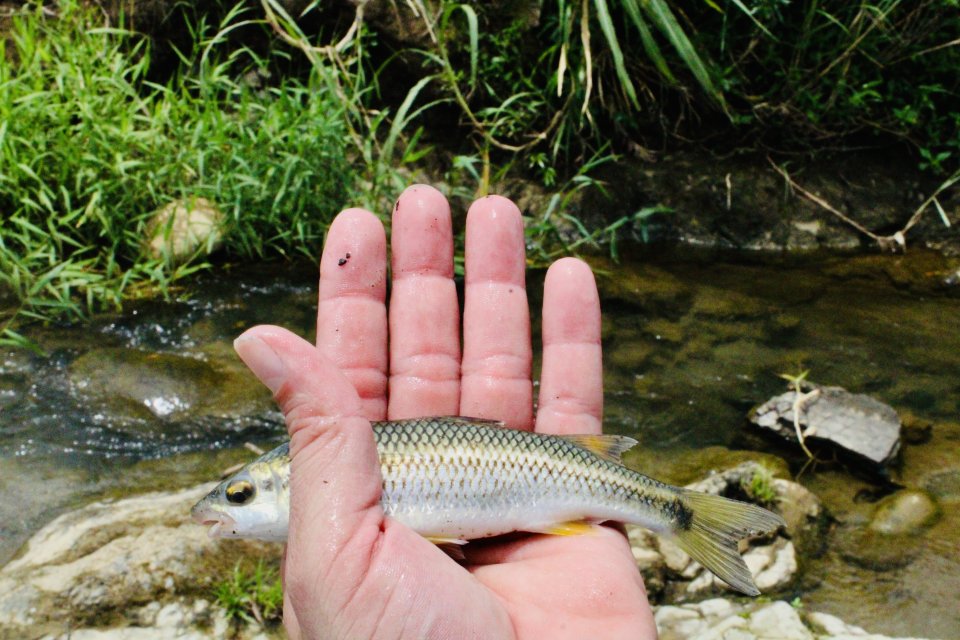
Above Brycon guatamalemsis, below Awaous bananaIMG_0395.jpeg
IMG_9428.jpeg
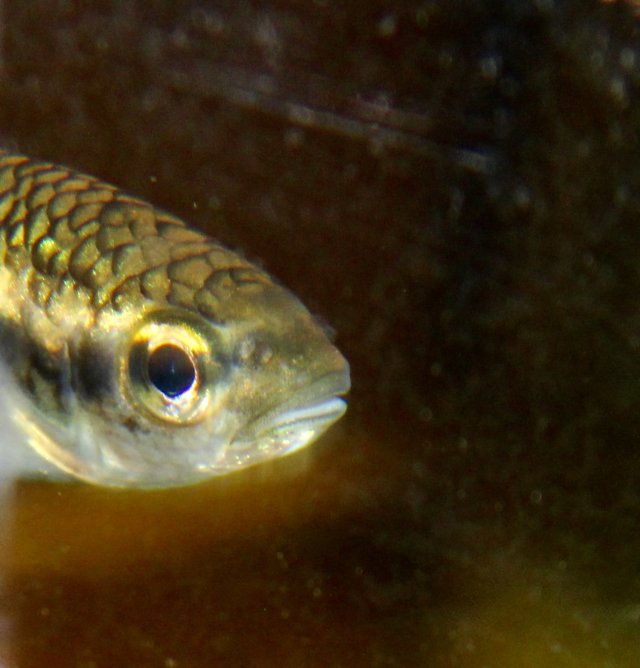
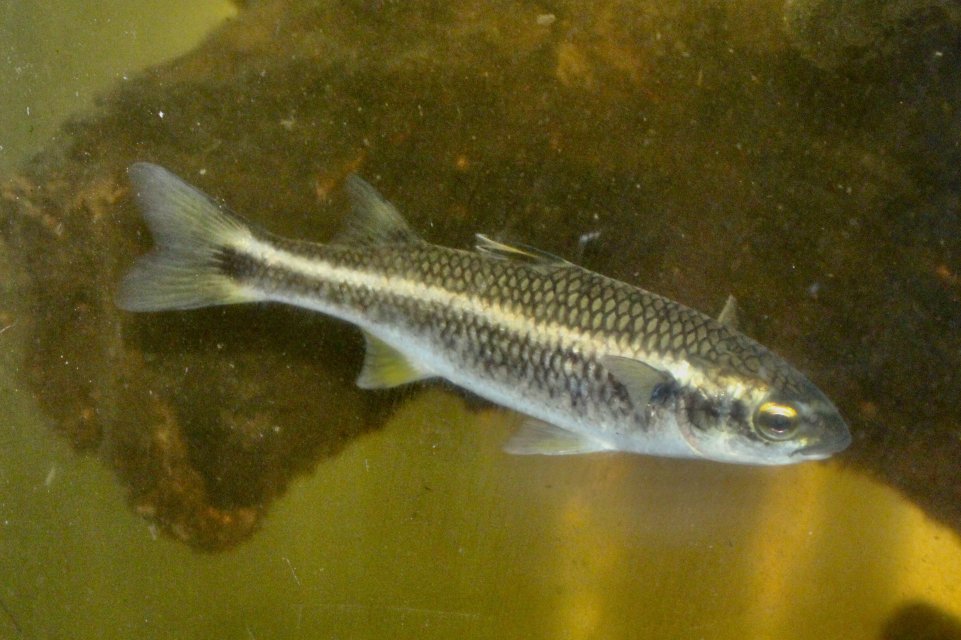
Agnostomus mmonticola (mountain mullet)
IMG_0070.jpeg
IMG_6280.jpegIMG_5163.jpeg
Yet the cichlid species found here in eastern Panama, are quite different.
IMG_8554.jpeg
IMG_7821.jpegIMG_7829.jpeg
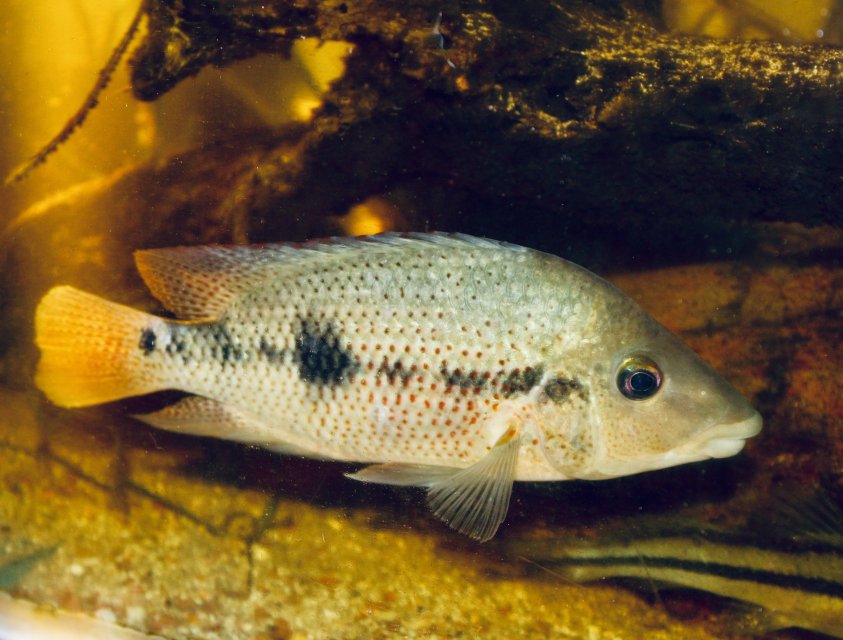
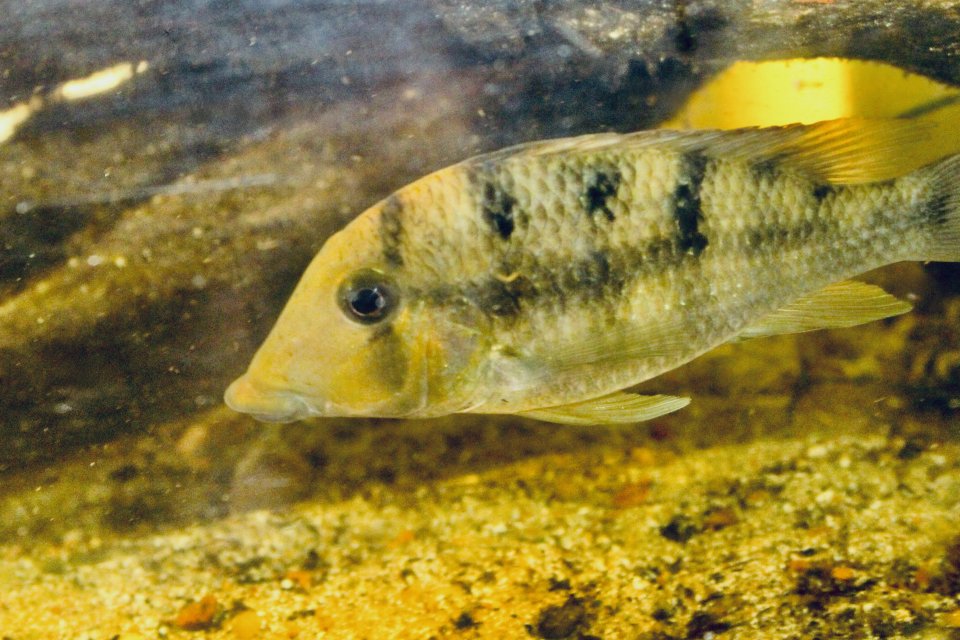
Above Darienheros calobrensis, below, Isthmoheros tuyrensus
IMG_1739.jpegIMG_1742.jpegIMG_3011.jpeg
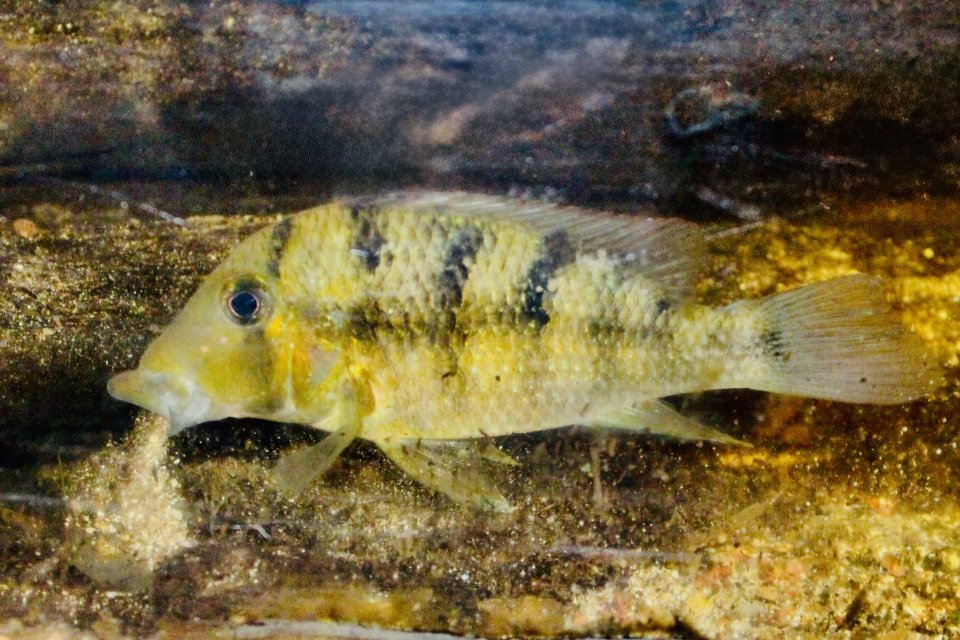
Below Geophagus crassilabris
IMG_1058.jpegIMG_1042.jpegIMG_1201.jpeg
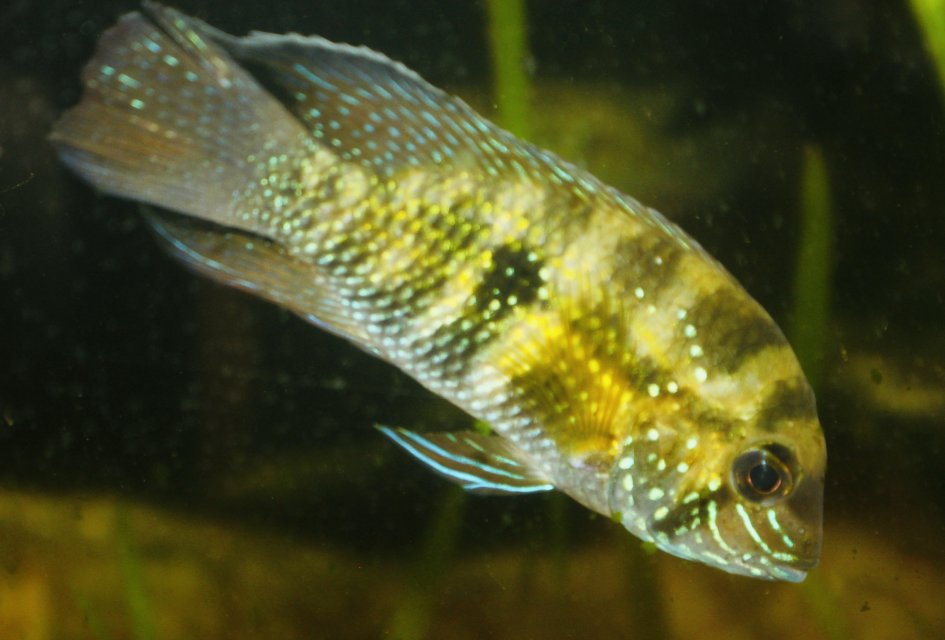
Below Andinoacara coeruleopunctatus
IMG_9014.jpeg
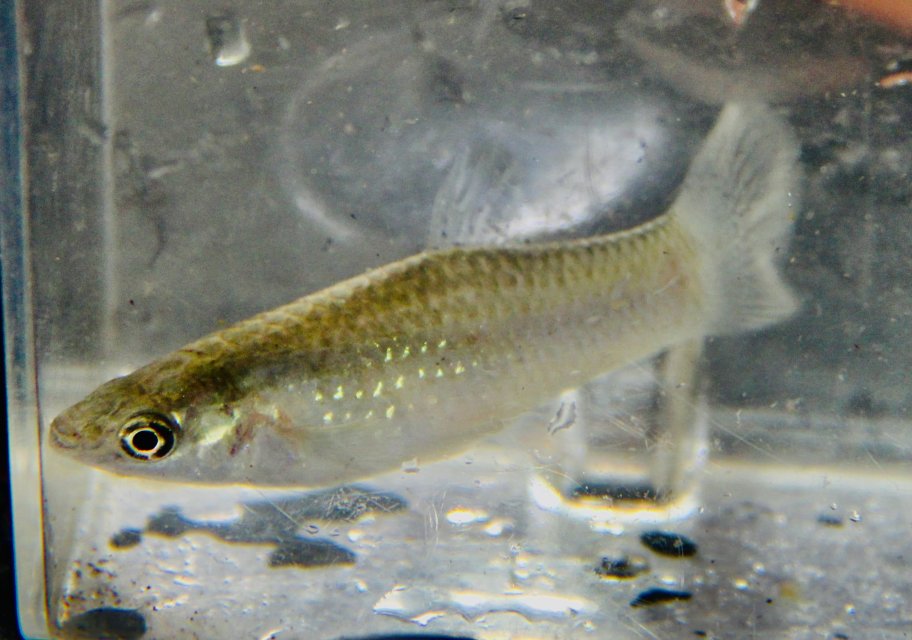
Below typical Poecilia gilli (molly)

IMG_4124.jpeg
 
Last edited:
Enjoyed watching the video.
 
  • Like
Reactions: tlindsey
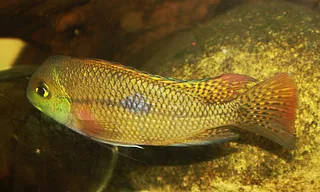
I found the Neetroplus nematopus ("poor man's Tropheus") especially interesting, which I'd never heard of until now. Nearly identical to Tropheus in looks, temperment, diet (mostly) and found in Central America. I was a little astonished tbh.
 
I find in interesting that while the Characins, Mullet, Molly and Gobies such as Awaous species in Costa Rica are the same in Panama, the cichlid species are quite different, only 500 miles apart.
I misread your post and was going to say that the cichlid biodiversity could be due to the mountains. But as you note, other species are wide-spread. It's an interesting question you raise.
 
Last edited:
  • Like
Reactions: tlindsey
Very cool video. I found, in some of the reels of this video, the concentration of cichlids to be quite astounding actually. Seemingly the tomocichla tuba, whilst pairs off for breeding, is tolerant of it's own kind and other species mingling closely. I wonder if they would do well in groups in captivity? Seems a decent amount of water flow would be required though. I remember reading in some of Duane's posts where his experience of cichlid concentration in the waters he collects in to be very sparce in comparison. The astatheros alfari was really cool as well!
 
I find it fascinating that the Andinoacara coeruleopuntatus seem to be the most common cichlid found in every river I´ve fished in Panama,
east, central and west, and common into parts of Costa Rica, on both sides of the Cordillera de Talamanca mountain range.

yet I´ve never found Darienheros calobrensis west of the Mamoni river.

And as mentioned Neetroplus nematopus a doppelganger to the African genus Tropheus.
They have the same algal vegetarian diet preference, similar minimal growth limitations, and same aggressive attitude toward conspecifics.

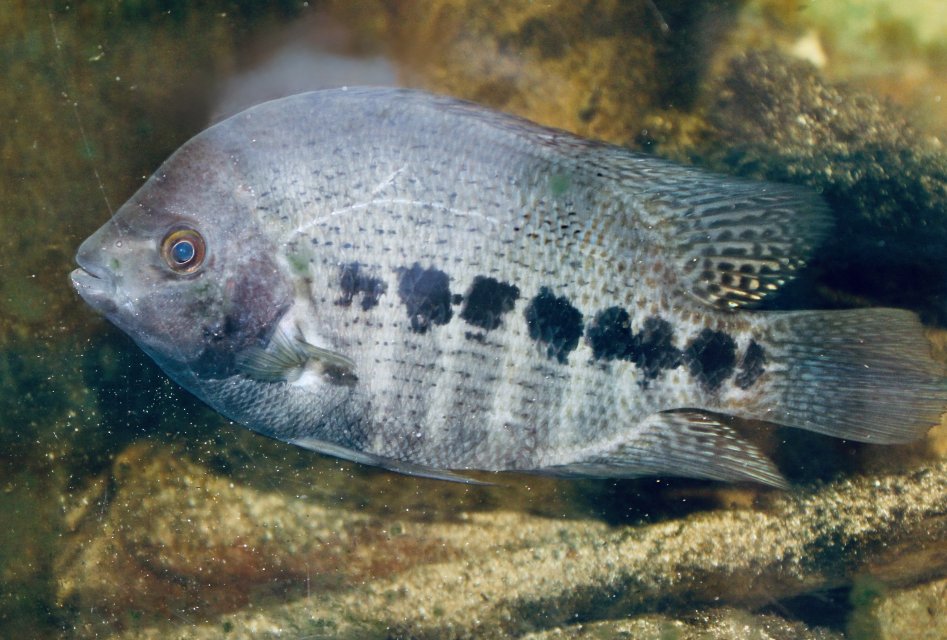
The most similar new world cichlid in appearance to Neematroplus (at least to my eyes),
is Hypsophrys nicaraguensis which they seem to have constant conflict in nature with.

The nicaraguensis will even go so far, as help guard Dovii spawns while parent dovii hunt,
the nics instinctually realize the ovii hunt and eat, Neetroplus.

1770637103822.png1770636859980.png
1770637374552.png
 
I misread your post and was going to say that the cichlid biodiversity could be due to the mountains. But as you note, other species are wide-spread. It's an interesting question you raise.
It is due to geographic separation and mountains are a part of it. The other species mentioned are distributed by ocean or their eggs are carried by birds. Both don't work for (most) cichlids.
 
MonsterFishKeepers.com