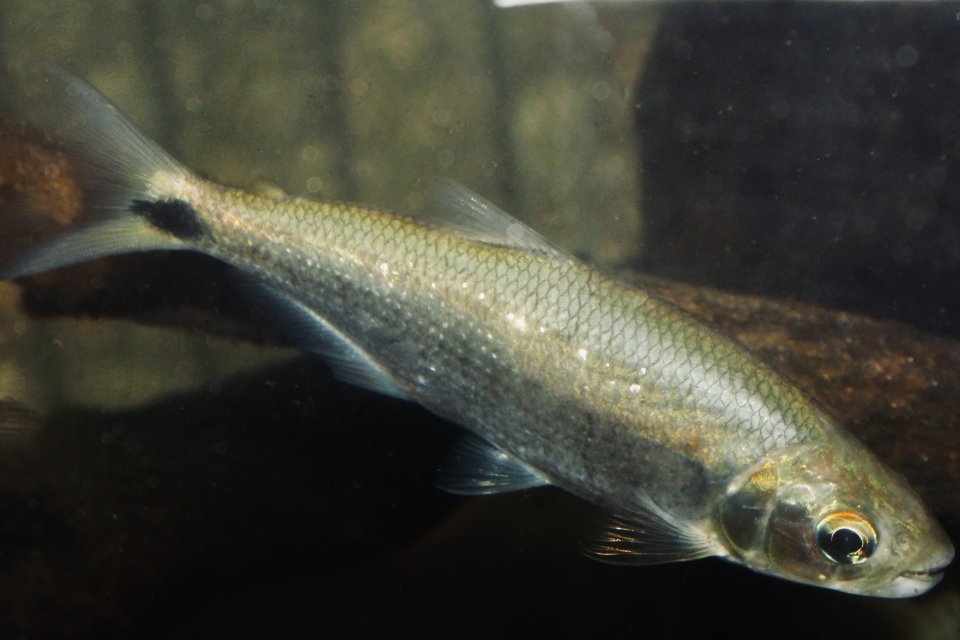
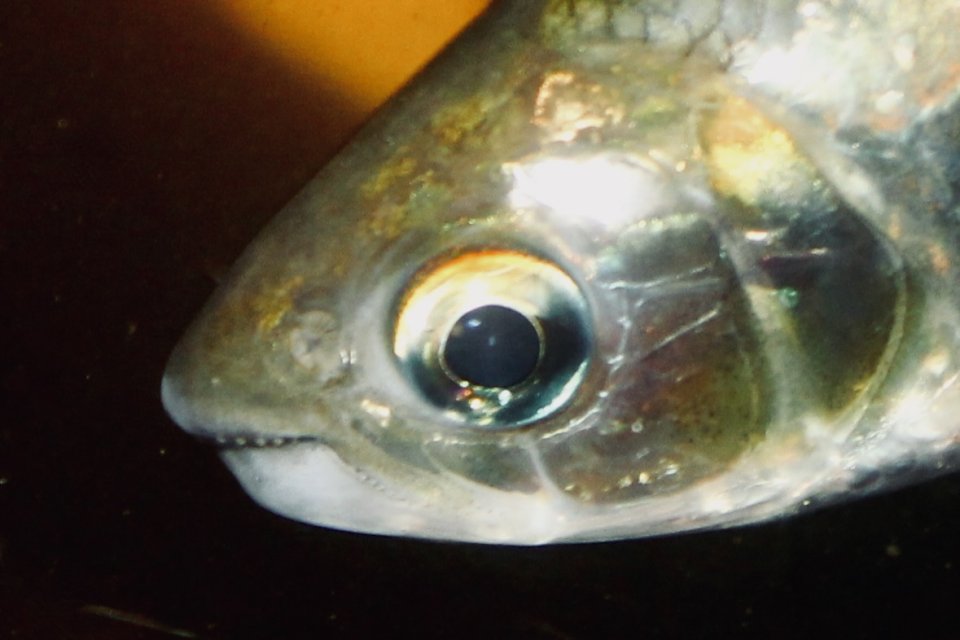
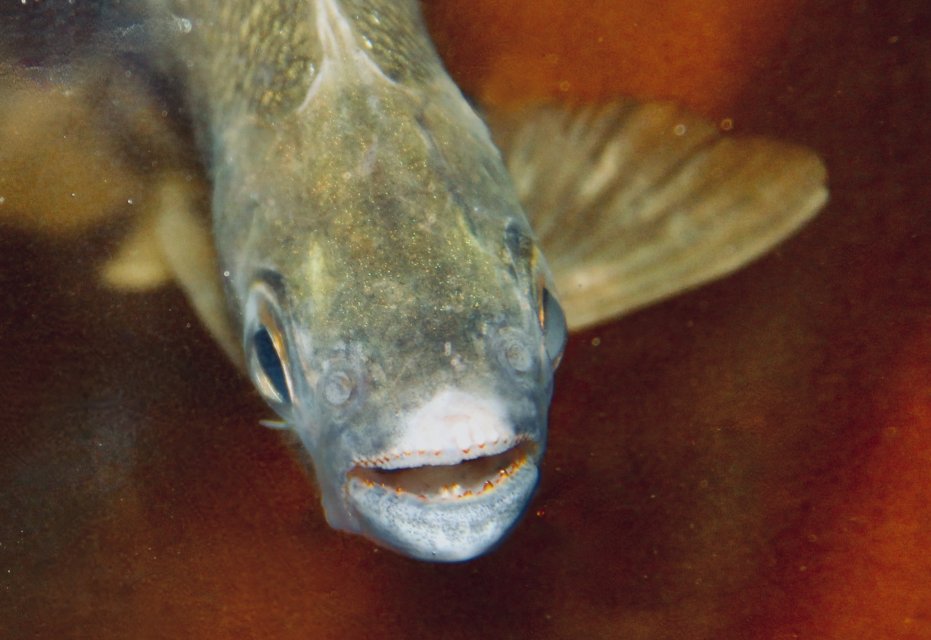
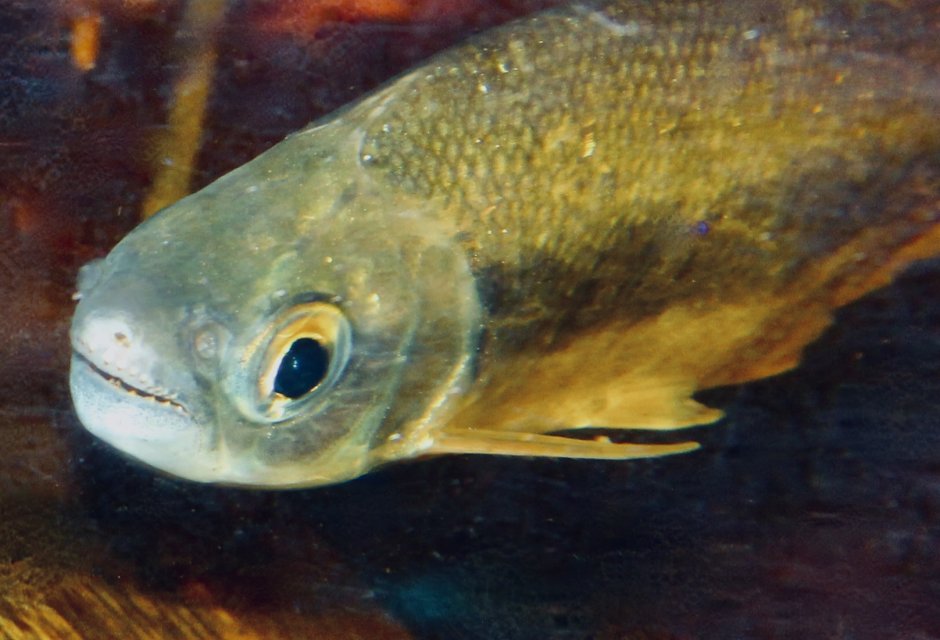
Is there any particular reason why Piraputanga fish aren't in the hobby?

  • We are currently upgrading MFK. thanks! -neo

Omkar16253

Gambusia
Nov 16, 2020
1
2
18
25
These are colorful, fast moving, interesting fish that eat fruit as a significant part of their diet.

One of few fish where you could actually come close to mimicking their natural diet. The size isn't even that bad as far as monster fish go.

They are even being farmed for food, so yes, they can thrive in captivity.

Why aren't Piraputanga in the fish hobby?
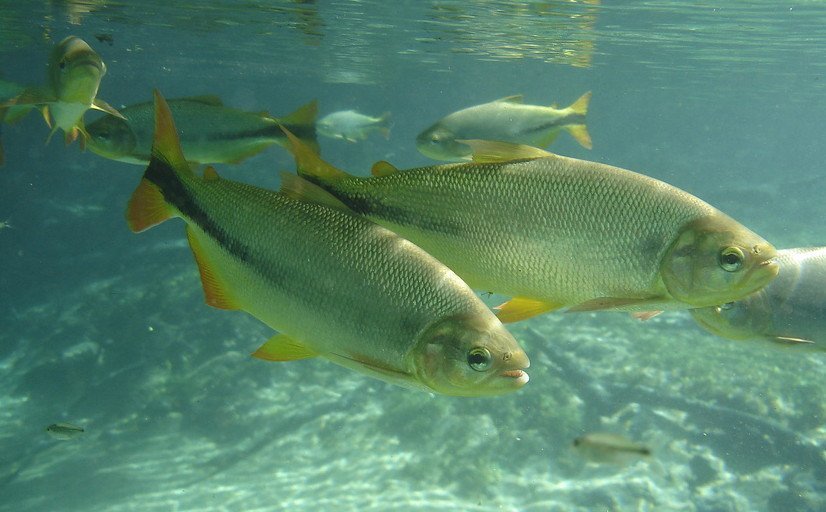
Brycon_hilarii.jpg
 
These are colorful, fast moving, interesting fish that eat fruit as a significant part of their diet.

One of few fish where you could actually come close to mimicking their natural diet. The size isn't even that bad as far as monster fish go.

They are even being farmed for food, so yes, they can thrive in captivity.

Why aren't Piraputanga in the fish hobby?

View attachment 1573674
They are still in the hobby were a well known species a few years ago.
 
  • Like
Reactions: Redshark1 and HUKIT
I also believe most don't keep large enough aquariums to house the active species.
I don’t think size is the constraint. It is in the same size range as arowana, Bacu, and peacock bass which are popular in the hobby. Even arapaima, the largest freshwater fish in the world, have keeper. So it’s a mystery why such a colorful fish is not kept in the hobby.
 
I'm also a fan of the colourful frugivorous piraputanga Brycon hilarii although I do not yearn to keep them due to space constraints. I would have thought they would make a great public aquarium display.

I have seen many videos on YouTube of people enjoying them at Bonito in the Matto Grosso where tourists are able to swim downstream with snorkel masks and observe the fish in the crystal clear waters there. The shoals of piraputanga are magnificent and one of the wonders of the fishy world!

Maybe their exploitation is prevented to protect this tourism? Or maybe monsterfishkeepers are not attracted to fruit eating fish and prefer the draw of carnivorous types. Or maybe it is the fashion of the time.

Also of interest to me is the aggressive mimicry exhibited by the golden dorado Salminus brasiliensis that swims embedded within the piraputanga shoals and feeds on the juveniles.

My own country, England, is another location for these rare clear chalk streams and we have our own beauties in grayling, brown trout and salmon. Unfortunately we have some particular challenges with environmental damage through water abstraction and pollution from untreated sewage and farming wastes. A few people do want to swim in these rivers (which are somewhat cooler than in Brazil!) but there is no organised snorkeling for tourists that I am aware of so enjoyment of these fish is mainly through angling.

River fishes Pantanal / Matto Grosso / City: Bonito. Area of Brazil near the border with Bolivia.

Karst (Chalk) Clear Rivers. Rio da Prata, Rio Scucuri and Rio Baía Bonita (runs into Rio Formoso).

Piraputanga Brycon hilarii - eats fruits, seeds, invertebrates, small fish – grows to max 50cm 2.5kg.

Streaked Prochilod Prochilodus lineatus – largest detritivore in the river.

Giant Headstander Megaleporinus macrocephalus.

Three-spot Leporinus Leporinus friderici.

Nose Scrapetooth Parodon nasus.

Golden Dorado Salminus brasiliensis.
 
Last edited:
MonsterFishKeepers.com