

38 gallon tank predators?

  • We are currently upgrading MFK. thanks! -neo
The carpintus in the photo below, is young, maybe half grown

IMO they need at least a 100+ gal tank of 6ft long or more, not only for their size, but for territoriality and tendency toward aggression.
below is the same individual a few months down the road at almost 12", with girth and height to match.
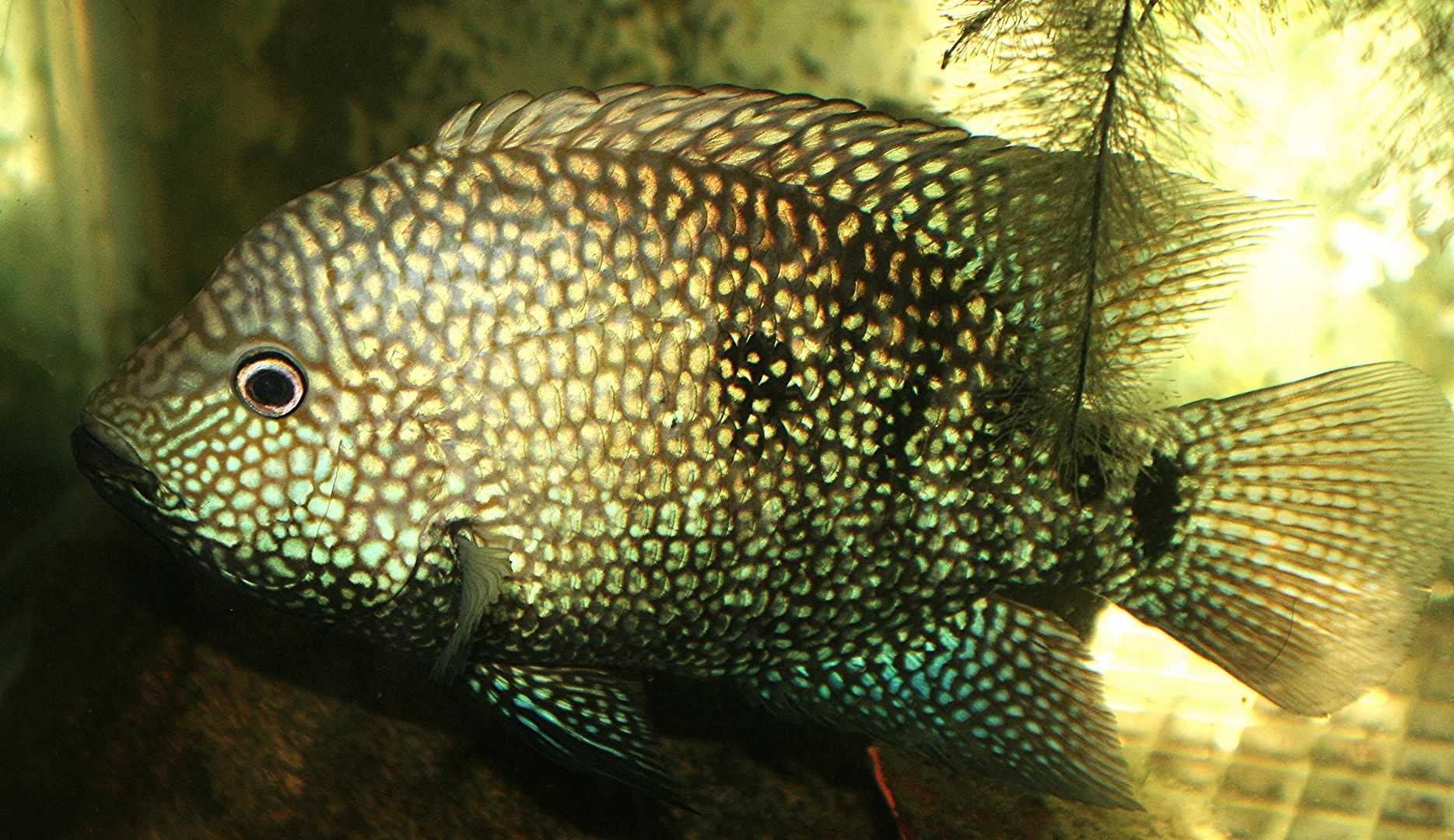
 
  • Like
Reactions: Gourami Swami
The carpintus in the photo below, is young, maybe half grown

IMO they need at least a 100+ gal tank of 6ft long or more, not only for their size, but for territoriality and tendency toward aggression.
below is the same individual a few months down the road at almost 12", with girth and height to match.
oh wow, ok I heard they got 6 inches, I think I'll just get some julidochromis cichlids and hopefully they could get along, do you really think a single mated pair would claim an entire 29 gallon tank as their territory? I thought they only did that to their cave and the small area around it
 
I don't think I read anywhere in the thread what type of tap water you have.
Is it hard and alkaline (pH high, lots of minerals)
or is it soft, mineral free, and slightly acidic?
pH below 7?
The type water you have, although not always be critical, may help determine your success with many species over the long term, as far as chronic health goes.
If you live in an area of soft acidic tap water, rift lake Africans, may not be your best choice.
If you have high pH tap water (pH 8 or above) Apistos might not work well long term, but Lake Tanganyika shell dwellers may be perfect.
Soft water Amazonian species may start out OK in hard water, but over time become scarred by hole in the head disease.
Same with hard water fish in soft water, the lack of osmotic pressure, and presence of acids in soft water, often allows bacterial infections pathways they would not get in hard water.
 
  • Like
Reactions: J. H.
I don't think I read anywhere in the thread what type of tap water you have.
Is it hard and alkaline (pH high, lots of minerals)
or is it soft, mineral free, and slightly acidic?
pH below 7?
The type water you have, although not always be critical, may help determine your success with many species over the long term, as far as chronic health goes.
If you live in an area of soft acidic tap water, rift lake Africans, may not be your best choice.
If you have high pH tap water (pH 8 or above) Apistos might not work well long term, but Lake Tanganyika shell dwellers may be perfect.
Soft water Amazonian species may start out OK in hard water, but over time become scarred by hole in the head disease.
Same with hard water fish in soft water, the lack of osmotic pressure, and presence of acids in soft water, often allows bacterial infections pathways they would not get in hard water.
I haven't check very recently, I'll have to check but I think I have relatively medium hardness water that is slightly acidic, but you can always add in some baking soda to increase the ph a bit and harden the water, I have a dickfeldi in my 10 gallon with dwarf puffers and he has been fine for the past 2 months
 
oh wow, ok I heard they got 6 inches, I think I'll just get some julidochromis cichlids and hopefully they could get along, do you really think a single mated pair would claim an entire 29 gallon tank as their territory? I thought they only did that to their cave and the small area around it
Most definitely could claim a 29 gallon, 29 is pretty tiny for these cichlids. Most people keep in larger tanks.
And Duanes brings up a great point as usual. Your tap water is a big factor. If it is on the softer side, you could use crushed coral substrate to bring it up. I find that using substrate or similar permanent features is much easier to keep stable than dosing buffers.
 
  • Like
Reactions: J. H.
It's often very easy to check tap water parameters.
They may be included on the water bill. or you can call the water company and ask a chemist, or the provider may have water quality report on-line with tons of info.
In many areas depending on the source they don't change much over time.
But if the source water in a river, changes may be seasonal.
3 months is really not enough time to tell much.
3 years of good health would be what I consider a reasonable amount of time to judge success in any tank.
For most cichlids, it take 2 to 3 years to fully develop.
And I agree about a calcium rich substrate such as aragonite to be used if tank water drops in pH, to aid in consistency with rift lake Africans, and Central American cichlids.
 
  • Like
Reactions: Gourami Swami
It's often very easy to check tap water parameters.
They may be included on the water bill. or you can call the water company and ask a chemist, or the provider may have water quality report on-line with tons of info.
In many areas depending on the source they don't change much over time.
But if the source water in a river, changes may be seasonal.
3 months is really not enough time to tell much.
3 years of good health would be what I consider a reasonable amount of time to judge success in any tank.
For most cichlids, it take 2 to 3 years to fully develop.
And I agree about a calcium rich substrate such as aragonite to be used if tank water drops in pH, to aid in consistency with rift lake Africans, and Central American cichlids.
ok, thanks, so should I just get 5 of the dickfeldi and marksmithi or would central american cichlids be a better option?
 
A 38 gal tank is too small for 99% of the Central American cichlids, the only one Id be comfortable keeping in a tank that size (for life) would be Amatitlania nanoluteus, there may be be a few other Amatitlania that work though, it is the only Central American genus with species fitting for that size tank . Below is nanoluteus

male above, female below
 
  • Like
Reactions: J. H.
sorry I haven't been on this thread for awhile, but I think I'm going to go for some multies, I am still on the fence about other tankmates (probably julidochromis), I think the tank would empty with just the multies
 
MonsterFishKeepers.com
