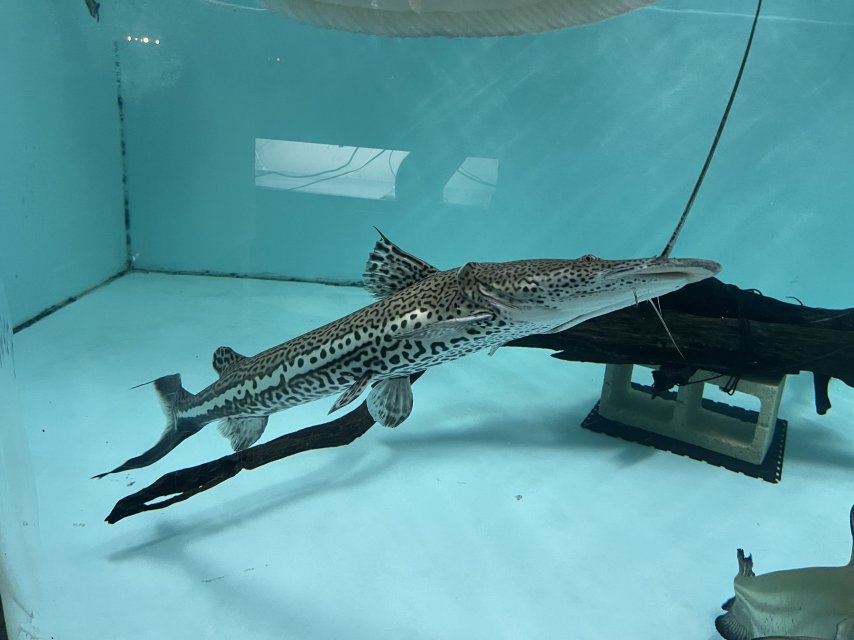
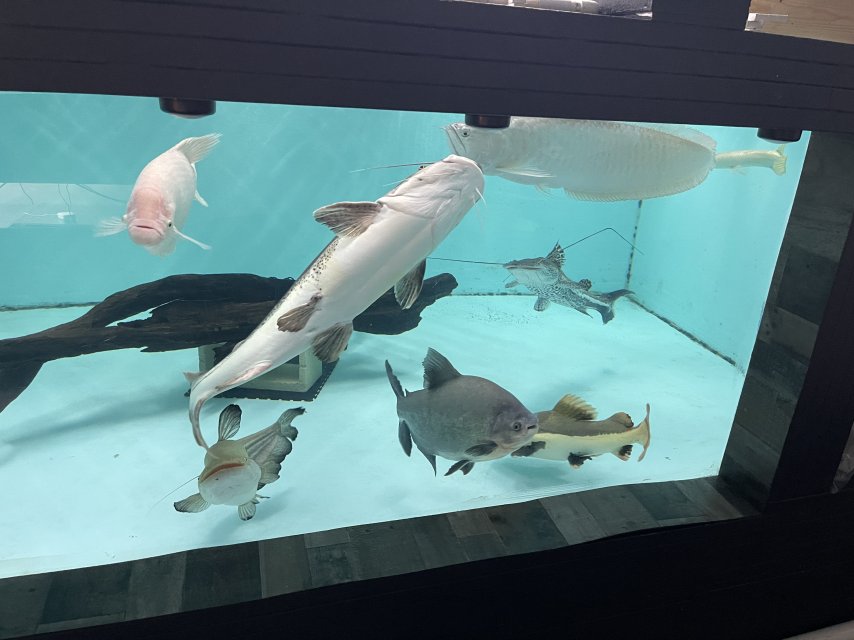
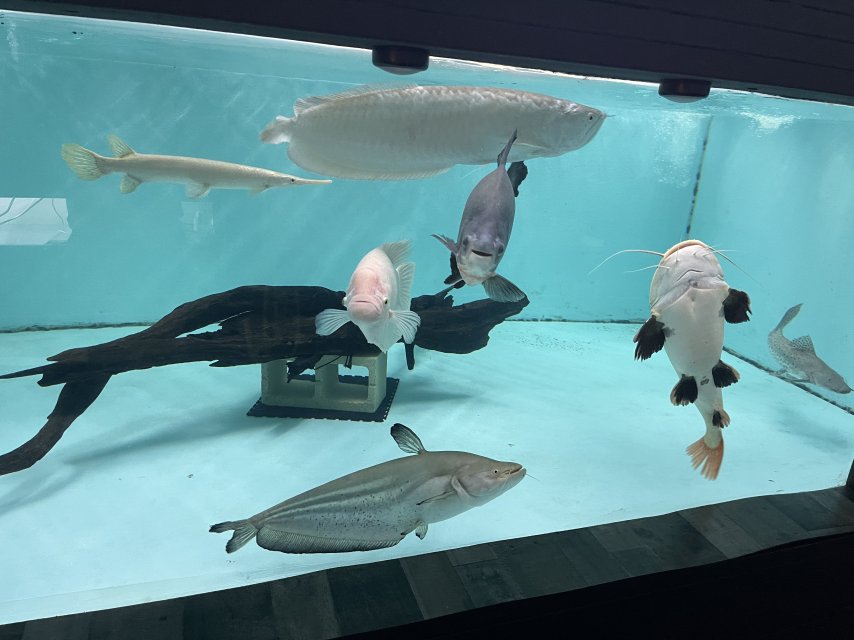
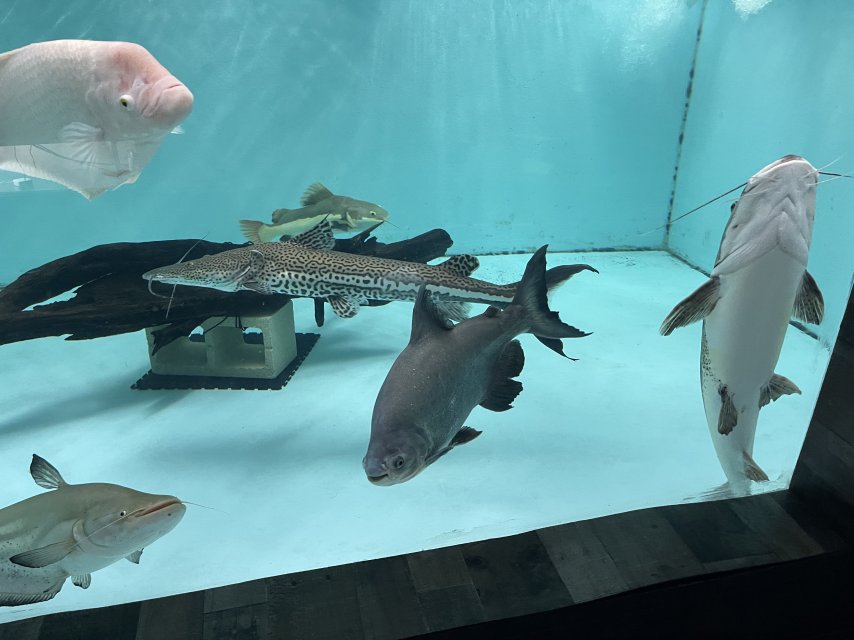
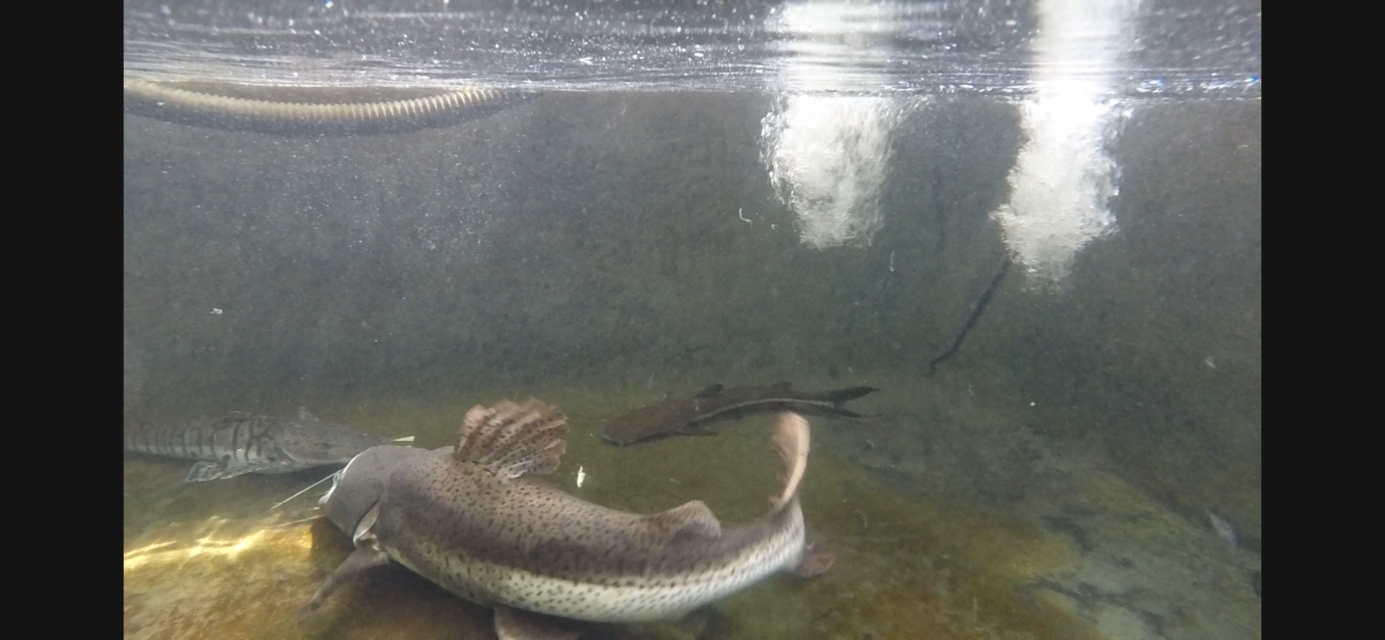
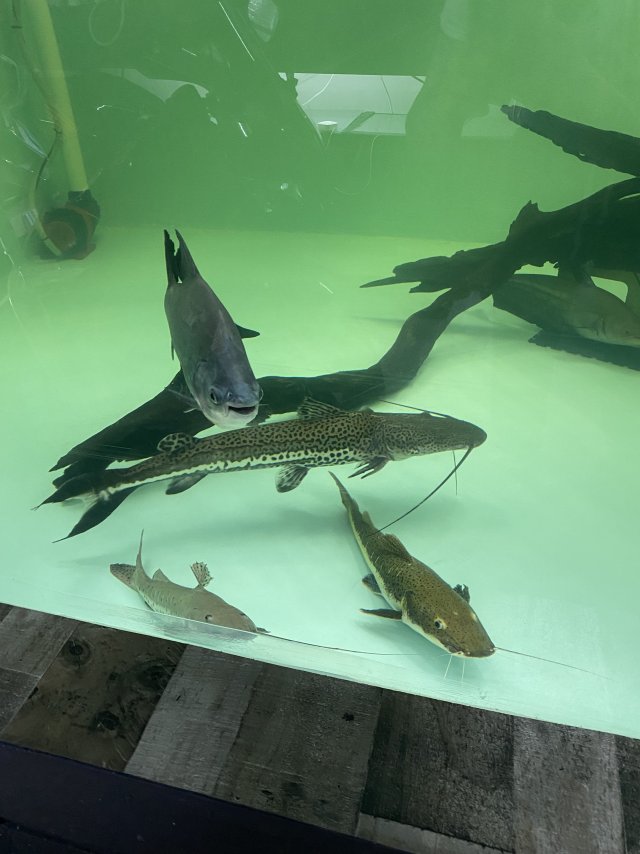
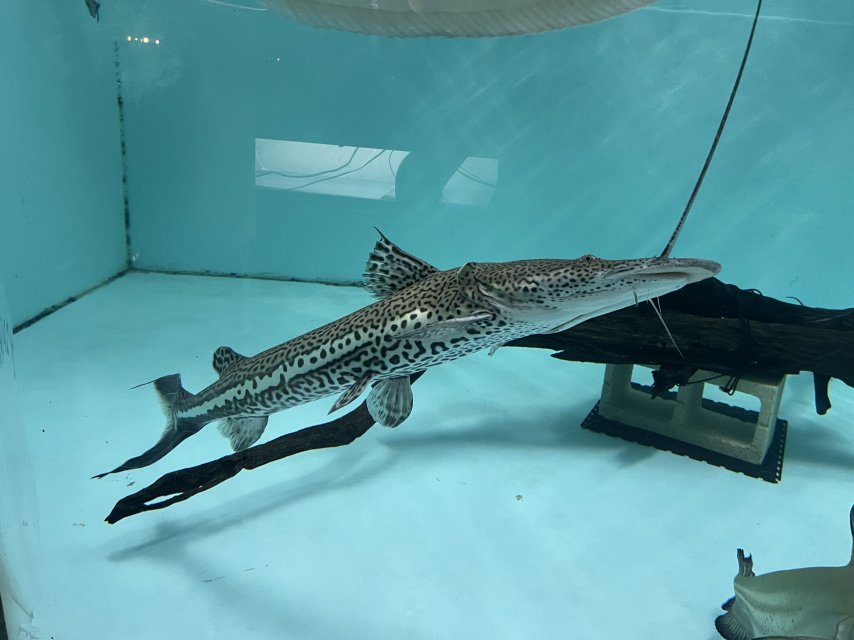
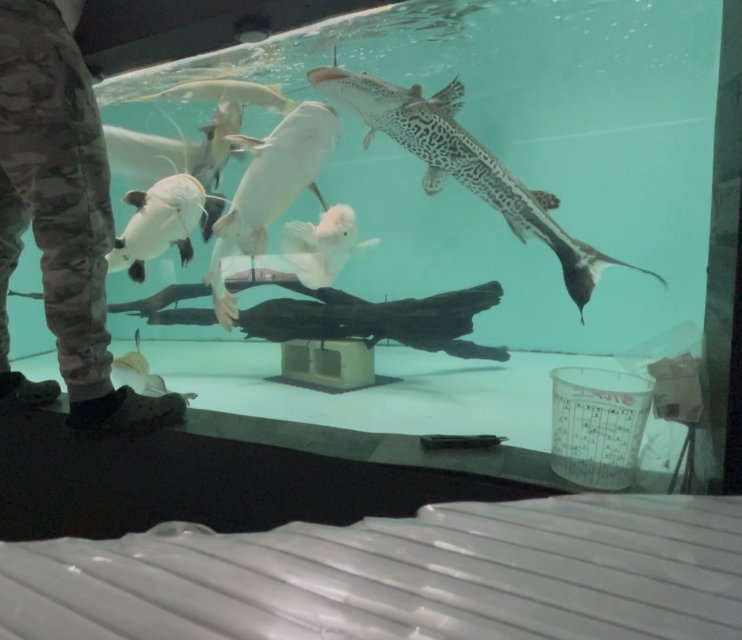
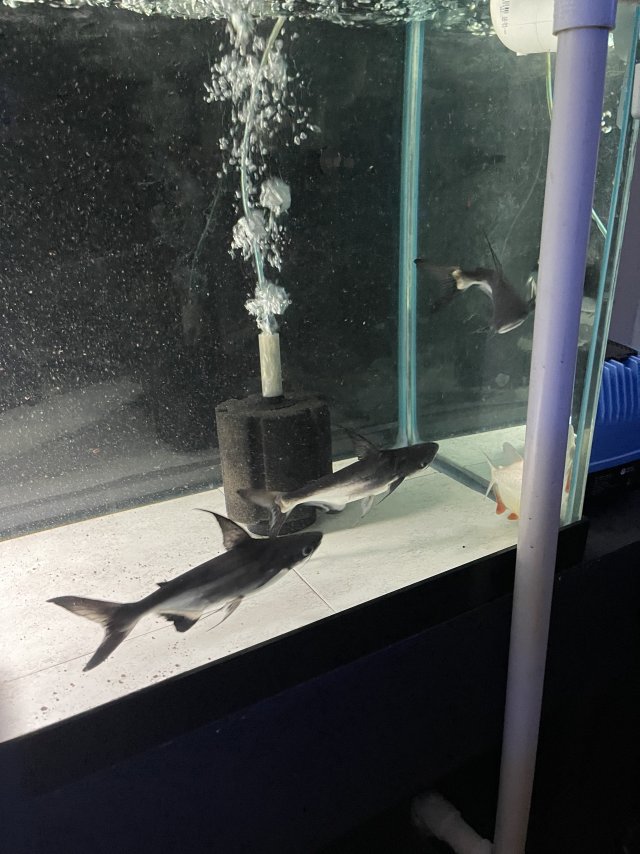
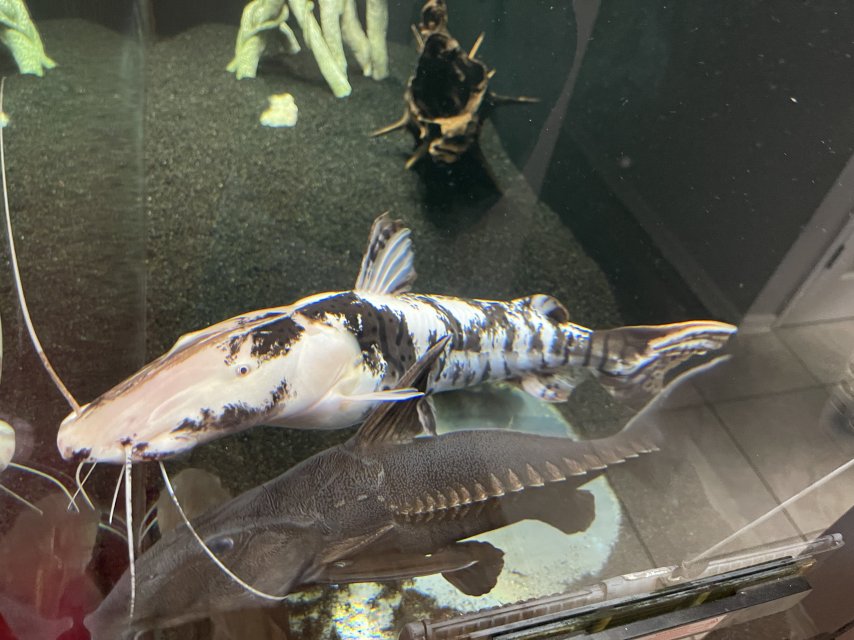
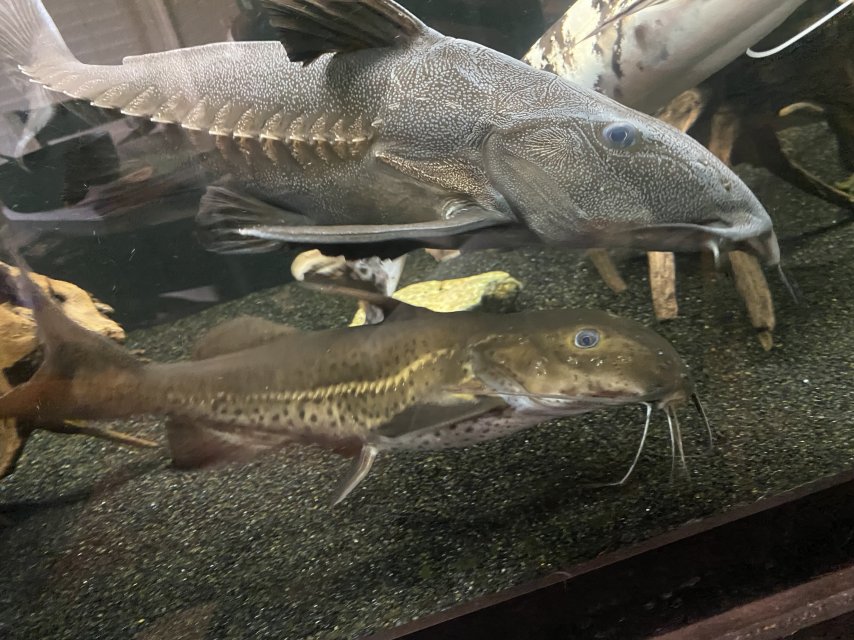
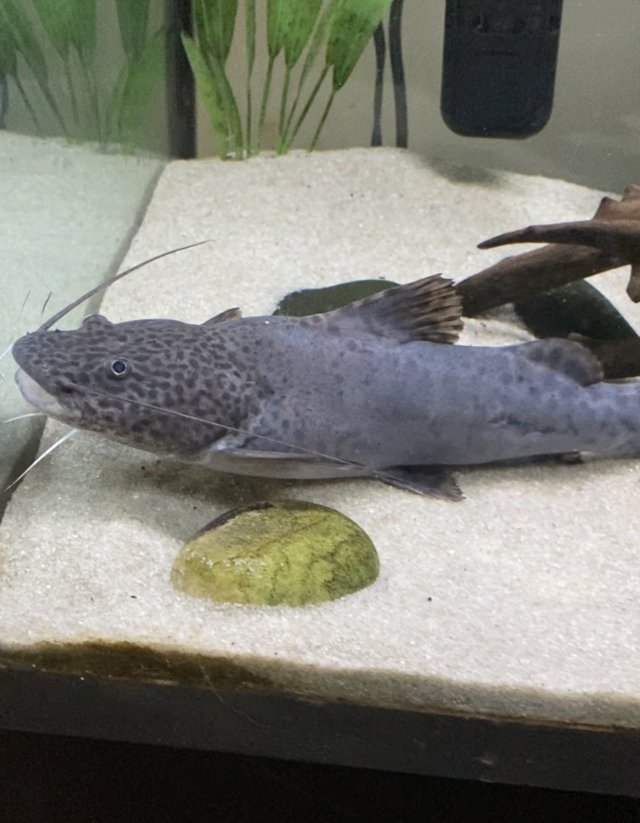
My 4k gallon plywood build 14ft long x 10ft wide x 4ft tall. Has been setup and running for over a year. This was an upgrade from my 1000 gallon liner pond.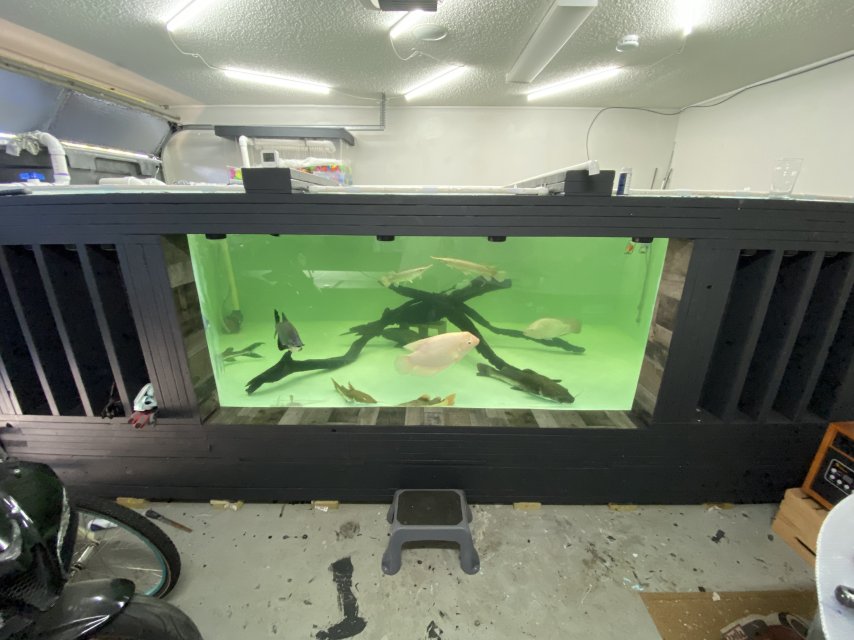
Building process
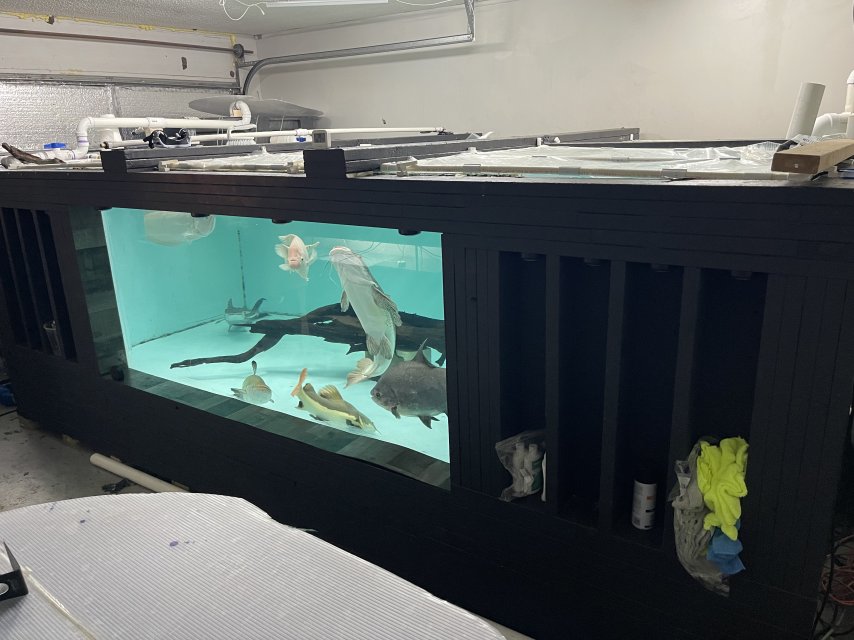
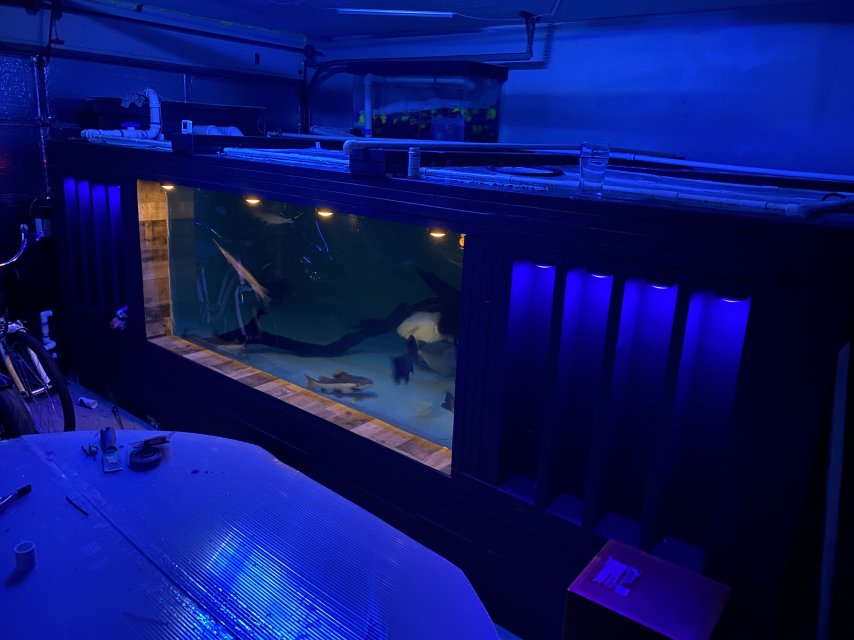
I built the pond in my two car garage to better maintain temp during the winter. Old 1k gallon pond was outdoors in a screened in patio in North Florida. Was able to maintain tropical temp with one 800watt heater. The design is mostly off of AquariumDomain 4500 build. Total cost was around $5-6k for just the pond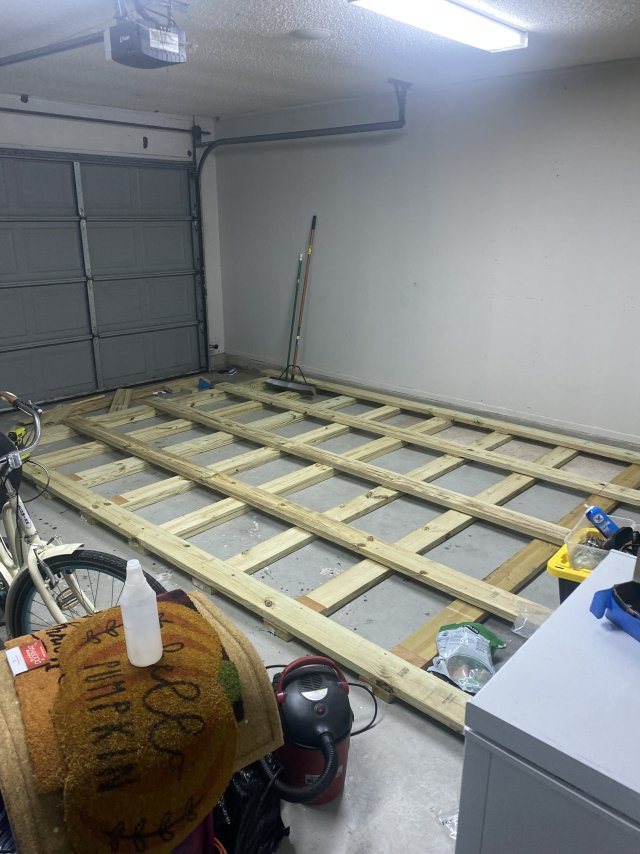
Started by making a level base to account for the 1.5” grade of the garage. Needed to have a solid level base so weight of the water filled up wouldn’t case pressure points and cause a crack
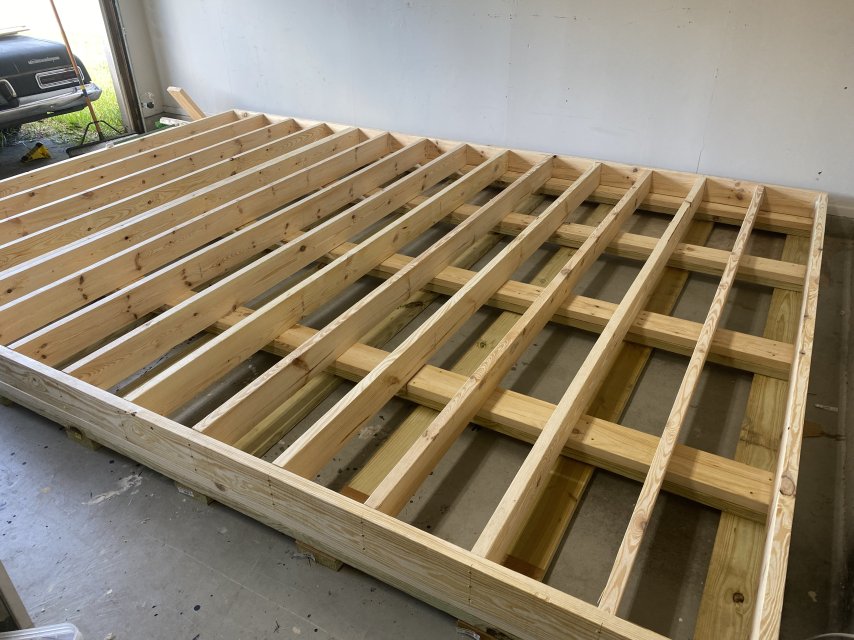
I framed the bottom of the tank with 2x6
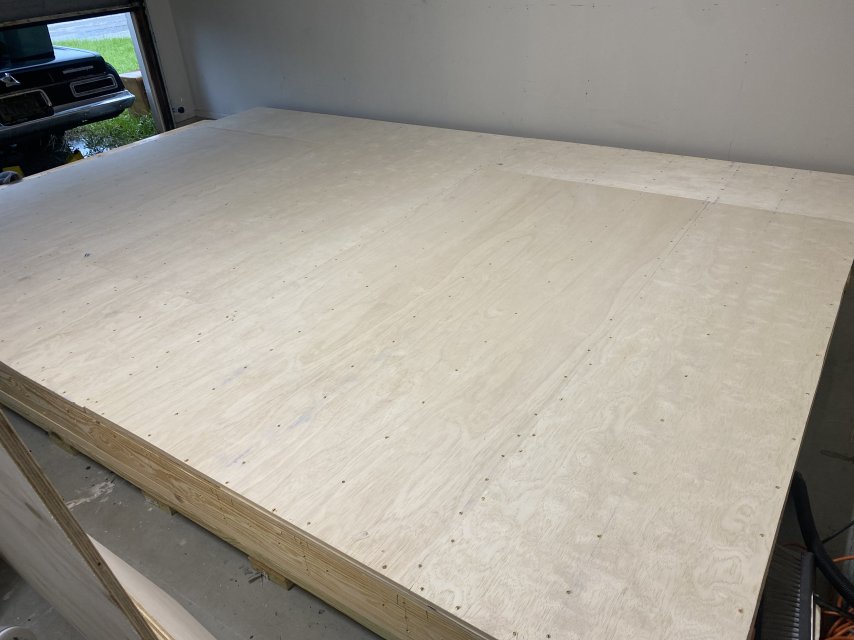
Laid down two layers of 3/4” hardwood plywood on the bottom for a 1.5” base
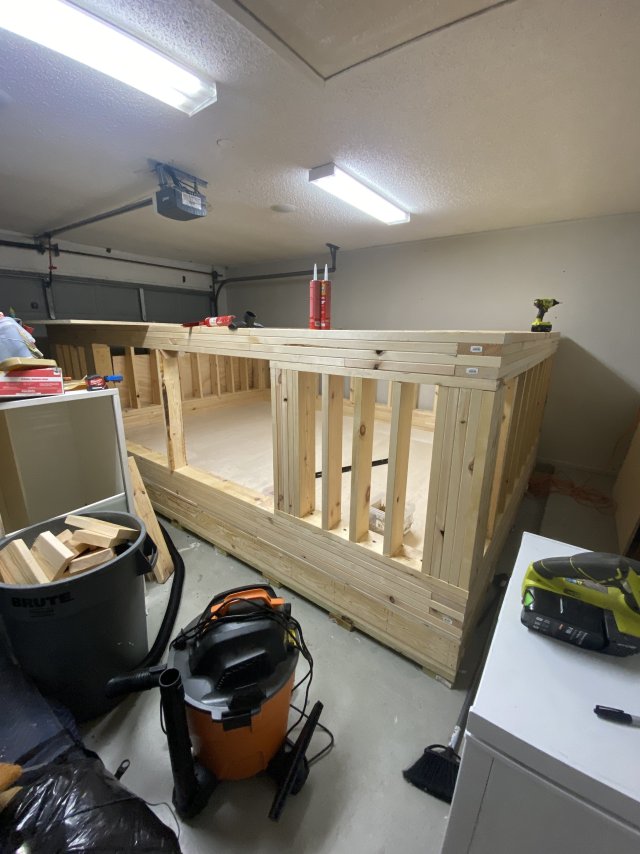
Started the walls by stacking 5 2x6x10 all the way around using many 3” screws and construction adhesive to attach. To save a bit of money and time I used the framing method for the middle of the walls then added 5 more stacked layers on top
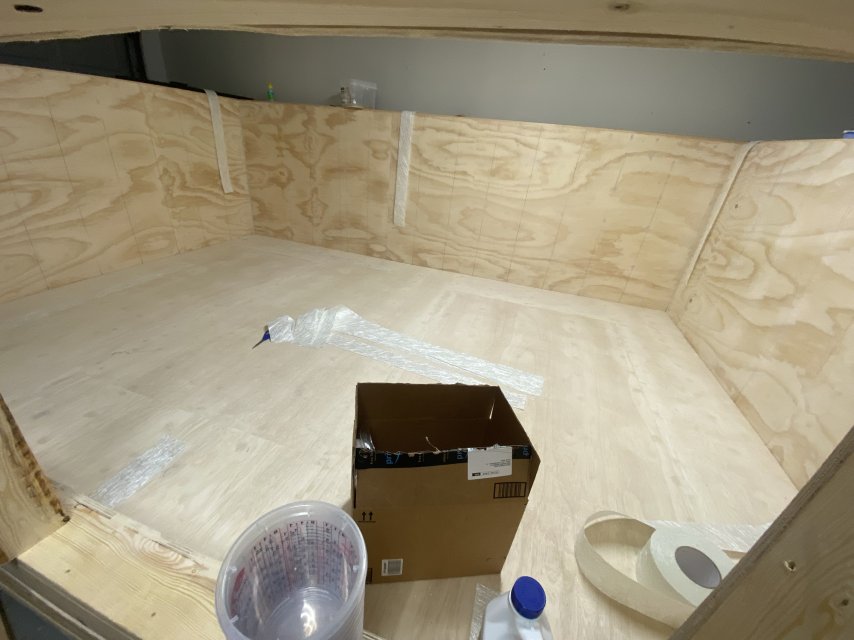
Installed 3/4” hardwood plywood on all the walls. Filled in all screw holes with wood filler and sanded to prep for fiberglass
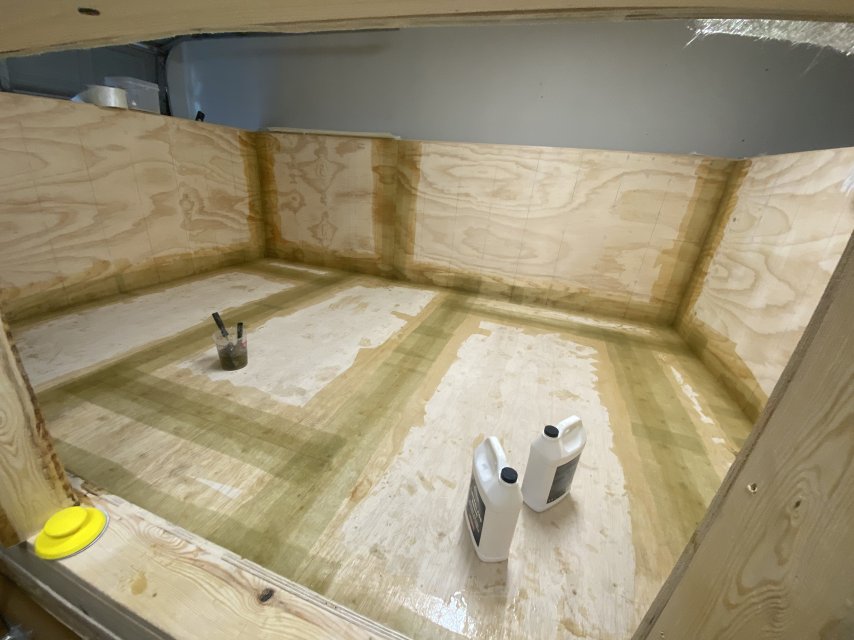
Every seam was fiberglassed with 4 layers. Bottom has 3 layers and walls have two layer of glass
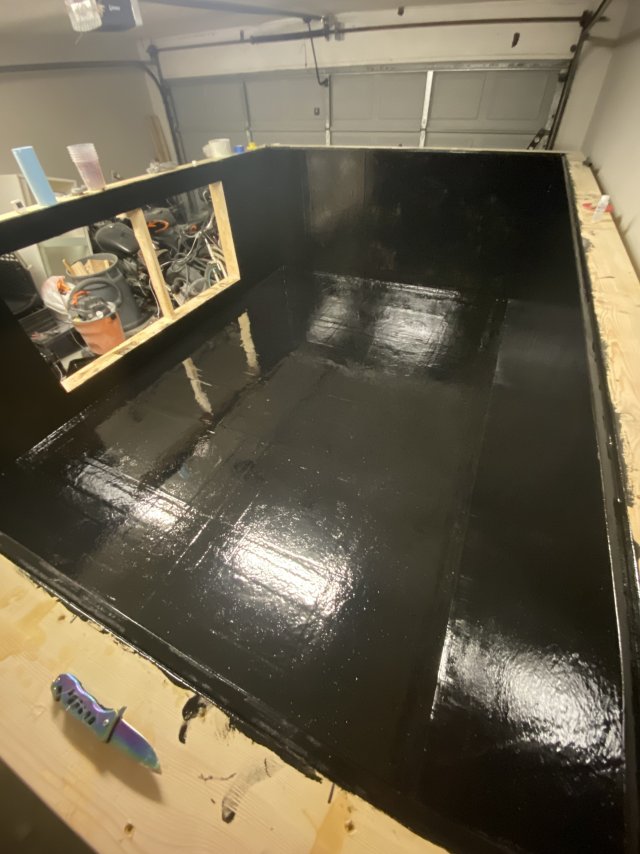
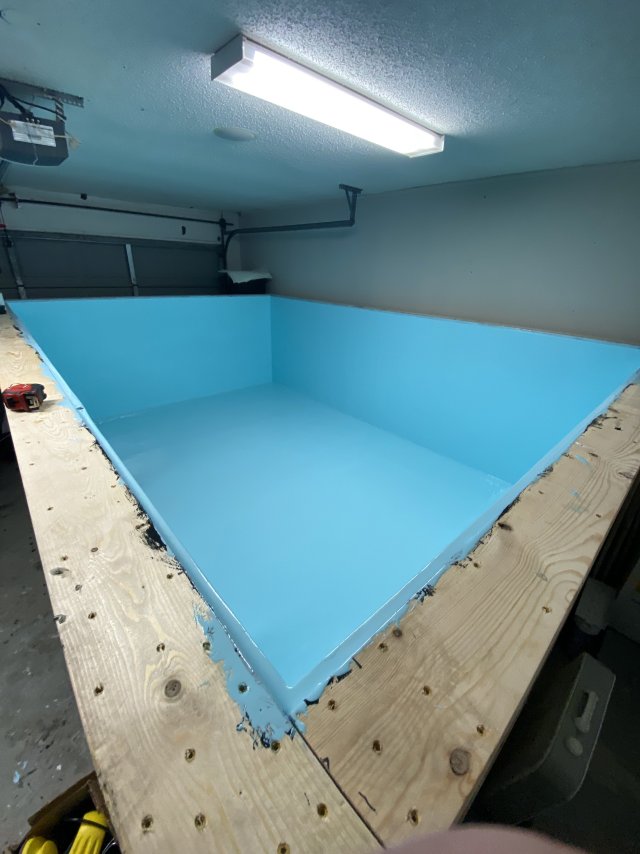
I went with pond shield for the waterproofing. Ended up coating with 4 layers alternating colors each coat for best application. I was able to get a full coat with a 3gallon kit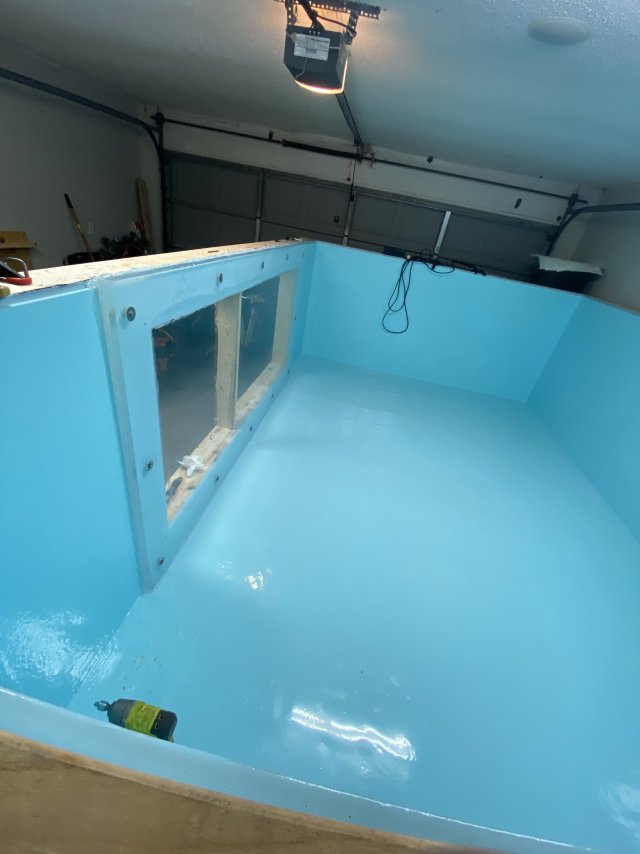
Was able to score a 4x8 1.5” sheet of acrylic of market place for $600. Attached it to the pond with 6” lag bolts and a silicone seal. Used 8 tubes of silicone for a thick seal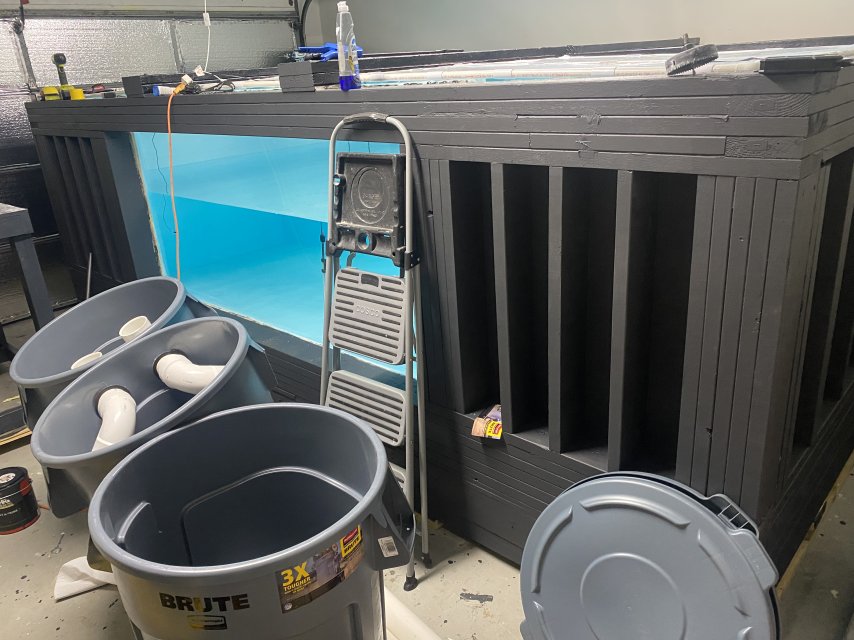
Painted the outside with exterior paint
Filtration
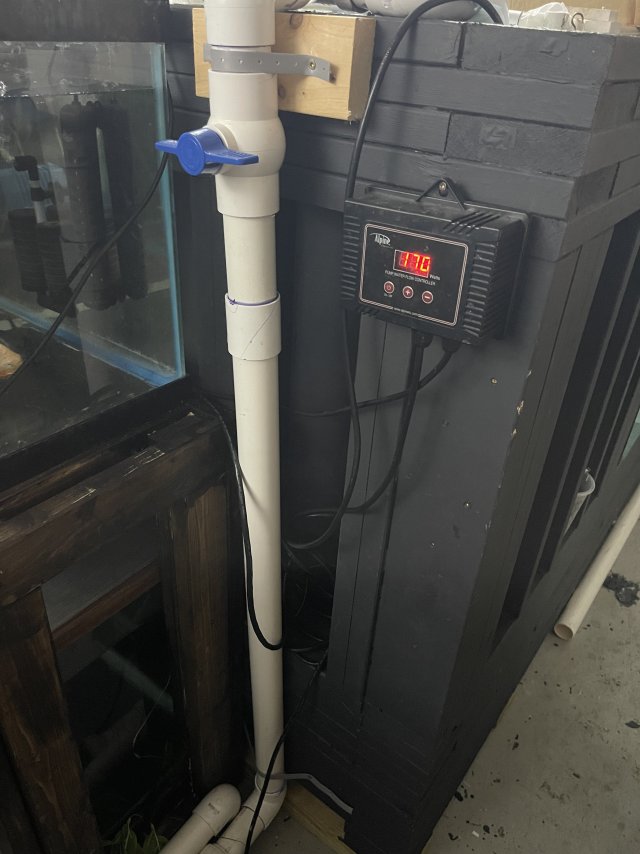
The pond is filtered with two diy filters. Each filter is run with a 5000gph pump on different circuits in the event of something happening one filter will still be running.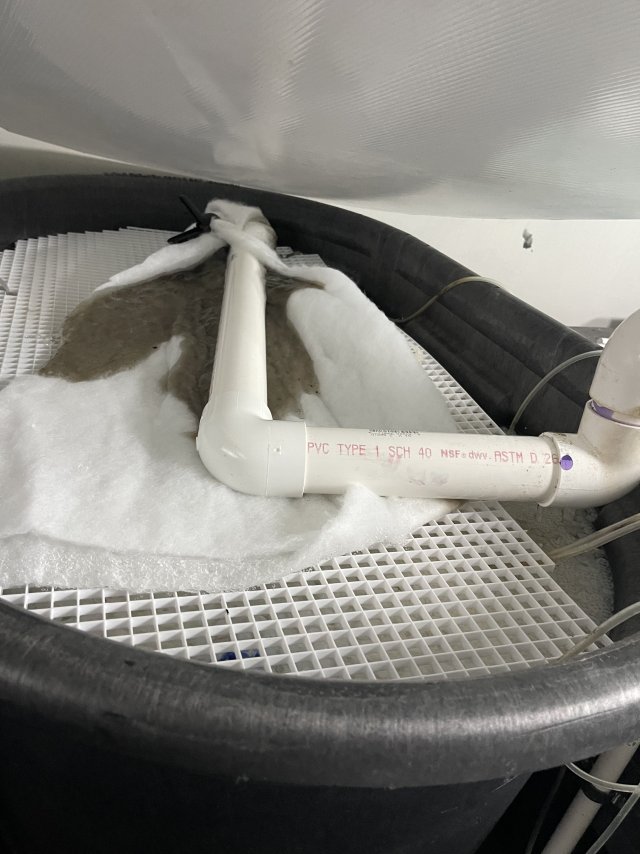
Left side filter is a 100gallon stock tank with 6 cubic feet of k1 media fluidized. Has a poly fill mat as a prefilter for water polishing
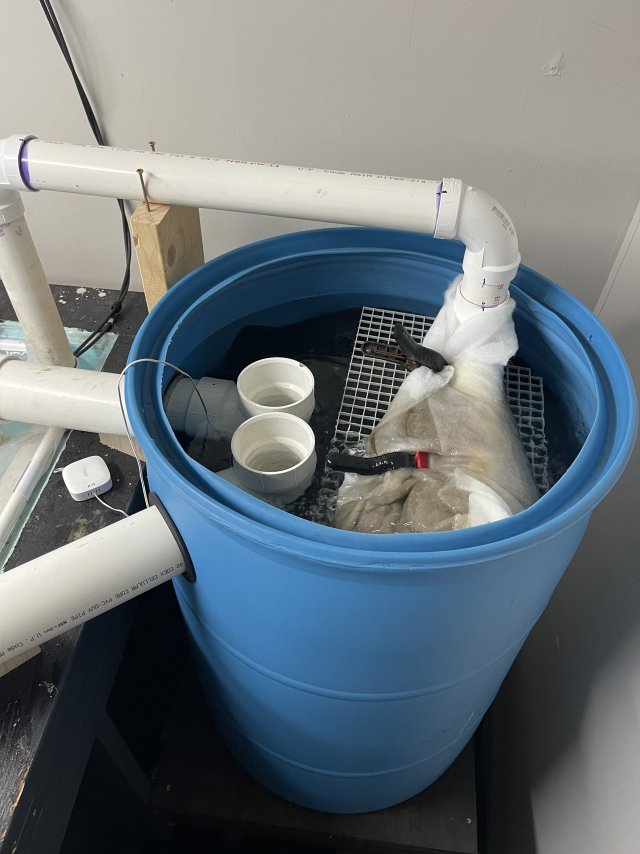
Right side filter is a 55 gallon drum filled with 400 pot scrubbers, 20lb of ceramic media, and around 1000 bioballs with a poly fill mat prefilter.
Heating
I only need to heat the garage for around 5 months out of the year in my climate(North Florida). I heat the garage with a 1500 watt dr infrared space heater. The infrared heater works the best cause it heats the objects in the room vs the air. I have it set to 77 and it keeps all water in garage at 76-77. Once weather warms up the only need to run a small 100watt dehumidifier to keep humidity down. When it gets too hot in garage during the hottest part of the year a just crack the garage and run a box fan to circulate air
Pond maintenance
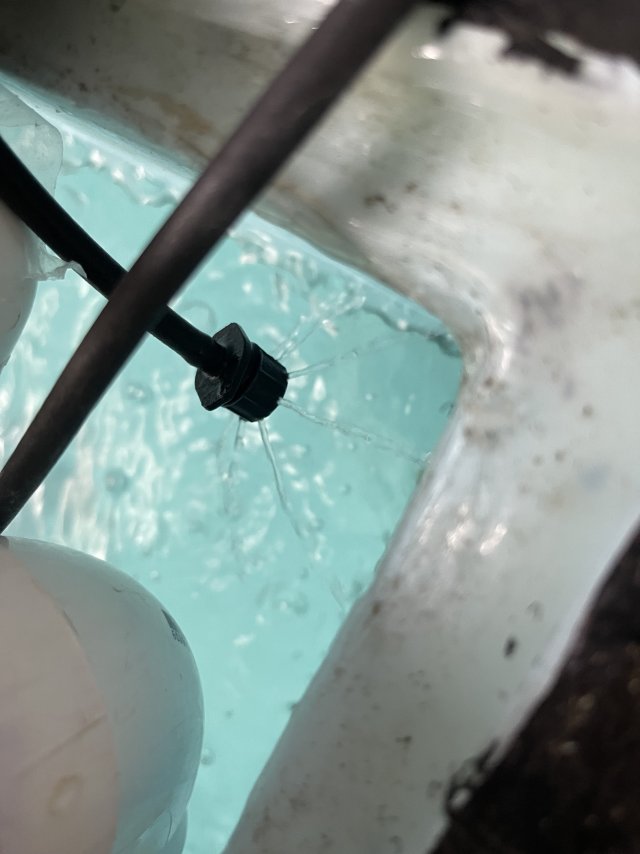
I only go into the pond once every other month to wipe down the panel and scrub a bit of algae off the walls. I change out the poly fill polishing mat on the filters once a week. For water changes I use a drip system at about 9gph rate. I’m on city water so I run it through a 3stage filter to remove the chlorine. I also have one of the filters piped to an exit if i need to get rid of water fast. With the drip I maintain under 20ppm nitrates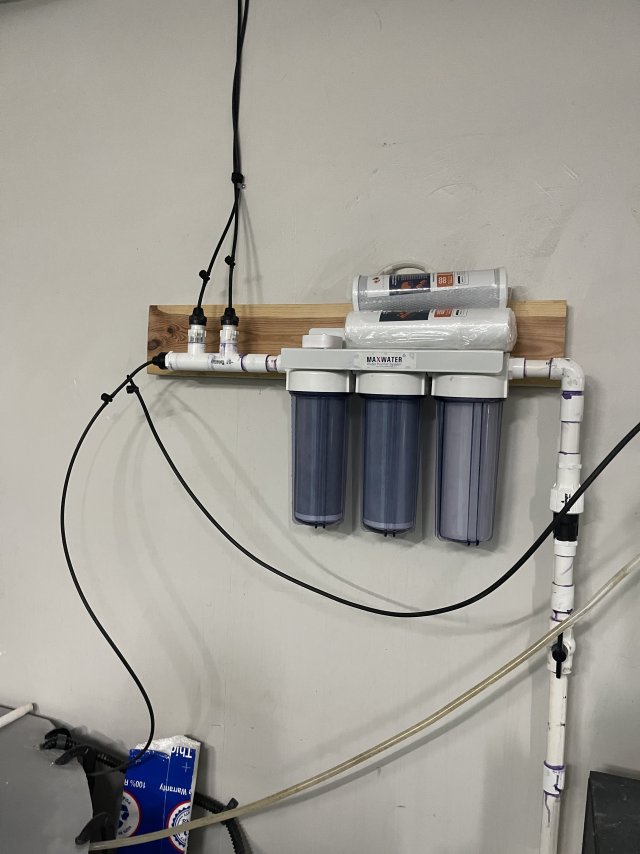
Watts used
For those who are interested in watt usage
Pumps 180watts X2 (24/7)
Air pump 40watts (24/7)
Lighting 3x shop light 45watts 12hours a day
Space heater depending on weather 5-25kwh a day
dehumidifier 3kwh a day when SH isn’t running
Daily 10kwh no heating of dehumidifier
Building process
I built the pond in my two car garage to better maintain temp during the winter. Old 1k gallon pond was outdoors in a screened in patio in North Florida. Was able to maintain tropical temp with one 800watt heater. The design is mostly off of AquariumDomain 4500 build. Total cost was around $5-6k for just the pond
Started by making a level base to account for the 1.5” grade of the garage. Needed to have a solid level base so weight of the water filled up wouldn’t case pressure points and cause a crack
I framed the bottom of the tank with 2x6
Laid down two layers of 3/4” hardwood plywood on the bottom for a 1.5” base
Started the walls by stacking 5 2x6x10 all the way around using many 3” screws and construction adhesive to attach. To save a bit of money and time I used the framing method for the middle of the walls then added 5 more stacked layers on top
Installed 3/4” hardwood plywood on all the walls. Filled in all screw holes with wood filler and sanded to prep for fiberglass
Every seam was fiberglassed with 4 layers. Bottom has 3 layers and walls have two layer of glass
I went with pond shield for the waterproofing. Ended up coating with 4 layers alternating colors each coat for best application. I was able to get a full coat with a 3gallon kit
Was able to score a 4x8 1.5” sheet of acrylic of market place for $600. Attached it to the pond with 6” lag bolts and a silicone seal. Used 8 tubes of silicone for a thick seal
Painted the outside with exterior paint
Filtration
The pond is filtered with two diy filters. Each filter is run with a 5000gph pump on different circuits in the event of something happening one filter will still be running.
Left side filter is a 100gallon stock tank with 6 cubic feet of k1 media fluidized. Has a poly fill mat as a prefilter for water polishing
Right side filter is a 55 gallon drum filled with 400 pot scrubbers, 20lb of ceramic media, and around 1000 bioballs with a poly fill mat prefilter.
Heating
I only need to heat the garage for around 5 months out of the year in my climate(North Florida). I heat the garage with a 1500 watt dr infrared space heater. The infrared heater works the best cause it heats the objects in the room vs the air. I have it set to 77 and it keeps all water in garage at 76-77. Once weather warms up the only need to run a small 100watt dehumidifier to keep humidity down. When it gets too hot in garage during the hottest part of the year a just crack the garage and run a box fan to circulate air
Pond maintenance
I only go into the pond once every other month to wipe down the panel and scrub a bit of algae off the walls. I change out the poly fill polishing mat on the filters once a week. For water changes I use a drip system at about 9gph rate. I’m on city water so I run it through a 3stage filter to remove the chlorine. I also have one of the filters piped to an exit if i need to get rid of water fast. With the drip I maintain under 20ppm nitrates
Watts used
For those who are interested in watt usage
Pumps 180watts X2 (24/7)
Air pump 40watts (24/7)
Lighting 3x shop light 45watts 12hours a day
Space heater depending on weather 5-25kwh a day
dehumidifier 3kwh a day when SH isn’t running
Daily 10kwh no heating of dehumidifier