Almond leaves in aquariums

  • We are currently upgrading MFK. thanks! -neo
Your drift wood will probably add some tannins, but they will be like that one green MnM, unoticble.
It takes a lot of leaves, wood, or material like peat to make much of a black water dent.
In the states I would collect bushels leaves in fall, and soak them in rain barrels with logs, where the water would turn the color of strong tea, but even then mixed in large tanks, the tannins basically would disappear.
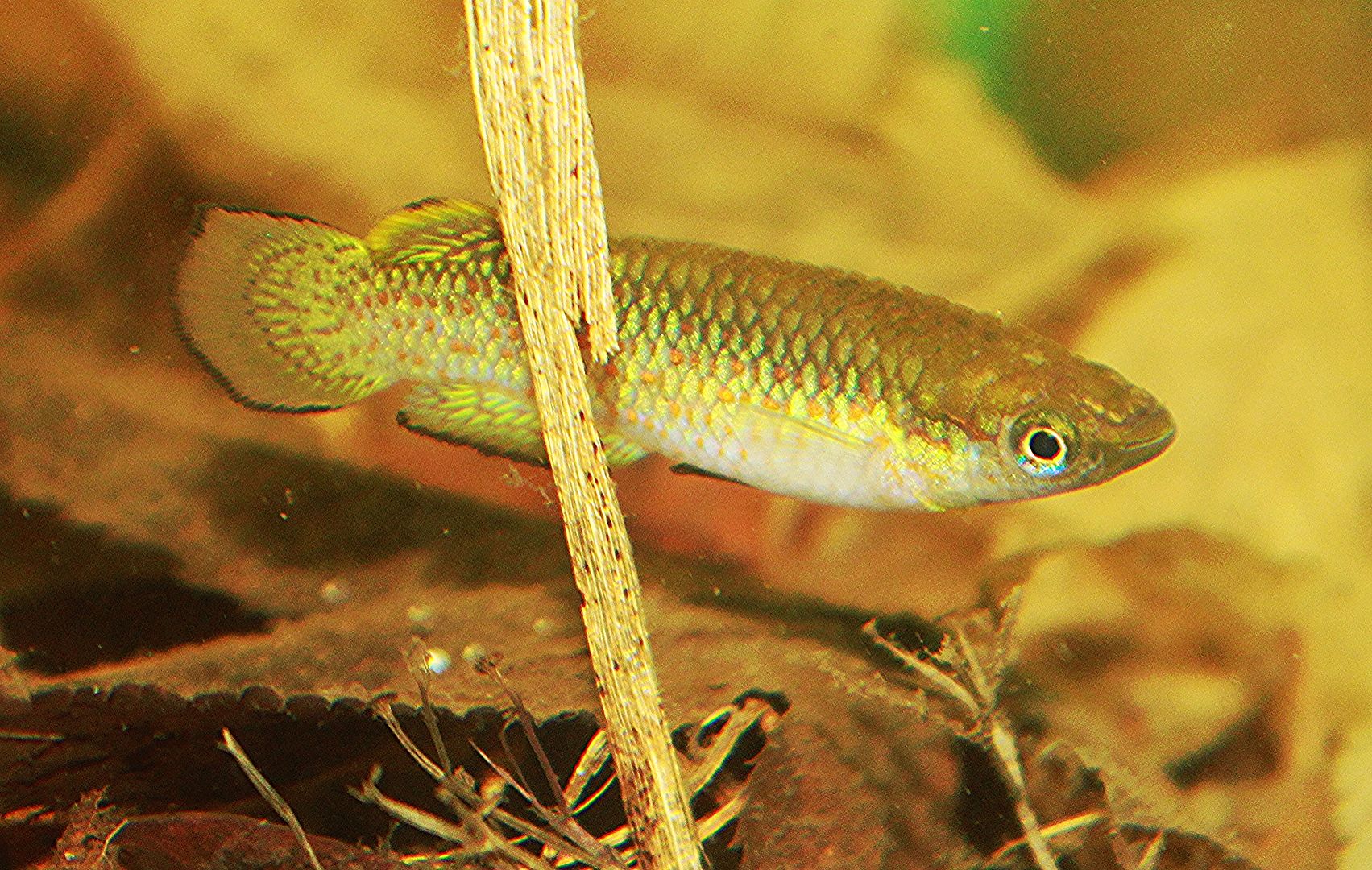
They worked best in small tanks of 40 gallons or less where I was raising killis, and wild type betta's (like the photo posted above).
 
  • Like
Reactions: tlindsey
To get benefits of humic and fulvic substances one doesn't even have to have visibly tinted water.....Just saying that trowing some leaves won't hurt. Any type of fish will benefit and it is not limited to soft water fish only as the effect is not from lowering one's KH and in turn pH but from the actual type of acids these dried leaves and such release. .

Those acids may have mild effect on one's buffering capacity but in hard water the effect on water stats will be minimal to none.
On another hand, I don't like almond leaves as they break down fast. The problem is aesthetic. Oak leaves, alder cones, driftwood are better alternatives. I've also used rooibos tea.

Just to add that the bottom down effect of humic and fulvic substances is from them being mild irritants which stimulates the immune system of the fish in a good way...It may sound off but it is a good thing and they play a role in fish remaining healthy and recovering faster.
 
  • Like
Reactions: tlindsey
I have read a LOT of papers on this subject over the years, and the papers that I have read, including some of the most current ones, all pretty much state the same thing. Generally concentrated extracts with much higher total phenolic compounds, and tannic acid are described as being used when conducting studies involving antibacterial properties, not a couple of leaves per 90 gallons of water x set number of days prior to next dilution from a water change.

As an example …..


There's probably hundreds more - but they all echo the same results, the antimicrobial activity that combats various bacteria in a closed system such as an aquarium comes at higher set values, far more than just a few leaves per 100 gallons of water. What else is a common theme in all of these various papers & studies, is that too little does next to nothing, and too much and it can become toxic, even lethal to many fish.


ABSTRACT:
Present study was conducted to assess the toxic effect of Terminalia catappa leaf extract on the red Nile tilapia (Oreochromis niloticus) juveniles under static toxicity exposure (96 h exposure). Different concentration of leaf extracts was administered (700 ppm, 800 ppm, 900 ppm, 1000 ppm and 1100 ppm) on red tilapia juveniles in 5 experimental tanks in triplicate. A total of 10 red Nile tilapia juveniles per tank were used as experimental specimens. Median lethal concentration value, LC50 was determined and juvenile behavioral changes were documented. Results showed that the LC50 value was 900 ppm at a random range of time up to 96 h. Present study will be beneficial in considering the proper utilization of T. catappa leaf as potential antibacterial agent in conventional aquaculture practices.
 
Last edited:
  • Like
Reactions: EntoStentor
not a couple of leaves per 90 gallons of water x set number of days prior to next dilution from a water change.

It doesn't have to be just a couple of leaves.... What I am saying is that the water doesn't need to be tinted or not tinted much in order for those to have an effect and it is more beneficial to put them in than not to put them in...I personally would not discourage anyone from adding stuff like that to a tank..

Results showed that the LC50 value was 900 ppm at a random range of time up to 96 h.

These are massive levels that one can really only achieve in a laboratory.....

Also, did they die from the catappa concentrate or because the water was way too acidic...As we all know, adding acid at such levels of any kind will have detrimental effect on fish, surprised they lasted at all at such concentrations as the pH was probably zero-ing out...
 
It doesn't have to be just a couple of leaves....

You might want to take another look at the pics posted by the OP, as in the bag of leaves, and the leaves in his sump. The effect will be nil. Or as Duane put it;
That said, a half dozen leaves in a 90 gallon is like adding 1 green MnM to a thousand brown ones, a drop in the bucket.
Adding a bag of leaves to your average tiny Betta enclosure is a different story


I personally don't care if the OP puts them in his sump, or smokes them in a bong, I just didn't want anyone thinking that by adding a few leaves to a 100 gallon system they are somehow influencing the bacteria count in their tank - because they won't be. The LC50 with these leaves has been demonstrated on a number of species of ornamental species over the years, if you would like to argue the results of the toxicity levels these various researchers have found, feel free to contact them.

My overall point was quite simple, or so I thought. The overall common theme in all of these various papers & studies, is that too little does next to nothing, and too much and it can become toxic, even lethal to many fish. With regards to microbial and antibacterial benefits, a little, does not go a long ways.

These are massive levels that one can really only achieve in a laboratory.....

Exactly, same as the concentrated extracts that prove their antibacterial benefits regarding fish.

If the leaves are added to benefit breeding in some species, or feeding patterns, or even are purely for aethetic, reasons, that's all good - but please let's not pretend that adding what the OP did to his sump, is going to do anything more than make a mess. They weren't even added to the tank itself .....
 
My current results are of course, anecdotal, more opinion than anything else, and I have no way of measuring ppm. (and water color changes with rainfall (last night the blowing winding rain was so heavy it overflowed my sump (on the ground))
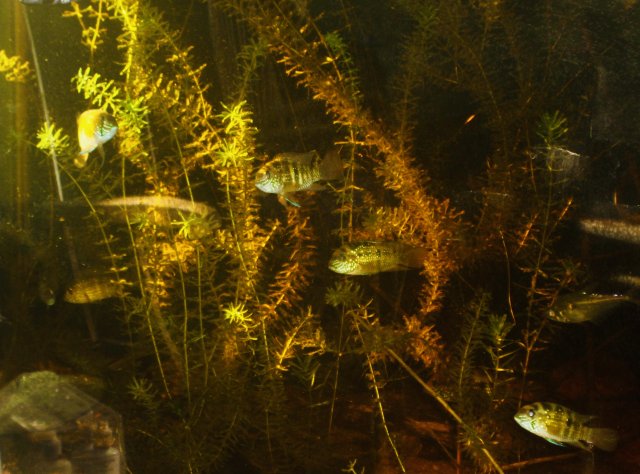
On cloudy days, i can barely see the fish. With this seasonal tannin boost, the fish seem to have ramped up colors (my photos some posts back) although it could be simply reflection, yet I have yet to see any deleterious effects (when they are visible) from the Lipton like concentration.
fullsizeoutput_1479.jpeg
The tank still leaks a little from earthquake damages, but only significant between about 9 AM, and 11 AM.
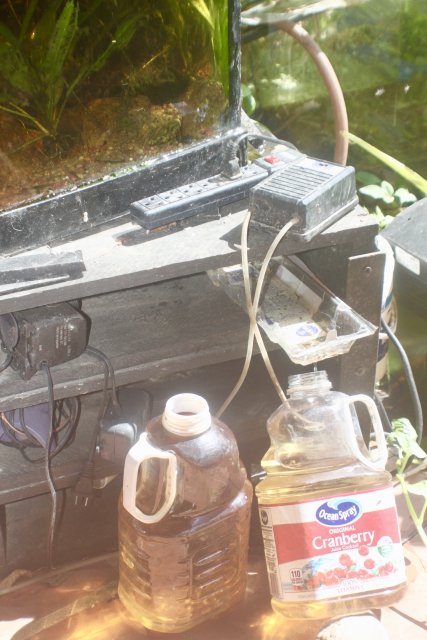
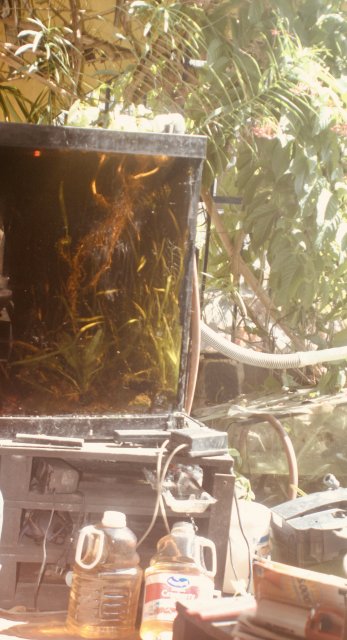
Once the direct sunlight passes the tank stops leaking, tannins are easy to see in the leak catcher jugs.
fullsizeoutput_14d8.jpeg
fullsizeoutput_14d9.jpeg
 
  • Like
Reactions: Coryloach
MonsterFishKeepers.com