

I have read the same report, I think it was the other way round and also alot of gut content papers can be misleading due to some types of food get digested faster then others, fish is digested faster than insectI think it was Duanes who recently posted that in the wild,dovii cichlids become mostly insectivores when they become adults.I am not sure if dovii keepers mimic this diet specialty in their tanks but perhaps there is some correlation between the large size of wild adults and their particular nutrition requirement.
Big boys, tank v wild
- Thread starter dan518
- Start date
You are using an out of date browser. It may not display this or other websites correctly.
You should upgrade or use an alternative browser.
You should upgrade or use an alternative browser.

lol yes sir... Those discus kids got nothing on meFifty percent daily on a 450.....my goodness!

Dieselmack was the man....true pioneer.I wonder what he is up to these days.Getting my permit to buy fish from Anderson minnows tommorow, they apparently have disease inspections regularly and cut deals for big orders. To each their own I guess you'll have people say their worried about parasites which are a risk and also qt them which takes time and is a hassle to most, dieselmack has always been my inspiration in the cichla game and his bass were the most gorgeous cichla I have ever seen. I will say in terms of feeding live besides qt and gutloading it does increase their aggression a lot.
Just curious but why do you need a permit to order from Anderson?
not quite sure honestly, they emailed me a permit form I have to fax to the fish and game here in Ohio to I guess let them know I'll be bringing in golden shiners.Dieselmack was the man....true pioneer.I wonder what he is up to these days.
Just curious but why do you need a permit to order from Anderson?

Interesting,must be some sort of state requirement for Ohio residents.
I think they did say that. They said it's free and everyone gets approvedInteresting,must be some sort of state requirement for Ohio residents.
Quite alright, been interesting reading.dan518 sorry for derailing your thread.

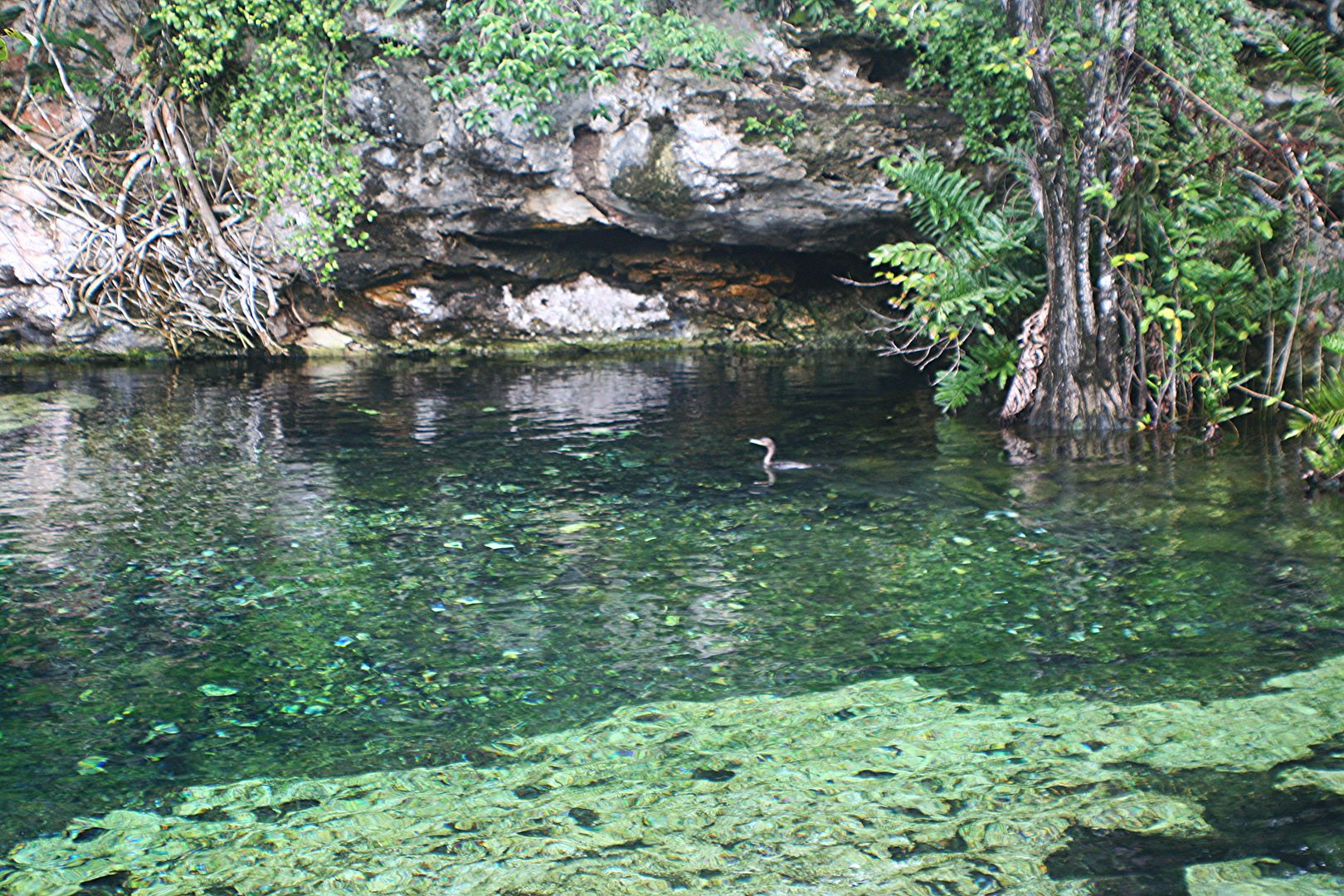
I have seen a few wild Mayaheros uropthalmus males in Mexico that easily hit 20", they have giant territories maybe 1,000 gallons square each, and are seldom seen, because they are hidden deep in caves in cenotes where 100% of the water in that cave seems to well up and change every second, and they kill any cichlid that comes close, except receptive females.
Once they make that size, the amount and type of predators diminish significantly.
Other smaller individual have scars that appear to be mainly from bird attacks, very few make it to adulthood.
Here in Panama we have feral Peacock bass, yet these only reach about half the size of those in the Amazon.
The water in Lake Gatun where they are feral unlike the Amazon, is high in conductivity, and pH often reaches 9. I believe this may be the limiting factor for their size, while Umbi's (evolved to live in harder mineral rich waters) in other parts of southern Panamanian high flow rivers can be massive.
This may also be the cause in aquariums, much of the US has hard, mineral rich water, and aquarists seldom come close to the kind of massive water changes many cichlids experience in nature.
The Amazon river discharges 11 million cubic feet of water per second into the Atlantic,
the Chagres river here in Panama average discharge is 3000 cubic feet of water per second, but during the rainy season can be as high as 31.000 cubic feet per second.
I don't believe anyones water change schedule ever comes even remotely close.
Once they make that size, the amount and type of predators diminish significantly.
Other smaller individual have scars that appear to be mainly from bird attacks, very few make it to adulthood.

Here in Panama we have feral Peacock bass, yet these only reach about half the size of those in the Amazon.
The water in Lake Gatun where they are feral unlike the Amazon, is high in conductivity, and pH often reaches 9. I believe this may be the limiting factor for their size, while Umbi's (evolved to live in harder mineral rich waters) in other parts of southern Panamanian high flow rivers can be massive.
This may also be the cause in aquariums, much of the US has hard, mineral rich water, and aquarists seldom come close to the kind of massive water changes many cichlids experience in nature.
The Amazon river discharges 11 million cubic feet of water per second into the Atlantic,
the Chagres river here in Panama average discharge is 3000 cubic feet of water per second, but during the rainy season can be as high as 31.000 cubic feet per second.
I don't believe anyones water change schedule ever comes even remotely close.
