

Bullheads: The Little Monster Catfish
By Arthur Masloski (Sandtiger)
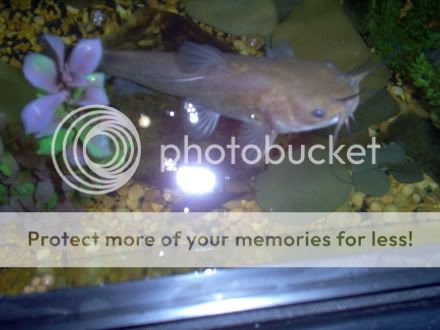
My brown bullhead greeting my at the surface.
Okay, so bullhead catfish arent really little but compared too many of the larger species of catfish available they are at least manageable. Some of the most popular catfish on the market are also the largest red tails, tiger shovelnose, iridescent sharks, channel catfish. Bullhead, though not very flashy or colorful are at least a bit smaller but still large enough to achieve at least semi-monster status.
What is a bullhead?: Bullheads are medium to large sized catfish native to North America. They belong to the genus Ameiurus within the Ictaluridae family. Other members of the family include the smaller madtoms and larger fish such as channel and flathead catfish. This article will only concern the members of the Ameiurus genus. There are 7 recognized species of bullhead and they are listed below along with their length. Bullhead are pretty easy to ID, most of them with the white catfish being the exception have a squared end to their tail rather than a forked end. Sizes were gathered from fishbase.org and may vary from individual to individual. The most common bullheads caught and kept are the brown, yellow and black.
Snail Bullhead (Ameiurus brunneus) 11
White Catfish (Ameiurus catus) 3
Brown Bullhead (Ameiurus nebulosus) 21
Black Bullhead (Ameiurus melas) 25
Yellow Bullhead (Ameiurus natalis) 18
Flat Bullhead (Ameiurus platycephalus) 11
Spotted Bullhead (Ameiurus serracanthus) 11
Temperature and Tank Conditions: Bullheads are very hardy fish, capable of surviving a wide variety of climates and conditions. They can be found as far north as Canada and have been introduced to many tropical places around the globe, even places like Hawaii. Temperature is not a severe issue but I would avoid extreme high temps. IME, young bullhead fry do poorly in warm temperatures while older fish seem hardier. My bullhead fry died at a temp of 78 F but there was not additional supply of oxygen so a low DO may have been the cause of death. Bullheads are forgiving as far as water quality in concerned but they should still be treated as other aquaria fish and be provided with clean water and regular water changes. Try to match your water with where ever your fish came from if possible.
Diet: Bullheads will eat just about anything, in the wild they feed off anything that falls to the bottom. Dead fish, live fish, plant matter, invertebrates, fish eggs etc. In captivity they will also eat just about anything. Shrimp pellets, bloodworms, flakes, earthworms, algae wafers, cucumber and just about anything sold as fish food will make a bullhead happy. Variety in any fish is the spice of life so a varied diet is best. They can be trained to come to the surface for food and even eat straight out of your hand.
Tank Setup/Size: Bullheads are nocturnal so dim lighting is best, provide them with plenty of cover in the form of floating plants, driftwood and caves. A gravel bottom is probably best being they hang out on the bottom sand is too messy and they do enjoy digging. Live plants will probably be uprooted or eaten. As for the size of a tank, being that all of the bullhead get over a foot long or close to it I would suggest at least a 50g tank. Of course, larger tanks should be given to larger species.
Tankmates: Being that bullhead will eat just about anything it goes without saying that tankmates should be large and hardy. Bullheads will attempt to eat just about any fish it thinks will fit in its mouth, even if it doesnt. I have seen bullhead shove minnow after minnow into their mouths and allow their belly to grow larger and larger to the point that it looks like the fish will pop. Generally, larger sunfish, perch and cyprinids will make the best tankmates. Other bullheads are an option in larger tanks but they may squabble over territory.
Getting A hold of bullheads: Bullheads are easy to catch, just ask any fisherman. A simple hook and line with a worm on the end will do just fine but to reduce stress on your future pet use a barbless hook and bring the fish in quickly. Bullheads are most active at night and when it rains. Bullhead spawn in the spring and younger fish can be found at this time schooling around the shallows. Minnow traps can catch bullhead, use stinkbait, meat, dog food and just about anything smelly as bait even soap will work in some cases. Netting bullhead can be tricky, the sharp locking spines can get tangled in nets and make it a real PITA to remove the fish safely. I dont suggest using them. Bringing that to mind it is important to remember that bullheads are capable of piercing human skin and have a mild venom that will hurt, be careful handing a bullhead of any size. Make sure you check your local laws first on collecting bullhead. If you are lucky you may be able to purchase them online, from a hatchery or one of the few LFS allowed to sell natives.
Breeding: While bullhead breeding habits are interesting they are next to impossible to achieve in the home aquaria if not impossible all together. Why you ask? Because bullhead dig tunnels in the mud when they breed, something that cannot be replicated in fish tanks.
Conclusion: Bullheads are fascinating and intelligent catfish that every aquarist should consider. They are by far the most active catfish I have ever owned, putting even corydoras to shame. All the bullhead I have kept swim about the tank on the bottom, middle and surface layers. They are very owner responsive and curious fish. They will hand feed and come to the surface when they see you and even follow you around. They do get a bit of size on them but it is worth it and while they may look bland they are beautiful in their own rights and make up for it with a terrific personality. I hope you give bullhead a try or at least consider them when looking for a larger catfish species.
By Arthur Masloski (Sandtiger)
My brown bullhead greeting my at the surface.
Okay, so bullhead catfish arent really little but compared too many of the larger species of catfish available they are at least manageable. Some of the most popular catfish on the market are also the largest red tails, tiger shovelnose, iridescent sharks, channel catfish. Bullhead, though not very flashy or colorful are at least a bit smaller but still large enough to achieve at least semi-monster status.
What is a bullhead?: Bullheads are medium to large sized catfish native to North America. They belong to the genus Ameiurus within the Ictaluridae family. Other members of the family include the smaller madtoms and larger fish such as channel and flathead catfish. This article will only concern the members of the Ameiurus genus. There are 7 recognized species of bullhead and they are listed below along with their length. Bullhead are pretty easy to ID, most of them with the white catfish being the exception have a squared end to their tail rather than a forked end. Sizes were gathered from fishbase.org and may vary from individual to individual. The most common bullheads caught and kept are the brown, yellow and black.
Snail Bullhead (Ameiurus brunneus) 11
White Catfish (Ameiurus catus) 3
Brown Bullhead (Ameiurus nebulosus) 21
Black Bullhead (Ameiurus melas) 25
Yellow Bullhead (Ameiurus natalis) 18
Flat Bullhead (Ameiurus platycephalus) 11
Spotted Bullhead (Ameiurus serracanthus) 11
Temperature and Tank Conditions: Bullheads are very hardy fish, capable of surviving a wide variety of climates and conditions. They can be found as far north as Canada and have been introduced to many tropical places around the globe, even places like Hawaii. Temperature is not a severe issue but I would avoid extreme high temps. IME, young bullhead fry do poorly in warm temperatures while older fish seem hardier. My bullhead fry died at a temp of 78 F but there was not additional supply of oxygen so a low DO may have been the cause of death. Bullheads are forgiving as far as water quality in concerned but they should still be treated as other aquaria fish and be provided with clean water and regular water changes. Try to match your water with where ever your fish came from if possible.
Diet: Bullheads will eat just about anything, in the wild they feed off anything that falls to the bottom. Dead fish, live fish, plant matter, invertebrates, fish eggs etc. In captivity they will also eat just about anything. Shrimp pellets, bloodworms, flakes, earthworms, algae wafers, cucumber and just about anything sold as fish food will make a bullhead happy. Variety in any fish is the spice of life so a varied diet is best. They can be trained to come to the surface for food and even eat straight out of your hand.
Tank Setup/Size: Bullheads are nocturnal so dim lighting is best, provide them with plenty of cover in the form of floating plants, driftwood and caves. A gravel bottom is probably best being they hang out on the bottom sand is too messy and they do enjoy digging. Live plants will probably be uprooted or eaten. As for the size of a tank, being that all of the bullhead get over a foot long or close to it I would suggest at least a 50g tank. Of course, larger tanks should be given to larger species.
Tankmates: Being that bullhead will eat just about anything it goes without saying that tankmates should be large and hardy. Bullheads will attempt to eat just about any fish it thinks will fit in its mouth, even if it doesnt. I have seen bullhead shove minnow after minnow into their mouths and allow their belly to grow larger and larger to the point that it looks like the fish will pop. Generally, larger sunfish, perch and cyprinids will make the best tankmates. Other bullheads are an option in larger tanks but they may squabble over territory.
Getting A hold of bullheads: Bullheads are easy to catch, just ask any fisherman. A simple hook and line with a worm on the end will do just fine but to reduce stress on your future pet use a barbless hook and bring the fish in quickly. Bullheads are most active at night and when it rains. Bullhead spawn in the spring and younger fish can be found at this time schooling around the shallows. Minnow traps can catch bullhead, use stinkbait, meat, dog food and just about anything smelly as bait even soap will work in some cases. Netting bullhead can be tricky, the sharp locking spines can get tangled in nets and make it a real PITA to remove the fish safely. I dont suggest using them. Bringing that to mind it is important to remember that bullheads are capable of piercing human skin and have a mild venom that will hurt, be careful handing a bullhead of any size. Make sure you check your local laws first on collecting bullhead. If you are lucky you may be able to purchase them online, from a hatchery or one of the few LFS allowed to sell natives.
Breeding: While bullhead breeding habits are interesting they are next to impossible to achieve in the home aquaria if not impossible all together. Why you ask? Because bullhead dig tunnels in the mud when they breed, something that cannot be replicated in fish tanks.
Conclusion: Bullheads are fascinating and intelligent catfish that every aquarist should consider. They are by far the most active catfish I have ever owned, putting even corydoras to shame. All the bullhead I have kept swim about the tank on the bottom, middle and surface layers. They are very owner responsive and curious fish. They will hand feed and come to the surface when they see you and even follow you around. They do get a bit of size on them but it is worth it and while they may look bland they are beautiful in their own rights and make up for it with a terrific personality. I hope you give bullhead a try or at least consider them when looking for a larger catfish species.



 So they do eat plants huh......
