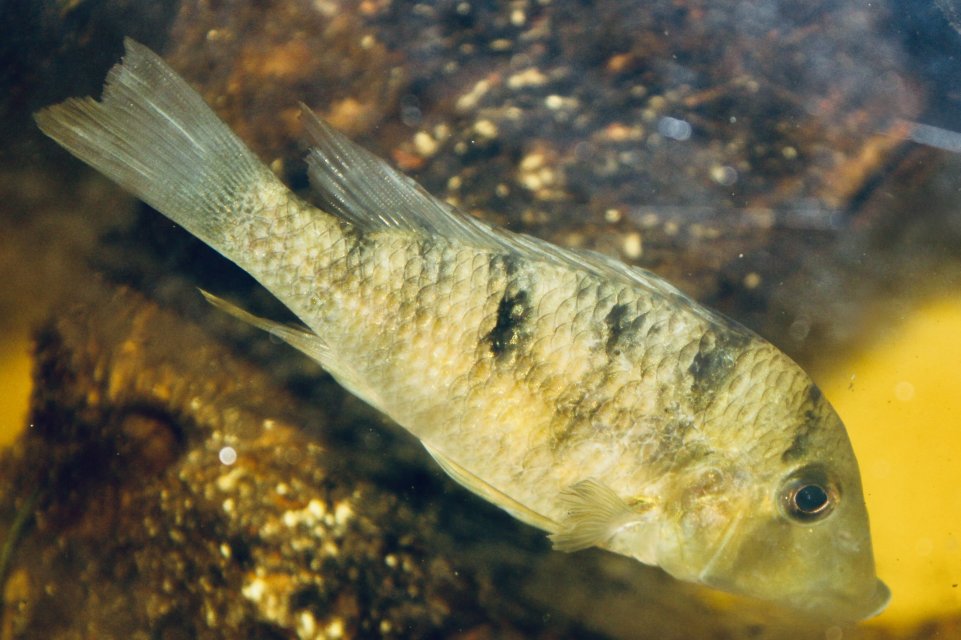
The dry season is starting to become a reality these days, so today (Sat the 10th) we planned to collect again, now that the tank seems to have been purged of all Lernaea.
Its been been almost 2 months since the tanks total fish euthanization, and another month has passed since the addition of 3 species to test for reinfection, without any noticeable symptoms, from the two Gobiomorus dormitors, and a Eustinostoma argentus.
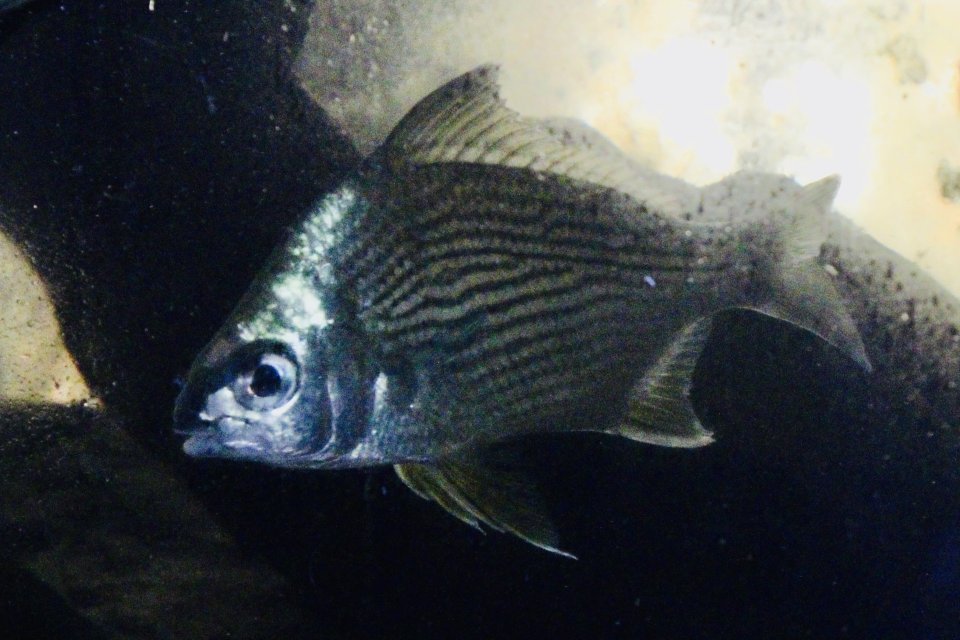
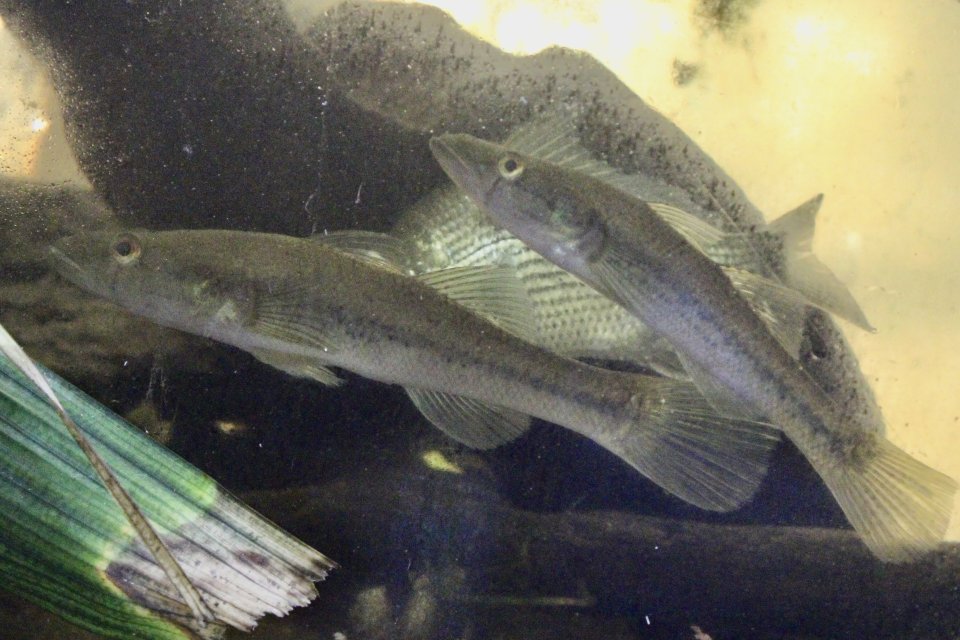
We traveled east, out from Panama City, a little over an hour’s drive on the Hwy 1 toward the Rio Mamoni, and the streams where we had previously found Darienheros cichlids, and plecos, such as Chaetostoma fischeri in the past, and were wanting to replace those that lost the battle to the parasitic Lernaea epidemic.
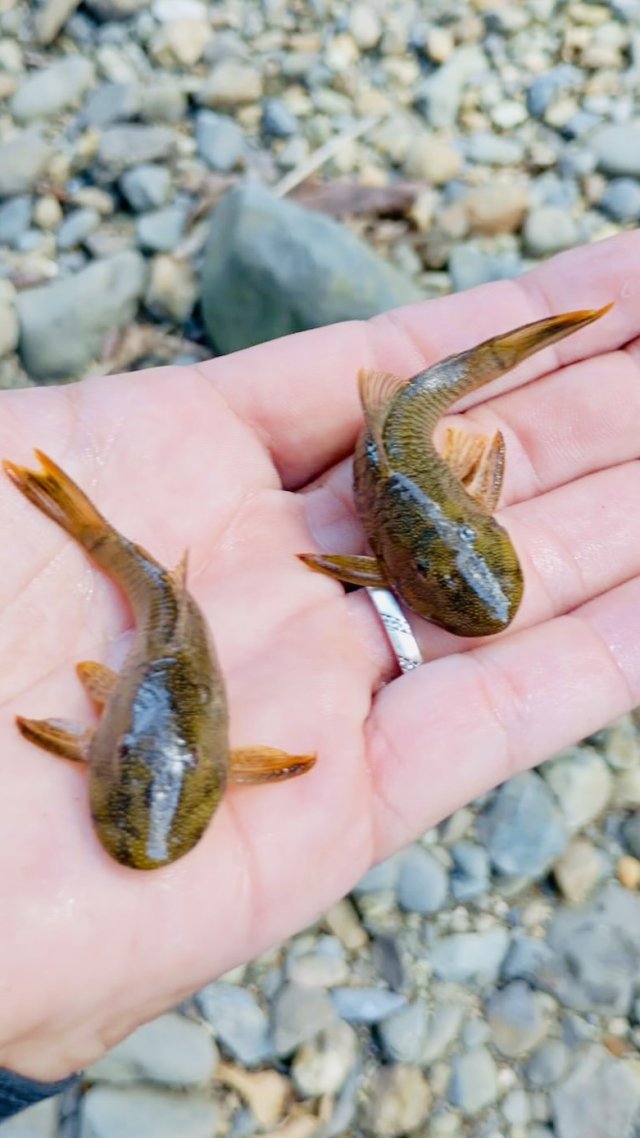
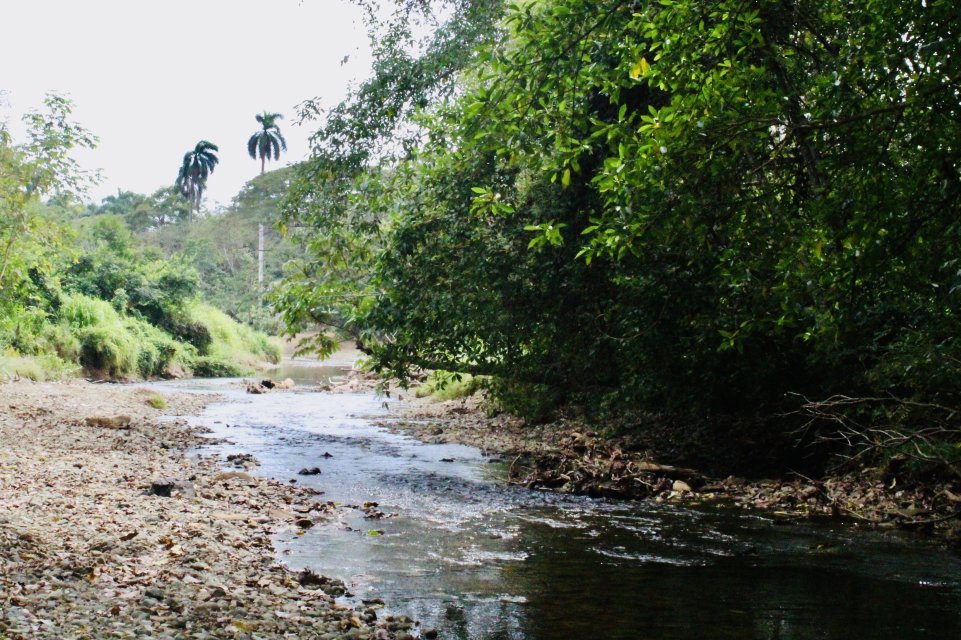
Being a holiday here in Panama this weekend, the Mamoni was so crowded with day trippers, we moved further east to the smaller Rio Uni, where shoals of tetras, 3 Chaetestoma pleco juvies were caught, but only one cichlid (Andinacara coeruleopunctatus) was netted and released, along with all the tetras, so we moved on to the Rio Plataneros de Chepo, an even smaller stream. I had spent the last 5 years working with Andinoacara, so needed to give that species a rest.
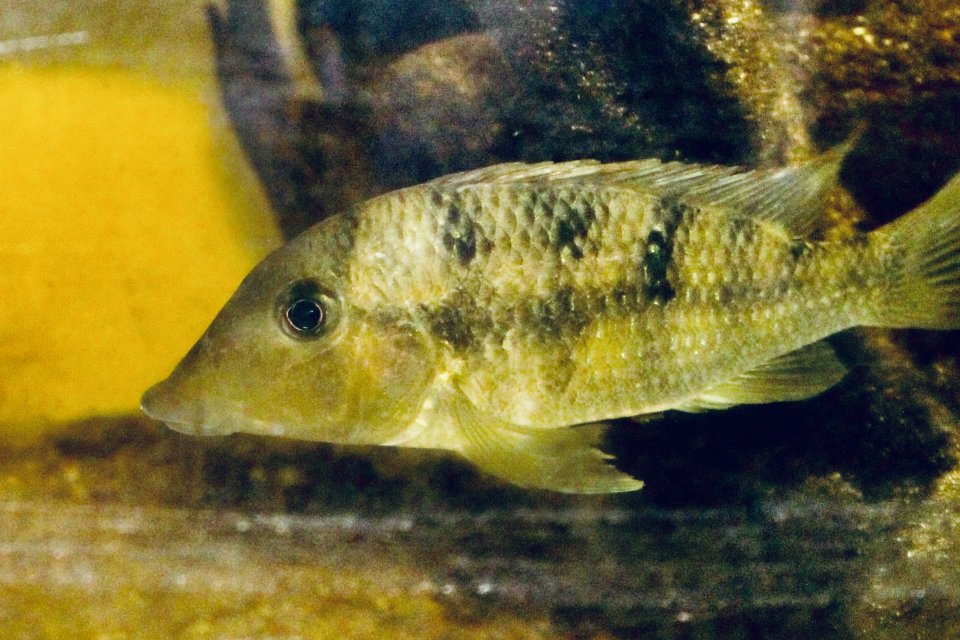
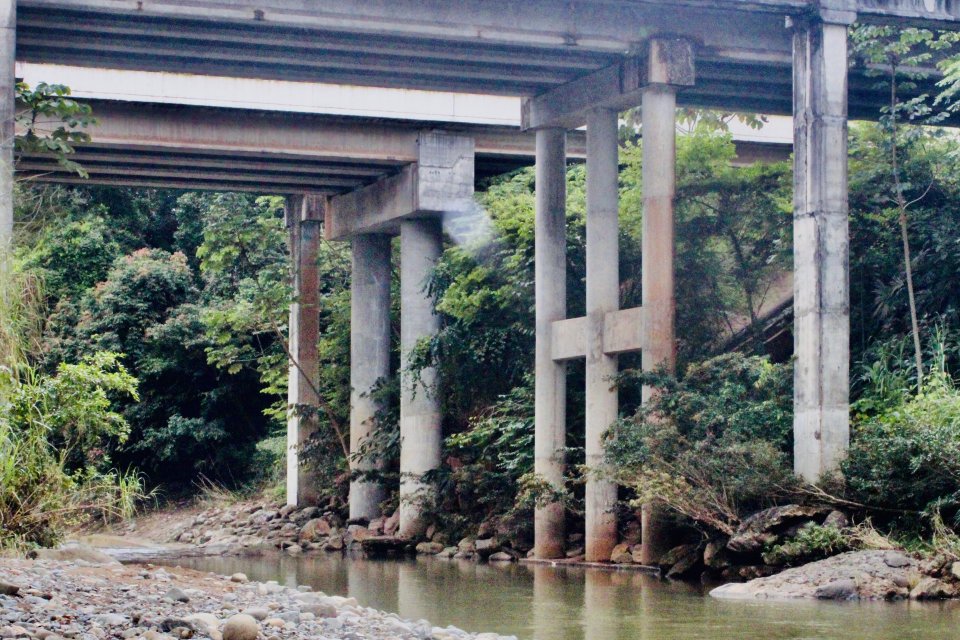
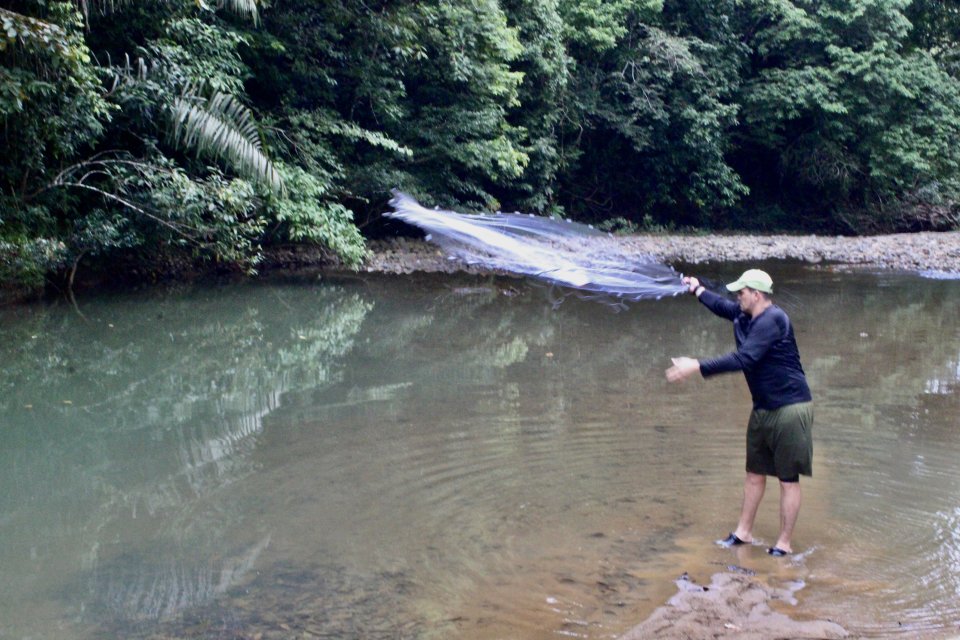
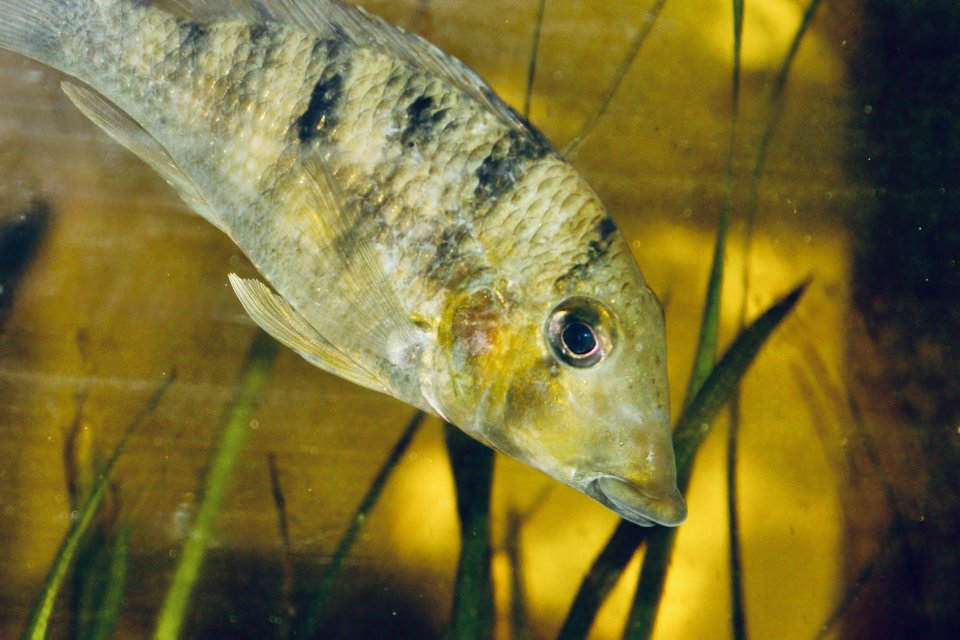
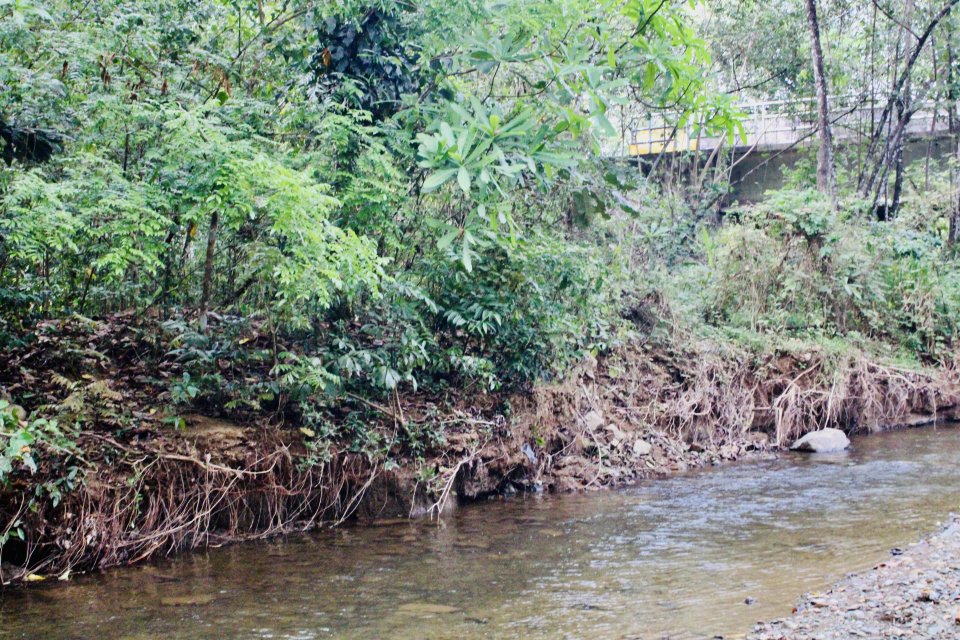
The Rio Plantanero was where we got lucky, along with the 3 Darienheros calobrensis, on his last cast, Dani pulled up a Geophagus crassilabrus. Our first collection of this species, and it has been on my radar ever since relocating here, 10 years ago..
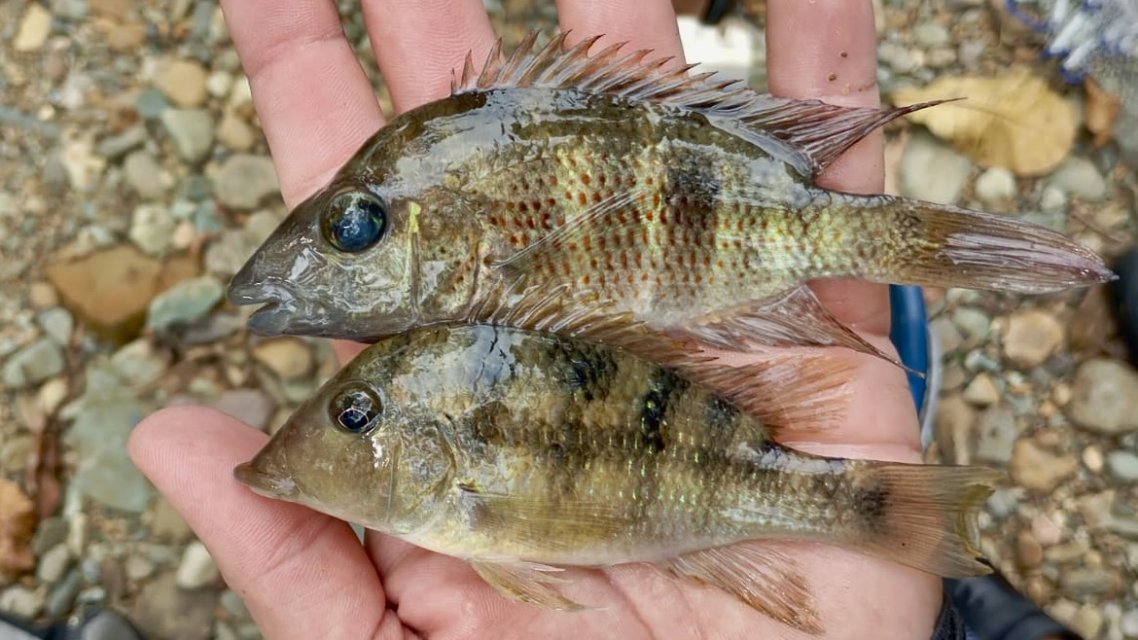
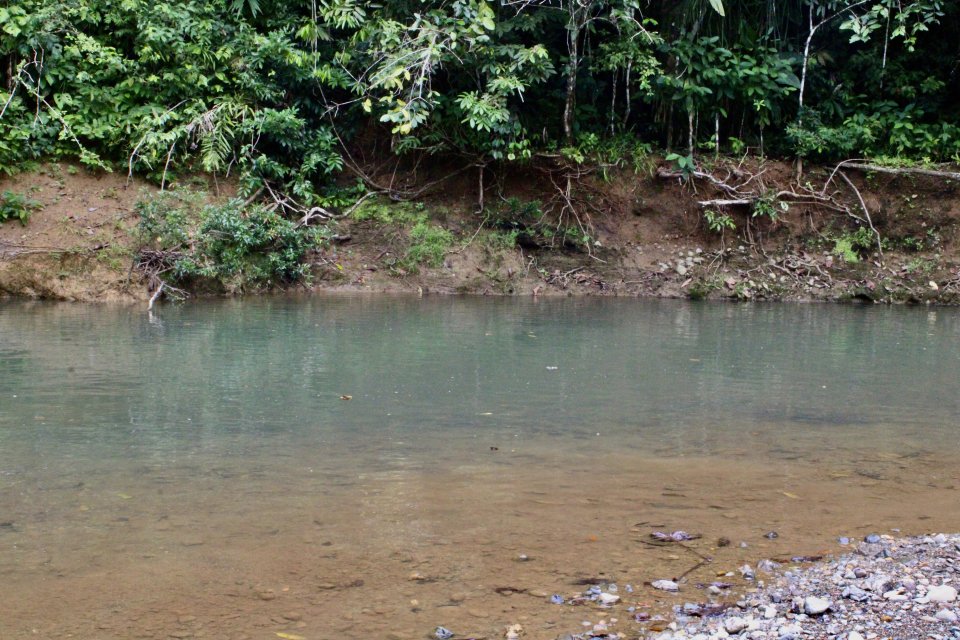
It was caught in water that was barely 2 ft deep, and in a fast flowing rifle area.
Its been been almost 2 months since the tanks total fish euthanization, and another month has passed since the addition of 3 species to test for reinfection, without any noticeable symptoms, from the two Gobiomorus dormitors, and a Eustinostoma argentus.
We traveled east, out from Panama City, a little over an hour’s drive on the Hwy 1 toward the Rio Mamoni, and the streams where we had previously found Darienheros cichlids, and plecos, such as Chaetostoma fischeri in the past, and were wanting to replace those that lost the battle to the parasitic Lernaea epidemic.
Being a holiday here in Panama this weekend, the Mamoni was so crowded with day trippers, we moved further east to the smaller Rio Uni, where shoals of tetras, 3 Chaetestoma pleco juvies were caught, but only one cichlid (Andinacara coeruleopunctatus) was netted and released, along with all the tetras, so we moved on to the Rio Plataneros de Chepo, an even smaller stream. I had spent the last 5 years working with Andinoacara, so needed to give that species a rest.
The Rio Plantanero was where we got lucky, along with the 3 Darienheros calobrensis, on his last cast, Dani pulled up a Geophagus crassilabrus. Our first collection of this species, and it has been on my radar ever since relocating here, 10 years ago..
It was caught in water that was barely 2 ft deep, and in a fast flowing rifle area.