Festae questions

  • We are currently upgrading MFK. thanks! -neo
To me, Festae require an entire tank to themselves as adults, they are not fit to be housed with any other cichlids¨.(and especially if you want them to exhibit true colors)
These cichlids (as indcated by their isolation west of the Andes), are loners (excpet when paired.)
My males easily hit over 12¨, so a 6 ft tank for them would be minimal just for a pair.
and........Keeping them togther with a similar Mexican cichlid such as Herichthys is an exercise in futility, as they both are the dominent cichlid in their own geographic habitat, each species vying for territory in thelimits of a tiny glas box
Neither cichlid species are really community cichlid candidates.
I have kept both festae, and a number of those from the genus Herichthys and would not keep them in the same tank as mature adults.
View attachment 1570239View attachment 1570238
I thought that they exist with rivulatus in the wild.
 
I thought that they exist with rivulatus in the wild.
This true that they are found in the same area., but.....
Does it mean that they can exist in together in a small section of river(or tiny glass box) without conflict (maybe within 100 yards of each other)?
Or does it mean these territorial species stake out large areas that no other cichlid dares to cross, the size of a football field?
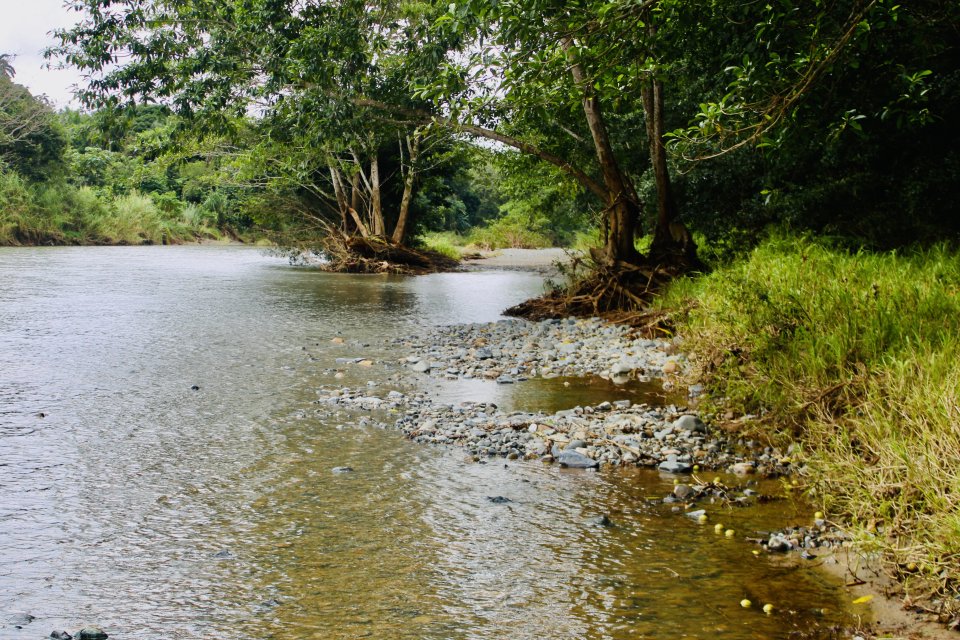
Because I collect cichlids in nature, I might often find a section of river, where I only net one of 2 cichlids (like the one below), in a football sized area.
IMG_0243.jpeg
There are certain species that are known to share habitat with a myriad of other cichlids.
Many of these are found in cichlid dense communities such as the eastern Amazon.


But where are talking about are species from western rivers on that side of the Andes. or certain rivers in Mexico or Central America, where only one or 2 cichlid species are found, this should tell you something about their ability to to coexist in the confines of a tank.
An example similar to the rivers west of the Andes, are the northern Pacific rivers in Mexico.
Mayaheros beanii, is the only cichlid in and near Mazatlan.
1765830563810.png
or Amphilophus istlanus near in rivers of the Rio Balsos drainage near Acapulco
Or an even more extreme isolation, Nandopsis haitiensus, the only cichlid species fpund on the island of Hispanioña
1765830794993.png
At one time possibly 1 million years ago, there may have been a number of cichlid species, but over time, only 1 species had the stamina to survive on that island.

Much like the cichlids from west of the Andes, the species above (among other loners) have well deserved reputations for for ¨not ¨playing well with other cichlds.
Take your cues from nature, if only 1 or 2 species exist in a large area in nature there is a reason. Or
If you know places like Amazon of the rift lakes in Africa have large communities coexisting together there may be a possibilty of combing.

I have always been drawn to the loners, so in the states I kept only one pair of cichlids per tank, and had 20 tanks to accomidate that loner bent.
1765832257251.png
 
  • Like
Reactions: A201 and Brazzen1
This true that they are found in the same area., but.....
Does it mean that they can exist in together in a small section of river(or tiny glass box) without conflict (maybe within 100 yards of each other)?
Or does it mean these territorial species stake out large areas that no other cichlid dares to cross, the size of a football field?
Because I collect cichlids in nature, I might often find a section of river, where I only net one of 2 cichlids (like the one below), in a football sized area.
View attachment 1570264
There are certain species that are known to share habitat with a myriad of other cichlids.
Many of these are found in cichlid dense communities such as the eastern Amazon.


But where we are are talking about are loner species from western rivers on that side of the Andes. or certain rivers in Mexico or Central America, where only one or 2 cichlid species are found, this should tell you something about their ability to to coexist in the confines of a tank.
An example similar to the rivers west of the Andes, are the northern Pacific rivers in Mexico.
Mayaheros beanii, is the only cichlid in and near Mazatlan.
View attachment 1570265
or Amphilophus istlanus from nearby rivers of the Rio Balsos drainage near Acapulco,
Or an even more extreme isolation, Nandopsis haitiensus, the only cichlid species fpund on the island of Hispanioña
View attachment 1570266
At one time possibly 1 million years ago, there may have been a number of cichlid species, but over time, only 1 species had the stamina to survive on that island.

Much like the cichlids from west of the Andes, the species above (among other loners) have well deserved reputations for for ¨not ¨playing well with other cichlds.
Take your cues from nature, if only 1 or 2 species exists in a large area in nature there is a reason. Or
If you know places like Amazon or the rift lakes in Africa have large communities coexisting together, there may be a possibilty of combing.

I have always been drawn to the loners, so in the states I kept only one pair of cichlids per tank, and had 20 tanks to accomidate that loner bent.
View attachment 1570267

See duanes, that’s why I came here hoping you would pipe in.
 
Last edited by a moderator:
I would love to have a pair, even just to have them color up, but where I live everyone thinks fish are just for fishing, so I don’t know what I’d do with so many fry. I see the wet spot offers 4 different types (Rio Guayas F1, tank raised, wild caught Ecuadorean & wild caught Peruvian). I’m really wanting the green ones, what some people on here call the old school type. I know that fish don’t go by human boundaries if they can help it and that each location probably has varied genetics, but which one would I have a better chance of getting the green ones? I keep hearing conflicting reports, some say Peruvian and others have posted photos of green Ecuadoreans. Has anyone ordered different ones from them and noticed any difference? I mean the Rio Guayas is in Ecuador so wouldn’t they be just like the other Ecuadoreans?
 
MonsterFishKeepers.com