Heavy sand?

  • We are currently upgrading MFK. thanks! -neo

HarleyK

Canister Man
Staff member
Global Moderator
MFK Member
Aug 17, 2005
7,197
2,118
1,453
USA
Howdy,

It used to be that 3M ColorQuartz was the substrate of choice for ray keepers and others, like me with a planted tank. Heavy sand that doesn't easily enter filters and settles quickly when large /\/\onsters kick it up. Small spaces in between grains that work well for plant roots.

After 3M discontinued it, Estes picked up manufacturing under the name CeramaQuartz. Fewer color choices, though.

Is that CeramaQuartz still a thing? What do members use these days? Play sand stays suspended forever, does pool filter sand have sharp edges that could harm catfish barbles?

The ceramic coating makes sand beautifully round and super heavy.

Thoughts?
HarleyK
 
  • Like
Reactions: tlindsey
I have also found that play sand is too easily stirred up, and ends up getting sucked into filters, and ruining the impellers of pumps
(but then again over time becomes compacted, and anaerobic).
I started using sand made for water plant filtration, in the 90s, because it is graded to be heavy enough to settle quickly when stirred up by large fish.
It was sold for $5 (or so) for a bag of 50lbs, 10 ears or so go, from a place the sold to water purification plants by a company that specialized in abrasives.
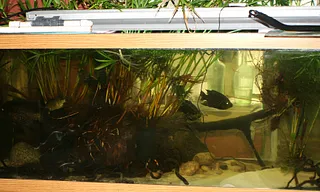
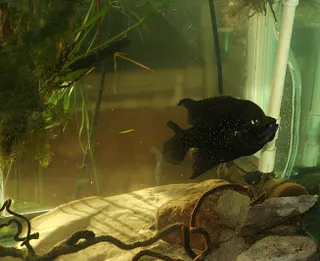
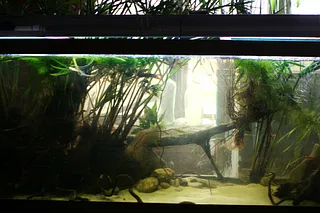
1779963331500.png1779963078054.png1779963144633.png
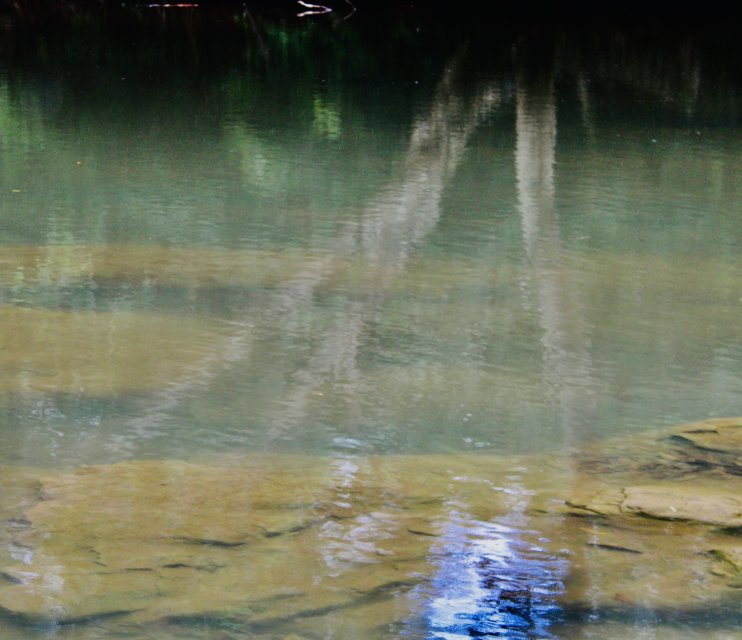
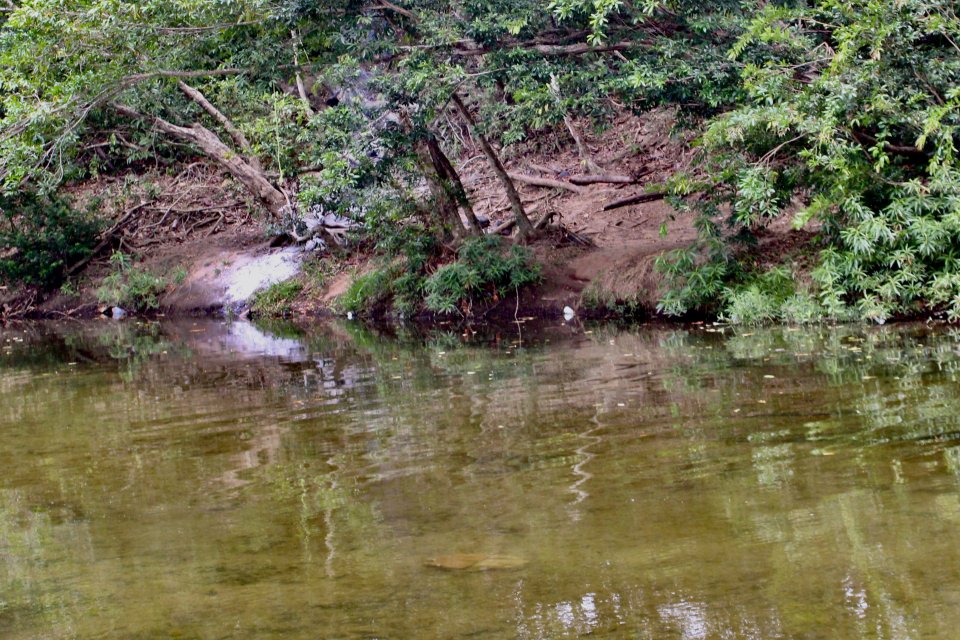
I like the natural look
100_0003.jpeg
IMG_2747.jpegIMG_4408.jpeg
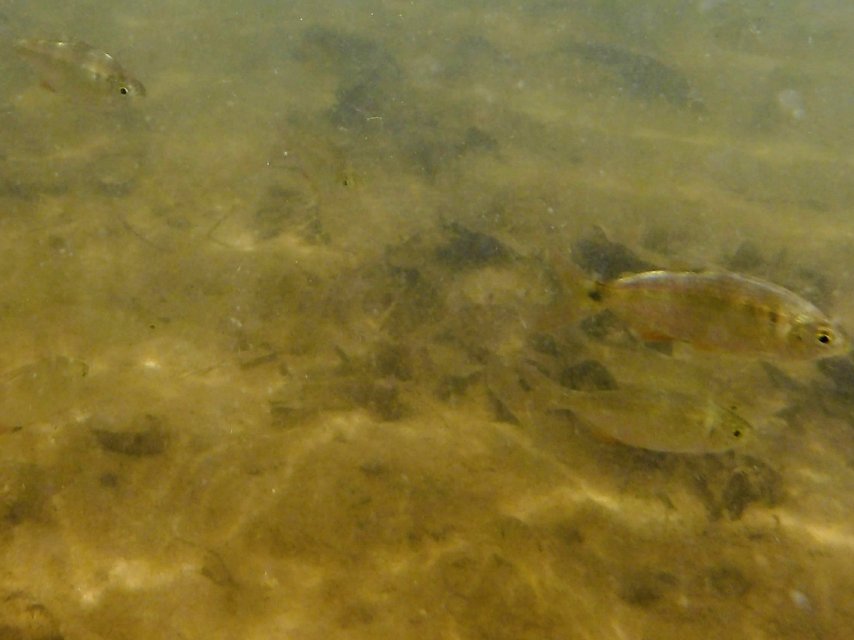
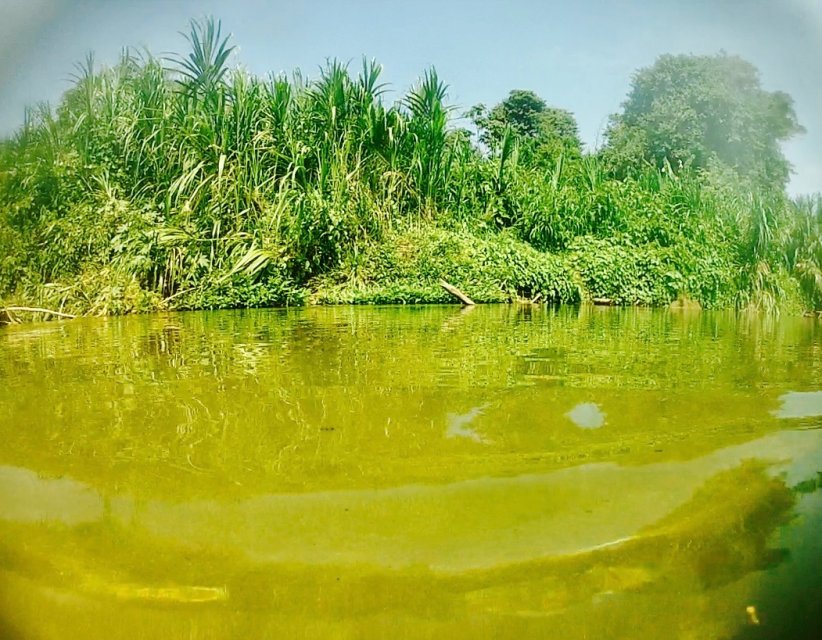
It reminds me of the substrate where I collect fish these days, above the Mamoni River and other rivers in eastern Panama
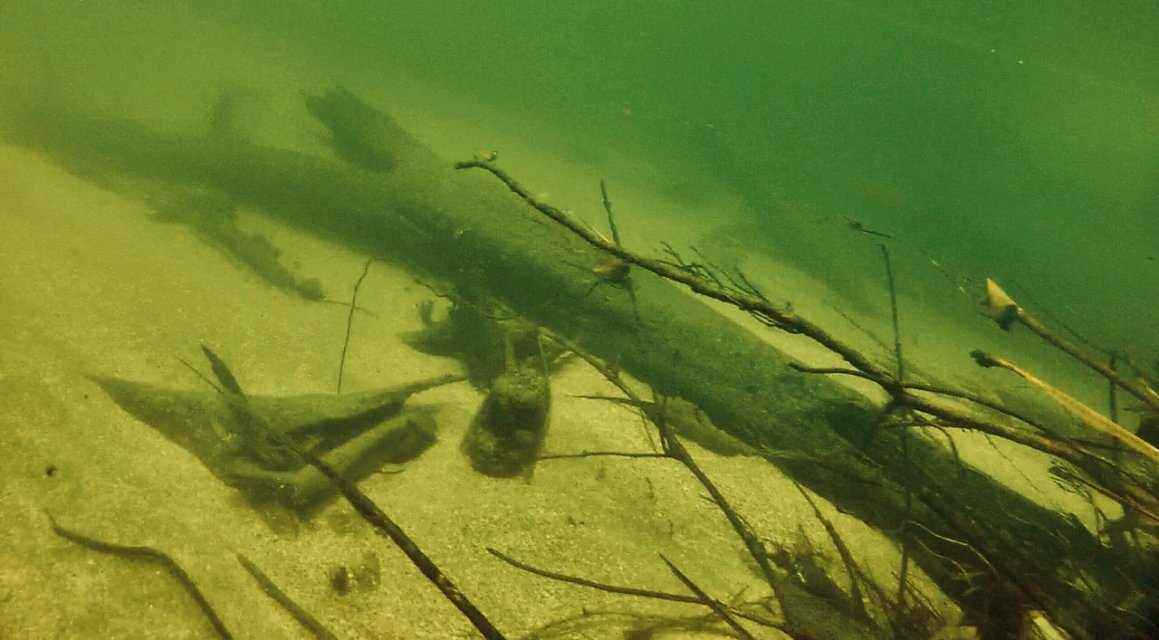
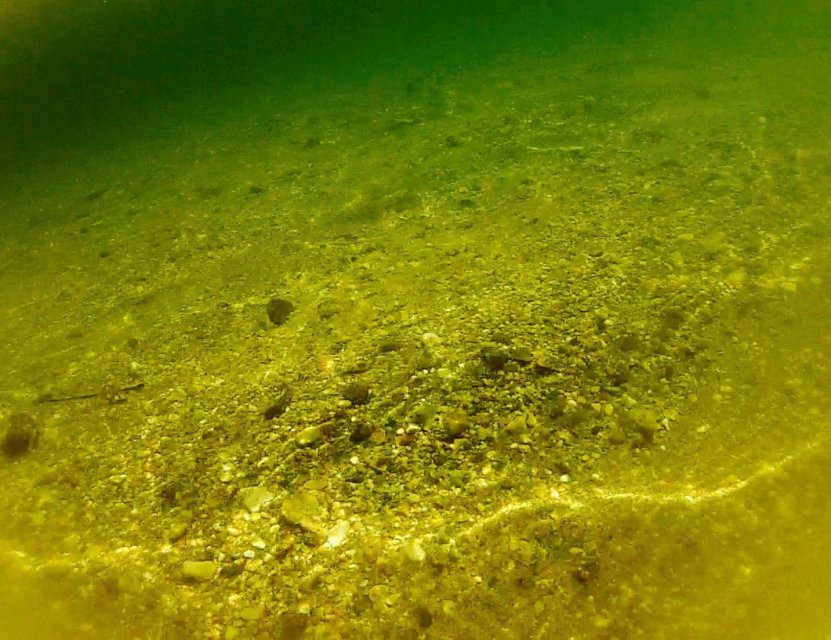
Below some GoPro shots of a river in Colombia I visited.
GPExportPhoto-0023.jpegGPExportPhoto-0005.jpegGPExportPhoto-0002.jpeg
 
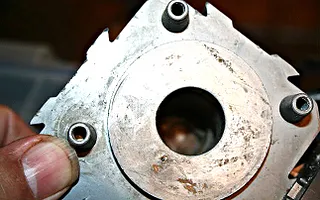
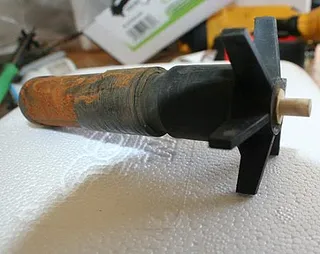
I tried play sand long ago, and because it was easily stirred up, grains got sucked into the inner workings of a Mag Drive pump (in a sump),
and as you can see, ruined the impeller, and pump casing, (you can almost see the wear in the plastic casiing9.
1779972810748.png1779972947460.png
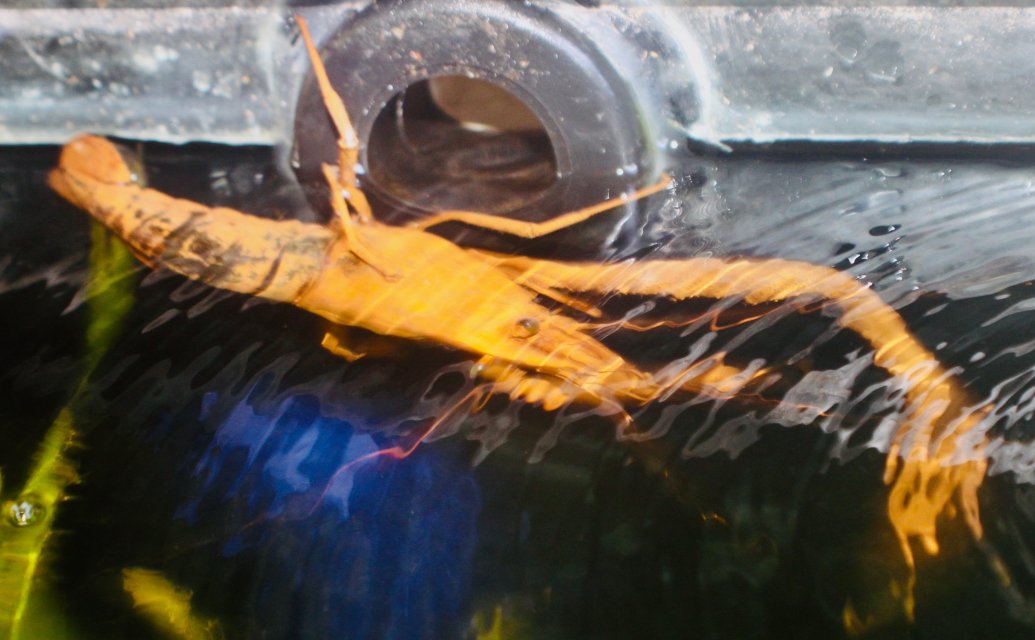
After this, I always placed intake tubes, further up in the water column,
and after learnng to drill, put drill holes near the waters surface, near thenupper rim, just in case.
IMG_1811.jpeg
 
Howdy,

It used to be that 3M ColorQuartz was the substrate of choice for ray keepers and others, like me with a planted tank. Heavy sand that doesn't easily enter filters and settles quickly when large /\/\onsters kick it up. Small spaces in between grains that work well for plant roots.

After 3M discontinued it, Estes picked up manufacturing under the name CeramaQuartz. Fewer color choices, though.

Is that CeramaQuartz still a thing? What do members use these days? Play sand stays suspended forever, does pool filter sand have sharp edges that could harm catfish barbles?

The ceramic coating makes sand beautifully round and super heavy.

Thoughts?
HarleyK

It's been at least 10 years since I bought it but the Estes PermaColor quartz in the Trowel-Rite (20-40 mesh) size was extremely similar to the 3M Colorquartz I originally started with and it comes in 20 colors.

I still have unopened 50 lb bags of various colors in my garage as I was planning on a larger fish room but have since started downgrading plans and am reducing the number of tanks I keep. I mixed the colors so they appeared more natural and I agree they are heavy enough not to stay in the water column and I actually can't tell the difference between my tanks with Colorquartz and Permacolor.
 
I currently have a couple bags of garnet blasting sand that I purchased within the past couple years, intending to use it as substrate. I forget the grain size, but it's very fine, and feels to the hand much like silica sand, perhaps a bit finer than most pool filter sand. It's heavy, and settles almost immediately after stirring.

This is important to me because of the constant sand-sifting of Goldfish; they're much worse than Geo's or burrowers. A burrowing fish basically dives into the sand without much disturbance; a Geo, at least the few types I have kept, grabs a mouthful and chews it thoughtfully before dropping it back onto the bottom, usually without moving too far or too high, so there is still relatively little disturbance. But a Goldfish grabs a big mouthful of substrate, and then casually swims a long distance, often going high into the water column, before spewing the stuff out and making a big mess.

But I recently took a close magnified look at this sand, something I should have done right after first buying any. It's obvious why it's sold as an abrasive; the stuff is nothing but razor-sharp edges and corners. It doesn't feel sharp on the skin of my hands, but it looks terrifying and dangerous when magnified, so much so that I discontinued its use as a substrate immediately and siphoned all of it out. I get the impression that it would be like a mouthful of ground glass for substrate sifters, and especially bad for those who expel some of the stuff through their gill covers.

Just something to keep in mind when choosing a substrate. I'll never try a new substrate now with carefully examining a magnified view of it.
 
MonsterFishKeepers.com