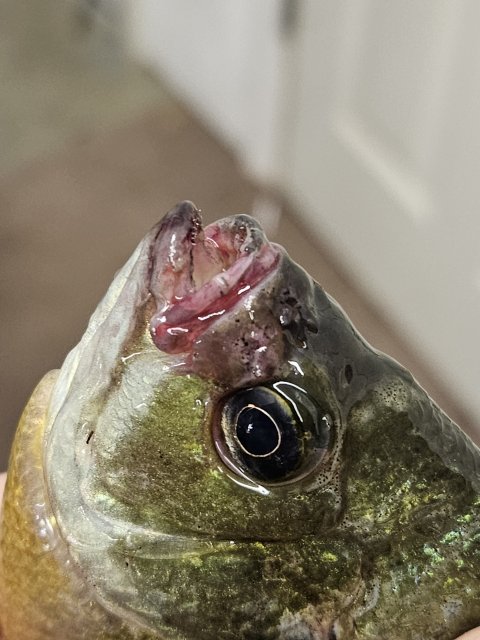
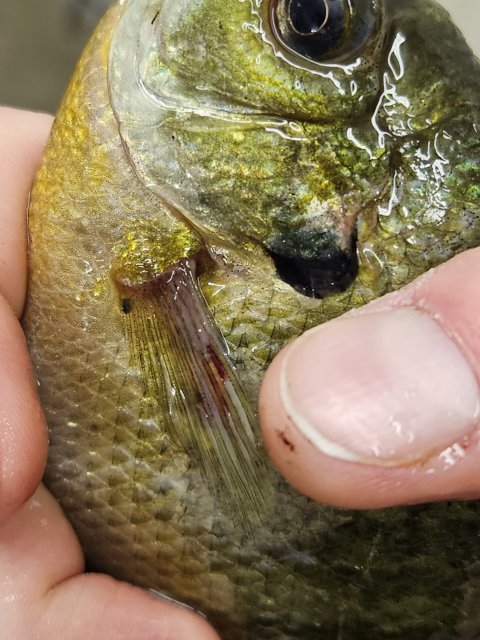
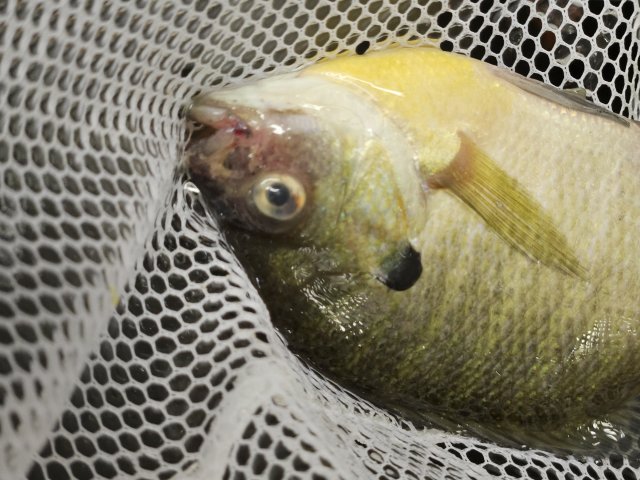
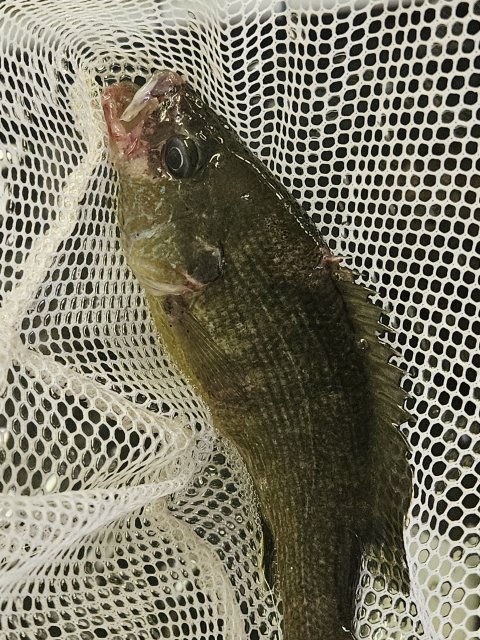
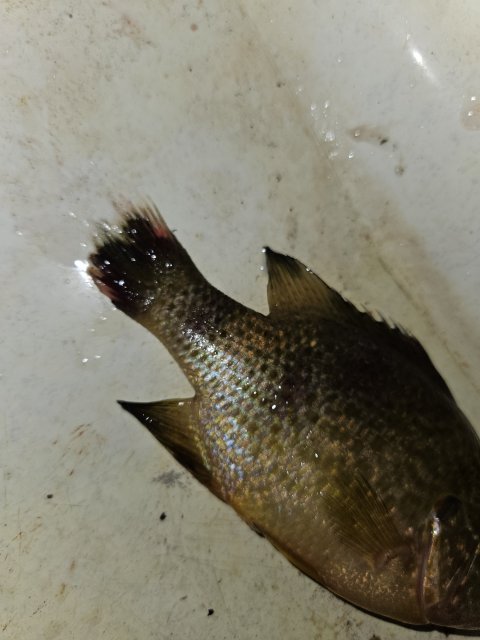
Is this columnaris?

  • We are currently upgrading MFK. thanks! -neo

Catfishacr123

Feeder Fish
MFK Member
Jul 9, 2023
8
1
3
37
Have you tested your water?
Yes
If I did not test my water...
  1. ...I recognize that I will likely be asked to do a test, and that water tests are critical for solving freshwater health problems.
Do you do water changes?
Yes
If I do not change my water...
  1. ...I recognize that I will likely be recommended to do a water change, and water changes are critical for preventing future freshwater health problems.
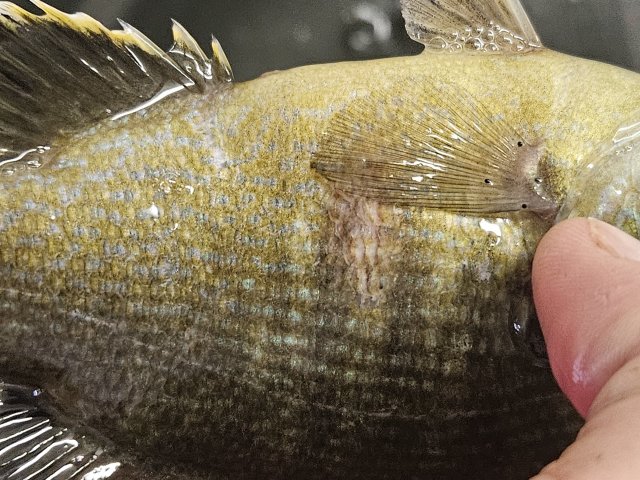
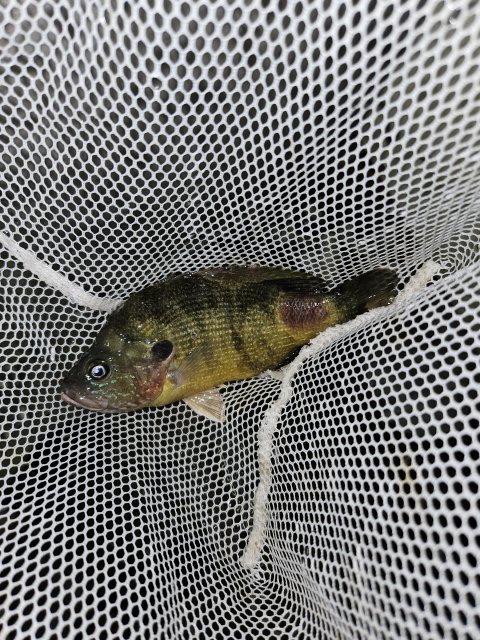
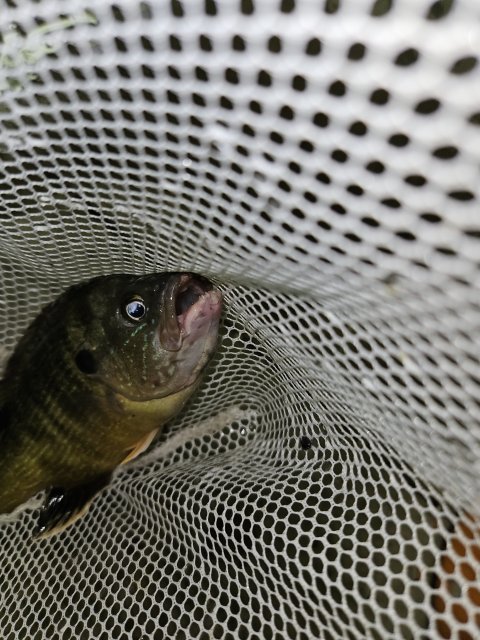
Hi, I'm a fisherman and keep a 300 gallon Rubbermaid stock tank in my garage to keep baitfish (Sunfish, Bluegills, etc.) A few weeks ago i had a disease wipe out my entire stock in a few days. It seemed to start with the mouth and tail (At least what was visible to me). The mouth seemed white and flaky and then turned red. The tails looked liked common fin rot. Then as they die or get close they get these burn like red spots on there bodies. Some fish would get white bulged eyes but not all. This disease moved fast and i lost around 40 fish in 2 days.

I left tank empty for a few weeks. Keep beneficial bacteria feed with ammonia. Did many 50% to70% water changes.

After a couple weeks of an empty tank, i introduced 20 sunfish. Water P's before i put the fish in 0-0-20. Ph 8 temp 80.
I put in some beneficial bacteria to help make sure i had no Ammonia/Nitrite spike.
Everything seemed good but after a couple days same thing happened. Lost all 20 in a couple days. Water was still same parameters as listed above.

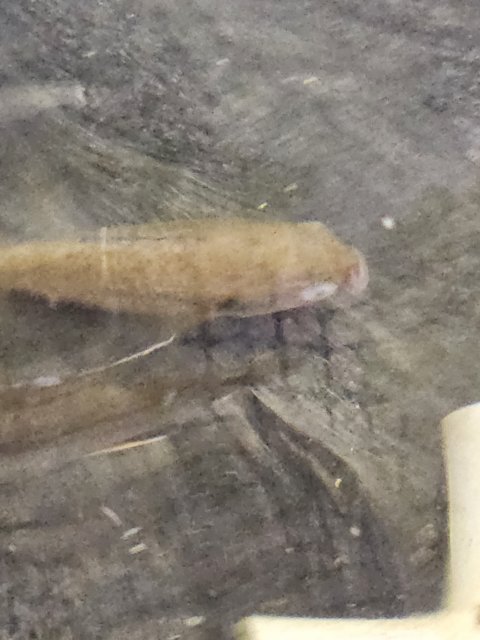
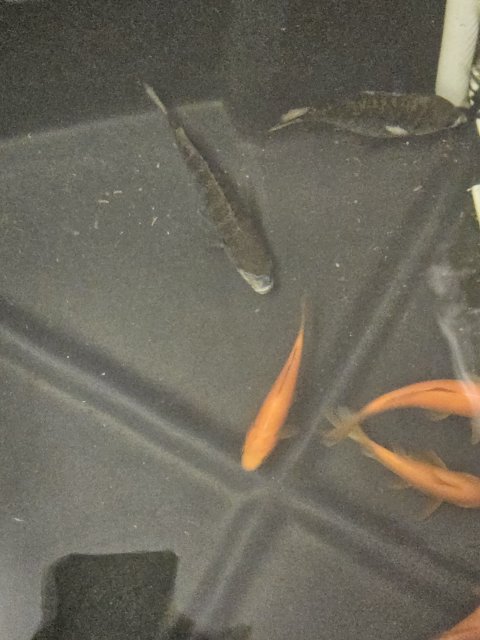
Here are some pics attached.

So my questions:
- Is this columnaris?
- Will this stay in the water even while empty and then attack newly added fish?
- In the past i tried to treat with Mela/Pima fix (Before i assumed it was columnaris). I read that kanna plex and furan 2 is the best treatment. I couldnt find furan 2 but i got some kanna plex and treated the tank with this. Seems to do nothing or just not fast enough.
- My tank is now empty so im not in need of treating any fish. but how do i stop this from happening again?

Thanks for the help and let me know if there is any other info that could be helpful
I wanted to add that i am an experienced fish keeper. i have a 90 and 300 glass tank in my home. Also a fisherman who "tries" to keep bait for catfishing.
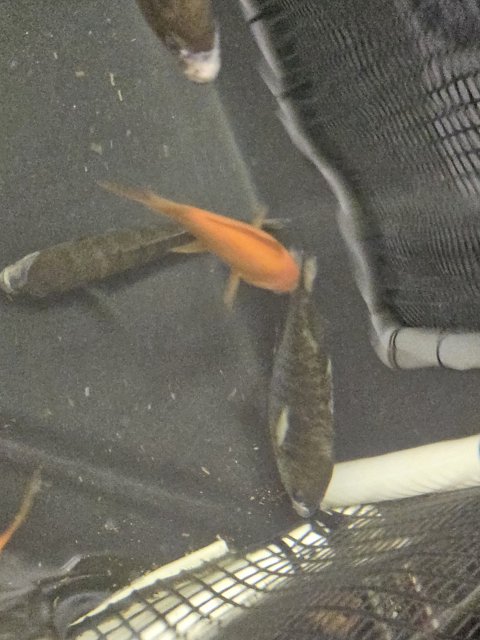
20230630_112849.jpg

20230630_112854.jpg

20230630_113431.jpg

20230630_113458.jpg

20230630_113501.jpg

20230630_113515.jpg

20230630_113602.jpg

20230630_113613.jpg

20230630_113715.jpg

20230718_101121.jpg

20230718_101138.jpg

20230718_101145.jpg
 
Hi, I'm a fisherman and keep a 300 gallon Rubbermaid stock tank in my garage to keep baitfish (Sunfish, Bluegills, etc.) A few weeks ago i had a disease wipe out my entire stock in a few days. It seemed to start with the mouth and tail (At least what was visible to me). The mouth seemed white and flaky and then turned red. The tails looked liked common fin rot. Then as they die or get close they get these burn like red spots on there bodies. Some fish would get white bulged eyes but not all. This disease moved fast and i lost around 40 fish in 2 days.

I left tank empty for a few weeks. Keep beneficial bacteria feed with ammonia. Did many 50% to70% water changes.

After a couple weeks of an empty tank, i introduced 20 sunfish. Water P's before i put the fish in 0-0-20. Ph 8 temp 80.
I put in some beneficial bacteria to help make sure i had no Ammonia/Nitrite spike.
Everything seemed good but after a couple days same thing happened. Lost all 20 in a couple days. Water was still same parameters as listed above.

Here are some pics attached.

So my questions:
- Is this columnaris?
- Will this stay in the water even while empty and then attack newly added fish?
- In the past i tried to treat with Mela/Pima fix (Before i assumed it was columnaris). I read that kanna plex and furan 2 is the best treatment. I couldnt find furan 2 but i got some kanna plex and treated the tank with this. Seems to do nothing or just not fast enough.
- My tank is now empty so im not in need of treating any fish. but how do i stop this from happening again?

Thanks for the help and let me know if there is any other info that could be helpful
I wanted to add that i am an experienced fish keeper. i have a 90 and 300 glass tank in my home. Also a fisherman who "tries" to keep bait for catfishing.
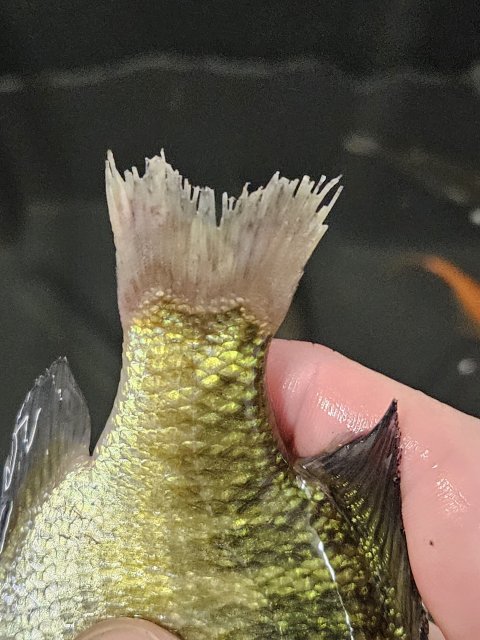
View attachment 1522647

View attachment 1522648

View attachment 1522649

View attachment 1522650

View attachment 1522651

View attachment 1522652

View attachment 1522653

View attachment 1522654

View attachment 1522655

View attachment 1522656

View attachment 1522657

View attachment 1522658
I do think it is but I’m not an expert on it
 
  • Like
Reactions: Catfishacr123
Looks like Columnaris to me.
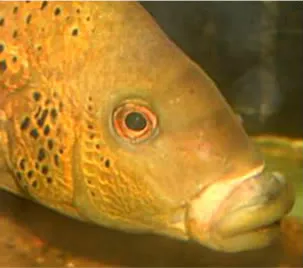
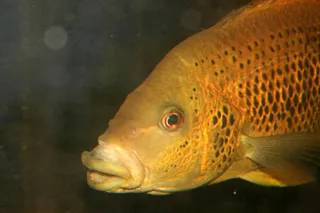
The disease has many variations, from the type called saddleback (White fungal like growth in the dorsal), to white columnar growths (often confused with Lymphocystus), to atrophied and extended mouth and jaws, and any multiple combination of these. symptoms
Below is the atrophied jaw variation.
1689932334410.png 1689932410957.png
The bacteria can live (inert) after a tank is drained, in a dry smudge of dirt for extended periods (perhaps years), and once water is again added, come back to reinfect.
Inert bacteria can return to life after being frozen.

If the disease has occurred, the tank, and anything the water has touched need to be thoroughly disinfected with bleach to wipe it out.
The fish in the photos above, luckily were in quarantine. After they died, I filled the tank with bleach water, and submerged everything, from tank tops, to nets, to tubing in that bleach water. Even the outside of the tank, and light fixtures were wiped down with bleach, anything that may have been spattered with bacteria infected water.
The disease is most virulent in warmer waters, 80'F and above.
 
  • Like
Reactions: tlindsey
Looks like Columnaris to me.
The disease has many variations, from the type called saddleback (White fungal like growth in the dorsal), to white columnar growths (often confused with Lymphocystus), to atrophied and extended mouth and jaws, and any multiple combination of these. symptoms
Below is the atrophied jaw variation.
View attachment 1522790 View attachment 1522791
The bacteria can live (inert) after a tank is drained, in a dry smudge of dirt for extended periods (perhaps years), and once water is again added, come back to reinfect.
Inert bacteria can return to life after being frozen.

If the disease has occurred, the tank, and anything the water has touched need to be thoroughly disinfected with bleach to wipe it out.
The fish in the photos above, luckily were in quarantine. After they died, I filled the tank with bleach water, and submerged everything, from tank tops, to nets, to tubing in that bleach water. Even the outside of the tank, and light fixtures were wiped down with bleach, anything that may have been spattered with bacteria infected water.
The disease is most virulent in warmer waters, 80'F and above.

I have the tank drained ill start cleaning with bleach. Never used bleach much and sure not on a fish tank. What would you do with bio media? Soak in bleach and rinse really good? And hose lines, Run bleach through those i assume. As far as making sure i have no bleach when i fill the tank back up just rinse the heck out of everything or is there another way to remove the bleach after?


Thanks for the reply.
 
Looks like Columnaris to me.
The disease has many variations, from the type called saddleback (White fungal like growth in the dorsal), to white columnar growths (often confused with Lymphocystus), to atrophied and extended mouth and jaws, and any multiple combination of these. symptoms
Below is the atrophied jaw variation.
View attachment 1522790 View attachment 1522791
The bacteria can live (inert) after a tank is drained, in a dry smudge of dirt for extended periods (perhaps years), and once water is again added, come back to reinfect.
Inert bacteria can return to life after being frozen.

If the disease has occurred, the tank, and anything the water has touched need to be thoroughly disinfected with bleach to wipe it out.
The fish in the photos above, luckily were in quarantine. After they died, I filled the tank with bleach water, and submerged everything, from tank tops, to nets, to tubing in that bleach water. Even the outside of the tank, and light fixtures were wiped down with bleach, anything that may have been spattered with bacteria infected water.
The disease is most virulent in warmer waters, 80'F and above.

Question. What concentration of bleach have you used for soaking and for how long? Straight bleach is powerful stuff with the fumes. I've always wondered if it's a kill on contact deal or if the solution needs to sit. I know when I used a moderate bleach solution for nets and deco I'd have to close off the area for a few hours.
 
  • Like
Reactions: tlindsey
I would bleach the bio media, even though I would have to restart the cycle.
I was a bit paranoid after I saw how lethal and insidious this disease is, and added 2 gallons of regular clorox bleach in the 50 gallon QT tank, and let it sit over a week before it was drained, refilled and then added a dechlorininator (with all the gear still inside).
I have heard hydrogen peroxide will also work, but I don't feel its a strong enough oxidizer.
 
  • Like
Reactions: FINWIN and tlindsey
I would bleach the bio media, even though I would have to restart the cycle.
I was a bit paranoid after I saw how lethal and insidious this disease is, and added 2 gallons of regular clorox bleach in the 50 gallon QT tank, and let it sit over a week before it was drained, refilled and then added a dechlorininator (with all the gear still inside).
I have heard hydrogen peroxide will also work, but I don't feel its a strong enough oxidizer.

Thanks yeah its a very aggressive disease. Better to start over and do thigs right than deal with this again.
 
  • Like
Reactions: tlindsey
I would bleach the bio media, even though I would have to restart the cycle.
I was a bit paranoid after I saw how lethal and insidious this disease is, and added 2 gallons of regular clorox bleach in the 50 gallon QT tank, and let it sit over a week before it was drained, refilled and then added a dechlorininator (with all the gear still inside).
I have heard hydrogen peroxide will also work, but I don't feel its a strong enough oxidizer.
I heard it’s not good to have Clorox sit in the tank for a while, I’ve heard it’s acidic and can damage the silicone sealant
 
nope. alkaline to the max. Its why you can't mix it with common cleaners u get toxic fumes


pH 11-13

Bleach: pH 11-13. Bleach is one of the most common cleaning supplies in households and commercial settings. This particular product has a pH between 11 and 13. Its high level of alkalinity is what makes it corrosive.
 
MonsterFishKeepers.com