

Native scaping materials from north america?
- Thread starter LukeOscar
- Start date
You are using an out of date browser. It may not display this or other websites correctly.
You should upgrade or use an alternative browser.
You should upgrade or use an alternative browser.


I do it here in australia, I dont use wood from rivers but collect it from the ground. Rocks too and sand from the local beach.
Some people boil or bake the wood in their ovens, maybe I’m not cautious enough but I normally just blast them with a high pressure hose then pour a few kettles of boiling after over them.
If I took wood from a river I would probably dry it out first then do the same thing.
Some people boil or bake the wood in their ovens, maybe I’m not cautious enough but I normally just blast them with a high pressure hose then pour a few kettles of boiling after over them.
If I took wood from a river I would probably dry it out first then do the same thing.


Any wood used has to be hardwood. Softwood can be deadly to fish as it has a natural form of antifreeze. Also it should be solidly dry. When you bend it it should feel like it's going to snap in two, not just easily bend.
I have acquired rocks from local rivers and used in tanks. I did boil them in a big pot I got from Salvation Army just to boil rocks in.
I have acquired rocks from local rivers and used in tanks. I did boil them in a big pot I got from Salvation Army just to boil rocks in.
so basically just make sure its the right type of wood and sterilize it well?Any wood used has to be hardwood. Softwood can be deadly to fish as it has a natural form of antifreeze. Also it should be solidly dry. When you bend it it should feel like it's going to snap in two, not just easily bend.
I have acquired rocks from local rivers and used in tanks. I did boil them in a big pot I got from Salvation Army just to boil rocks in.
any thoughts on plants?

Rocks in the Aquarium
All rocks found in a rock yard, stream,backyard or woods are perfectly safe in the aquarium with NO treatment.
 aquariumscience.org

I have collected free range rocks and wood for use in my tanks here in the Pacific Northwest. I have also collected V americana from one of the local lakes.
I don’t sterilize terrestrial items but I do remove dirt and moss. Wood should be debarked before use as well. I collected madrona, oak, alder, maple and apple.
With plants collected from any outside water source should be quarantined. I left the vals in a bucket for about two weeks iirc which is the life cycle of most parasites.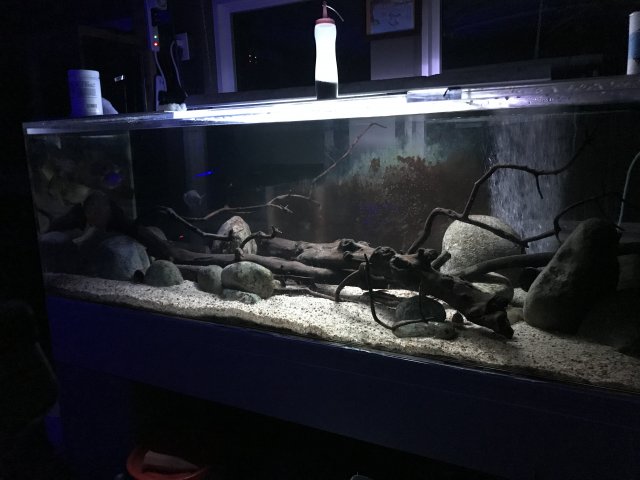
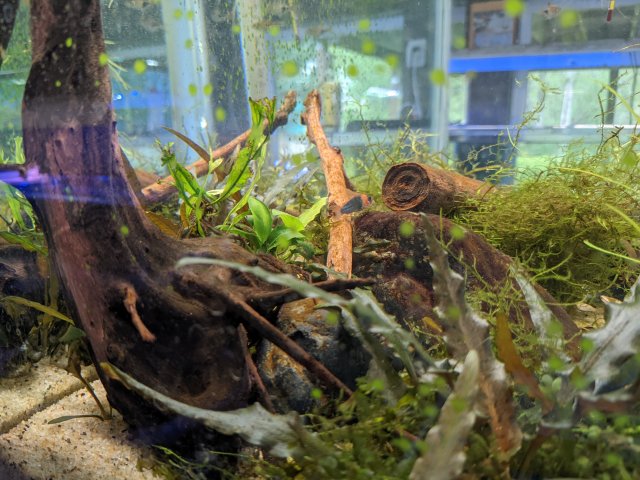
I don’t sterilize terrestrial items but I do remove dirt and moss. Wood should be debarked before use as well. I collected madrona, oak, alder, maple and apple.
With plants collected from any outside water source should be quarantined. I left the vals in a bucket for about two weeks iirc which is the life cycle of most parasites.
this is really what i wanted to hear. i have access to some very nice woods and plants. but i wasnt sure if it was even plausible to get them aquarium ready. is there any tricks to quarantining plants? or just wait the couple weeks? any treatments?I have collected free range rocks and wood for use in my tanks here in the Pacific Northwest. I have also collected V americana from one of the local lakes.
I don’t sterilize terrestrial items but I do remove dirt and moss. Wood should be debarked before use as well. I collected madrona, oak, alder, maple and apple.
With plants collected from any outside water source should be quarantined. I left the vals in a bucket for about two weeks iirc which is the life cycle of most parasites. View attachment 1515791View attachment 1515796
You can do a meth blue, paraguard or salt water dip. Those will kill most hitchhikers. I don’t like doing chemical baths on plants so the two week or more quarantine works for me.this is really what i wanted to hear. i have access to some very nice woods and plants. but i wasnt sure if it was even plausible to get them aquarium ready. is there any tricks to quarantining plants? or just wait the couple weeks? any treatments?

I've never had any look collecting native plants and having them survive long term indoors...but, of course, I don't have particularly great luck most of them time with plants I buy, so there's that...
My favourite source for wood pieces is quiet stretches of sand or gravel beach bordering natural bodies of water. I like pieces that have been deposited by wind or waves, and have had a chance to dry out thoroughly in the sun. Usually very little is required in terms of cleaning, as the best pieces are bone dry and free of any bark, mud, etc. I usually have an axe, a saw, some rope and a pair of rubber boots in the truck so that when a nice piece is encountered while driving through the countryside I can take advantage of it. The Great Lakes were a terrific place to find stuff like this; many northern rivers are good too.
Collecting wood can be entertaining; I recently had an adventure concerning a nice piece of driftwood: https://www.monsterfishkeepers.com/forums/threads/i-want-that-driftwood.743965/
The only real problem with this is that these dry pieces can be very slow to become waterlogged and sink; I've had some large chunks, 3 or 4 feet long and very thick and heavy, that have taken over a year to sink on their own.
But I'm patient; until they do sink, they float in my backyard pond and look good doing it.
My favourite source for wood pieces is quiet stretches of sand or gravel beach bordering natural bodies of water. I like pieces that have been deposited by wind or waves, and have had a chance to dry out thoroughly in the sun. Usually very little is required in terms of cleaning, as the best pieces are bone dry and free of any bark, mud, etc. I usually have an axe, a saw, some rope and a pair of rubber boots in the truck so that when a nice piece is encountered while driving through the countryside I can take advantage of it. The Great Lakes were a terrific place to find stuff like this; many northern rivers are good too.
Collecting wood can be entertaining; I recently had an adventure concerning a nice piece of driftwood: https://www.monsterfishkeepers.com/forums/threads/i-want-that-driftwood.743965/
The only real problem with this is that these dry pieces can be very slow to become waterlogged and sink; I've had some large chunks, 3 or 4 feet long and very thick and heavy, that have taken over a year to sink on their own.
But I'm patient; until they do sink, they float in my backyard pond and look good doing it.

I used to get rock work from a landscape yard on the WI/IL border, where they would weigh my truck on the way in, and on the way out.
I would take an eyedropper and small bottle of vinegar in and put few drops on the rocks to see if they sizzled.
These days I collect plants from Lake Gatun Panama, or other local waterways.
Some plants work, some don't.
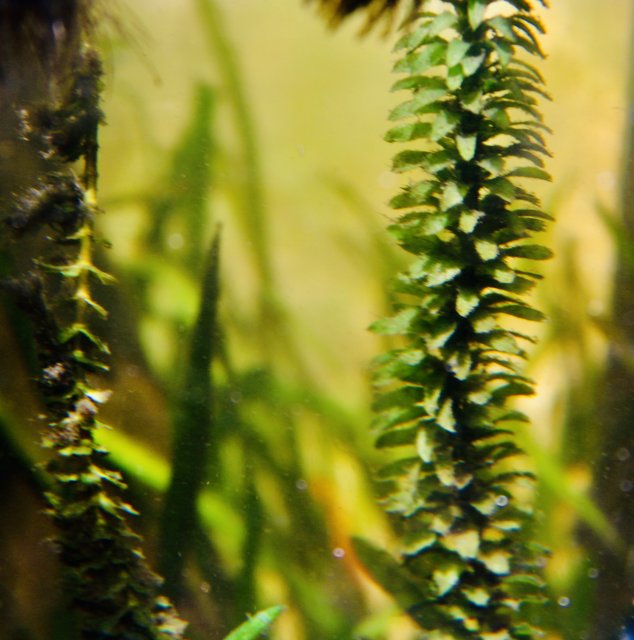
The Hygrophilla above has done well
The Salvinia and water lettuce below, started as 1 or 2 plants each
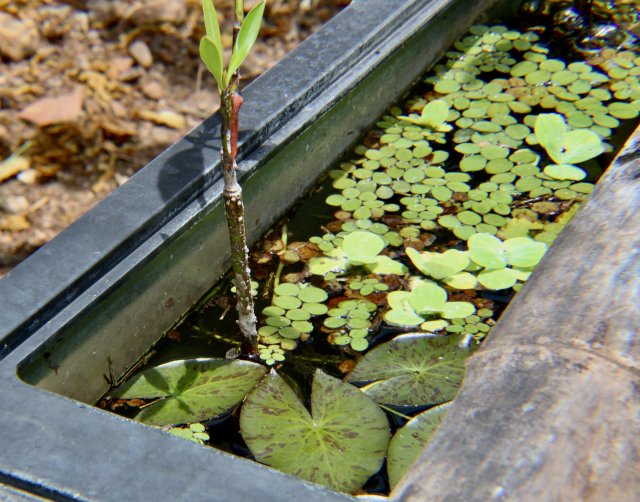
The Mangrove pods were also found washed up on the Pacific shore.
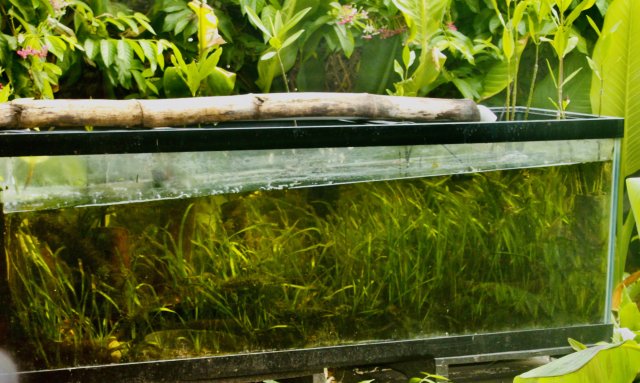
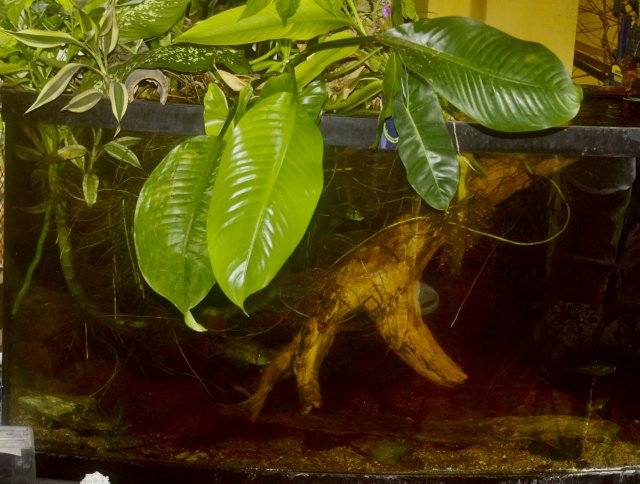
Logs washed up are also used, as are terrestrial tropical plants hung on the surface of the tank.
I would take an eyedropper and small bottle of vinegar in and put few drops on the rocks to see if they sizzled.
These days I collect plants from Lake Gatun Panama, or other local waterways.
Some plants work, some don't.
The Hygrophilla above has done well
The Salvinia and water lettuce below, started as 1 or 2 plants each
The Mangrove pods were also found washed up on the Pacific shore.
Logs washed up are also used, as are terrestrial tropical plants hung on the surface of the tank.