

Ok, the Himalayan salt seems fine, its just like normal salt but from the Himalayan mountains lol(they market it as very pure). I've talked to my LFS and they suggested not to treat salt because of the early stage of the parasite, but suggested turning my temp to 86 and treating with some ich medicine. Since the temperature is turned up should I feed more or less than normal, or just normal?
New coming ich infection
- Thread starter idkjardiniagressive?
- Start date
You are using an out of date browser. It may not display this or other websites correctly.
You should upgrade or use an alternative browser.
You should upgrade or use an alternative browser.

Yea, My heaters goes to 84 then 88.... so I set them to 84. I'm using some herbal ich medicine that honestly works wonderful. Awhile back in my 65g the fish got ich, this stuff removed it in 24 hours then I saw no sign of it, and still haven't(unlike the 210)
Also, can all my fish previously mentioned withstand 88 degrees(I heard turning it up to that will kill the ich without meds)

Keep at 86 degrees. Slowly bump ur temp about a degree an hour. Make sure u have a powerhead.Also, can all my fish previously mentioned withstand 88 degrees(I heard turning it up to that will kill the ich without meds)


You should be fine. I consider ich to be the most treatable fish disease in the hobby. It usually takes less than 2 weeks and I've never lost a fish to itI don't have a power head but have 1 huge airstone and 2 sponge fiters. Ok increase temp every hour, I read 2 degrees every 12 hours(which I thought was pretty extreme
)
Yea I figured that after I learned this parasite can simply be treated by increasing the temperature. I wish every aliment was like that.
I've seen a lot of different answer to this question(and I promise it is my last one), with ich how often if ever should I change the water?

In some cases just increasing the temp will not kill ick, because there are different strains that tolerate higher temps.
Here in Panama ick thrives in ponds and small water bodies that easily hit 90'F and above.
The warmer water does helps speed up the multi phase ick life cycle making it easier to kill.
When the ick infection is visible on the fish, the treatment does not kill it. Ick has a hard cell membrane encased on the fish, and the fishes own slime coat also protects the protozoa.
It is when each spot releases hundreds of new young ick that the treatment becomes effective.
Those new young ick have not yet developed the hard cell membrane, and the salinity, and/or increased osmotic pressure from a chemical treatment like Nox-Ick make the young ick implode and you cure the disease.

If the young ick are not killed by osmotic pressure before resting in the substrate the hard cell membrane develops, and again in an inert state in the substrate they become immune to treatment.
They then become motile searching for a host, when motile the osmotic pressure of salt of chemicals is effective.
As an example I received a shipment where, probably due to shipping stress fish arrived covered in ick.
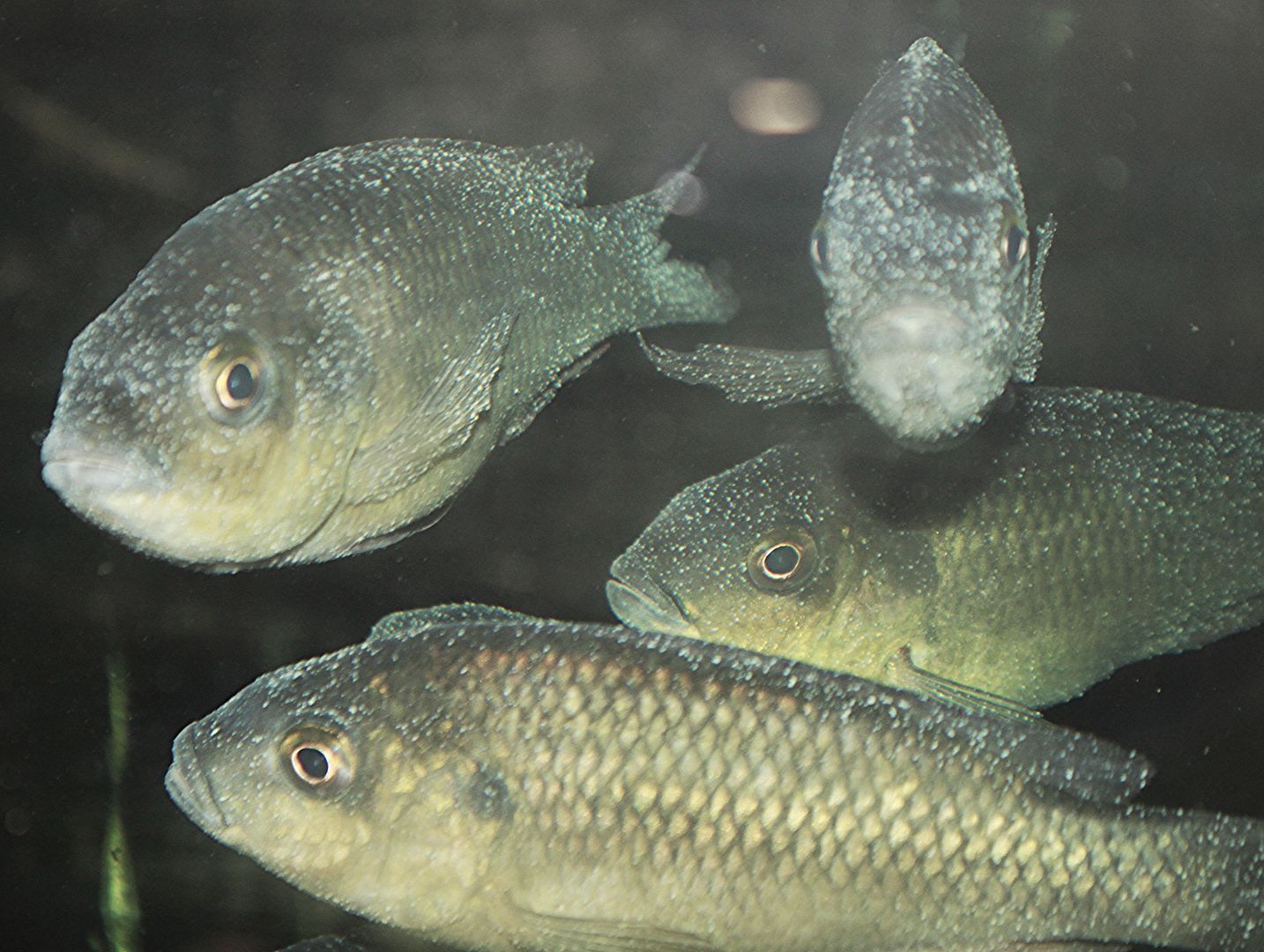
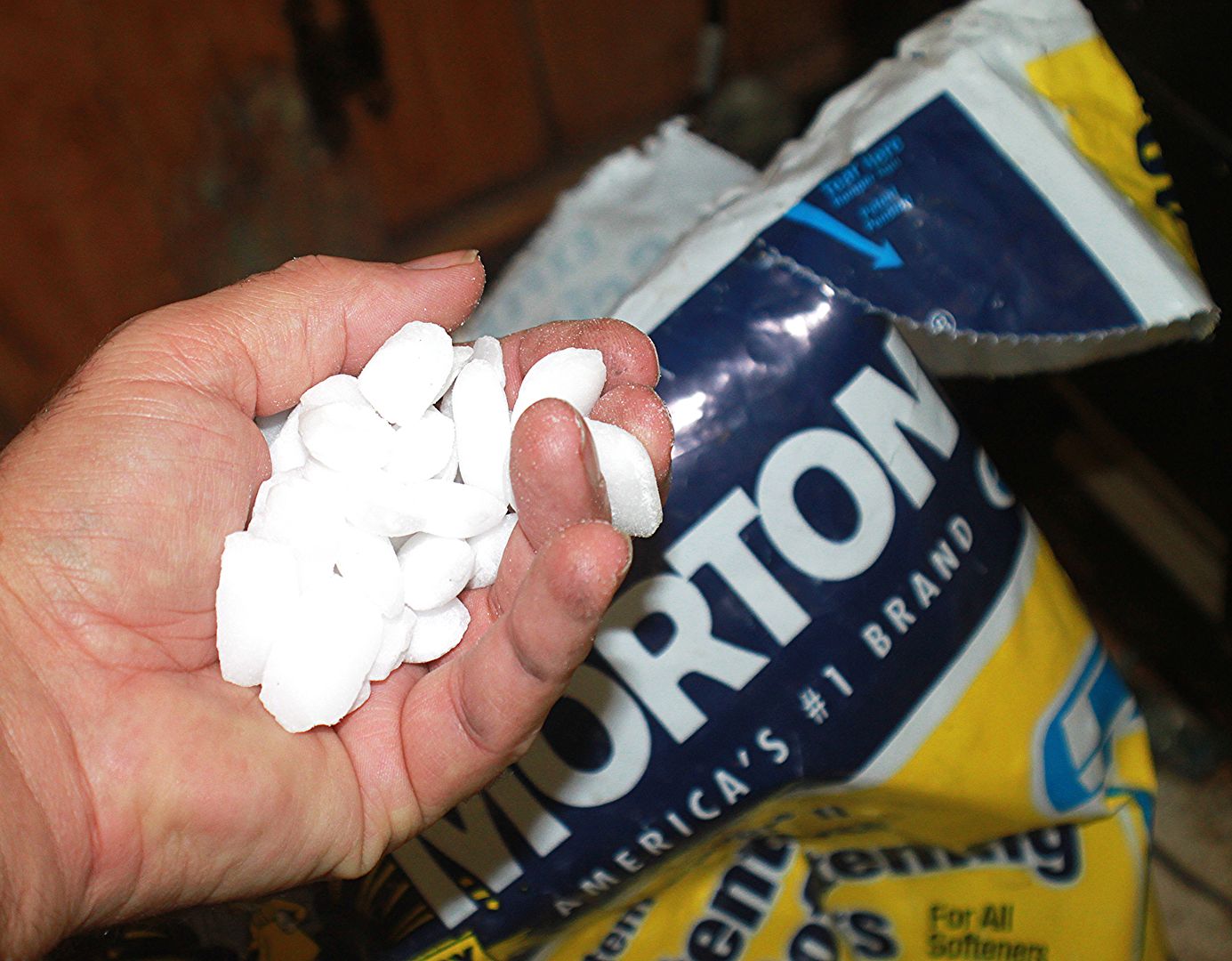
I did not raise temps, I did use 3 lbs of Morton water softener salt (NaCl) per 100 gallons of tank water.
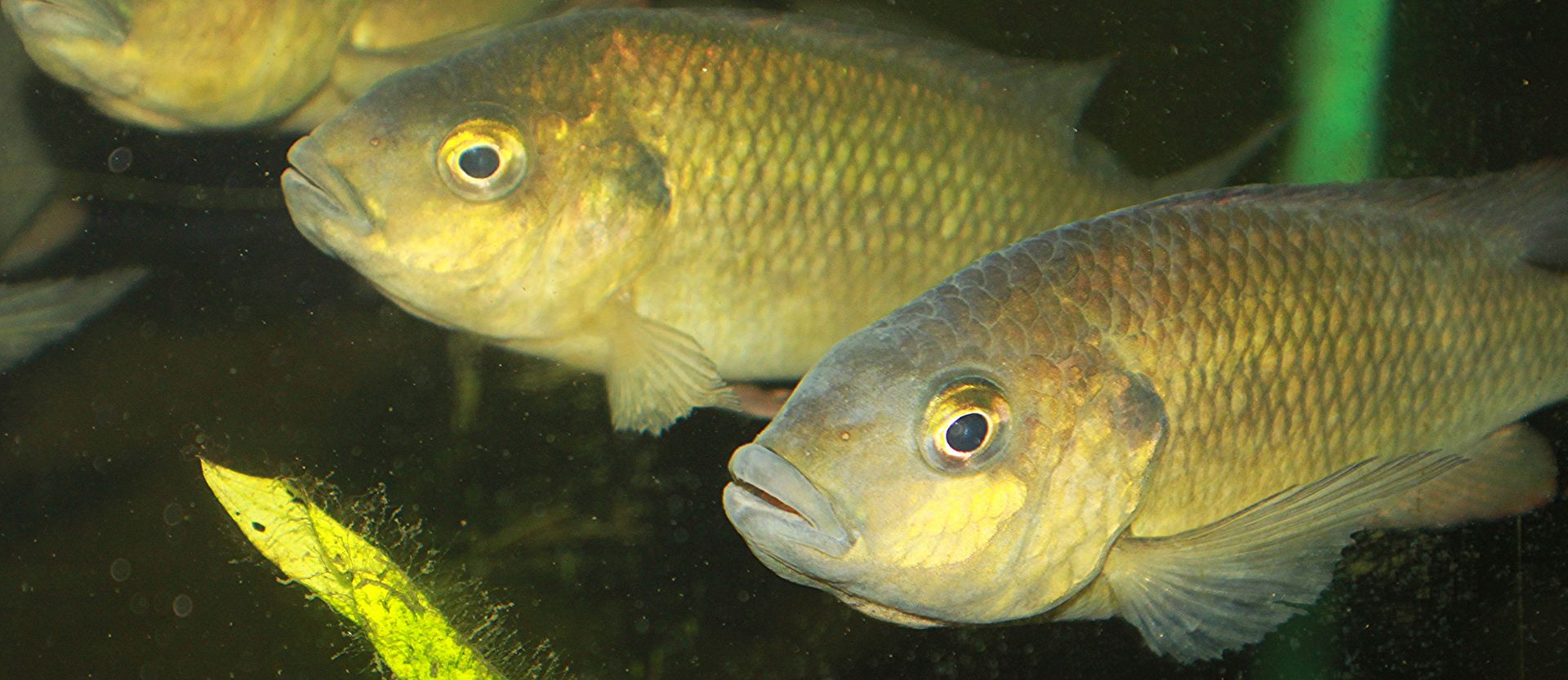
Within 10 days, this is how those same fish turned out.
Another problem I find with raising the temp, is the point where each spot was on the fish, is an open wound area where secondary infection is possible, and higher temps often make pathogenic like Colomnaris bacteria more virulent, and more easily able to infect those open ick wounds. These secondary infections are often much harder and more expensiveto treat, especially because the fishes immune system may be weakened from the bout with ick.
Here in Panama ick thrives in ponds and small water bodies that easily hit 90'F and above.
The warmer water does helps speed up the multi phase ick life cycle making it easier to kill.
When the ick infection is visible on the fish, the treatment does not kill it. Ick has a hard cell membrane encased on the fish, and the fishes own slime coat also protects the protozoa.
It is when each spot releases hundreds of new young ick that the treatment becomes effective.
Those new young ick have not yet developed the hard cell membrane, and the salinity, and/or increased osmotic pressure from a chemical treatment like Nox-Ick make the young ick implode and you cure the disease.


If the young ick are not killed by osmotic pressure before resting in the substrate the hard cell membrane develops, and again in an inert state in the substrate they become immune to treatment.
They then become motile searching for a host, when motile the osmotic pressure of salt of chemicals is effective.
As an example I received a shipment where, probably due to shipping stress fish arrived covered in ick.

I did not raise temps, I did use 3 lbs of Morton water softener salt (NaCl) per 100 gallons of tank water.
Within 10 days, this is how those same fish turned out.

Another problem I find with raising the temp, is the point where each spot was on the fish, is an open wound area where secondary infection is possible, and higher temps often make pathogenic like Colomnaris bacteria more virulent, and more easily able to infect those open ick wounds. These secondary infections are often much harder and more expensiveto treat, especially because the fishes immune system may be weakened from the bout with ick.
Last edited:
