

Does anyone know if there have been any updates on the father’s condition or how the family is doing now?This is heartbreaking to read, especially seeing a child in a hospital bed after something like this. Credit to the father who stepped in without hesitation to save his daughter. That alone says a lot, even if it is barely mentioned. This is not about dog breeds or blame. It is about a real family facing overwhelming medical costs. Hopefully more people see this and help them get through it, and the little girl makes a full recovery.
Official Off Topic Discussion Thread #1
- Thread starter Chrisplosion
- Start date
You are using an out of date browser. It may not display this or other websites correctly.
You should upgrade or use an alternative browser.
You should upgrade or use an alternative browser.
- Status
- Not open for further replies.

This mint I have growing now gets a bit too tall for good ground-cover and leggy as well; cutting it back somewhat just makes it look like unsightly lopped-off stems and I'm not greatly pleased by its appearance.Now that ^ is something you don't read every day.
I'm not sure if it's the same species as you are dealing with, but I tried to introduce Mint to a few spots on my lawn, hoping to use it as a ground cover that wouldn't require mowing. Something quickly consumed it, and I naturally suspected deer. Now I'm wondering if I might have an infestation of the rarely-seen Boreal Night-Tegus? I've only ever seen them occasionally in town in one of the off-leash lizard parks, but...who knows...?
Also quite tenacious; I feel fairly certain in being able to say that if you reattempt your mint-growing endeavours, you should see little issues with it betting eaten to nothing once it establishes proper roots and starts spreading. One of the more unpleasant weeds I've tried to manage.
As for my tegu, she has no interest in consuming mint, but does like sleeping in it if I let it grow out somewhat. Nice to give her some free-time outdoors when it's quite warm out; I've put rebar into the ground and put mesh over a fenced-off bit to prevent easy escape. Worked thus far.
On a side note, the Carolinas and Georgia are supposed to get an unpleasant bout of icy weather this weekend. Probably just another Tuesday for you, John, but us mid-south-US folks aren't used to bitter cold and sleet, lol.
Forecast keeps changing by the minute, though... weatherman I follow on Facebook's said several different things in the past few days.
Hope anybody in that area stays safe and warm. Ice might be bad to knock out power in parts of NC, I'm told.
Forecast keeps changing by the minute, though... weatherman I follow on Facebook's said several different things in the past few days.
Hope anybody in that area stays safe and warm. Ice might be bad to knock out power in parts of NC, I'm told.
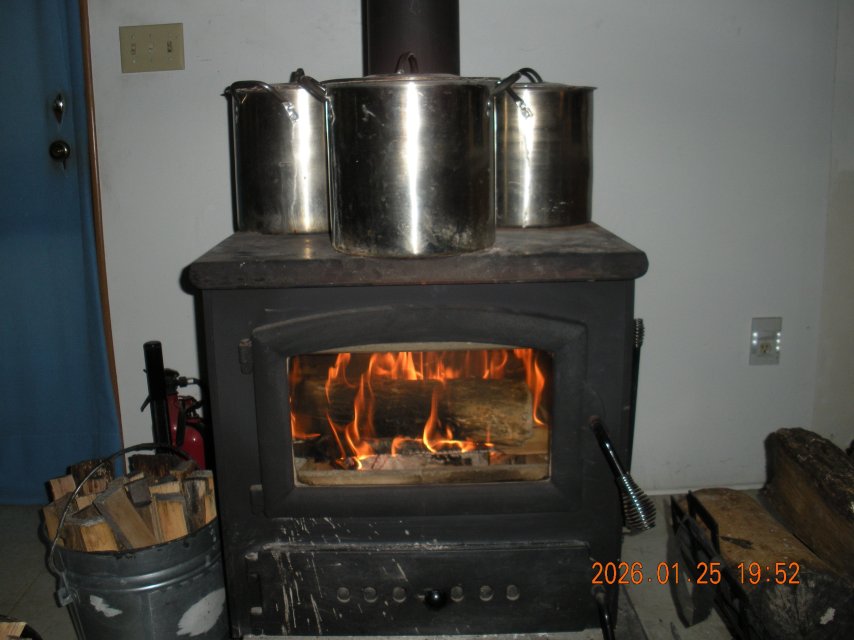


It was a lovely 61F here at dinner time.
Zoey inspects the garden…
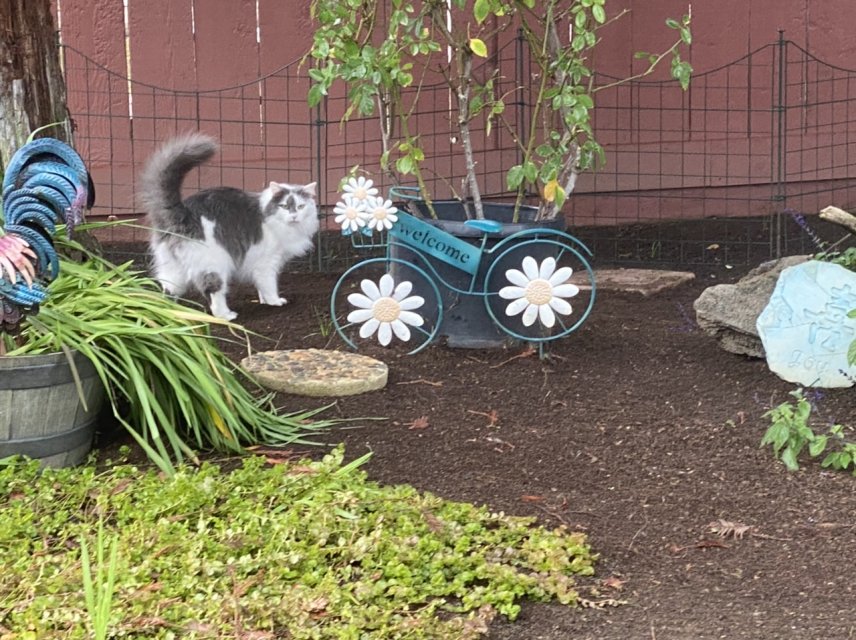
Zoey inspects the garden…
Hello; It is a balmy 4 or 5 degrees F here at 3:55 AM.

We just now emerged from a period of several days of temperatures in the -35C range (-31F) with windchills in the -45C to -48C range. We hit -49C windchill on at least two occasions; as insane as it sounds, I was kinda sorta hoping for the big -50C milestone just because... but it didn't happen.
But today it has rocketed up to -24C, forecast to hit -15C later this afternoon and with daytime highs all the way up to -7C (19F) by the end of the week! Pass the sunscreen!
But today it has rocketed up to -24C, forecast to hit -15C later this afternoon and with daytime highs all the way up to -7C (19F) by the end of the week! Pass the sunscreen!


What's most tragic is the fact that parents lost their son, a sister lost her brother, friends lost their friend, a human life was lost and families mourn. Again.
I'll pause this thread to allow us to simply reflect on the tragedy of that for a bit.
I'll pause this thread to allow us to simply reflect on the tragedy of that for a bit.
- Status
- Not open for further replies.
