Old or sick?

  • We are currently upgrading MFK. thanks! -neo
Do you know your actual water chemistry? Such as PH, GH, KH. I think every fish you’ve listed could easily live 3-5 years. Granted, I have mostly Central American cichlids and quite a few are well past 10 years old. I would find what fish works best in your water and start with that.
 
  • Like
Reactions: Gartenprofi
Do you know your actual water chemistry? Such as PH, GH, KH. I think every fish you’ve listed could easily live 3-5 years. Granted, I have mostly Central American cichlids and quite a few are well past 10 years old. I would find what fish works best in your water and start with that.
Do you think I should test the water values of the tap water or the water from the aquarium?
 
Do you think I should test the water values of the tap water or the water from the aquarium?
I would test both but start with your tap water. I have very hard water with a PH around 8.2 with a hardness of 300ppm so I keep fish that thrive in those conditions. I can’t keep species that naturally come from softer water long term without using RO water and remineralize to get the desired range which personally I find to a pain in the ass. So matching fish to your tap is by far the best recipe for long term success.
 
Banded barbs come from soft, low pH (4 to ¨below 7 ¨pH) water in nature, the water conditions they live in naturally is usually stained brown with anti--bacterial tannins from leaf litter that lines the foliage covered, and shaded sreams of their specific habitat.
IMG_0761.jpeg
If your tap water is hard, with pH much above 7, you should not expect the life span of that species to be long and prosper.
These are not like aquaium strain tiger barbs that have been raised in Florida ponds, and subjected to 100 years of average, and many water type conditions.
This is one of those sensitive species, (such as Altum angels, or Uaru fernadensepezi) that experienced aquarists will use an RO system to de-miineralize their tap water for every water change, and even use acids to bring down pH their water to mimic the natural conditions these fish come from.
If you are not able to accommodate, or put on a chemists hat ability to mimic those specific water parameters, switch to Tiger barbs (Puntius tetrazona)
 
  • Like
Reactions: Gartenprofi
Seeing your normal tap parameters, being hard, high pH water, your choice of fish species and to keep them healthy, will be quite important.
Most soft water, low pH species (especially if wild caught will struggle in your water.

Species from northern South America rivers (like Cardial tetras, other tetras from rivers like the Orinoco, or Rio Negro) may die prematurely or not show, brilliant colors} in your water.
Same goes for barbs, or wild caught betta speces from Malaysia or Borneo.

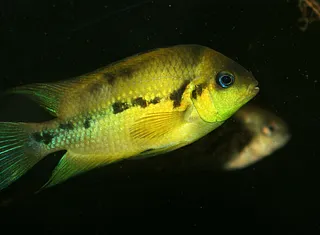
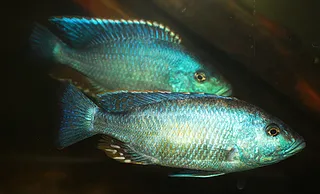
The type of species that will work in your tap,water, would be Rift Lake Africans, Cenral Americans, and some Australian hard water species
These species come from water exactly, or a resonable facsimile of yours.
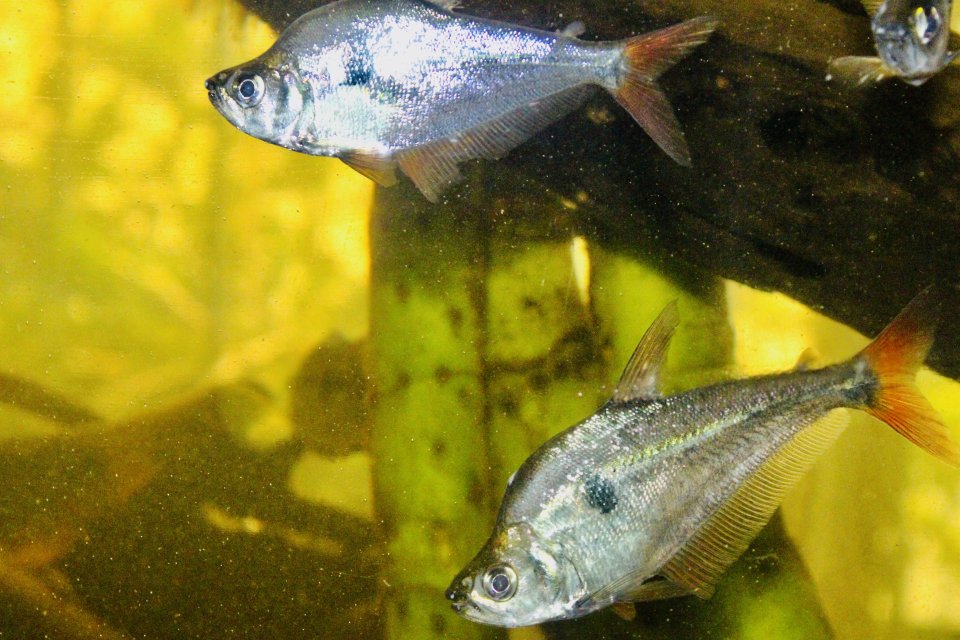
Some examples would be, Astayanx and Roiboides Tetras, most live bearers, and mineral rich water Australian Rainbow fish.

Aquarium strain fish, from local breeders that don´t alter their tap water may also work
 
  • Like
Reactions: Gartenprofi
I have always had similar water types to yours, so I have always had similar choices to make.
Even though I have always wanted Uaru fernandezyepizi , that species comes from the soft 4-5 pH waters of the Orinoco,
and my 7.6 pH hard water in Milwaukee, originating from Lake Michigan and my tap 8.2 pH, hard water here now in Panama, from a desal plant in the Pacific would make keeping it an exercise in futility, especially at a cost of $50 to $100 per fish.
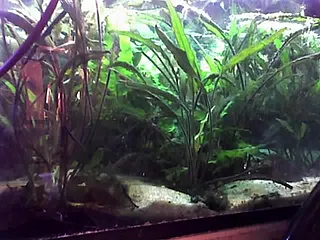
In Milwaukee I could keep, hard water cichlids, swordtails and any other hard water fish.
1768490468360.png1768490538134.png1768490603016.png
and could keep hard water plant species such a Crptocorne, Anubus and Java Fern
1768490753071.png1768490788714.png
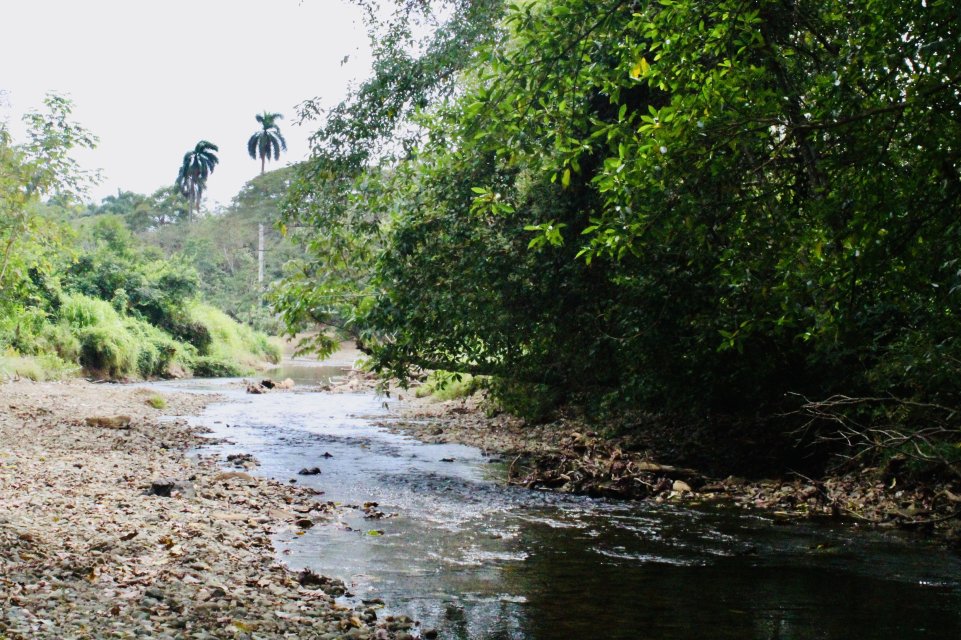
Here in Panama with slightly saline, 8.2 pH hard water, the restrictions are even more intense.
The plants need to tolerate almost brackish conditions, so Vallisneria does well.
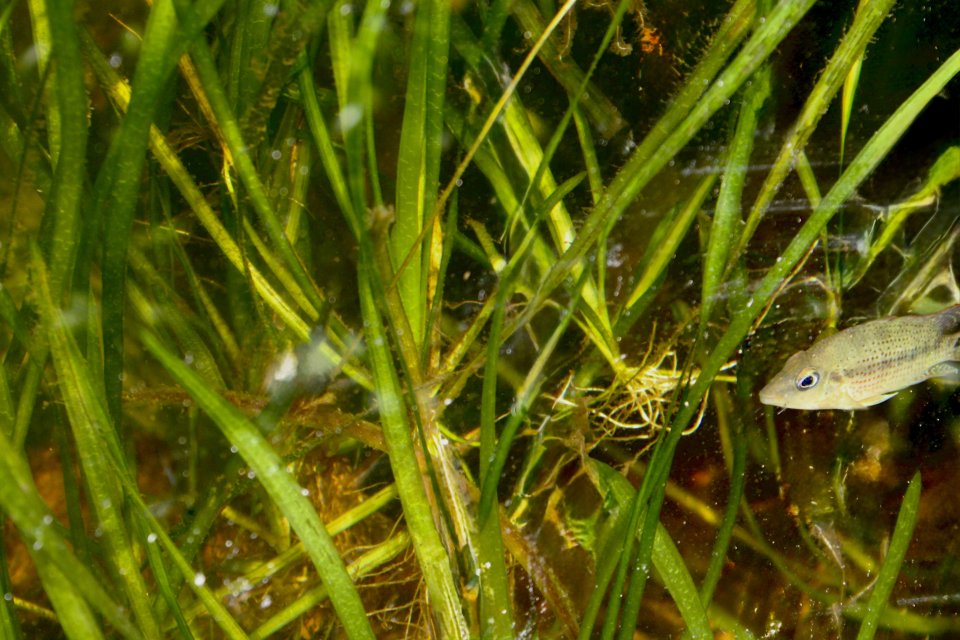
IMG_9572.jpeg
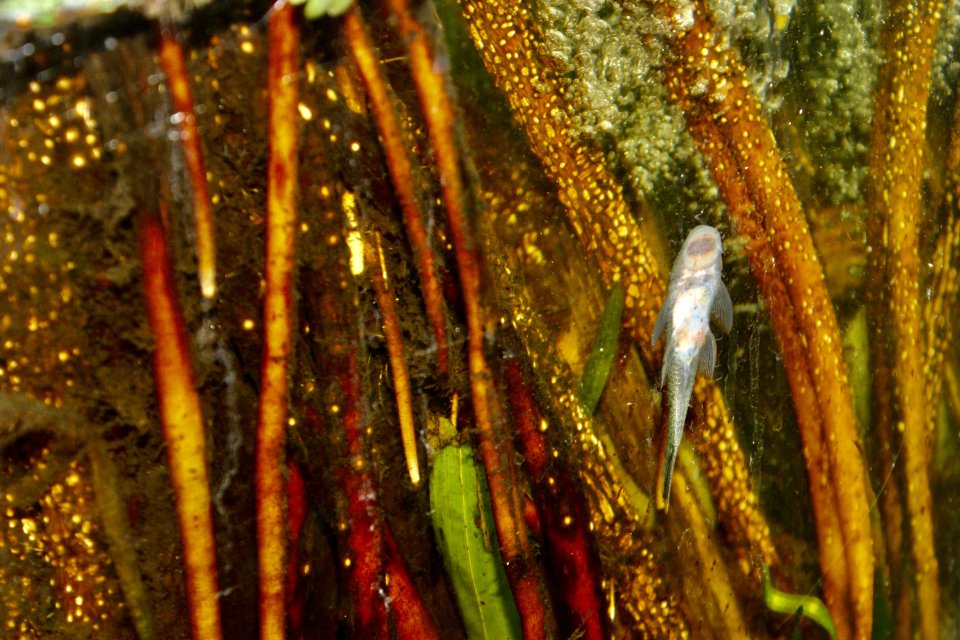
As do mangrove trees


IMG_9522.jpeg

And fish species also need to be saline tolerant, even beond water hatrdness and pH.
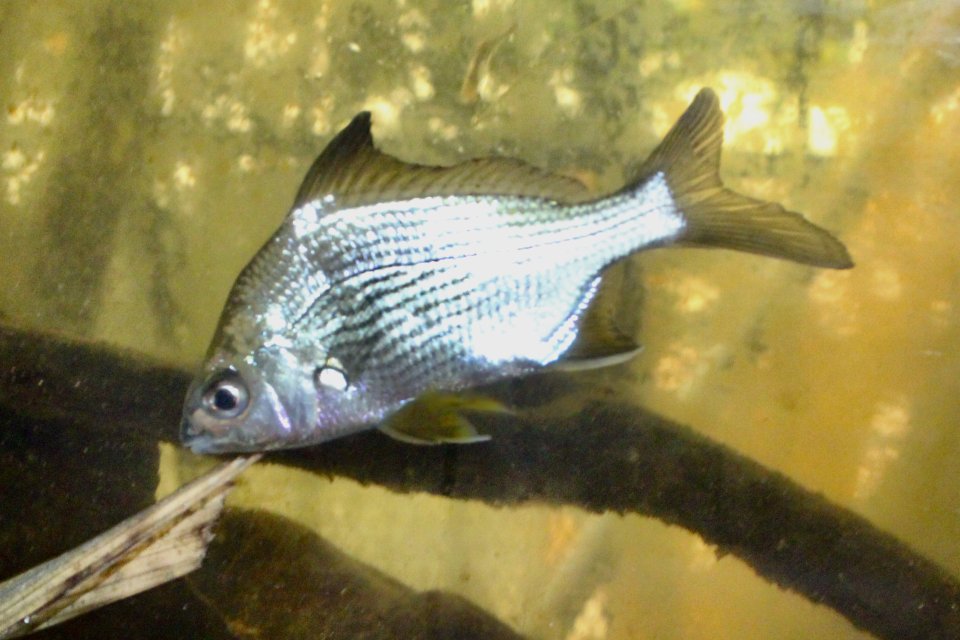
IMG_0909.jpeg
Eucinostomas argentus above, Geophagus crassilabrus below
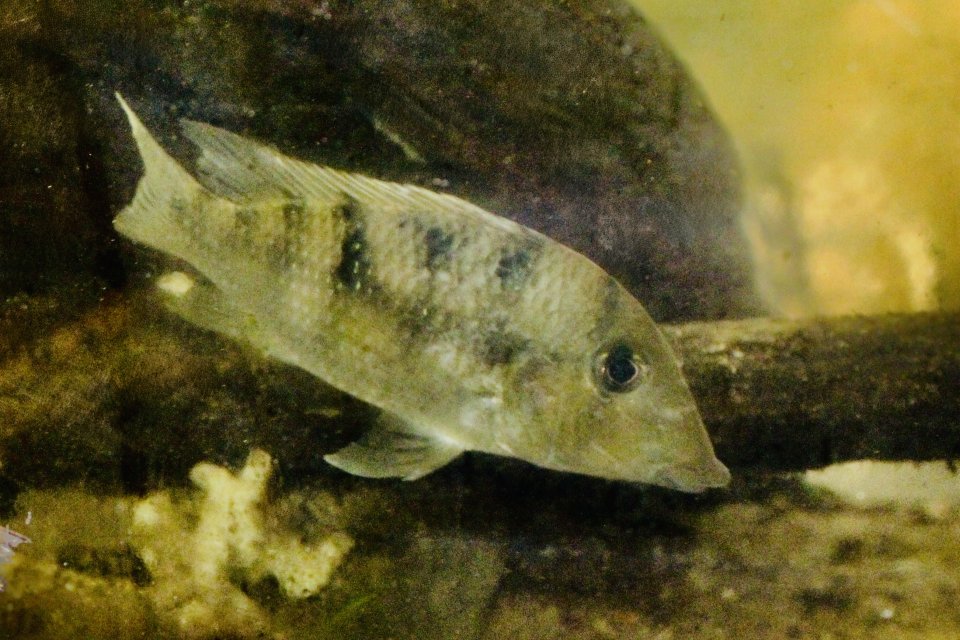
IMG_0904.jpegIMG_9352.jpeg
Roeboides tetra species above, Sturisomatichthys whip tail cat below.
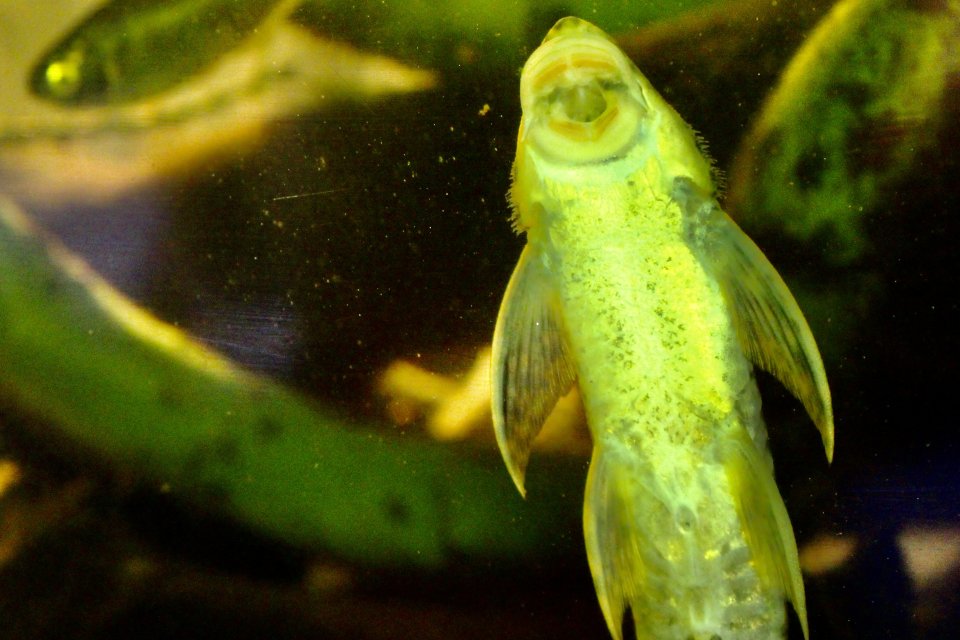
IMG_4904.jpeg
Doesn´t mean I get it right every time, but at least the basics water parameters are adhered to.

 
  • Like
Reactions: Gartenprofi
Okay. Danke! Die Wasserhärte ist also definitiv ein Grund dafür, dass es den Barben so schlecht geht? Ich wusste gar nicht, dass die Wasserhärte auch Pflanzen beeinflusst. Das ändert einiges!
 
MonsterFishKeepers.com