Only substrate huggers?

  • We are currently upgrading MFK. thanks! -neo

duanes

MFK Moderators
Staff member
Moderator
MFK Member
Jun 7, 2007
22,413
29,267
2,910
Isla Taboga Panama via Milwaukee
Many have the impression that cichlids are always substrate huggers, and that tall tanks are unneeded..
The impression I get collecting a number of cichlids, is that they will use all depths, as long as there is enough cover make them instinctually feel safe.
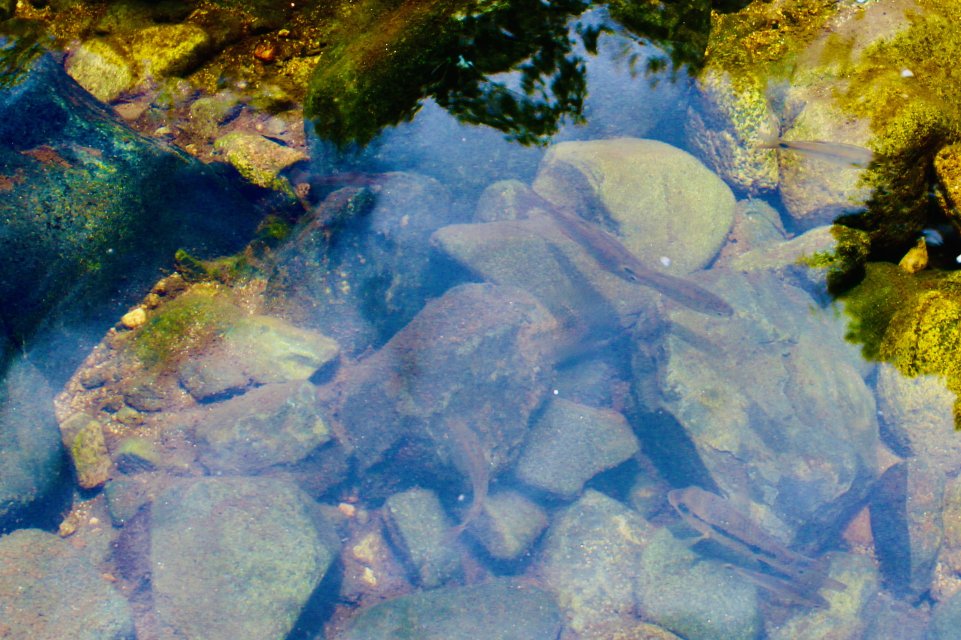
Although I find juvies cichlids (3" or less) in shallow water. most semi, and adult ( riverine) cichlids inhabit depper pools of 4 to 8 feet.
IMG_3306.jpeg
Juvie Andinoacara cichlid and tetras in only a few inches of water (above),
But
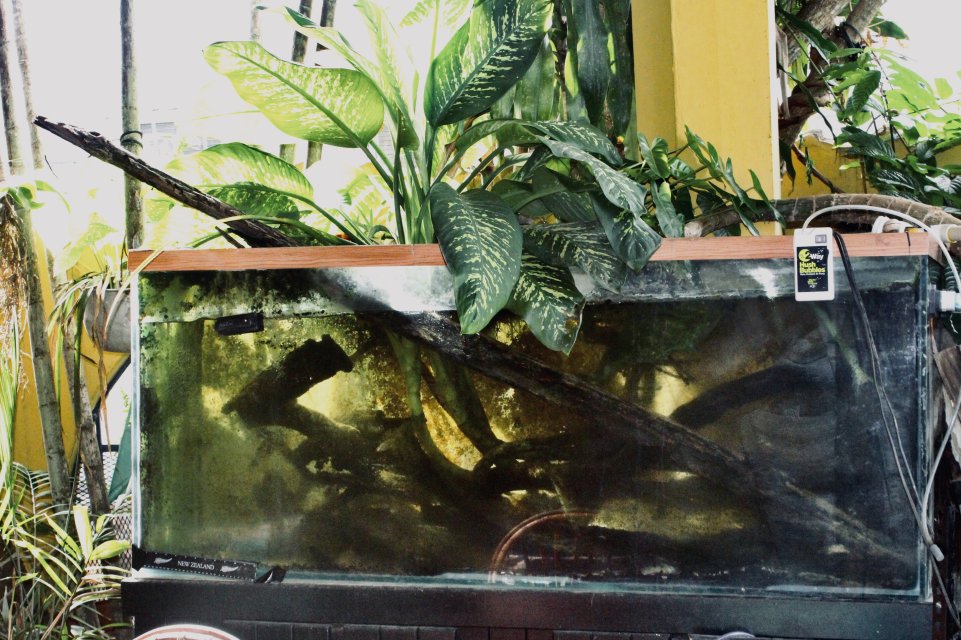
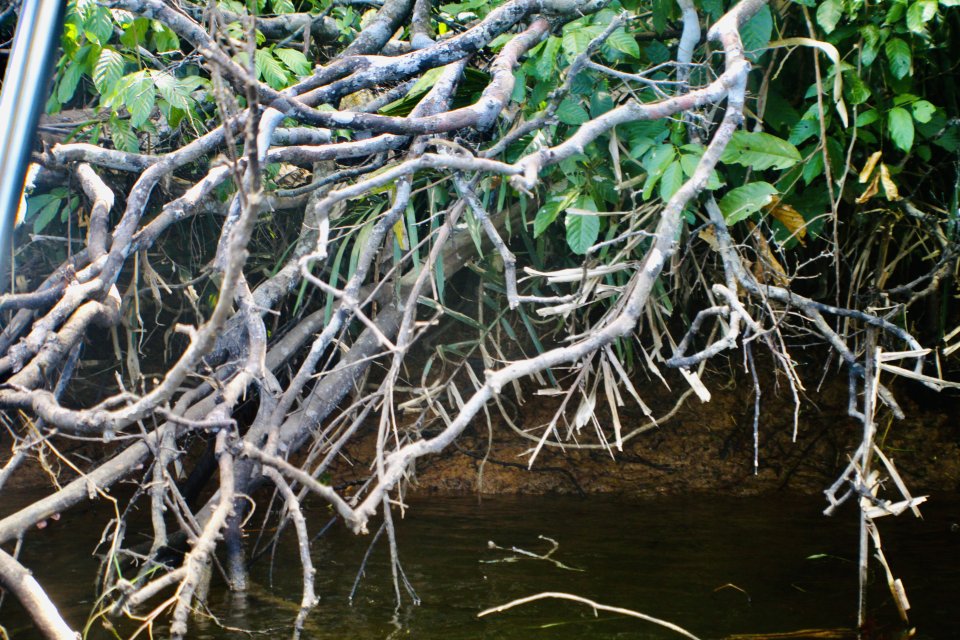
My cichlids ( and some other notoriously thought to be substrate huggers like gobies) often use that entire depth of the 30' inch tall tank (76 cms) as long as there are floating logs, or lily pads, or other actual floating plants to offer some kind of cover.
IMG_1957.jpeg
IMG_1948.jpeg
So similar to nature, I like to offer floating logs, floating plants, or over hangng terrestrial plants as part of the tanks decor.
IMG_3700.jpeg
IMG_3590.jpeg
 
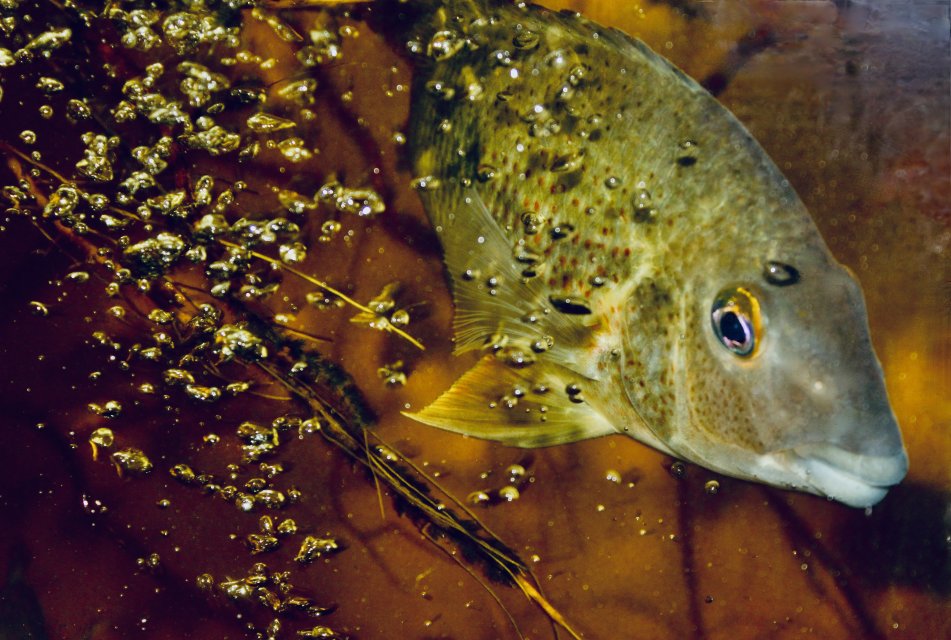
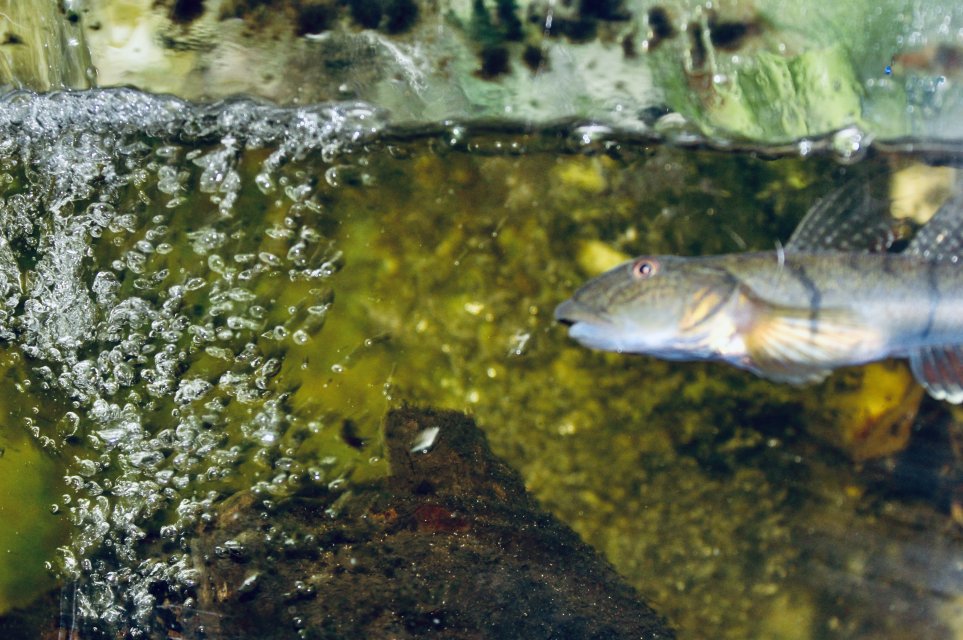
As far as the cichlids (and others) they tend to use all depths of the tank, as long as they feel safe from predators.
IMG_7956.jpeg
Above the rheophile, Darienheros calobrense, below a goby Awaous banana, all hanging out near the surface.


IMG_0131.jpeg
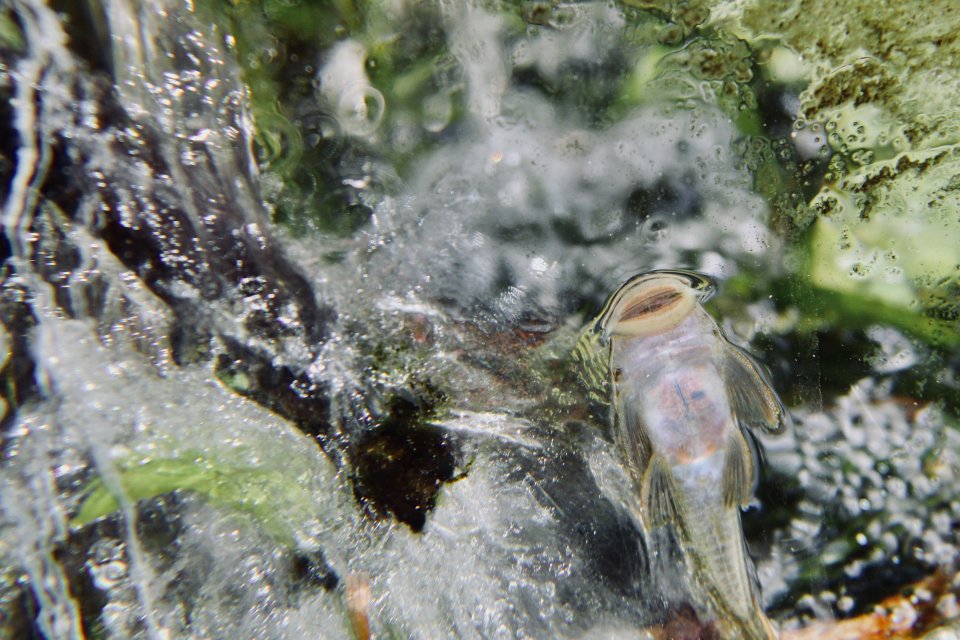
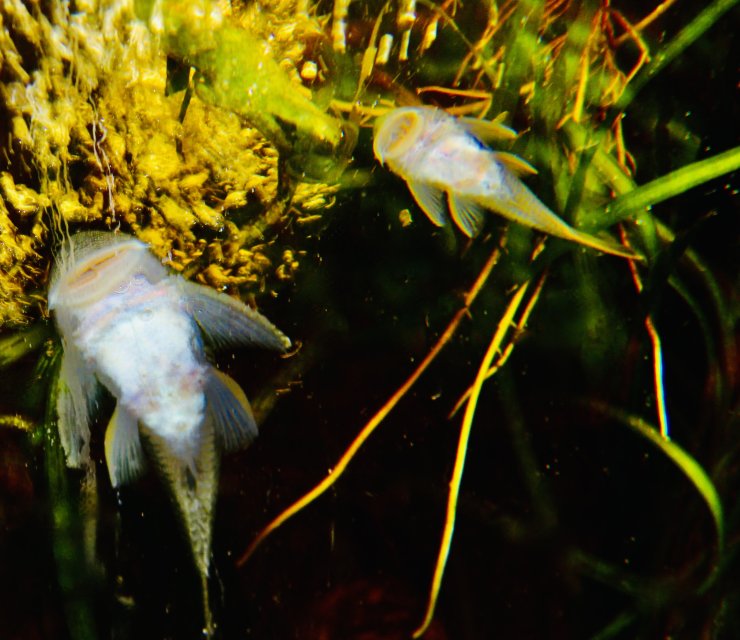
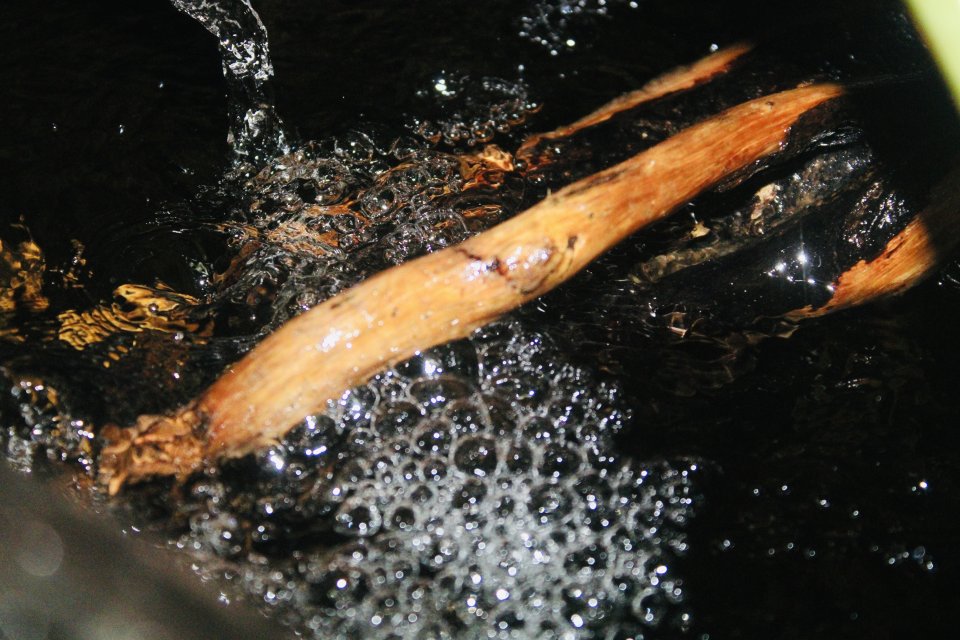
Below Chaetestoma plecos feeding above and near the tanks surface, in the splash zone of the sump outflow.
IMG_1646.jpeg
IMG_3883.jpeg
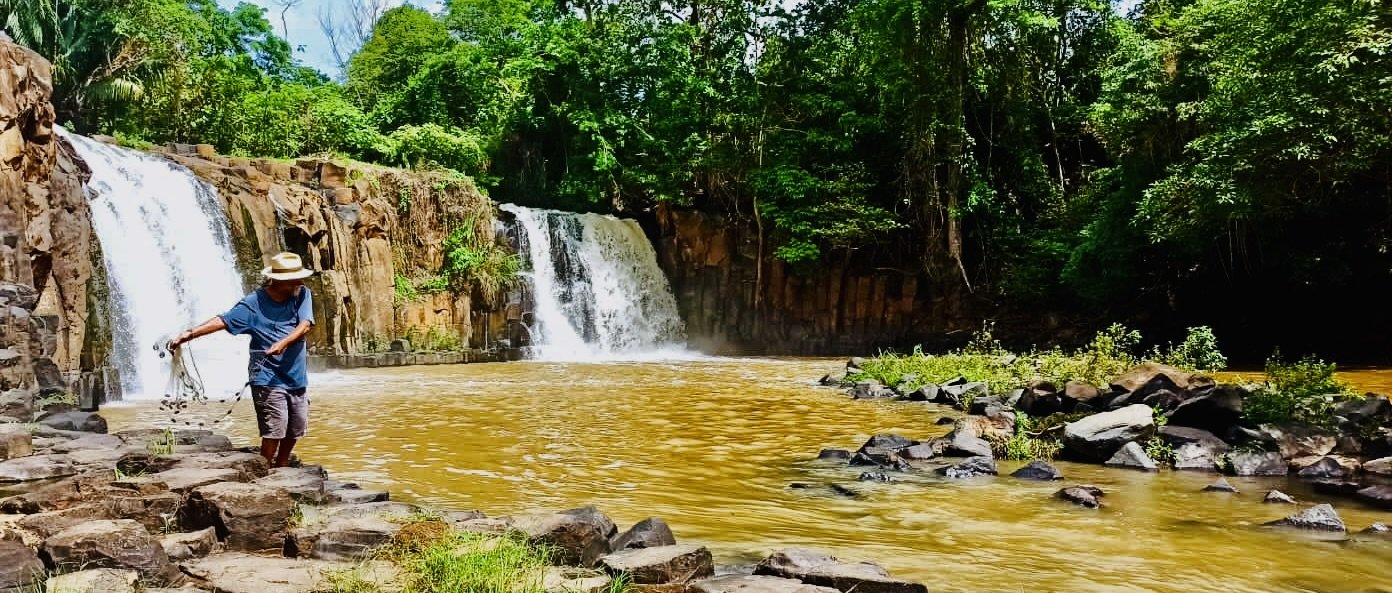
And not surprisingly, this is where some of these plecos, gobies, and rheophilic cichlids are caught (below).
3b7d146a-475c-4dd9-89d6-ca605f412975.jpeg
 
Many cichlid are surface dweller and you can infer by their upturn mouth. These include angel, discus, Oscar, and chocolate cichlid. Angel and discus venture near surface among dense vegetation for protection. Oscar and chocolate position at 45 degree angle ready to attack insects fallen on surface.
 
Some, like some geo species, do tend to be, but not exclusively. I don't know who thinks all cichlids are this way, in any case I never did, considering how many are mid-water or surface oriented-- looking for insects, falling seeds, and similar items, laying eggs on vertical surfaces, etc. It's one of the interesting things you see more of in a tall enough tank, how different fish will stratify at different levels, something they're more limited in doing in most tanks.

What I will say is some of the species that people think stick to the lower levels don't when they're comfortable enough in the tank. Cyphotilapia are a good example, they might hang near the bottom when they're resting, but mine were often all over the tank, which only makes sense because no tank replicates the verticality of the lake they live in. Also, things like water color, clarity, and cover are factors, in nature it makes a difference whether or not fish feel exposed to avian predators.
 
  • Like
Reactions: jjohnwm
I never thought of most cichlids as bottom-huggers, and I've never really been a cichlid fanatic either. A few years back I had a small colony of Gymnogeophagus balzanii which I kept and bred in a 360-gallon community with Goodeids, Odessa Barbs, Garras, etc. and couldn't help but notice that the more numerous and the more rambunctious the tankmates, the more bottom-oriented the balzanii became. It got tiresome, and after a couple years I lost interest in them (after looking forward to them for years!) and let them go.

Gymnogeophagus rhabdotus, on the other hand, have sparkling personalities and utilize all levels of the tank, feeding equally well from the surface or the bottom even in the dead of winter at temperatures at or below 55F. Being the smallest cichlids in the tank doesn't slow them down any, and I rarely see them doing the earth-eating thing at all, nor crawling like slugs on the bottom. They're just really nice fish and fun to own; the fact that they breed as easily and as prolifically as Convicts just adds to their charm, IMHO.

Cichlasoma dimerus is sort of in the middle. During the winter cool-down period, they are pretty meek, spend most of their time at the tank bottom, and generally seem a bit cowed by their ever-growing goldfish tankmates. As summer approaches, their water warms up and the goldies move into separate outdoor accommodations, and the dimerus "cichlid up", turning more aggressive and more willing to explore near the surface. I'm giving them one last chance this summer outdoors in stock tanks; if they continue to eat their eggs and young...as they have the past couple seasons...they may be on the chopping block come fall. Having them looking great and actively swimming at all levels does me little good when I can't really see them when looking from above. Then I bring them in and they turn into shrinking violets while indoors all winter. We are not amused.
 
MonsterFishKeepers.com