

Your camera is certainly up to the task. Here are some tips for you...
1) When I do aquaria photography of a single specimen I try to use flash to light it up. The trick is to press your lens right up to the glass so you get no flare from the flash.
2) I use an external flash with a softbox diffuser, this helps soften and even out the light on your subject. You can learn about the diffuser on my macro photography tutorial: http://sayersweb.com/photography/html/article-easy-macro.htm
3) You can use most lenses, a macro can be useful, but a general purpose lens can work as well. Here are some aquaria photos I have taken listing the camera and lens. Many of the images were with the Canon 350D which is many generations older than your camera:
Canon EOS 350D ,Sigma 105mm f/2.8 EX DG Macro:
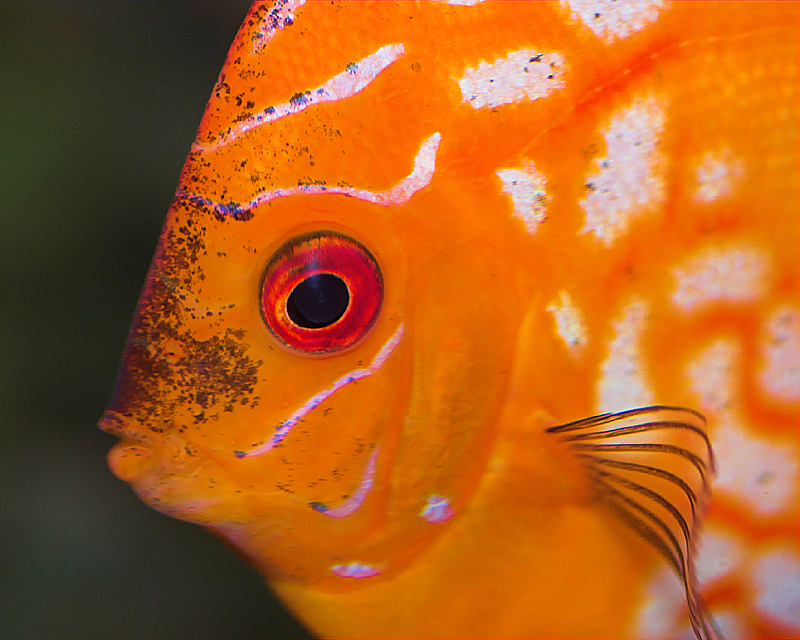
Canon EOS 350D ,Canon EF 24-105mm f/4L IS USM

Canon EOS 1D Mark II ,Sigma 105mm f/2.8 EX DG Macro
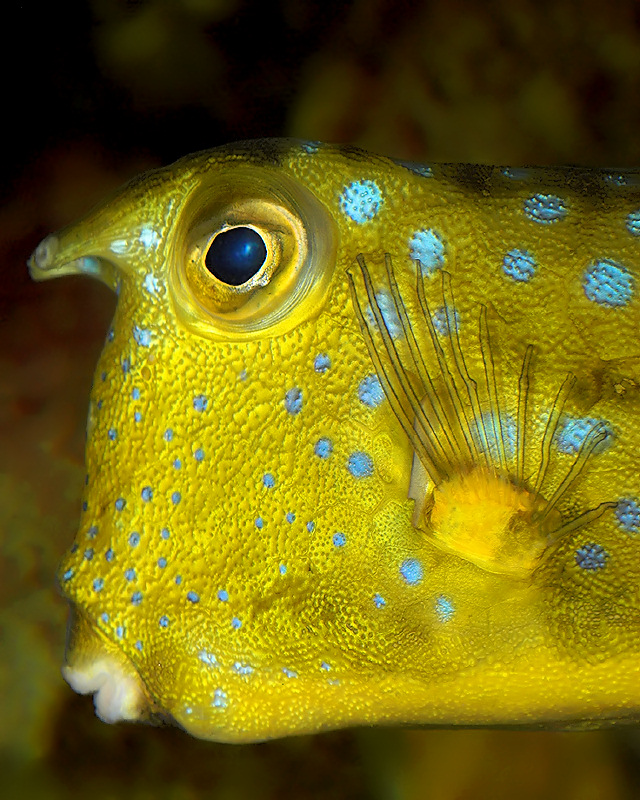
Canon EOS 350D ,Canon EF 17-40mm f/4L USM
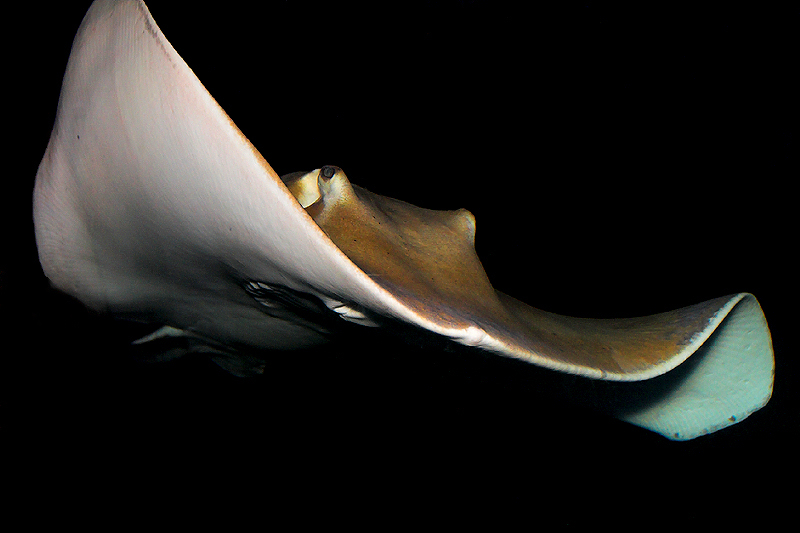
Hope this helps... have fun with it!
Sayer

1) When I do aquaria photography of a single specimen I try to use flash to light it up. The trick is to press your lens right up to the glass so you get no flare from the flash.
2) I use an external flash with a softbox diffuser, this helps soften and even out the light on your subject. You can learn about the diffuser on my macro photography tutorial: http://sayersweb.com/photography/html/article-easy-macro.htm
3) You can use most lenses, a macro can be useful, but a general purpose lens can work as well. Here are some aquaria photos I have taken listing the camera and lens. Many of the images were with the Canon 350D which is many generations older than your camera:
Canon EOS 350D ,Sigma 105mm f/2.8 EX DG Macro:
Canon EOS 350D ,Canon EF 24-105mm f/4L IS USM
Canon EOS 1D Mark II ,Sigma 105mm f/2.8 EX DG Macro
Canon EOS 350D ,Canon EF 17-40mm f/4L USM
Hope this helps... have fun with it!
Sayer
