Pickin’ and Grinnin’

  • We are currently upgrading MFK. thanks! -neo
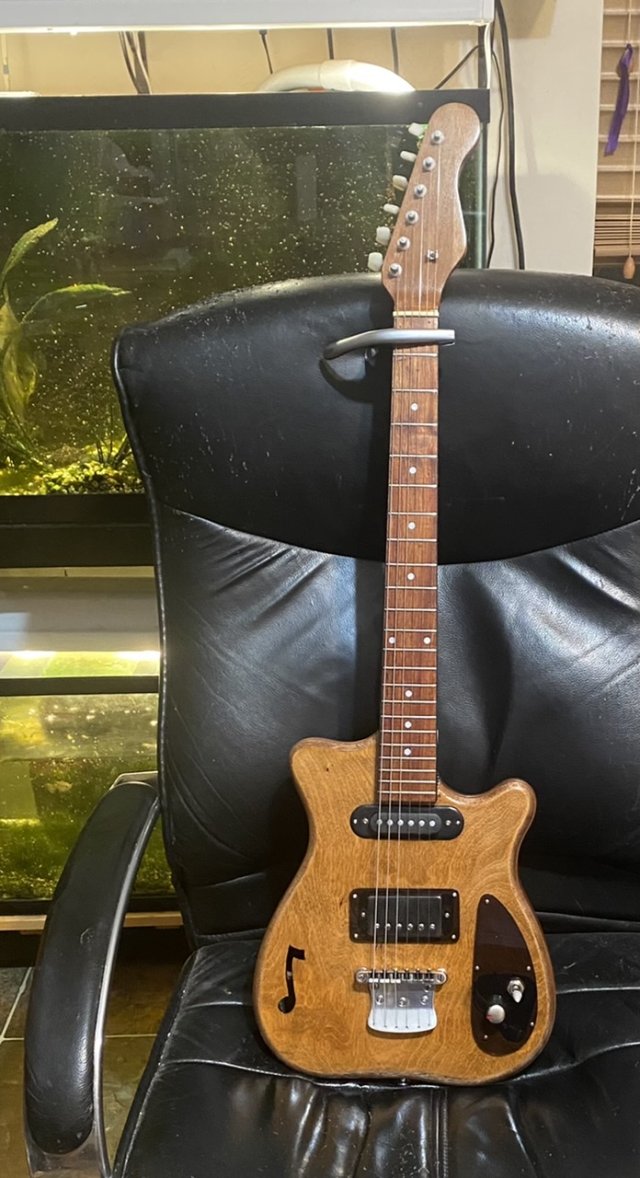
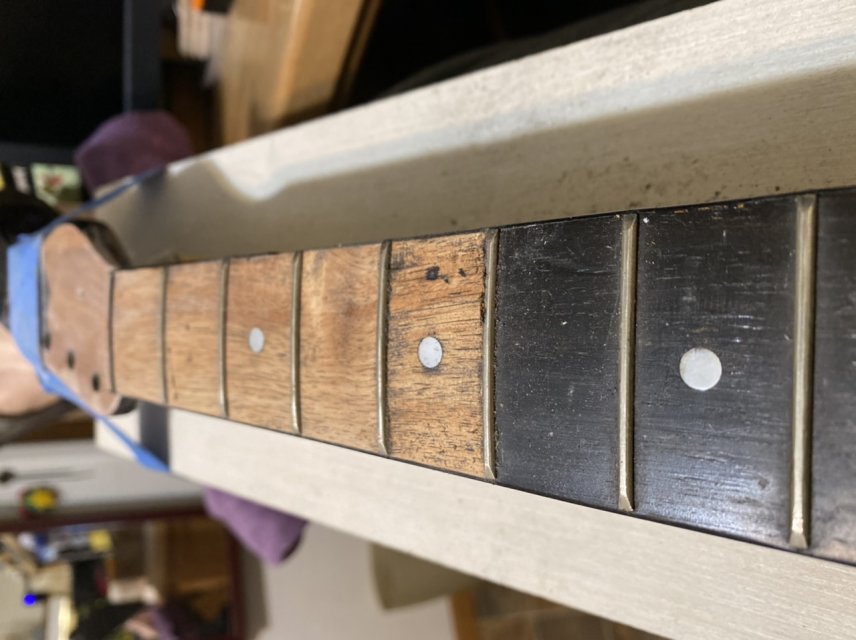
Meanwhile, I shaved every speck of black paint off that lovely maple and “ebonized” rosewood neck.
13899CB6-4B79-4E04-9D0B-64A2C535D11A.jpeg

OK, there was a little worm-wood action. That’s why the factory painted real Brazilian rosewood.
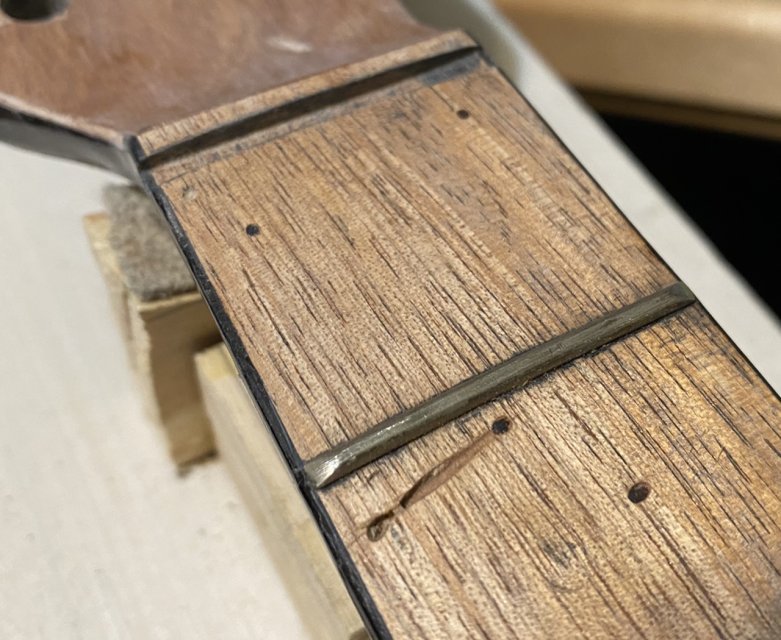
F7071573-C582-45D5-955D-DAAA514DBEBC.jpeg

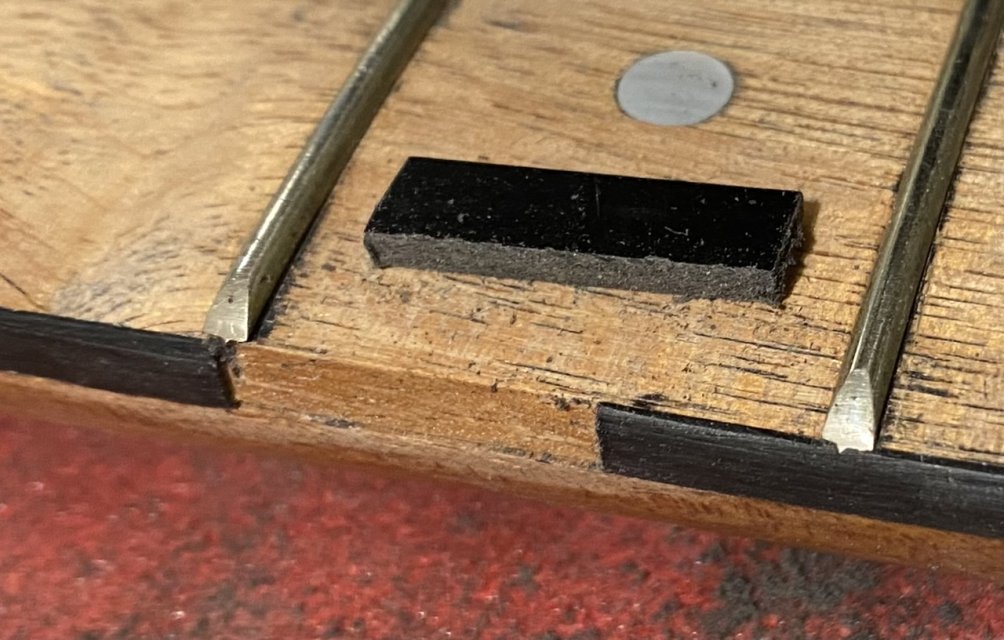
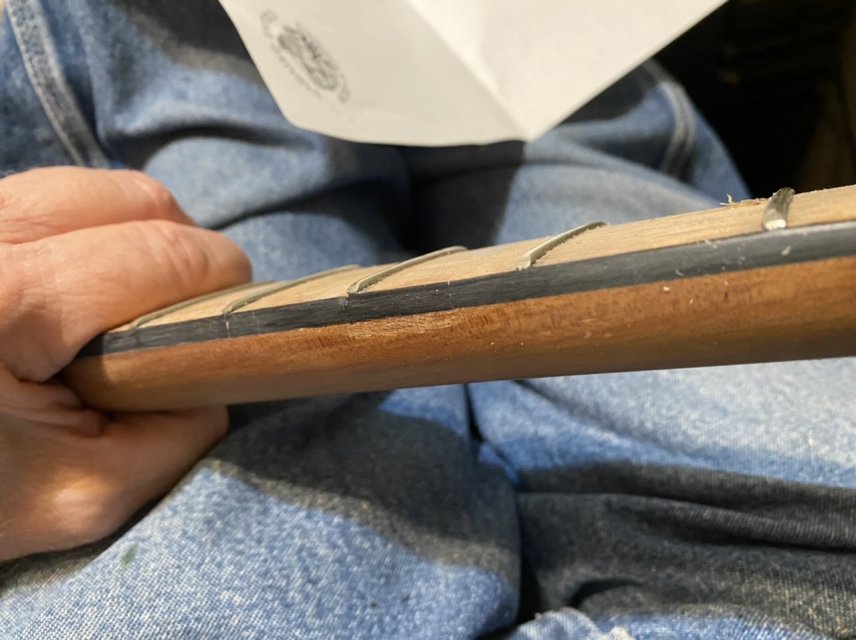
I had to patch the binding.

0928814F-D53C-4636-9AC7-C5B0A582C8FC.jpeg

Crazy Glue, black styrene and sanding…
Almost invisible!
171DE653-4408-4970-9242-9670EB8FA334.jpeg

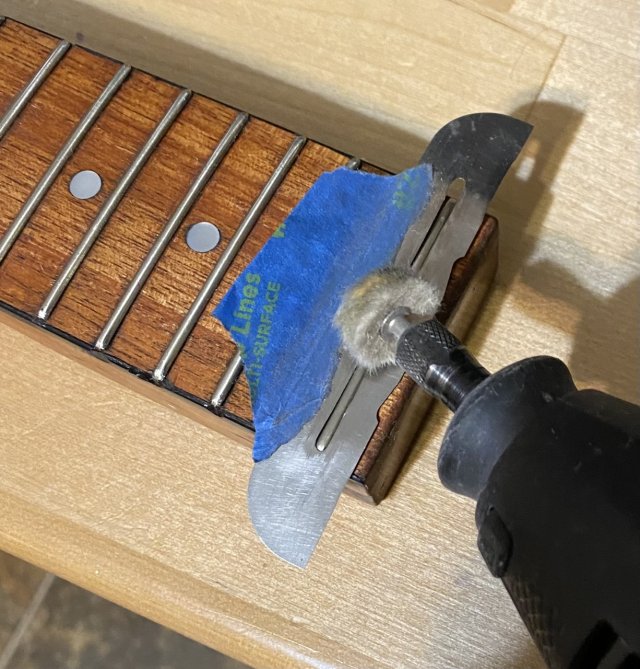
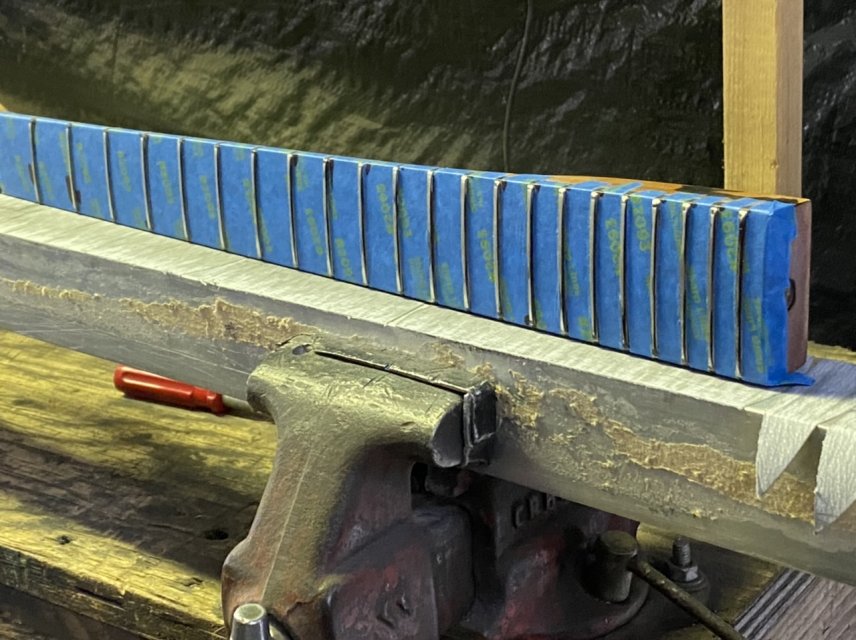
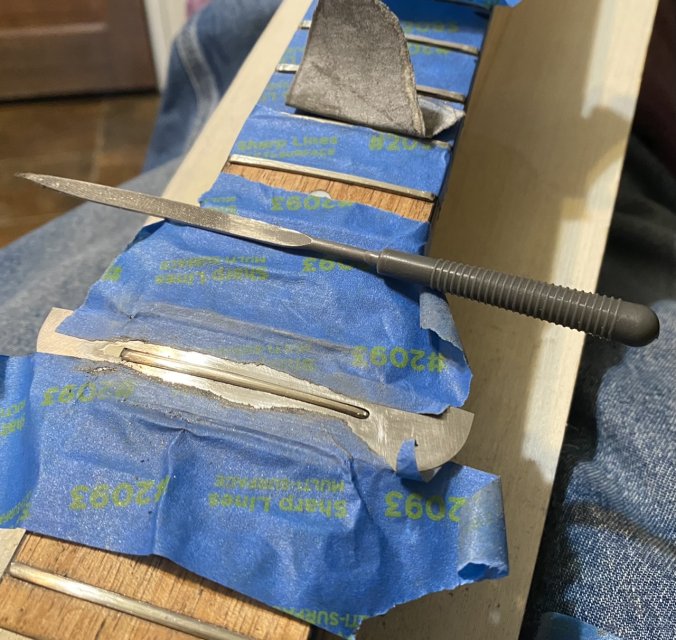
All the frets were shaped and leveled on a sanding beam. Then they all got crowned, balled & polished by hand.
FC8ECC6D-0395-4936-8F88-2056BE07EE24.jpeg

FDA90A0B-7ED6-4679-8BD2-0FCD44598B5E.jpeg

069836A9-2E65-4B37-9E21-47CBD39C0134.jpeg
 
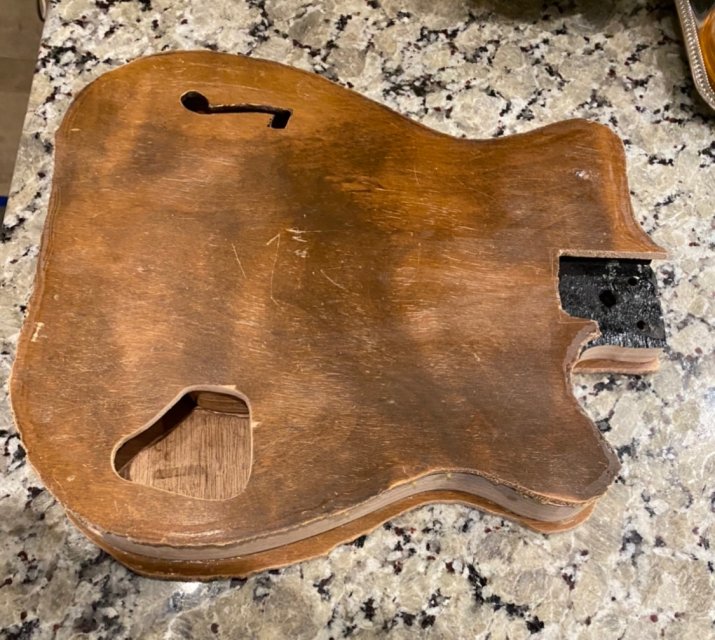
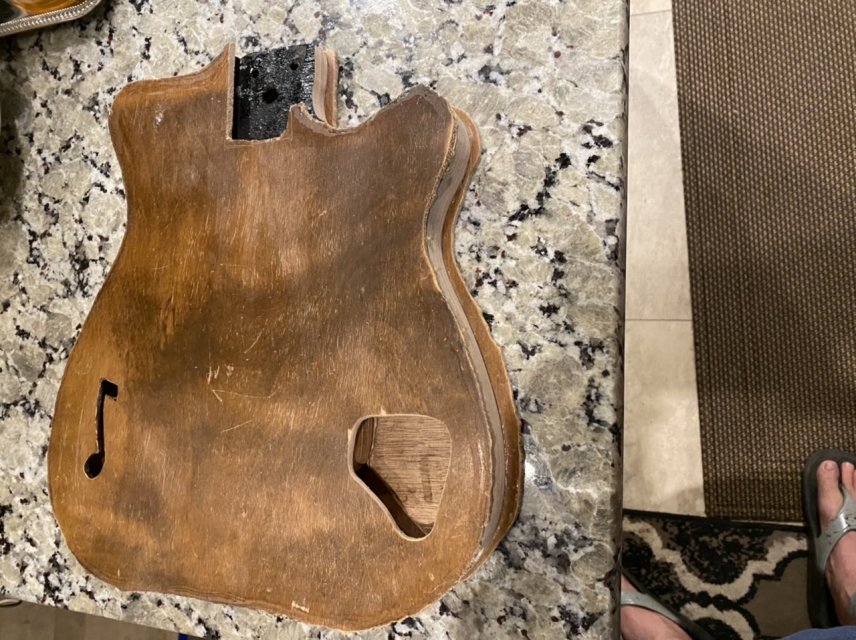
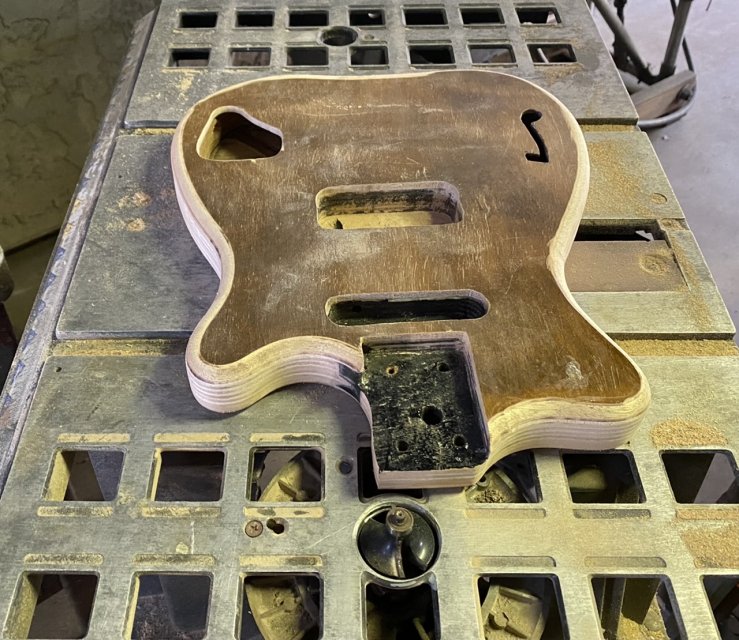
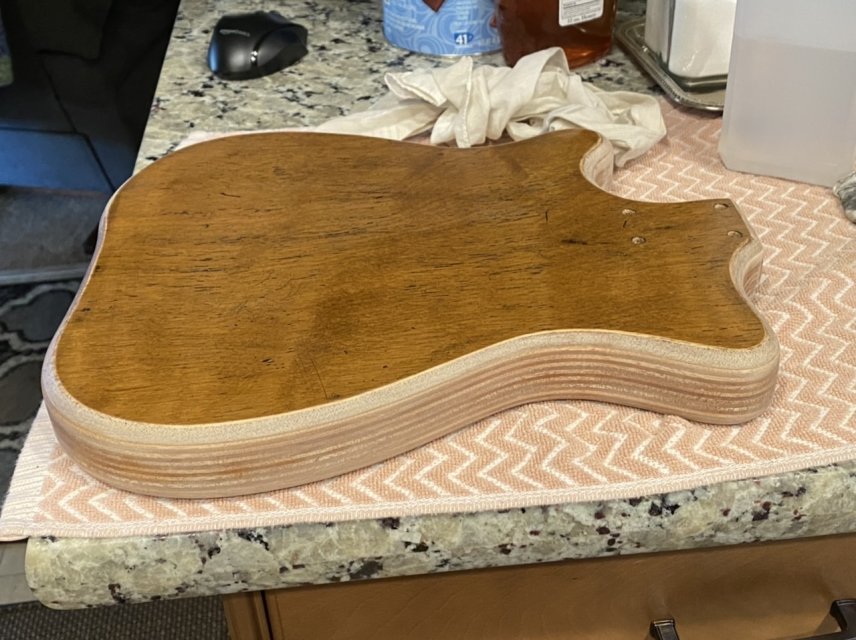
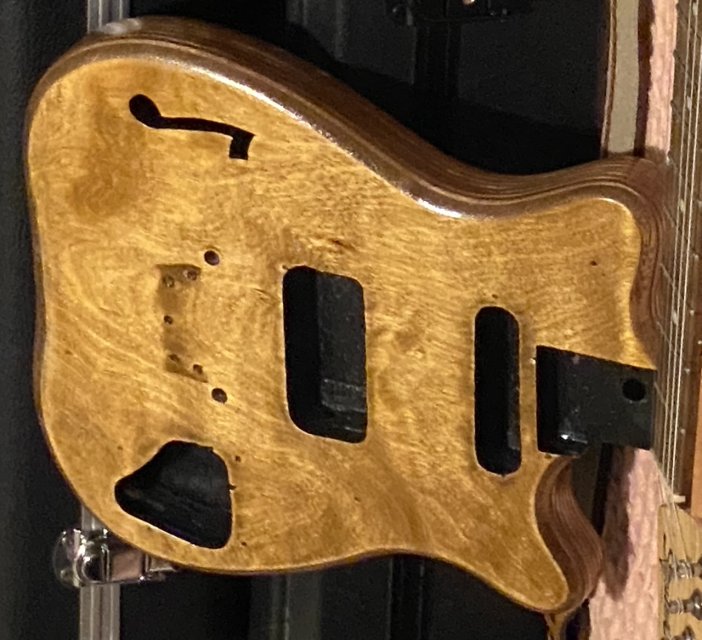
The blank body:

FF71FC63-437D-4E0E-B616-EBB71570091D.jpeg

09420D4D-1DAD-45A0-8508-25B4E7849962.jpeg

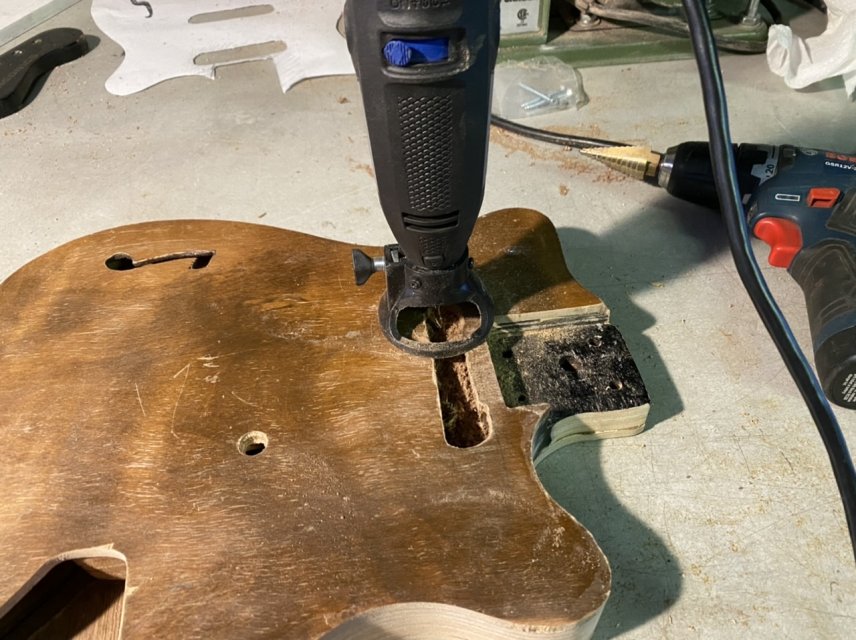
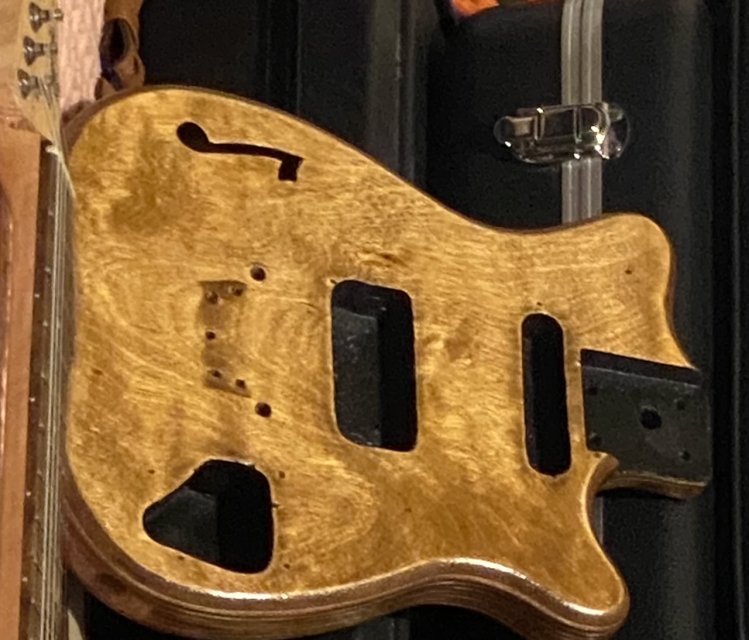
Routing the openings.
FEC06889-F822-4F9E-AE87-115CF52060A9.jpeg

I shaped all the body edges by eyeball on a belt sander. Then I ran it on the router table.

0FB43755-4A3B-4946-BD80-8A331DD0CAE6.jpeg

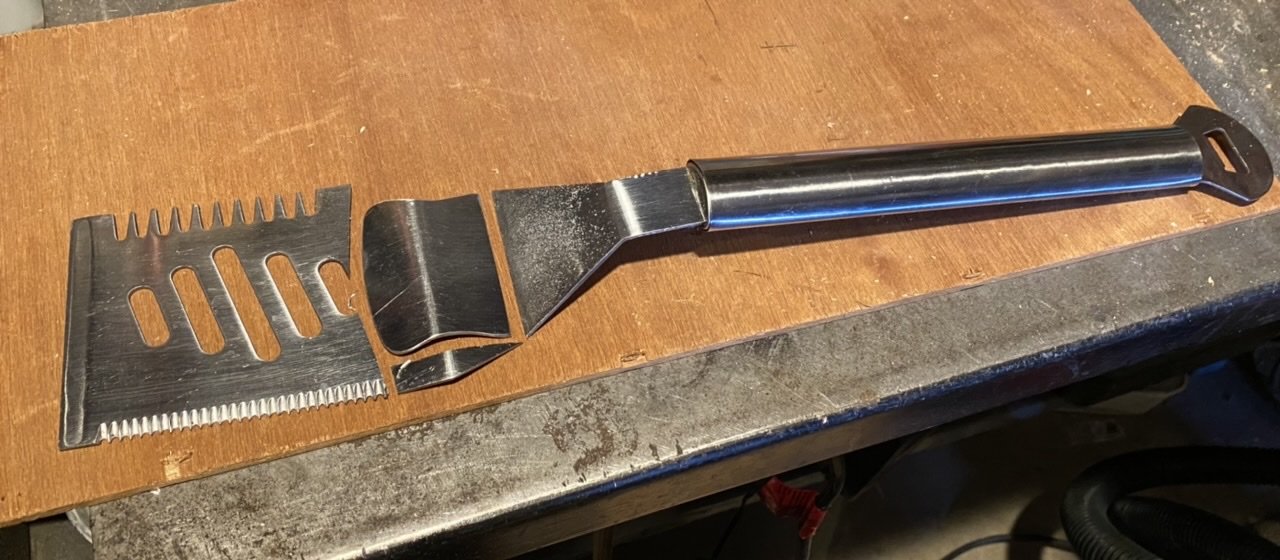
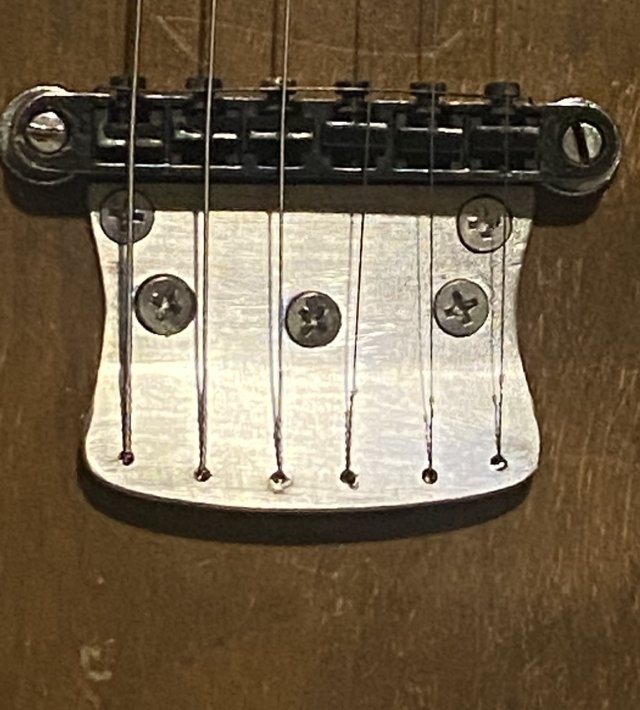
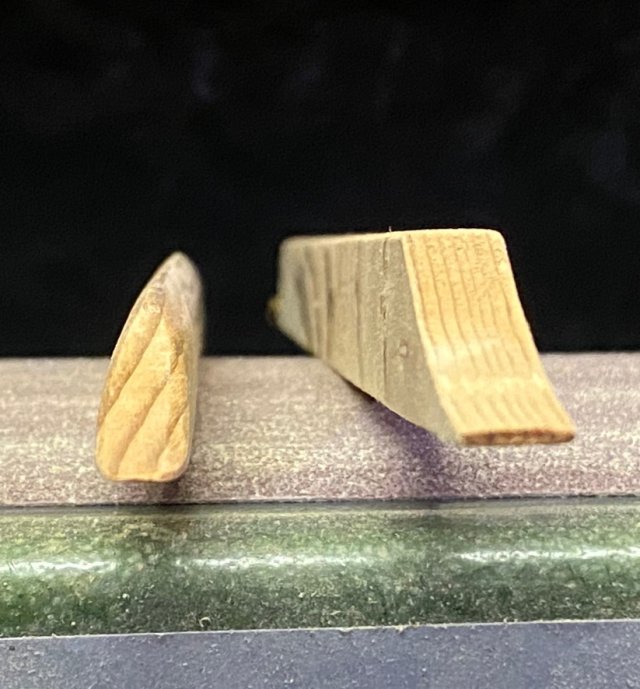
I made the tail from a new heavy duty stainless BBQ spatula. Eventually I polished this and domed all the screws.

26EC5F1F-48D1-4FF8-ADC5-04E2E15CAE66.jpeg

B398569A-473A-4A6F-BAE1-641F5FA16EC8.jpeg

This tail holds back nearly 200 lbs of string tension. It had to be pretty rigid.
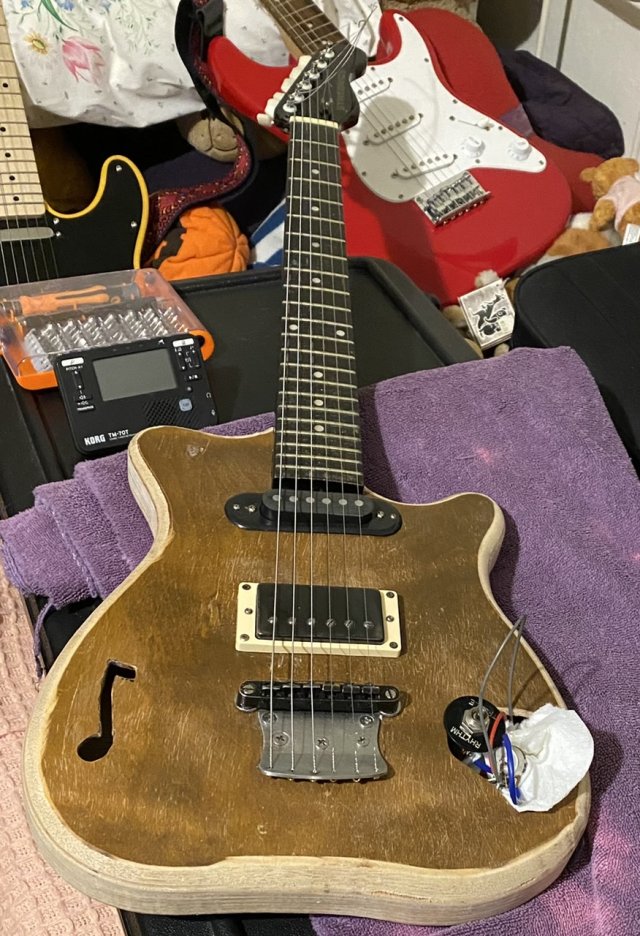
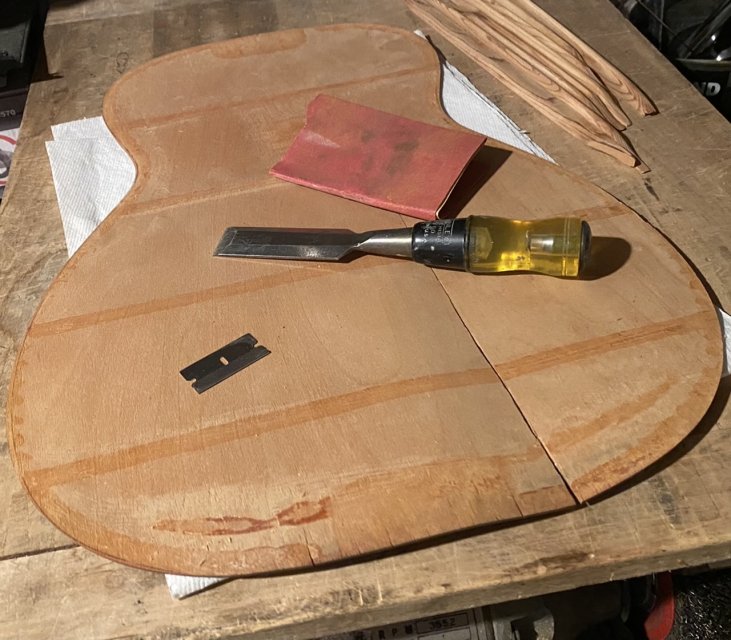
The first test assembly.
B3E2C3C2-41BD-4BB5-A8FC-19F3DC0927BE.jpeg
 
That last pic shows the original stain color. Watch what happens.

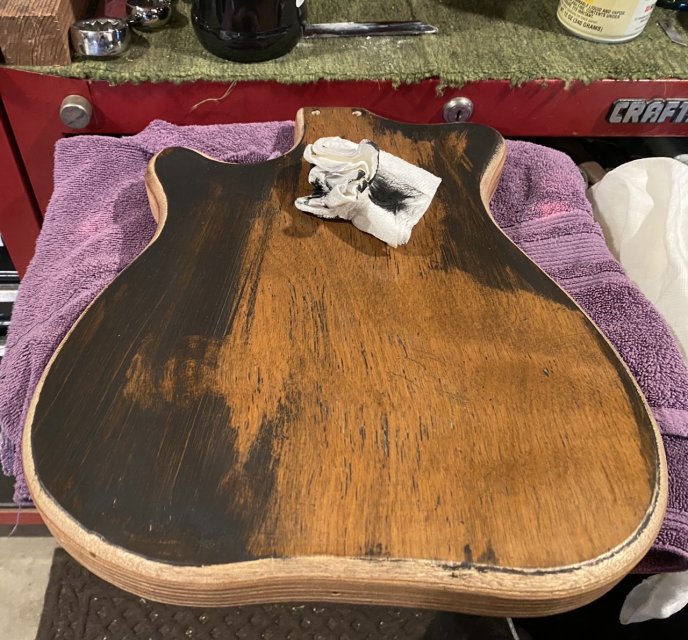
Lots of rubbing followed, plus stain and lots more rubbing, then black grain filler,
and shellac. (Lacquer is no longer an option in commiefornia.)

20F22E20-5077-4D86-891A-BC3B4DECF548.jpeg

B3964CCA-C569-496E-830D-D19A9D7727A9.jpeg


60873712-7B31-4F7F-94BB-97772BE9C39A.jpeg

37B959EA-9C9D-40FC-A407-4B1D7F1F0EFE.jpeg

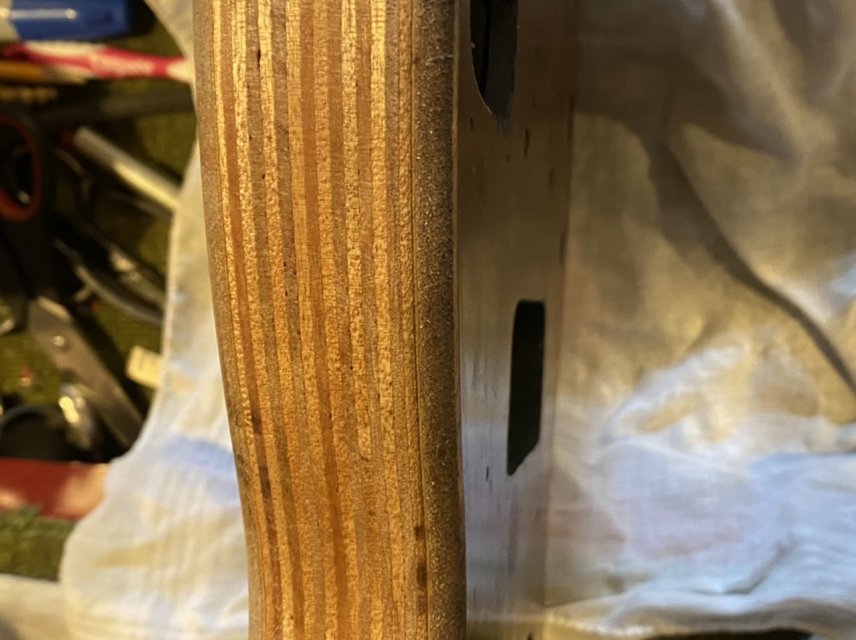
I was originally going to paint the edges, but I decided to celebrate the plywood.

15A71385-156D-4853-BCC1-D7DBEA592942.jpeg

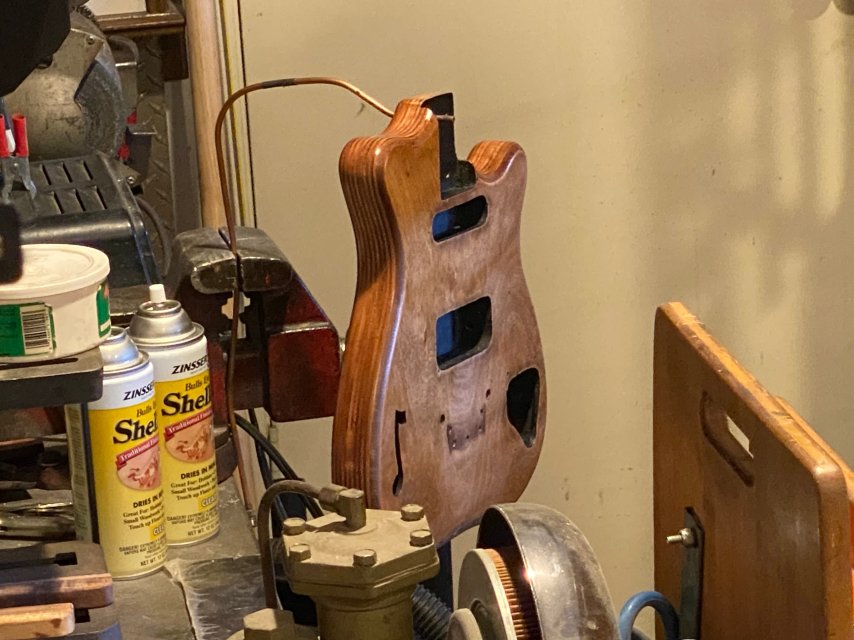
The shellacking.

48F2935E-1074-464C-B130-449B45D0A595.jpeg

I made the control cover and pickup ring from smoked lucite.

Everything else came from the Synsonic, except the humbucker pickup, switch and volume pot. Also the Tune-o-matic clone “harmonica” bridge, from which I polished off the black chrome.

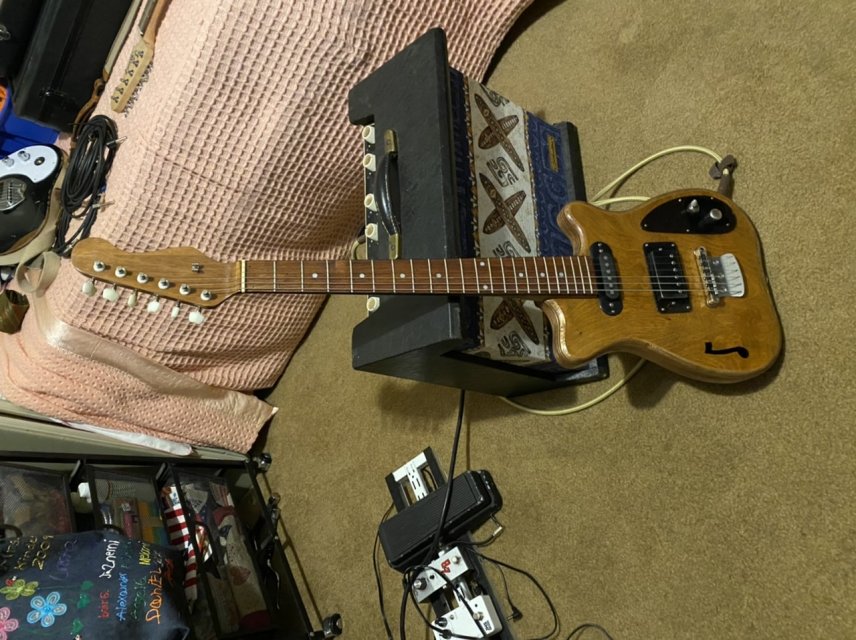
After lots of polish and fitting, The final assembly and tuning of the nut and bridge.

1BB62112-5251-4959-A8FF-DE726E5C7ECD.jpeg

71F092CD-3789-42A3-951F-5490ABD3B5D9.jpeg

Audio samples to come…
 
  • Love
Reactions: jjohnwm
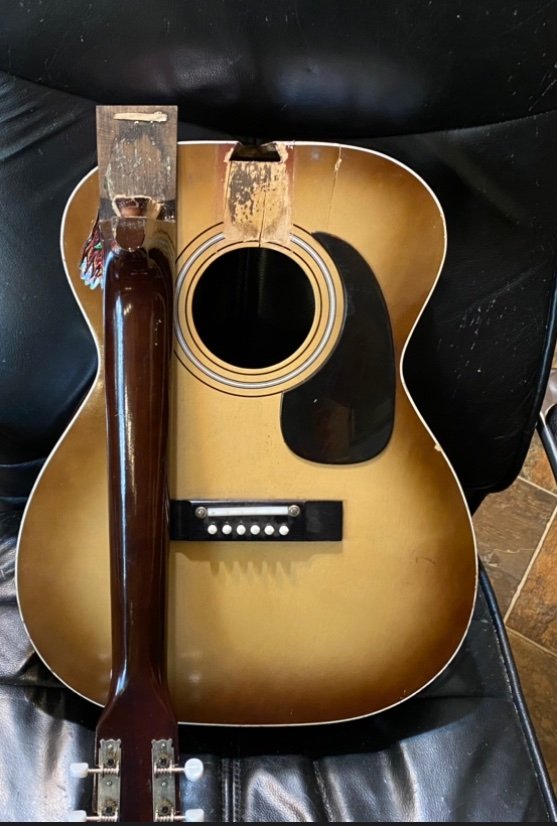
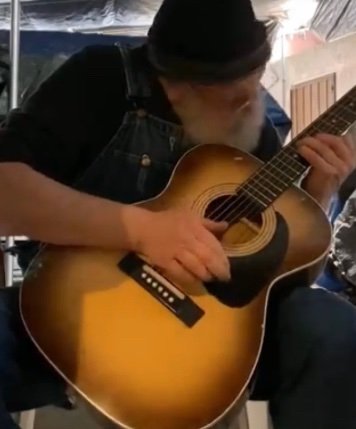
It seems like I have abandoned this thread about three guitars ago. Currently I am playing one I just put together: an old harmony flat top from 1970.
FBCE397E-B356-456A-9DB8-2F7EE29FF03A.jpeg

This thing was a mess and somebody had deliberately smacked it on the floor, cracking it in several places.
BC250D41-8976-40CC-A443-87E00206456E.jpeg

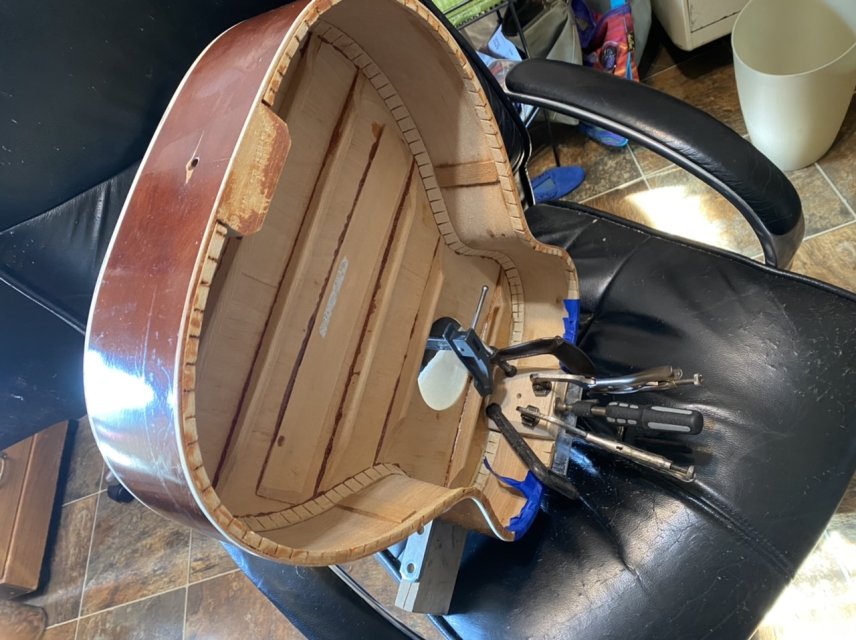
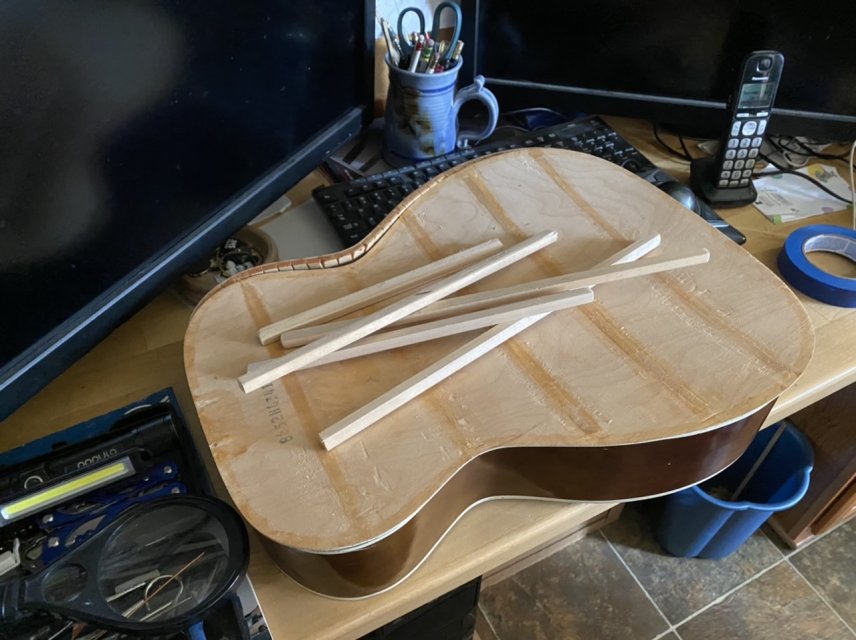
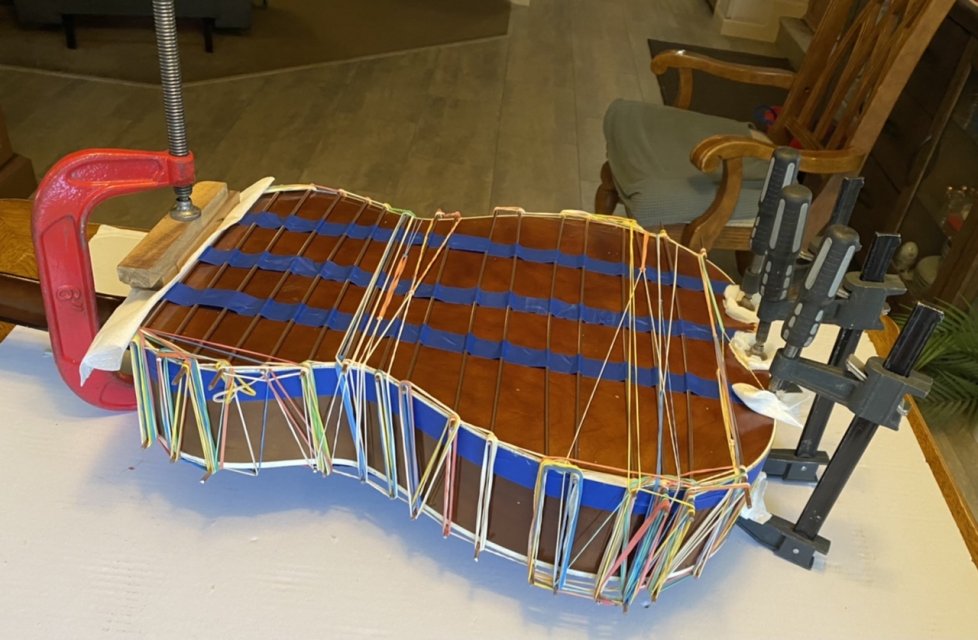
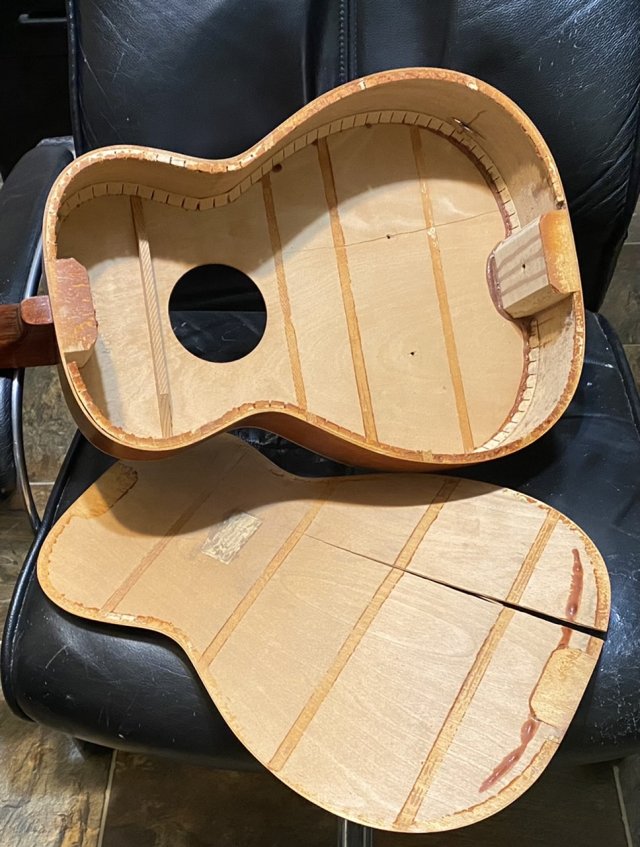
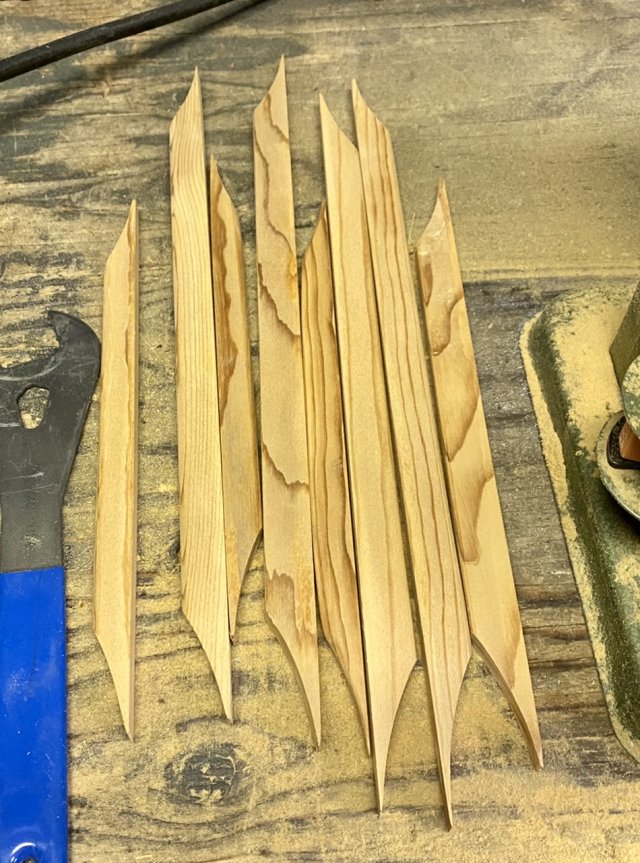
The back braces were complete mess and had to be replaced due to warpage.
D8952A8C-00CF-4AD6-9B8E-35F8B310663F.jpeg

Gluing up the back.
BF14BD62-08F3-4E8B-9771-06AF0ACDCE60.jpeg

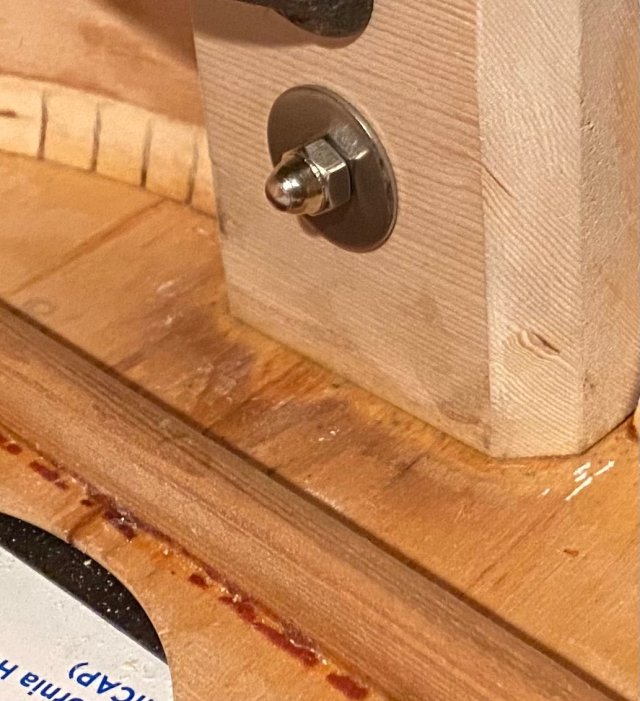
I converted this guitar to a bolt-on neck design in case it needed to be realigned in the future. They always eventually do need to be. I put in two of these lag screws. The neck also dovetails to the body but not to the neck block.

0DF2C3B0-05A4-4AA9-92AD-EF275AD1838D.jpeg

My first guitar was the Silvertone version of the same guitar. Harmony made a lot of the Silvertone guitars for Sears.
D0886146-79AD-4A84-BA7B-B7F7977E3064.jpeg
The fact is that I didn’t know anything about setting up guitars back then, and now I am well practiced at it. This thing plays much better than the identical Silvertone I bought brand new in 1969.
 
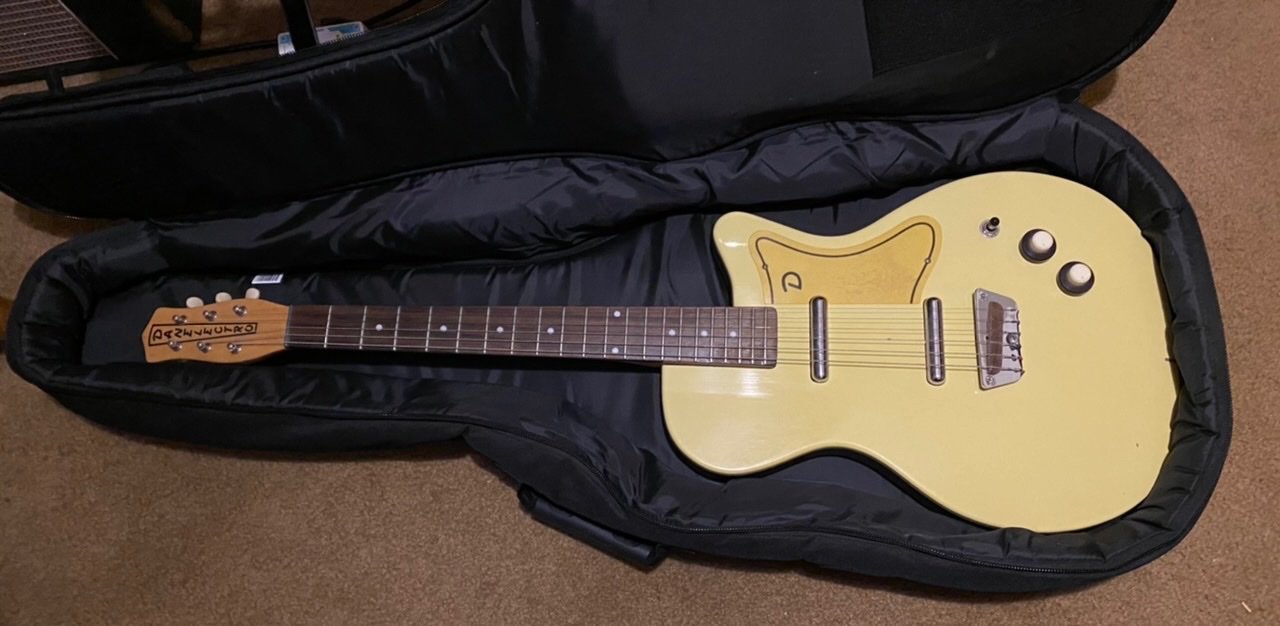
This was my previous project. Although not much work, because I bought it in excellent condition. This is a Danelectro, and it’s a Korean made reproduction of the 1956 U2.
2DEDCEBF-8FEB-49A1-802D-A76CF85A8D74.jpeg
These came from a place called Neptune New Jersey. These were inexpensive instruments but were considered very space age for the time.

They sold a lot of guitars through Sears and other companies, but after the original owner sold off, they went belly up in 1969. The originals were actually very good guitars and the Korean reproductions are even better.

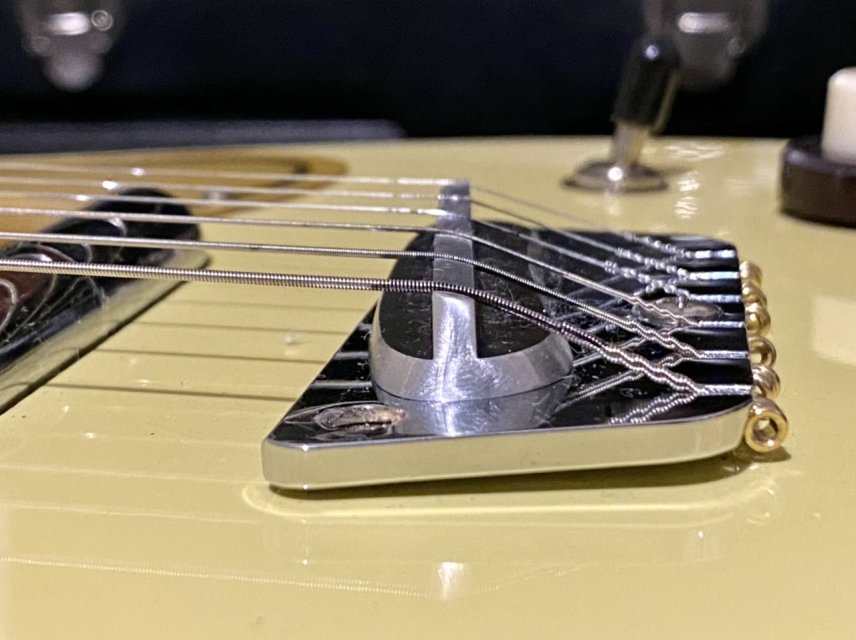
Everyone of them had the same problem though. The bridge was made of brass with a rosewood saddle that did not help to reinforce it. The brass was weak in the middle and they bent. Every one of them.

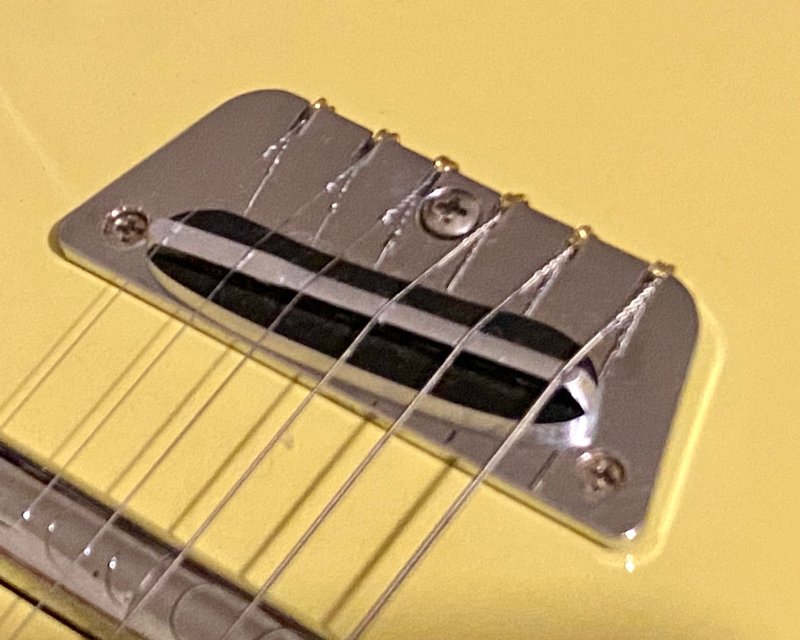
My solution was to straighten out the brass plate and add an aluminum saddle which reinforces it, completely removing the bending stress on the brass plate.
1DF1C082-B9CB-4880-8293-ADDBFFA8D3A2.jpeg

657A87CB-AC28-4298-ABC9-15BA049E69A3.jpeg

I cut this from a used carpenter’s square. There was a lot of hand filing involved to get the intonation correct but it sounds very good. More metal and twang without the Rosewood.

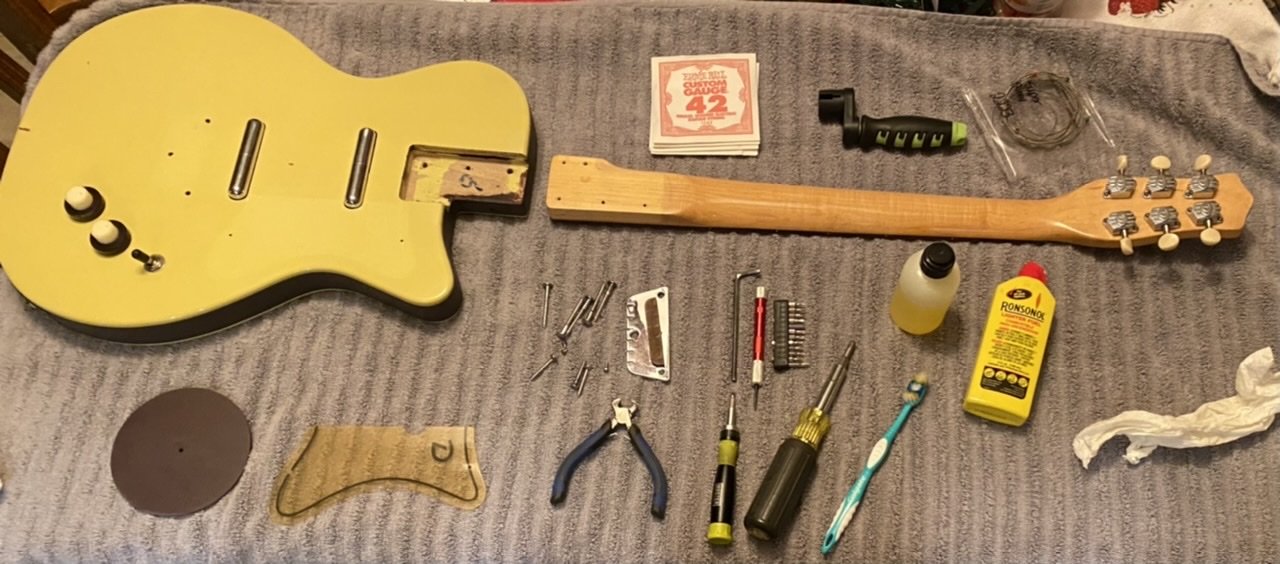
This guitar was in excellent shape, and I got it for a very good price; but it got a complete disassembly, checking, cleaning and tune up.
7369B196-6921-4482-A628-77E16C8067CD.jpeg
New strings of course!
 
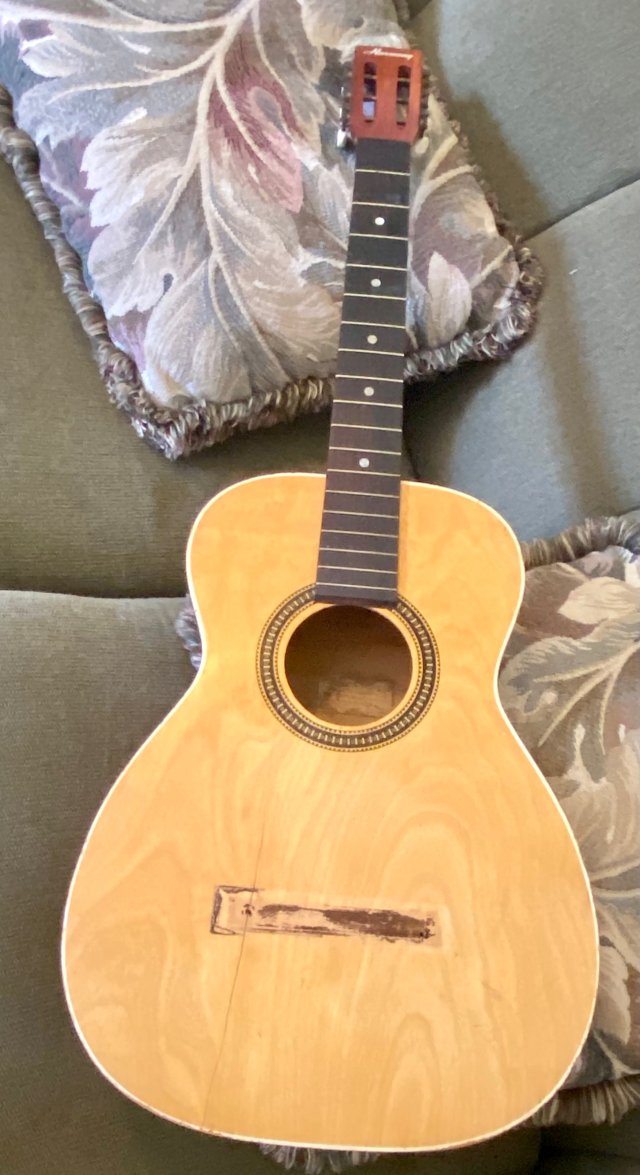
This is my current project Guitar. This is a nylon string Harmony parlor guitar from the 1960s. It was an expensive guitar but it’s all real hardwoods.

(They started making plywood guitars when they went to Asia.)

This one was built in Chicago Illinois, by the huge Harmony Musical Instruments, for another huge company from Chicago Illinois called Sears Roebuck.

By that time in history Sears had owned Harmony for some time. I guess there was a huge demand in those days that brought out heavy Asian competition.

She has taken an enormous amount of damage from neglect, probably being allowed to get wet, and then dry out too much and crack or split etc.
905B2C21-F0EE-4A1E-8922-7A3330970081.jpeg
It came from a mini storage sale and the cost was only $10.

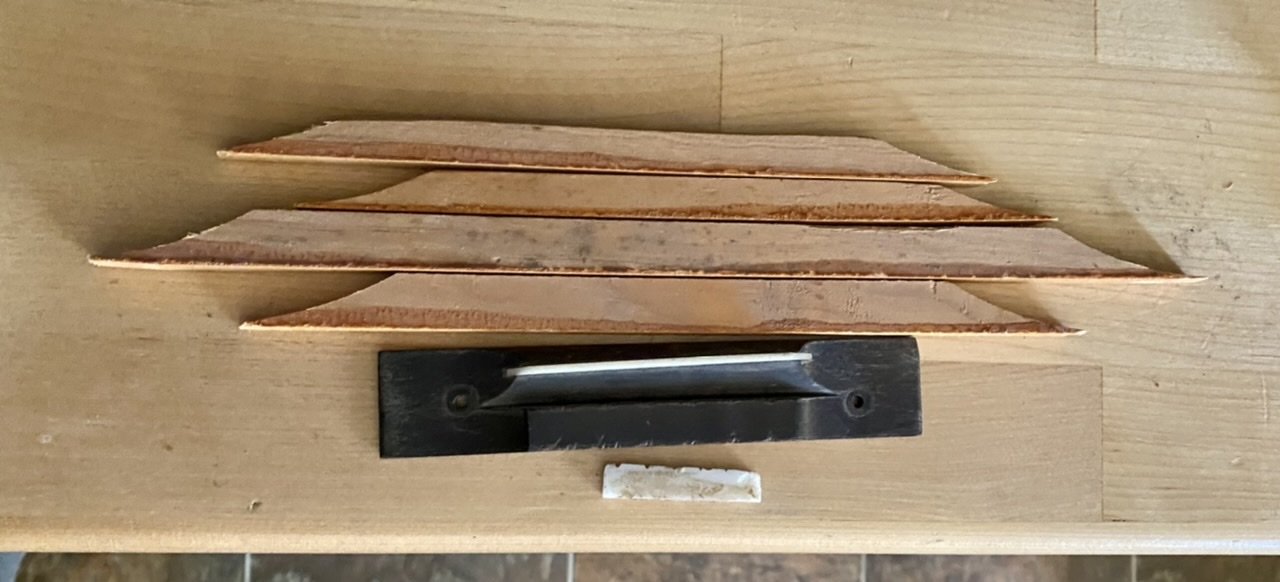
I was lucky because the bridge and nut and all the loose braces were inside.
974796ED-A648-4D7C-8210-8BCF52C6337B.jpeg
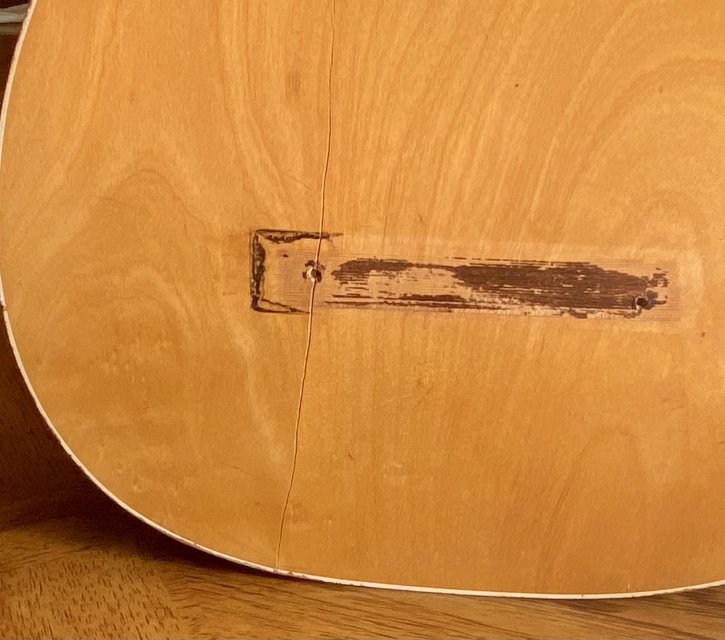
You can see were someone tried to screw down a loose bridge to this guitar and caused the top to crack.
9579FE35-C6C1-4497-BD69-58DAD3C4314E.jpeg
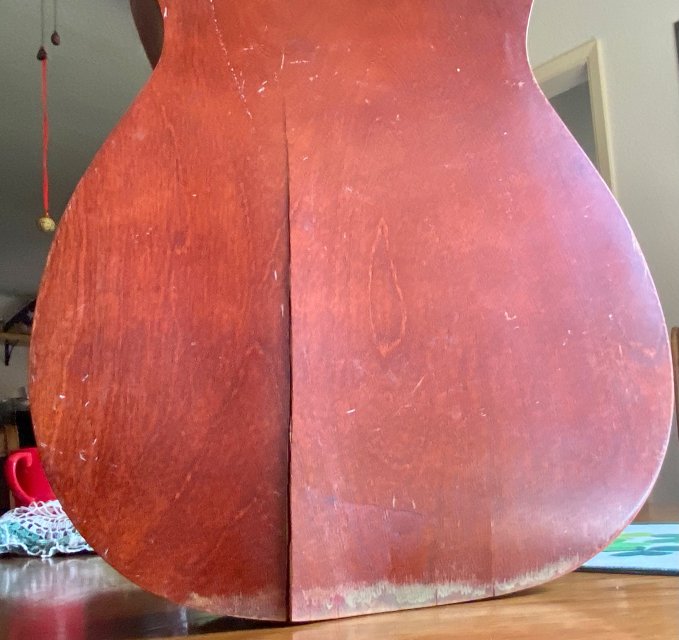
The cracking on the back is horrendous! I’m going to have to remove the whole back, reshape it, reattach the braces, and put it all back together.
3813080D-7748-4D29-85DD-F611C365AF15.jpeg

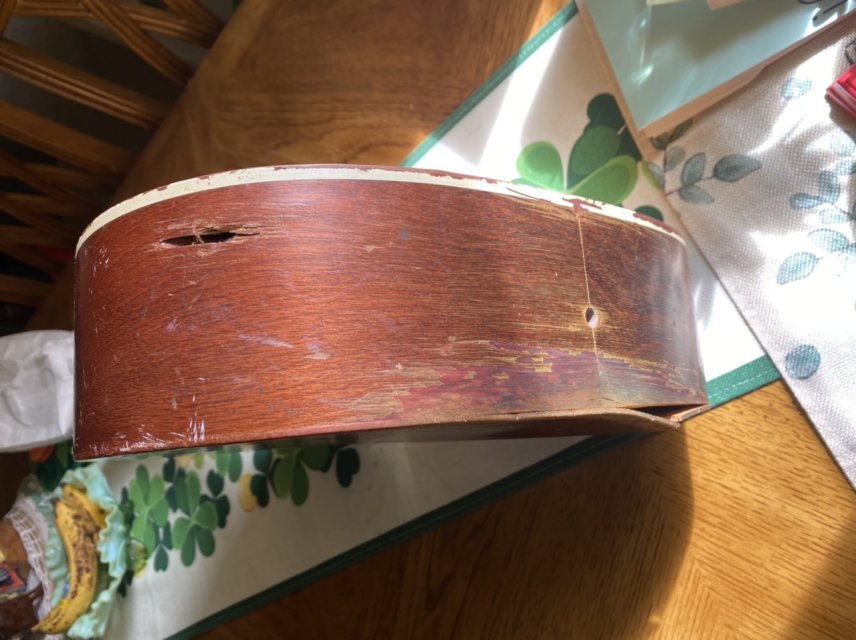
86E5753D-F139-444B-8A9E-35353E442101.jpegThen there’s this awful puncture!
 
OK, I missed some of the evidence. Somebody played El KaBong with this guitar, which is how it got the puncture.

I knew there was some sort of jealous girlfriend story attached to the damage of this instrument.

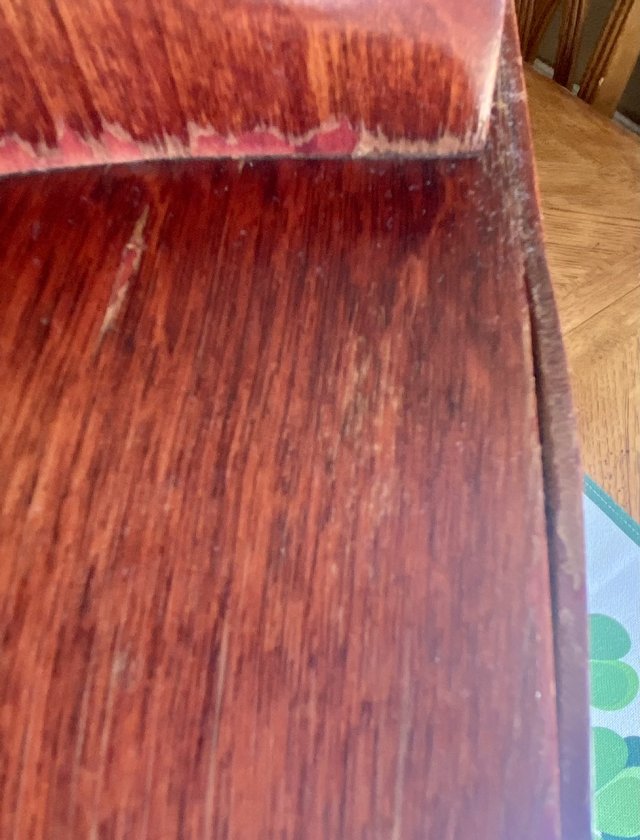
Opposite to that puncture hole is the sign of brittle lacquer stress failure. (Also the split glue joint.)

1A497B54-CDC0-48FD-B258-67567782E6B8.jpeg
That’s right where the neck connects to the body and it doesn’t occur on the other side of the guitar because it wasn’t stressed heavily on that side.
 
MonsterFishKeepers.com