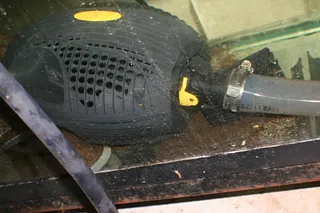
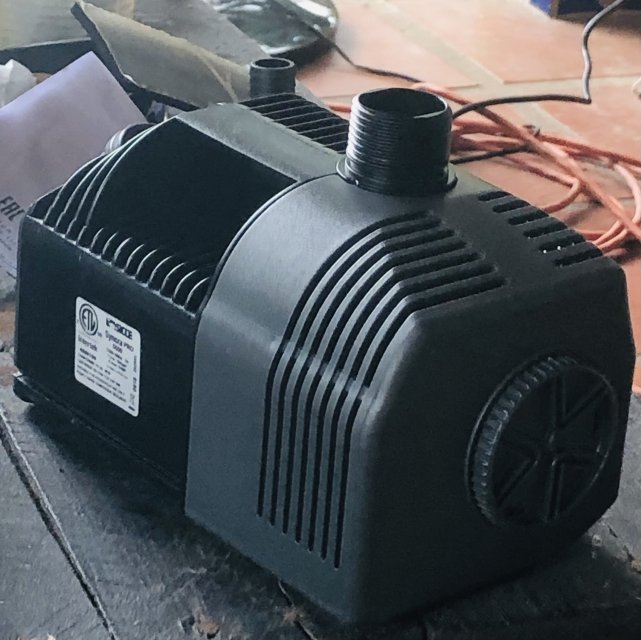
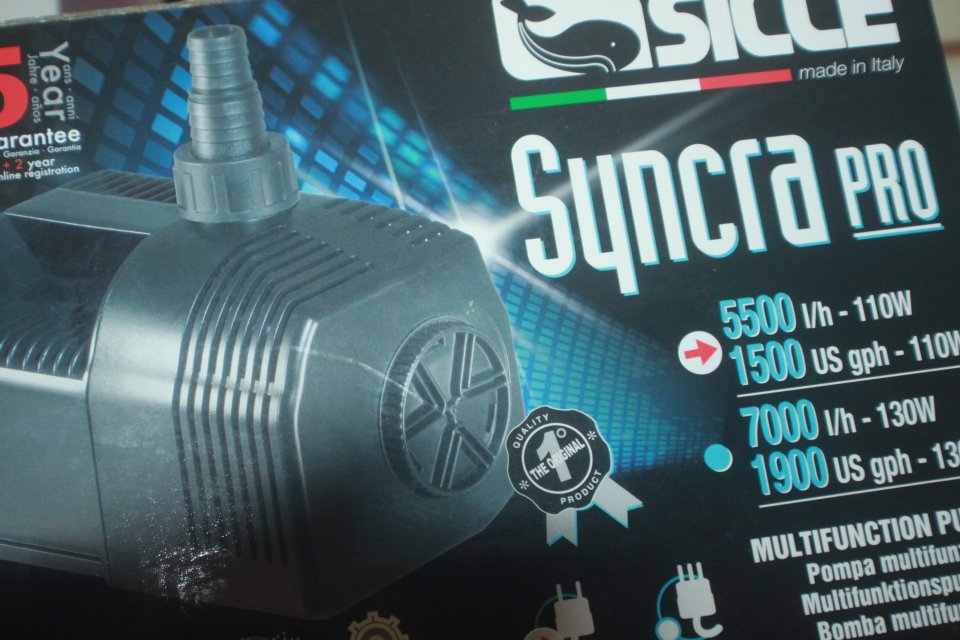
Yes, pond pumps can work with a sand bottom but only if they’re positioned and protected properly. Otherwise, sand will get pulled in and eventually damage the impeller.
The main issue isn’t compatibility, it’s intake exposure. Most submersible pond pumps aren’t designed to sit directly on loose substrate. When placed flat on sand, they tend to draw in fine particles. Over time, that causes wear on the impeller shaft, reduces flow rate, and can shorten the lifespan of the pump.
For sand-bottom ponds, here’s what typically works:
1. Elevate the pump.
Place it on a flat stone, pump stand, or inside a pump vault so it sits a few inches above the sand. This reduces direct suction of debris.
2. Use a pre-filter sponge or intake screen.
A coarse pre-filter helps block sand grains before they reach the impeller. Just be sure to rinse it regularly to maintain flow.
3. Consider an external pump (for larger setups).
External pumps draw water from a skimmer or bottom drain system, which keeps the motor away from substrate entirely. This is more common in larger or koi-style ponds.
4. Match flow rate to pond design.
High-flow pumps in shallow sand-bottom ponds create turbulence that stirs substrate. Choosing from the
Best Pond Pumps category usually means balancing GPH with pond volume and head height, not just buying the strongest option available.
As a practical example, in a beginner setup with a 1,000–1,500 gallon pond, elevating a mid-range submersible pump with a pre-filter is usually enough to prevent sand ingestion issues. In bigger builds, a bottom drain feeding an external pump is a cleaner long-term solution.
Takeaway:
Pond pumps and sand bottoms can coexist, just don’t let the pump sit directly on the sand. Elevation and intake protection make all the difference.