PVC overflow gph question

  • We are currently upgrading MFK. thanks! -neo

Mfowlie626

Jack Dempsey
MFK Member
Dec 12, 2013
54
27
36
U.S.
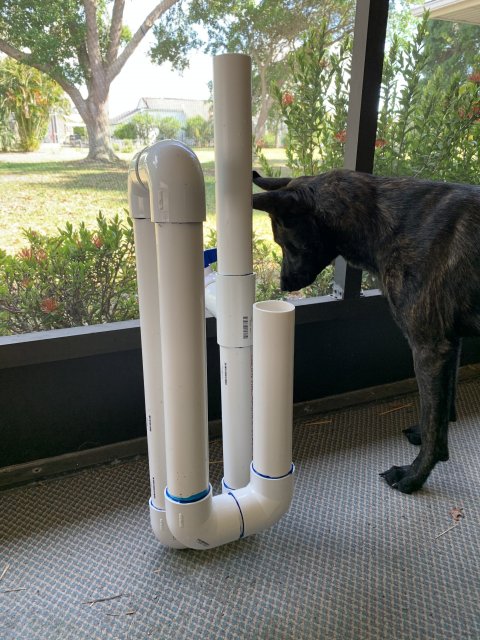
I have a PVC overflow on my pool pond. The output of this overflow is only about 3-4 inches lower than the water surface of the pond. It doesn’t seem to be draining the correct amount of water per hour from what I’ve read online. I’m using 2” pvc. My question is does the height of the output of the overflow effect the gph?

(I’m currently using a second pvc overflow to provide enough water for my pump not to burn out.)
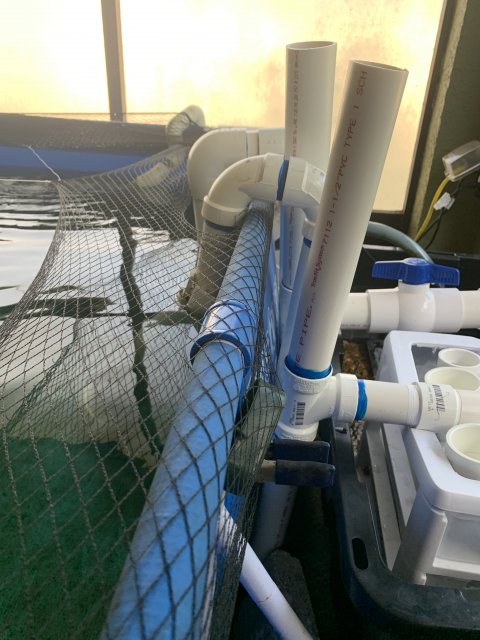
699D25C7-EE40-4170-9DD2-F7C2CC66E173.jpeg
 
yes it matters. the math is shown on this page: https://beananimal.com/articles/hydraulics-for-the-aquarist/ but that is for actual submerged bulkheads and not the over-the-top style you're using. i don't know what the math is for those but it will have worse performance than submerged.
Thanks that’s what I’ve been thinking because it’s not flowing like it should. I’ll have to do some more research. Can’t find much about it other than the gph for each pipe thickness.
 
You're in a tough spot because the elevation difference in the water level is very small. If you can't change the water levels then you have to drastically increase the size of the pipe in order to get the (volumetric) flow rate that you need. But then you run into problems trying to do the over-the-top style overflow with larger pipe size cause it's just bigger, more expensive, and more likely to get air locked and lose syphon.
 
  • Like
Reactions: Mfowlie626
Mfowlie626 Mfowlie626 , do you have a pic of the entire PVC overflow, more specifically the portion in the pond?

The third pic animation in the following topic may be a key to why you are having issues DIY overflow 101
 
Mfowlie626 Mfowlie626 , do you have a pic of the entire PVC overflow, more specifically the portion in the pond?

The third pic animation in the following topic may be a key to why you are having issues DIY overflow 101
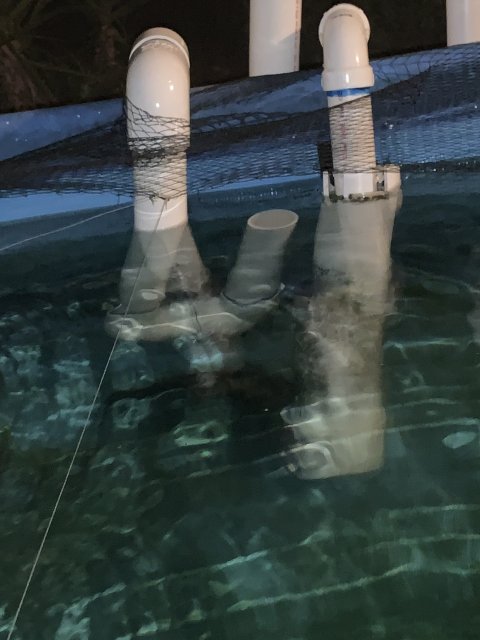
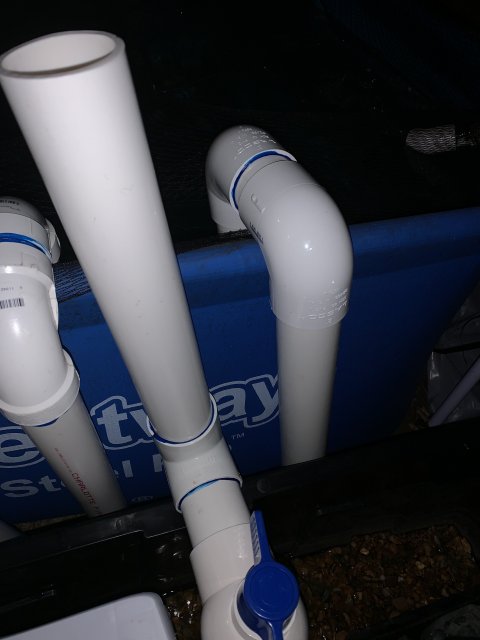
A little dark out but you should be able to see it. In the pond it is not as long as outside, could that be an issue? I was only able to go so far down because of the shape of the pool.

Also, the one I’m referring to is the one on the left in the first pic. The other one is an older design that I’m trying to replace.

511BA94F-1495-486D-B009-E5A2CC7D050B.jpeg

2F290124-800C-4F36-A726-D1B0495B40B8.jpeg
 
I would reverse this, so the surface skim is on drainage side. Your intake should be fully submerged to eliminate air being pulled down as that's a lot of friction and reducing the working pipe diameter. You can increase pipe diameter and/or use several to get more flow. Doubling the pipe diameter will improve throughput four fold. 100mm DWV pipe is a good start but 90mm stormwater pipe is much cheaper.

A proper bulkhead drain is always going to be more efficient and reliable than a water bridge drain.
 
  • Like
Reactions: Mfowlie626
I would reverse this, so the surface skim is on drainage side. Your intake should be fully submerged to eliminate air being pulled down as that's a lot of friction and reducing the working pipe diameter. You can increase pipe diameter and/or use several to get more flow. Doubling the pipe diameter will improve throughput four fold. 100mm DWV pipe is a good start but 90mm stormwater pipe is much cheaper.

A proper bulkhead drain is always going to be more efficient and reliable than a water bridge drain.
The surface skim is on the drainage side and has about an inch of water above it at all times. No air rly gets in it. I actually found a solution. Put a cap with a small hole drilled in it on the straight pipe that comes up above the rest of the overflow. Increased flow for sure. Have a ball valve on the output also so I can get the gph exactly where I want it.
 
  • Like
Reactions: jjohnwm
That's good.

If your intake is 1 inch below water, you will need a big sump capacity or oversized overflow drain to waste when the power fails unless you don't mind a flood.
 
  • Like
Reactions: Mfowlie626
MonsterFishKeepers.com