

I have a 10' x 3' acrylic tank. It has a center overflow weir right in the middle of it and am wanting to remove it. Does anyone have any experience removing these from an acrylic tank. What tools did you use? I am thinking of using an oscillating multi-tool but would like to hear feedback before doing this.
Remove Center Weir from acrylic tank
- Thread starter TarHeel671
- Start date
You are using an out of date browser. It may not display this or other websites correctly.
You should upgrade or use an alternative browser.
You should upgrade or use an alternative browser.



Dremel with a rotozip blade will work but there pretty wild and jump all over the place. A regular fine tooth hack saw blade for pvc pipe works well (just the blade) by hand. Its not a quick process but will get you the closest to the bottom sheet and require less sanding. After the cut sand it down flush smoothI have a 10' x 3' acrylic tank. It has a center overflow weir right in the middle of it and am wanting to remove it. Does anyone have any experience removing these from an acrylic tank. What tools did you use? I am thinking of using an oscillating multi-tool but would like to hear feedback before doing this.

 … if ur patching the floor after i recommend weld on # 40 or #16 for the patch.
 I Do Not recommend the multitool… it will vibrate too hard and just crack the material, possibly the bottom.

Thank you, ill probably try the hacksaw for removal. What do you recommend for drilling holes at the top for canister filters, the top is 3/4" acrylic.Dremel with a rotozip blade will work but there pretty wild and jump all over the place. A regular fine tooth hack saw blade for pvc pipe works well (just the blade) by hand. Its not a quick process but will get you the closest to the bottom sheet and require less sanding. After the cut sand it down flush smooth
I Do Not recommend the multitool… it will vibrate too hard and just crack the material, possibly the bottom.
View attachment 1568799

I have used an angle grinder with a small saw blade to do similar tasks on acrylic. You can cut it down pretty close and then sand it down after.
Thank you, ill probably try the hacksaw for removal. What do you recommend for drilling holes at the top for canister filters, the top is 3/4" acrylic.
+1 to the angle grinder with a cut off wheel… it melts things a bit and gets hot but does make quick work for cutting. Just be sure to wear safety glasses and long sleeves it sticks to ur arms
 …
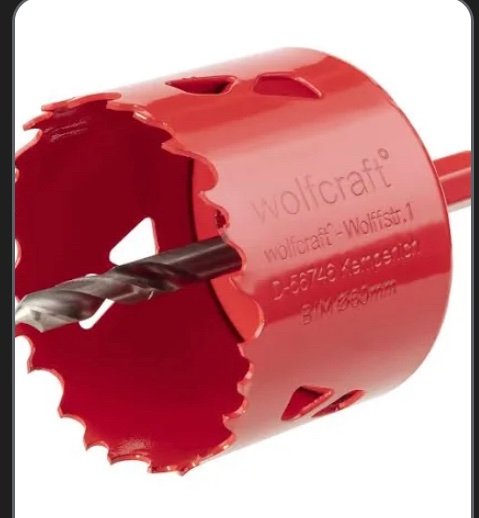
… For drilling, hole saws for wood are what ur looking for. I like the ones with alot of small teeth and a pilot bit. I also like using a battery powered drill over a corded one. The corded drills are too strong. For 3/4” i like to drill half way from each side also. The pilot bit inside the hole saw bit will line it up for you. If u try to do it from 1 side the bit can get trapped in the material because it heats up alot and expands as ur drilling.
These are the style bits i like… ace hardware/handman has the small tooth ones with pilot bits. Home depot/lowes sometimes dont carry them.
Any pros or cons to using one over the other (#40 vs #16)?Dremel with a rotozip blade will work but there pretty wild and jump all over the place. A regular fine tooth hack saw blade for pvc pipe works well (just the blade) by hand. Its not a quick process but will get you the closest to the bottom sheet and require less sanding. After the cut sand it down flush smooth
I Do Not recommend the multitool… it will vibrate too hard and just crack the material, possibly the bottom.
View attachment 1568799
#40 is 30x stronger than #16… so are the fumes tho… if u dont have good ventilation id go with 16. IME 16 is good for small jobs but can be brittle and fail over time. You can even use solvent #3 or 4 for patch work. Def. Practice first tho as theres a bit of a learning curve to get the correct adhesion/pressure without bubbles using solvent… in that aspect… #40 is the most user friendly for mixing up the 2 parts and basically slapping it on with some masking tape to hold it in place.Any pros or cons to using one over the other (#40 vs #16)?
Theres other options also like bulkheads with capped pvc or ball valves… uniseals as well in the same fashion. Ive done every method mentioned with success.
Oh ok. I did think about using bulkheads and caps to cover the holes but not sure it is a good idea in a 600g tank, since three holes are dead center of the tank. I purchased a 12"x12" 3/4" cast acrylic sheet to use as a patch for the area. From what I have read, concerning the #40, it is a thin adhesive so i would need to make sure both surfaces (patch and tank) are basically pretty flat/flush.#40 is 30x stronger than #16… so are the fumes tho… if u dont have good ventilation id go with 16. IME 16 is good for small jobs but can be brittle and fail over time. You can even use solvent #3 or 4 for patch work. Def. Practice first tho as theres a bit of a learning curve to get the correct adhesion/pressure without bubbles using solvent… in that aspect… #40 is the most user friendly for mixing up the 2 parts and basically slapping it on with some masking tape to hold it in place.
Theres other options also like bulkheads with capped pvc or ball valves… uniseals as well in the same fashion. Ive done every method mentioned with success.
Oh ok. I did think about using bulkheads and caps to cover the holes but not sure it is a good idea in a 600g tank, since three holes are dead center of the tank. I purchased a 12"x12" 3/4" cast acrylic sheet to use as a patch for the area. From what I have read, concerning the #40, it is a thin adhesive so i would need to make sure both surfaces (patch and tank) are basically pretty flat/flush.
#40 is actually the thickest acrylic glue offered. It can fill gaps up to 1/4” easily and when butt joining or seaming sheets together you actually want a gap to fill. Its stronger when theres a gap rather than pushed together to tightly like with clamps y i recommend using masking tape to hold it in place after you glue…
A 3/4” thick patch is super overkill so u should be more than fine there.
I think u might be reading about/ thinking of the solvent #4 or #3. That is a very thin water like substance that evaporates and needs some practice to work with properly. It needs weighted or clamped down with a certain amt of pressure to achieve a bubble free seam. You need a needle type applicator to shoot it into seams or underneath patches also. Its an option tho and is very strong when done properly. Try and research the “pin method” with solvent.
#40 is a 2 part epoxy that is basically liquid acrylic. You measure it out on a gram scale or by ml and have around 15min to work with it. Its a thick syrup consistency and can be poured onto the surface right out of ur mixing cups. It does not stay put tho. It runs/self levels and you have to kinda trap it in place with tape or gravity. If u choose #40 you could even just tape the bottom of ur holes and fill them up with the glue flush and not even need a patch.