


Rio Inirida Temensis Progression Thread
- Thread starter bassinmike85
- Start date
You are using an out of date browser. It may not display this or other websites correctly.
You should upgrade or use an alternative browser.
You should upgrade or use an alternative browser.
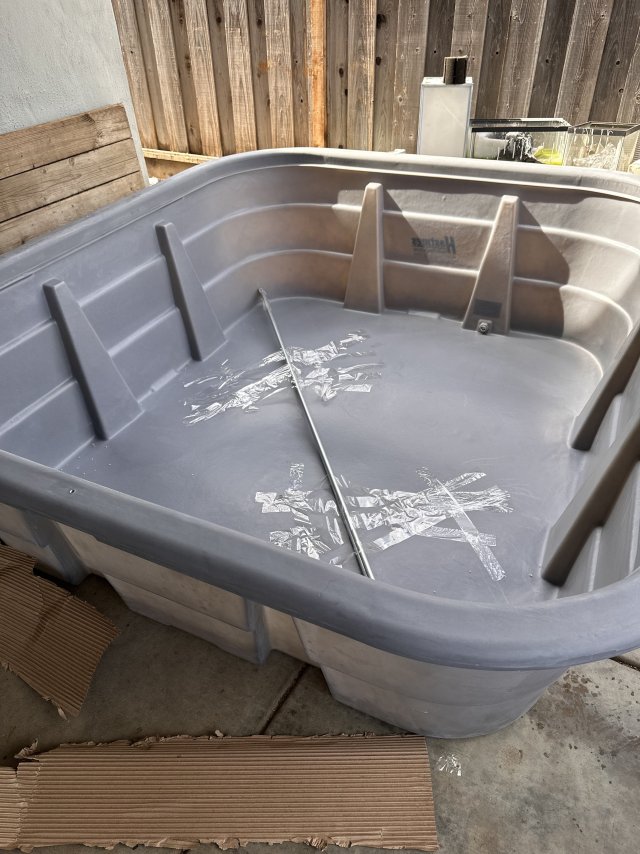


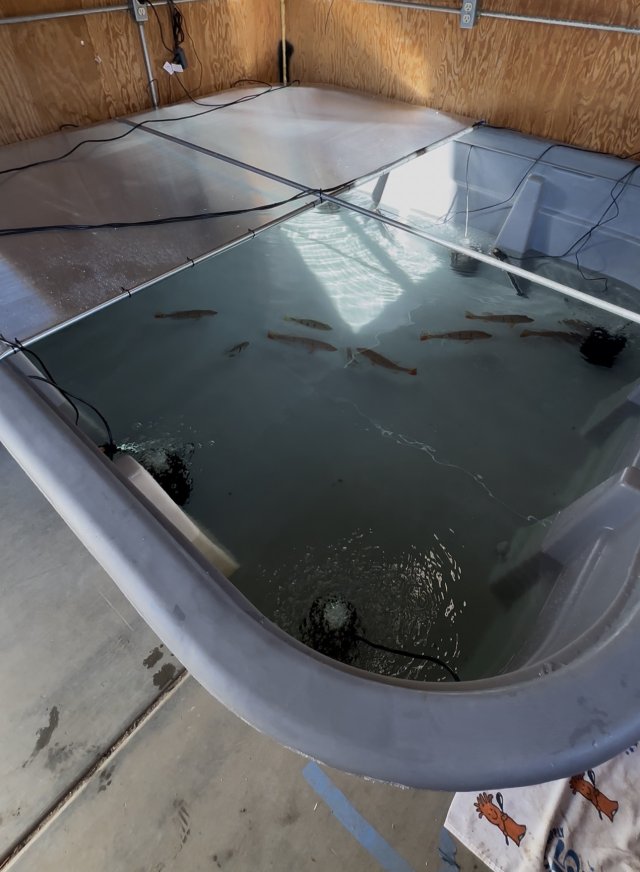
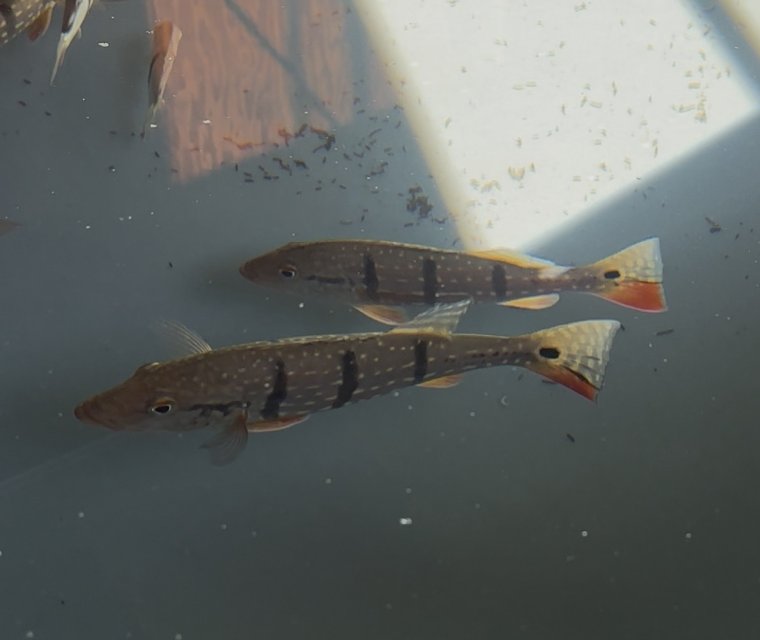
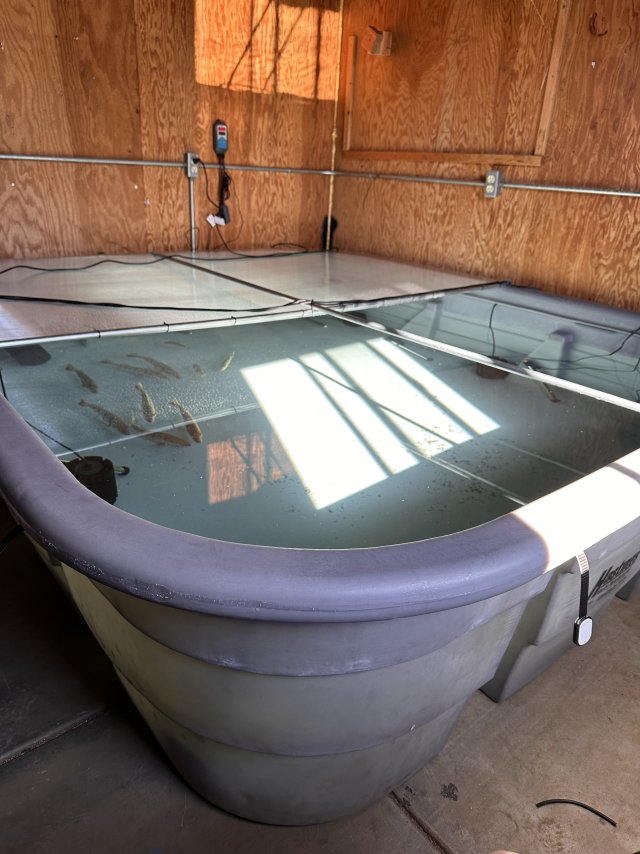

Love the thread super cool. What’s your filtration and heating setup for that 750? How long are you planning on keeping that group in there?
Thank You. Just 6 huge big sponge filters. 6x 500w heaters. no big filtration is needed since its not over stocked and/or heavily fed. But i do siphon out debris/poop often and top offs. also no need to do as many water changes either.Love the thread super cool. What’s your filtration and heating setup for that 750? How long are you planning on keeping that group in there?
Very cool. Glad to see the filtration and heating seem pretty straightforward. Looking through your threads has inspired me to get some stock ponds for bass. Start with one and get a variety of different bass to grow, then get a few more ponds when the weather gets warmer and I can experiment with where I store them, run them, etc. Then I can separate as needed, as to stock, and of course keep an eye out for unique bass that hit the market. You’ve got some super cool bass!Thank You. Just 6 huge big sponge filters. 6x 500w heaters. no big filtration is needed since its not over stocked and/or heavily fed. But i do siphon out debris/poop often and top offs. also no need to do as many water changes either.
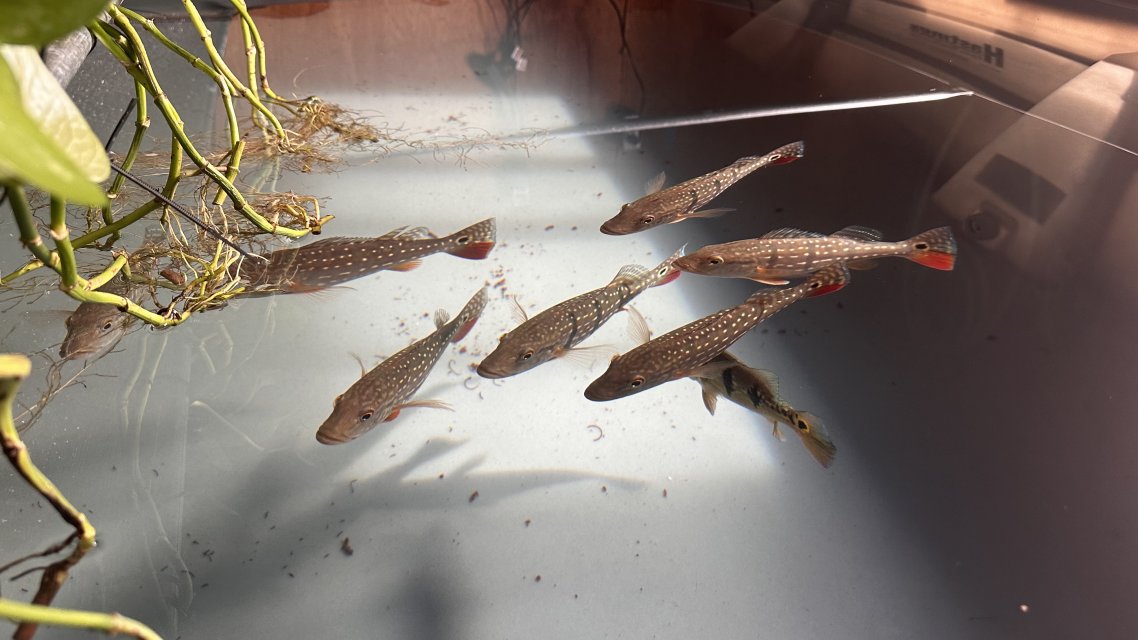
The pond is currently running 6 sponge filters for biological filtration only. Instead of relying on heavy mechanical filtration like canisters or a sump, I focus on removing waste before it has a chance to break down.
Twice a week I siphon the area where debris naturally settles. Because the pond has calmer flow, Fish waste collect in one predictable spot. When I siphon, the water level drops about 1–2 inches, which removes a good amount of solid waste.
Right after siphoning, I simply replenish the pond with fresh water. This keeps nutrients low and prevents waste from dissolving and impacting water quality.
The result has honestly been impressive:
• Water clarity has been amazing
• No oily film on the surface
• No smell
• Stable water parameters
• Healthy, active fish
The sponge filters handle the biological side (ammonia and nitrite) while I handle the solid waste removal manually. It’s a simple approach, but it keeps the system extremely stable.
A lot of people assume a pond this size needs multiple canister filters or a large sump. While those systems definitely work, this setup shows that with consistent maintenance and observation, you can run a large predator system very clean and stable with sponge filtration.
Sometimes the simplest methods, done consistently, work just as well.


Twice a week I siphon the area where debris naturally settles. Because the pond has calmer flow, Fish waste collect in one predictable spot. When I siphon, the water level drops about 1–2 inches, which removes a good amount of solid waste.
Right after siphoning, I simply replenish the pond with fresh water. This keeps nutrients low and prevents waste from dissolving and impacting water quality.
The result has honestly been impressive:
• Water clarity has been amazing
• No oily film on the surface
• No smell
• Stable water parameters
• Healthy, active fish
The sponge filters handle the biological side (ammonia and nitrite) while I handle the solid waste removal manually. It’s a simple approach, but it keeps the system extremely stable.
A lot of people assume a pond this size needs multiple canister filters or a large sump. While those systems definitely work, this setup shows that with consistent maintenance and observation, you can run a large predator system very clean and stable with sponge filtration.
Sometimes the simplest methods, done consistently, work just as well.

