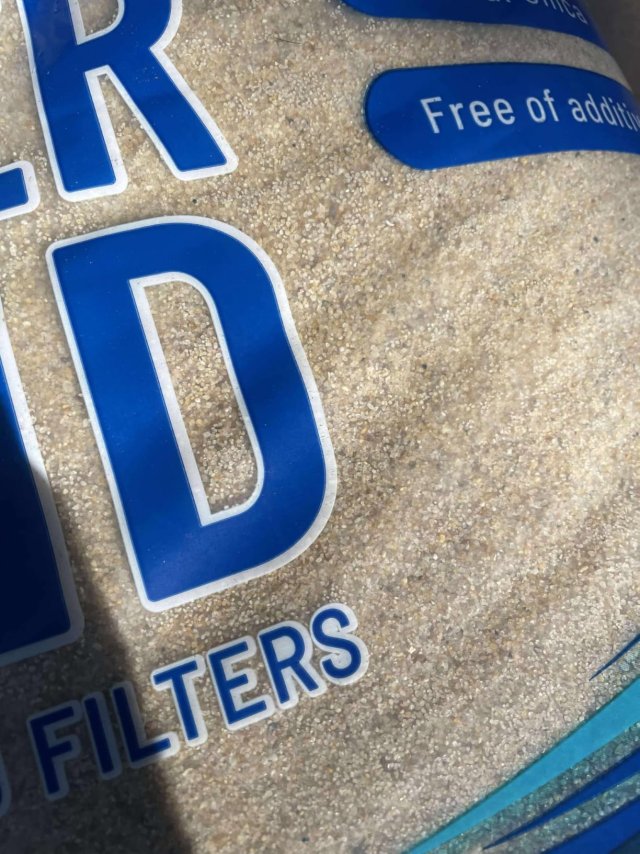
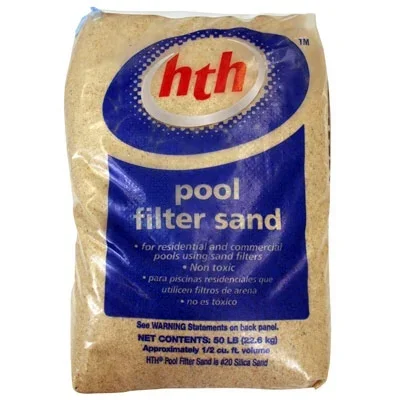
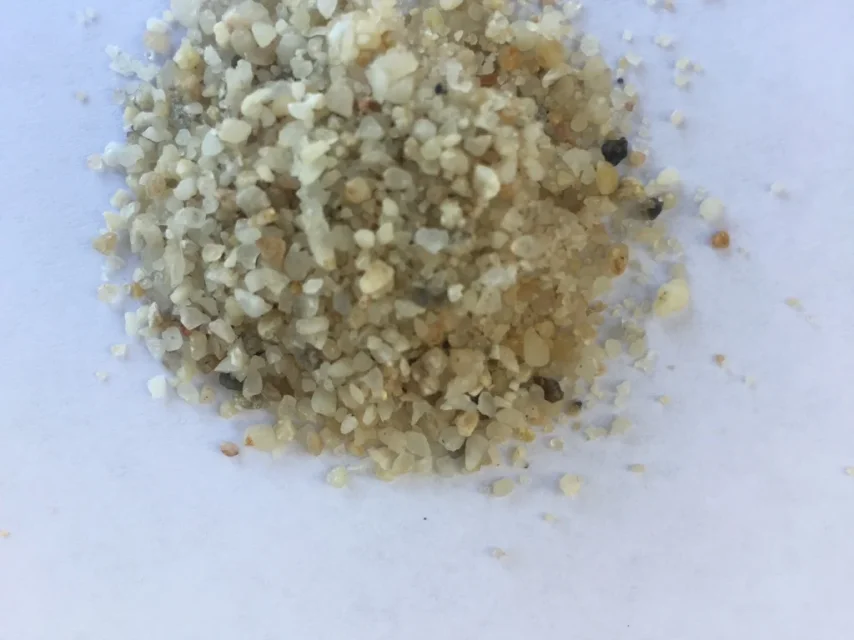
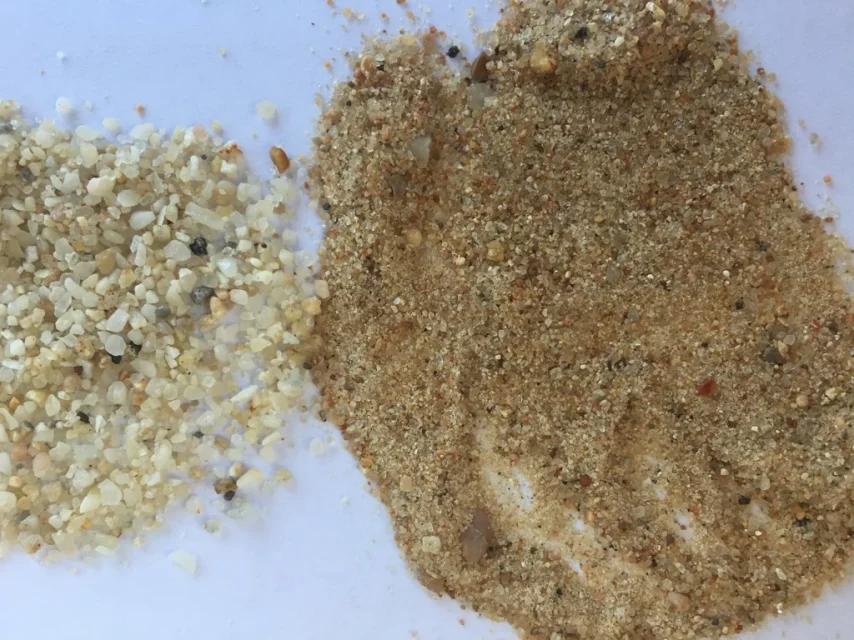
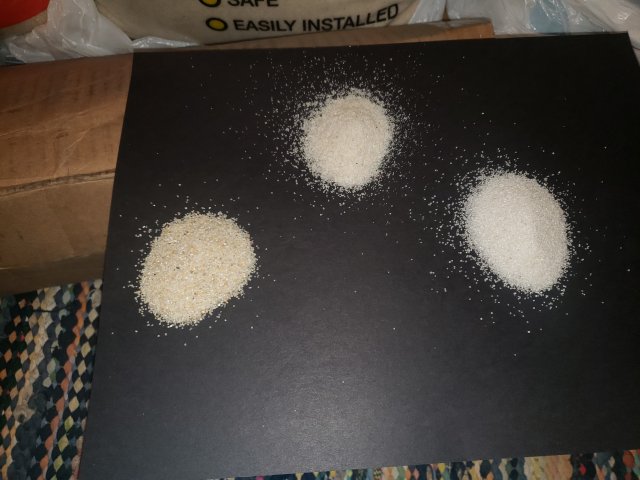
Side by side pics of HTH vs Palmetto vs Aquaquartz pool filter sand

  • We are currently upgrading MFK. thanks! -neo

Nate B

Gambusia
MFK Member
Aug 21, 2015
16
9
18
51
From left to right in the pictures below I have HTH vs Palmetto vs Aquaquartz.

My next tank I'll be migrating to is a lot bigger and I've started to gather some additional substrate. What I have currently is a mixture of white/off white sands - mostly what the tank came with but a few aquarium intended products that I've tried out here and there for a deeper bed. My favorite is the Caribsea super naturals Torpedo Beach because it small enough to still be sand like for creatures that need that, but big enough that it doesn't siphon up quite as easy. The only thing I don't like is the price if you need a lot of substrate. For the amount I'll need to add I don't feel like paying top dollar for aquarium ones and got a few bags of pool filter sand to compare. I started with a bag of HTH from my local Ace and for the price I was happy with it but was hoping for something that was a bit whiter. All 3 of them I wish the grain size was a bit bigger like the Torpedo Beach, but it is not a big enough deal for me that I'd want to pay the extra. The Aquaquartz looks the whitest to me. HTH was $20 at Ace and the other 2 were $25 shipped form Amazon.
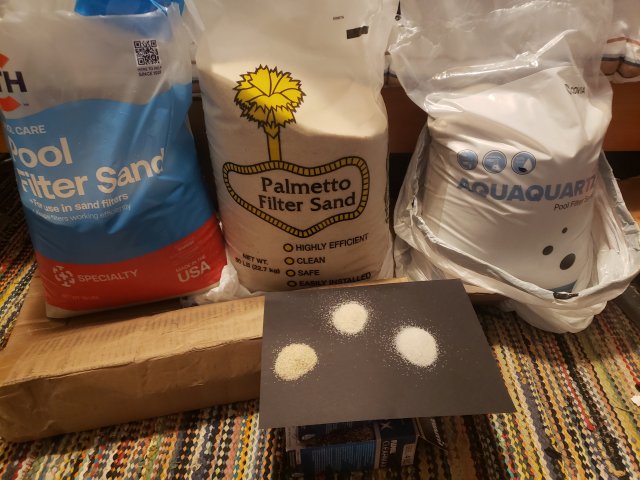
20230216_200441.jpg

20230216_200536.jpg
 
  • Like
Reactions: afn and altums85
I guess it comes down to personal preference and choice. All should be suitable if they are quartz, and they are.
To me, the whitest would be the least desirable. Most fish don't appreciate it, and will look pale in pure white substrata.
However, how white the sand is, is a very temporary thing so it matters little. In a few weeks (and certainly after some months) it would be beige, or somewhat darker. I use HTH, and I purposefully mix in a few gravel and pebbles piewces, just for looks, not enough to change the character from a sand substratum to anywhere close to gravel substratum.
 
For sure - it is a personal preference. As for myself I like the natural look with a sand, plants, driftwood, and some rocks. I agree, white does not stay super white for long, but I do like to lighten it up a bit. It could be my imgagination but it seems to make it easier when I stir up the sand. I like to do a little here and there and like to know where I've been.
 
One thing to be conscious of depending on the kind of fish you keep, is that the whiter sand, sometimes make certain fishes colors tend to wash out.
especially often with cichlids.
They are very sentient and aware of their surroundings, and in an attempt to become inconspicuous to predators from above, will lighten considerably to not become targets.
Whether in nature, or in a tank, this instinct doesn't go away.
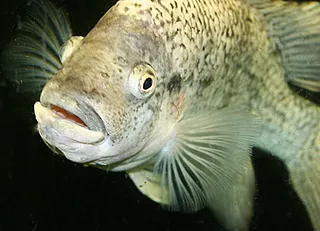
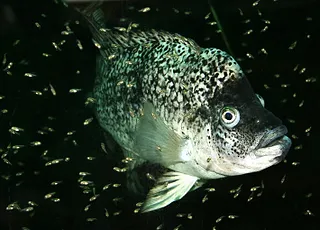
Here is an example.
1677007654751.png1677007726850.png
Left is a Nandopsis haitiensus held temporarily in a tank with very light aragonite substrate, right its normal coloration in a tank with natural color substrate.
So, if you want your fish (my experience is mostly cichlids)) to look normal, keeping them in a tank with the natural color substrate they would be found on, goes a long way. to that end,(if that's important to you).
There have been a number of threads here on MFK, where people wonder why their fish don't like the natural, or bright colors photos they see, and in many cases, it's obvious the substrate chosen, is the cause oof fish washing out.
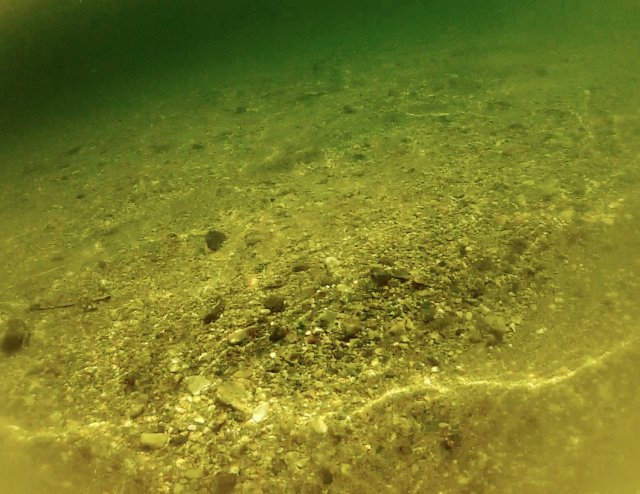
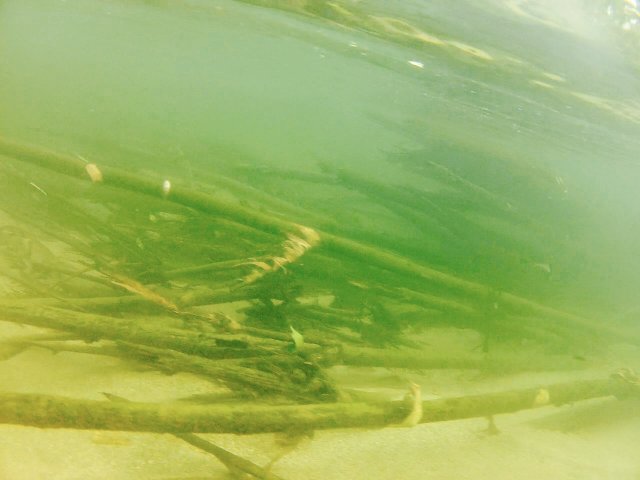
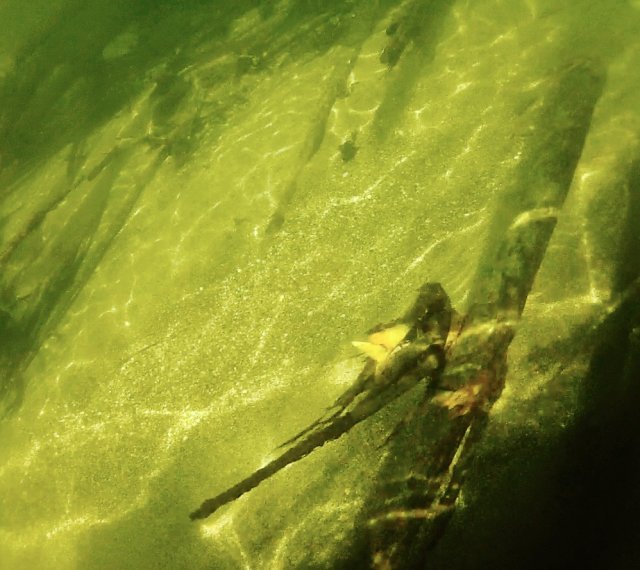
Below are a few underwater shots taken in a tributary of the Rio Magdalena in Colombia, S America..
GPExportPhoto-0005.jpegGPExportPhoto-0010.jpeg
GPExportPhoto-0004.jpeg
 
Last edited:
I think what folks are mentioning about fish matching surroundings so not going to extremes on the substrate (even considering it dulls after a while) is good advice that is even more relevant for my upcoming tank compared to the current tank I'm phasing away from. The current tank & inhabitants seems FAR from washed out with the combination of the deep blue (almost black) background, many low/midsized plants, and a little rocks & driftwood. One of the main purposes of the bigger tank is more open swimming and bottom hangout areas. It is twice about twice the area on the bottom. I'm not doubling the plants/rocks/driftwood. By design, they'll be more open substrate area so this becomes more relevant.

My original intention was S.A. cichlids but the tank I got in the fall happened to come with a different monster so even though cichlids our on hold years down the road I may have them again as well. Good advice for fish in general and especially cichlids.

As of the moment, the HTH is $5 cheaper, and I get to go to Ace which I like to have an excuse to do anyway as I like that store. There is a good chance I'll need at least 1-2 more bags (even with my old sand phased into the new tank in time) so I know what direction I'll go when it comes time.

Thanks.
 
@NateB, Thank you, your pictures in the OP were incredibly helpful.

There is definitely some conflicting info on the web re gauge sizes and what 'the numbers' mean. What they actually mean:

The grit of sand is measured by its mesh size, which is the number of holes per square inch in a screen used to separate the sand particles by size.
The higher the mesh number, the finer the grit.

HTH and Aquaquartz are listed as 20 gauge - in your photos you can see the one uniform grain size

Palmetto is listed as 20-40 - in your photos you can see the mix of 20-mesh grains, and smaller 40-mesh grains


I plan to get 20-40 sand because I plan to keep Cories - I think people are just starting to realise that Cories (and other barbeled sifters) like sand over gravel, and gentle sand over rough sand. Even Bob Steenfott admitted sheepishly in a new vid this week he was wrong about this for years.

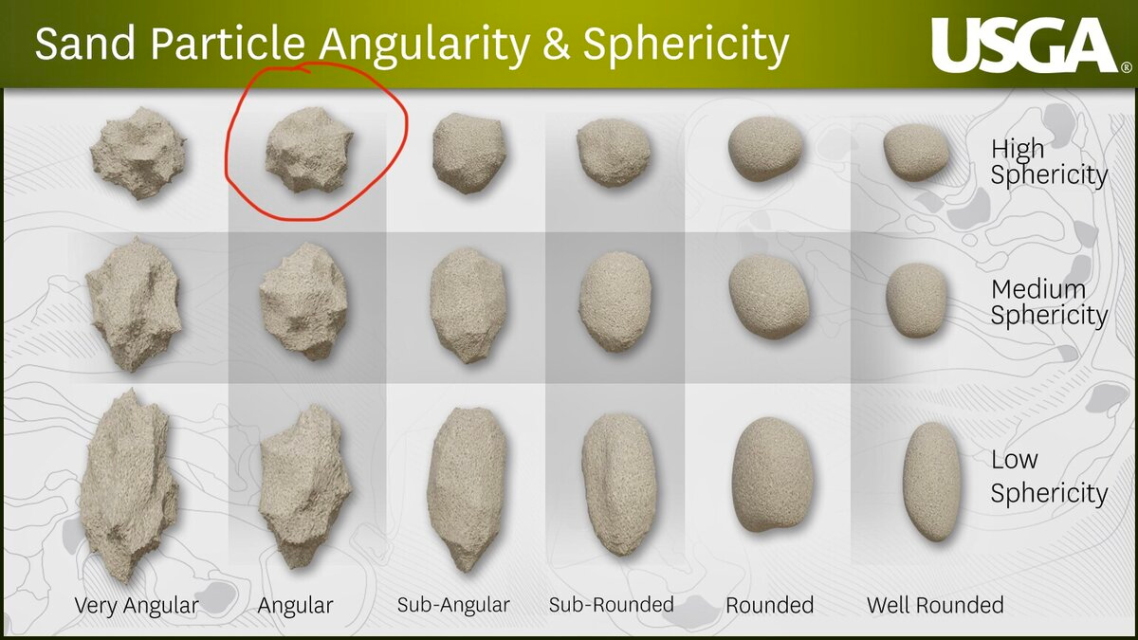
"Finer" is not the only component of "gentler" - rounded/polished shape is the other, but most pool-filter sands are clearly marked rounded (good for fish) or angular/subangular (bad).

I am just hoping that the 40-mesh doesn't go down the drain the first time I gravel-vac,
and I also hope it doesn't compact too hard.

Hope this helps anyone else on the same journey.
 
Update - I realize that my 'most pool-filters sands are clearly marked rounded' above was incorrect - many are unlabeled, and appear angular or semi-angular in photos.

After a couple hours research, the Aquaquartz above does look the best in that regard, with the HTH above in second place.
Palmetto, Play22, and Aquajoe all appear to be angular or semi-angular, based on photos alone.

Again, hope this helps anyone.


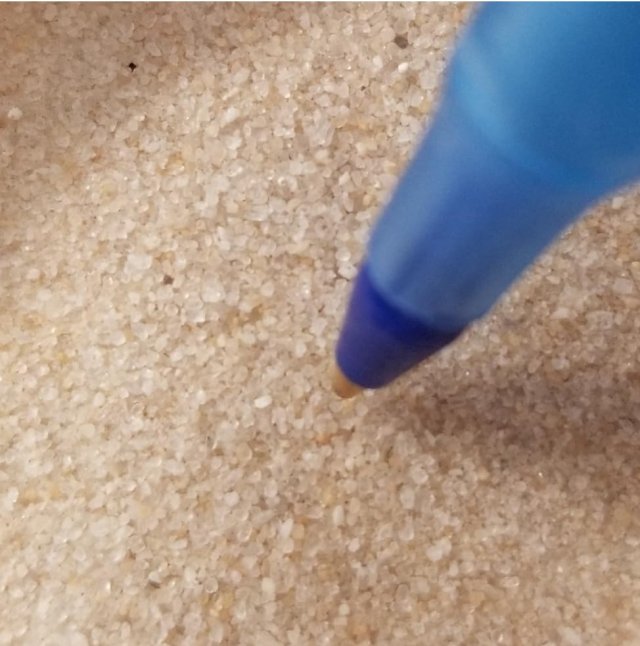
PS I found in one other thread, some photos of HTH in some older packaging, that looks quite different - very angular, and definitely not uniformly #20-mesh, like the above newer-packaging. If anybody is considering HTH, maybe be careful which version you get.
Some photos attached below, along with some lolz Quikrete qc fail.
It's from a 2015 troublefreepool forums post "My findings on how not all sand is created equal" if you want to see more photos - I am too new to share links.

aquajoe2.jpg

hth old packagin.webp

hth old.webp

hth old - quikrete.webp

play22.jpg

angularity + sphericity.png
 
MonsterFishKeepers.com