Suggestions for Fresh Water Aquarium Salt

  • We are currently upgrading MFK. thanks! -neo

TomKat

Feeder Fish
MFK Member
Sep 13, 2020
7
1
8
56
I was looking for rock salt for my fresh water aquarium. In the past I used rock salt I brought at my local grocery, 5lbs bags.

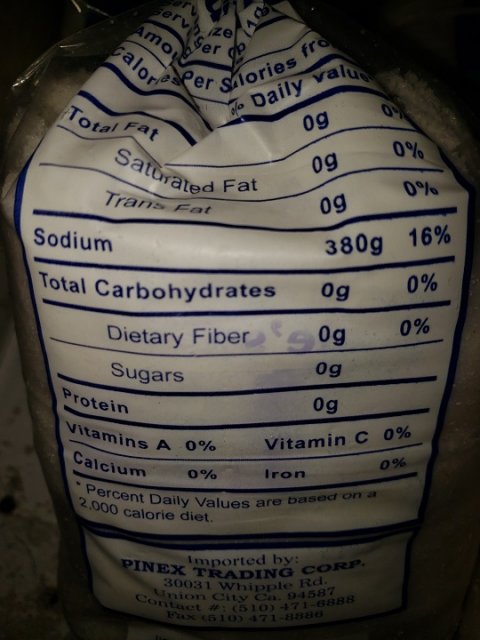
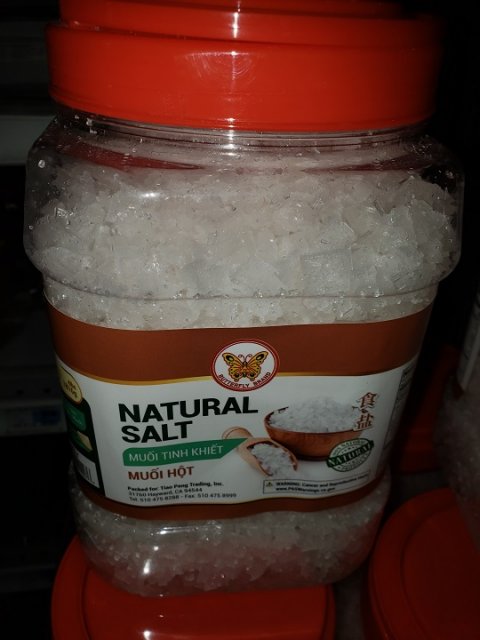
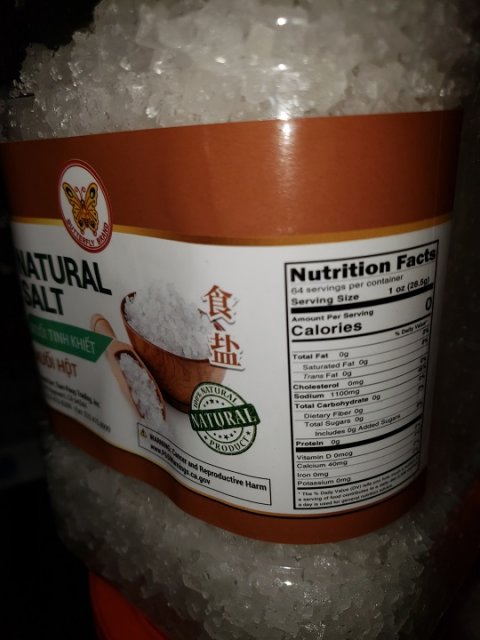
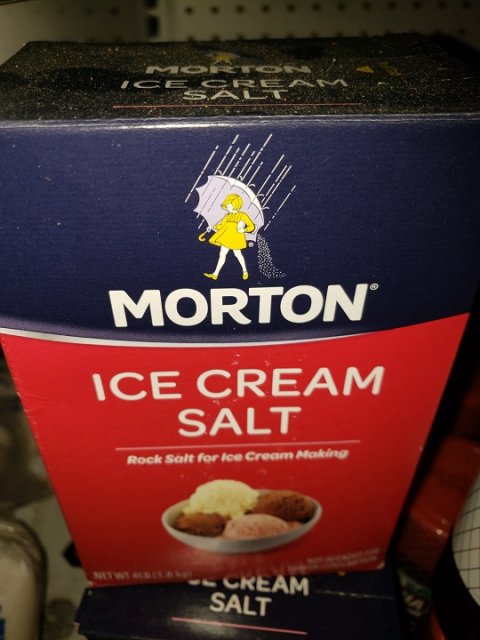
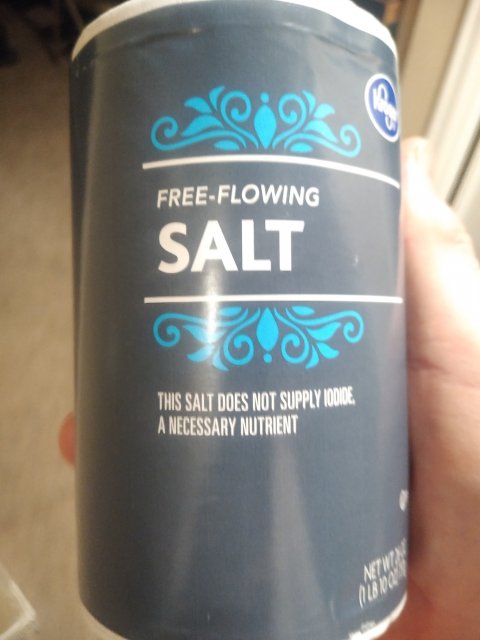
This time around, I ran into several different kind of salt options, I know not to use iodized salt. Also
the rock salt at Petco is a rip off.

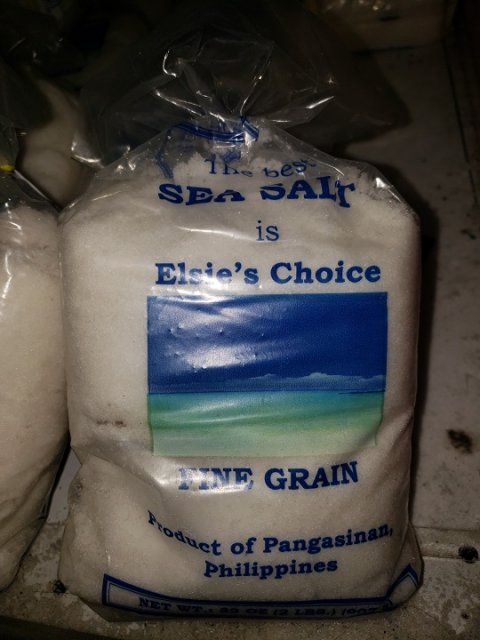
1. Sea Salt
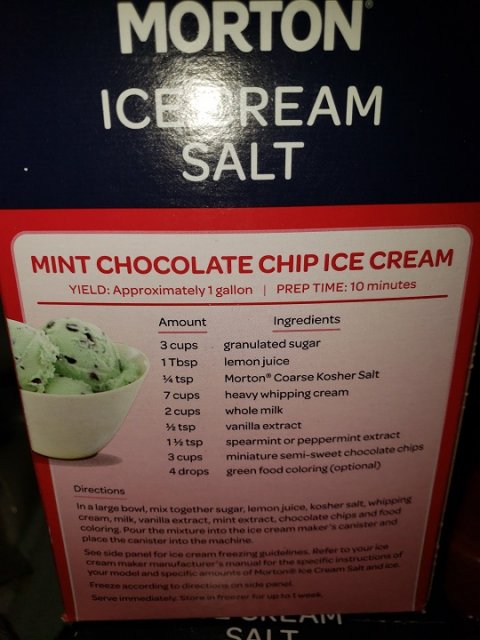
2. Ice Cream Salt
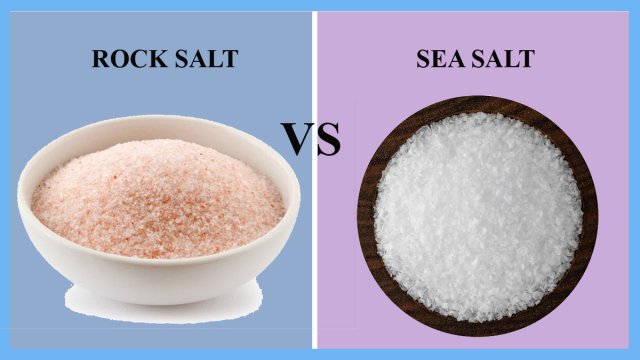
3. Natural Salt

Any suggestion on what to use and NOT to use ???


Any suggestions which of the three is .20210104_141657.jpg20210104_141737.jpg20210104_142013.jpg20210104_142023.jpg20210104_141636.jpg20210104_141651.jpg
 
  • Like
Reactions: tlindsey
I was looking for rock salt for my fresh water aquarium. In the past I used rock salt I brought at my local grocery, 5lbs bags.

This time around, I ran into several different kind of salt options, I know not to use iodized salt. Also
the rock salt at Petco is a rip off.

1. Sea Salt
2. Ice Cream Salt
3. Natural Salt

Any suggestion on what to use and NOT to use ???


Any suggestions which of the three is .View attachment 1449699View attachment 1449700View attachment 1449701View attachment 1449702View attachment 1449703View attachment 1449704
duanes duanes
 
Salt is NaCl
NaCl is salt
salt is salt
unless it has additives
The only difference in reality is grain size
So a tsp of large size crytals, will produce a different salinity than small grain table salt.
If you want a certain salinity, i.e. 3ppt to kill ick, the only sure way to get that proper salinity is by using 3lbs per 100 gallons,
because the volume method of measuring with different size grains, may be inaccurate.

There are of course different types of salt, but they are not NaCl
such as Epsom salt, (MgSO4) or magnesium sulfate
or
Sno Melt (Cacl) Calcium chloride

For most fresh water aquarium fish, there is no need to add salt, unless you are treating for ick.
 
Last edited:
Agree, chemically salt is salt. There can be minor differences in products or source, like trace minerals, grain size, how it's refined, etc. that might make a difference to a chef or connoisseur. I quit using salt as a regular additive to my tanks years ago. So I only use it to treat something-- but for that I use canning salt, it's easy to find and economical, though it's essentially the same thing as "pickling salt" and a couple of other products.

(To a chemist, common "salt" belongs to a much larger class of compounds.)
 
I believe this iodized salt thing is a myth, an old wives tale perpetuated early in the hobby before it was as advanced as it is now.
There have been a number studies that show that iodized vs non-iodized salt has no significant effect at all.
In fact a lack of iodine as a nutrient can be be less than healthy for some species
A number a cichlids living near the mouths of rivers will sometimes venture into the sea to graze on salt water algae, (high in iodine), a perfect example is Vieja maculicauda often seen grazing in pure sea water (also high in iodine).
 
I heard some black belts were caught on "corn island" which is apparently like 30 miles off the coast of Nicaragua!
 
this is also pretty cool!


" None of the red devils survived the transition to salt. Two died late on Day 3 at a salinity of 19.7 ppt and the third died early on Day 4 at a salinity of 21.4 ppt. All three of the black belts survived initially. However, the osmotic stress may have been too much for them, as two of the three died within a week after the experiment. One black belt did survive, however. It was eventually donated to the University of Toledo and displayed in a marine aquarium, where it cohabitated with damselfish and clownfish for over two years (final disposition unknown)"
 
Some "Tilapine" cichlids do well in freshwater as in brackish or full saline waters. That is, they adapt well. Aquaculture of Oreochromis mossambicus and "Tilapia" nilotica (as food fish), as well as hybrids such as the Red Tilapia (sometimes passed as red snapper) are extensive in all three types of situations in various parts of the world. But not all species do well in brackish or salt water; for instance "Tilapia" rendalli does not.
I have used kitchen salt (the cheapest kind), containing iodine, for many years on occasion, when needed) and have never had any problems. It works for ick, and also works in situation such as when fish who have a wound (physical damage), as a preventive against opportunistic fungal infections; it also stops incipient fungal infections.
 
  • Like
Reactions: KATALEKEEPER
MonsterFishKeepers.com