Sump with only sponge?

  • We are currently upgrading MFK. thanks! -neo

David R

Blue Tier VIP
MFK Member
Apr 26, 2005
5,050
252
346
44
New Zealand
Drawing up plants for a sump for my next tank and I'm trying to come up with a sump that is both low maintenance and quiet. I'm toying with the idea of using K1 fluidised with a powerhead (to keep the noise down) and Poret foam for the mechanical filtration. But then I though in the interests of simplicity why not just have a big fat stack of sponges like a giant thick HMF filter that does both mechanical and biological, with he first couple of sheets being cleaned more frequently and the ones further along less often. Here's the sump on my old 2000L tank, the Poret worked really well in this way, though after the video I put a sheet of egg crate behind it to keep it flatter, the first two sheets needed rinsing every 2-3 weeks, I'd do the other two every 4-6 weeks but they probably could have lasted six months. The one problem with doing it vertically is that it requires more space above to remove for cleaning, so in the new sump I'll probably have to do it horizontally. Obviously the K1 has a higher surface area for the same volume, but either way I don't think I'll have trouble fitting in enough media for the amount of fish. The K1 also has the advantage of never needing to be cleaned, but on the other hand aside from the first couple of sheets (which I'll need to run with the K1 anyway) the lower sheets might only need to be rinsed every 6-12 months. The downside of the K1 is that it requires additional equipment, which will costs more up front and also in ongoing running costs and will also create more noise.

It almost seems too simple, why don't more people use sponge for biological filtration in sumps over stuff like ceramic rings?
 
  • Like
Reactions: tlindsey
If you do a search online, you will likely find a few sources that disagree about the actual surface area per unit volume of various biomedia...but virtually all of the comparisons show that foam like Poret and others compares very favourably with media like Bioballs and K1 in terms of surface area. IMHO the big difference is, as you stated, the need for and ease of cleaning.

Ceramic media are very poor in terms of surface area compared to the other two. They work because the surface area required for a sufficient bacterial population is far less than most people believe. People use canister filters that have relatively tiny chambers for the biomedia, and yet have no problem. Then the same folk upgrade to a sump, and for some reason believe that they now need vast chambers chock full of biomedia to work properly.

My standard DIY sump design has worked beautifully for me for at least 15 years. It uses Poret foam slabs for mechanical filtration, usually with 3 layered pieces. The first is removed and rinsed frequently, often every day when I am home but it can go for at least a couple weeks without if necessary. The 2nd and 3rd layers are rinsed less frequently, and can go for long periods without clogging. I like the ease of frequent rinsing as it removes large amounts of solid waste before it has a chance to be broken down by bacteria, thus reducing the rate of nitrate accumulation in the tank.

The foam works great as a biomedium as well as for mechanical filtration. Hamburg Mattenfilters are fantastic for smaller tanks, and they use one piece of foam for all their mechanical and biological filtration. But they are a bit of a pain to clean, and they don't remove anything from the tank system so all waste is broken down and contributes to nitrate buildup.

Why don't more people use foam for all their mech and bio needs? I think a lot of folks are as interested in gadgets and gizmos and tech as they are in the fish. They post pictures of the insides and under-tank areas of their aquarium stands, ooohing and aaahing about nice clean installations and expensive boutique filtration media as though that were the main goal of fish-keeping. Maybe, for some folks, it is. Foam slabs aren't cool and sexy; they don't look high-tech...'cuz they're not!...but they work very well, are very simple, are among the cheaper options in terms of media, are pretty much permanent (I have Poret sponge filters and slabs that have been in continuous use for a couple decades and are still perfectly fine)...they're in many ways the perfect filtration media. But...they ain't cool.

But that's what the fish are for! :)
 
Many aquarists believe the more biomedia you stuff into a sump, the better.
The reality is, its the food to micro that-organism ratio that determines efficacy in filtration, not the amount of media.
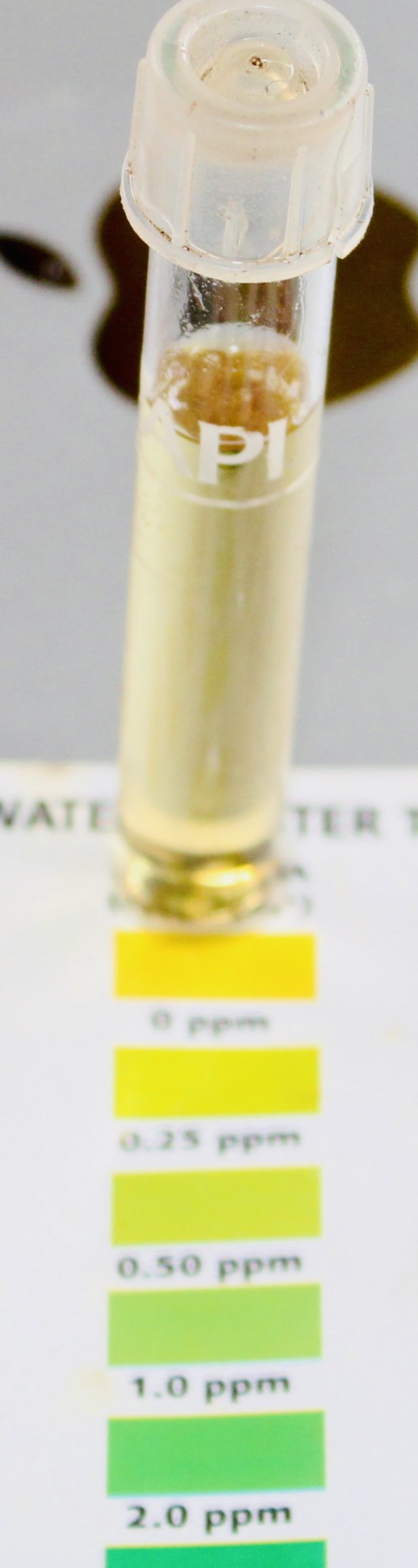
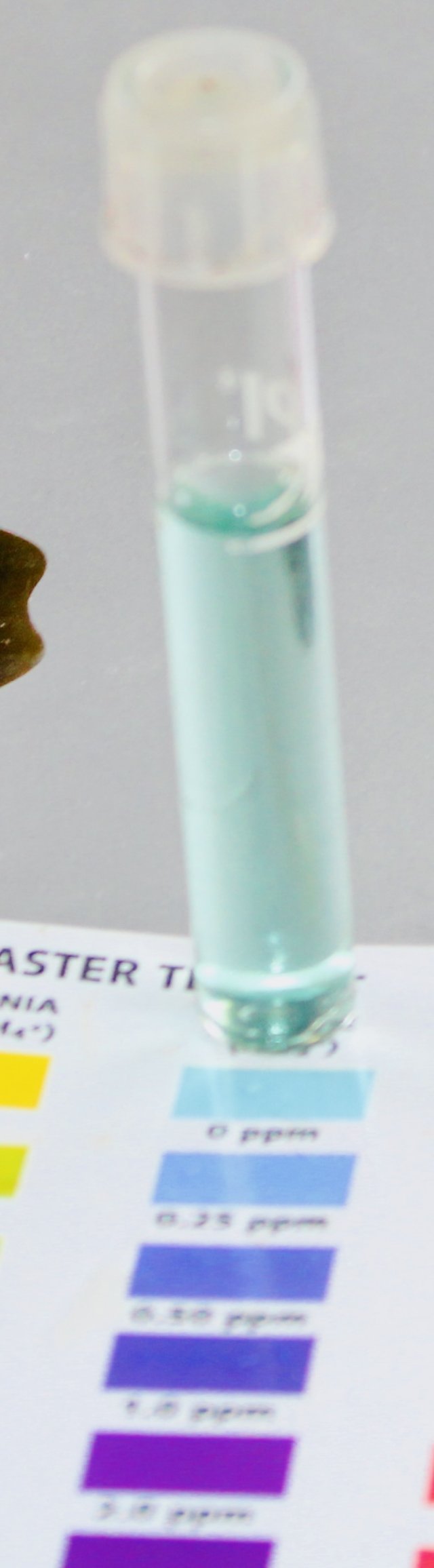
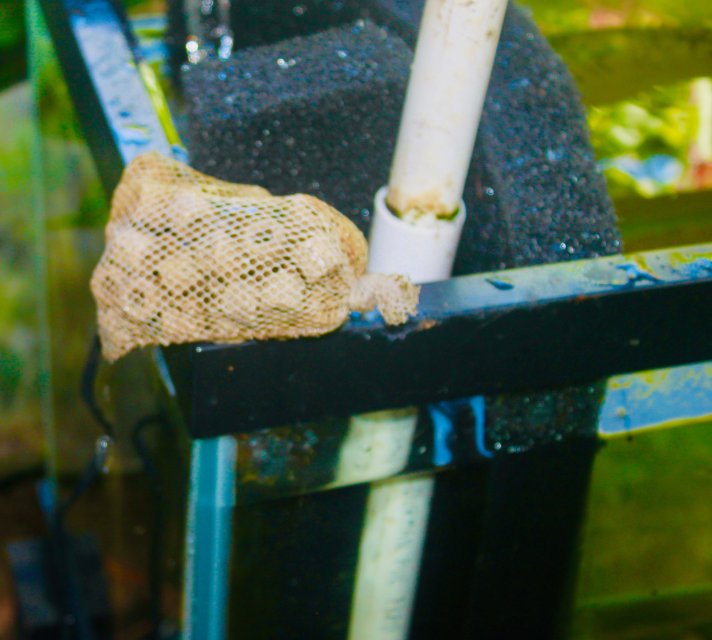
In my 125 sump I use a wall of porrett foam for mechical filtration, and three 5¨(13 cms) bags of biomedia.IMG_2021.jpeg
above my ammonia test, below nitrite.
IMG_2020.jpeg
The fish load in the main 180 gal tank averages 20 medium cichlids.
Below the mechanical, and biomedia.
IMG_8811.jpeg
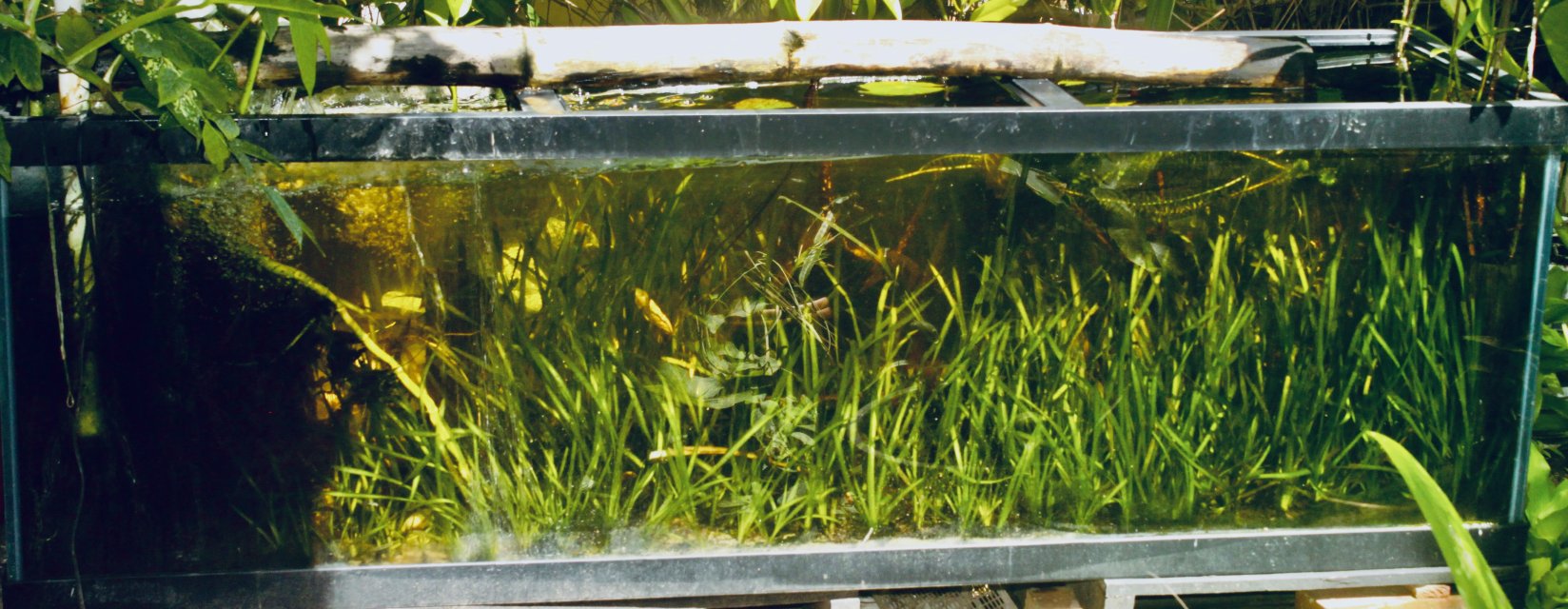
The rest of the sump, is heavily planted
IMG_6829.jpeg
This not only helps with ammonia and nitrite
But also removes nitrate
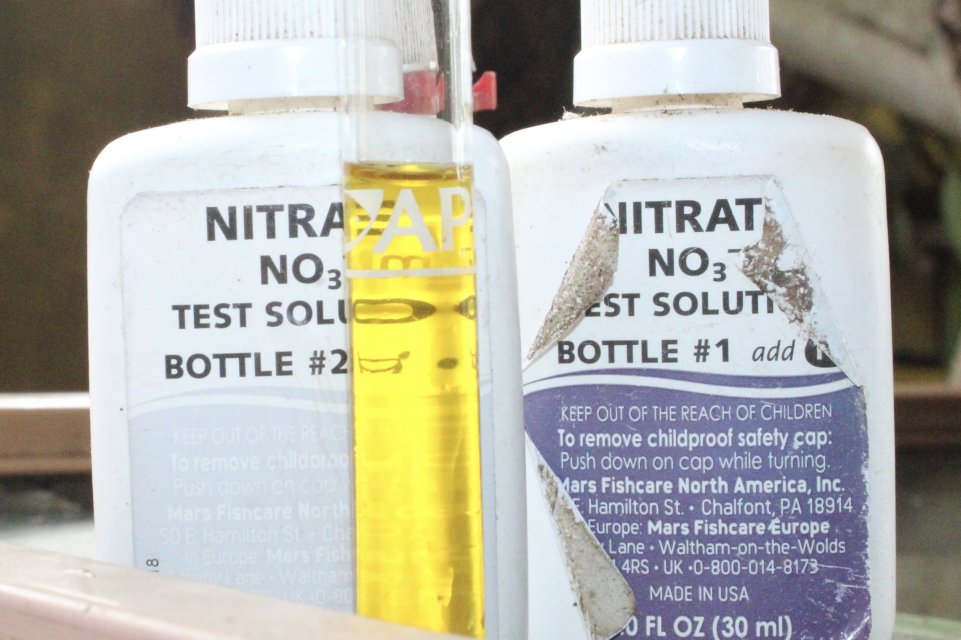
IMG_1243.jpeg
The nitrate test above, was done yesterday, but is average , and the tank has been set up this way, for over 5 years.
I rinse out the porrett foam about once per week, amd do water changes, that´s about it for maintanance other than cleaning detritus from screens.

I also think of the planted sump as aesthetically pleasing as the main tank.
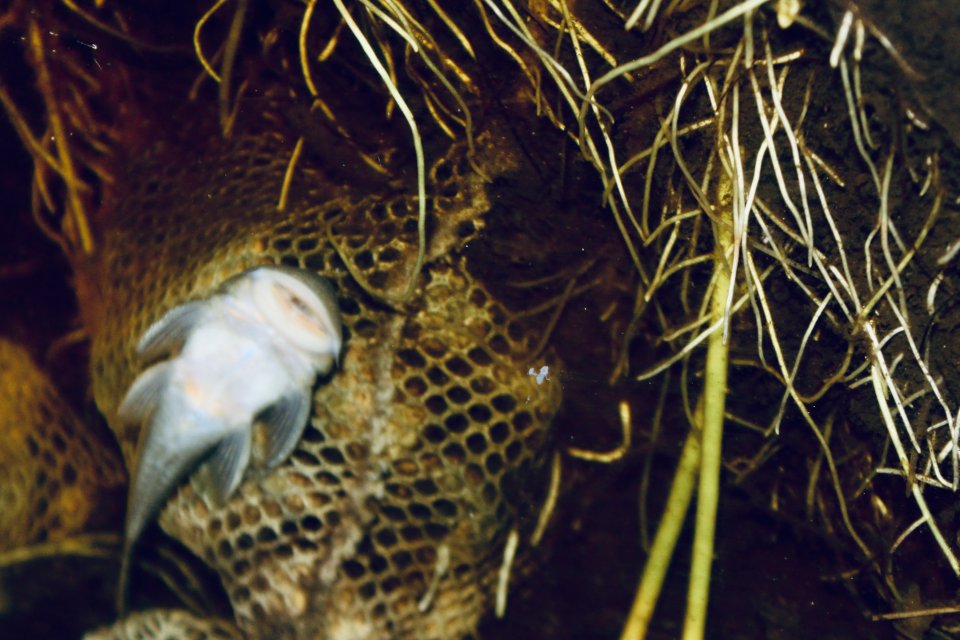
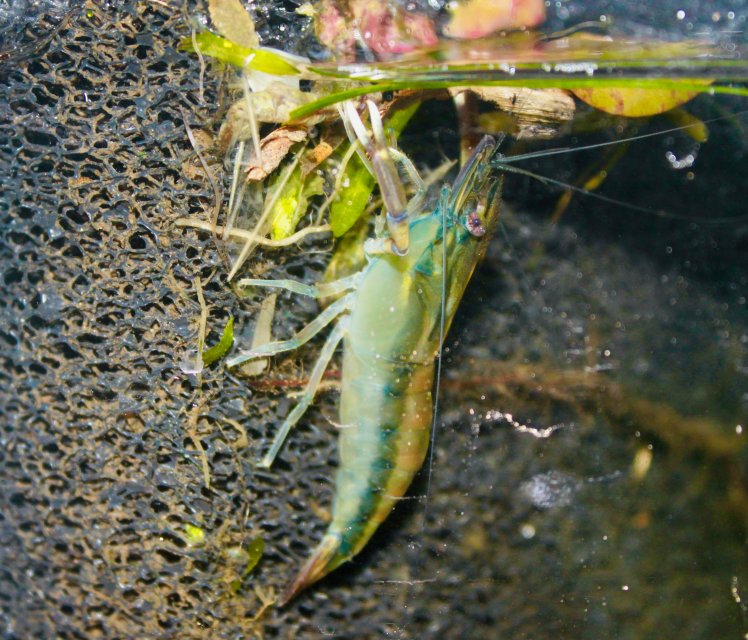
Beside the plants, I keep a cadre of shrimp to help police up extra detritus. on the porrett, and because the sump sits in full sun,
there are a few juvie placos to help keep algae growth on the glass.
IMG_6963.jpeg
I don´t think of a sump as only a utilitarian box for stuff, but as its own biological , and beautilul adjunct.

IMG_8907.jpeg
 
Great responses, thank you!

jjohnwm jjohnwm I'd be interested to see a picture of your standard sump design. What do you use for bio media after the foam? I totally agree about people wanting stuff that "looks cool" when it comes to filtration, I've seen some crazy set-ups with multiple chambers fill of every imaginable type of bio media, as though they someone magically perform different functions. There's nothing glamorous about a sump that's just a giant sponge filter, but if it works it works. KISS is good when it comes to filters IMO.

duanes duanes I get what you're saying about the amount of bio media required, and it's interesting to see just how little it is possible to get away with in contrast to the usual "more is better" approach. And I love your planted sump! I was thinking of having a chamber before the mechanical filtration to grow Pothos in as some of the fish in the main tank will likely nibble the roots. AFAIK terrestrial plants are far more effective at removing nitrate, but having a planted tank section like that is certainly more appealing to the eye. We don't get FW shrimp here in NZ unfortunately, but there's plenty of small interesting fish that would be fun to keep in a planted sump like that. Do you think it has a noticeable impact on the nitrate levels? Glad to see there's still a few names I recognise around here, I haven't checked in for years!
 
  • Like
Reactions: tlindsey
The Paratya fresh water glass shrimp is native to New Zealand.
It begins with a marine stage, then moves into fresh water.

You also have a native mangrove tree that may be interesting to try in a sump, it is said to grow somewhat smaller, so may be more manageable.

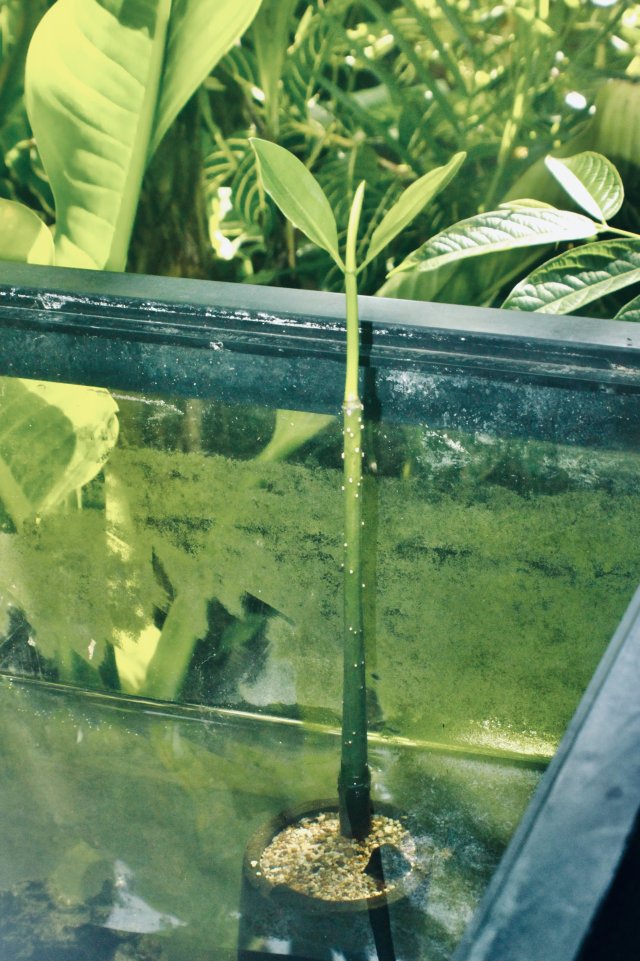
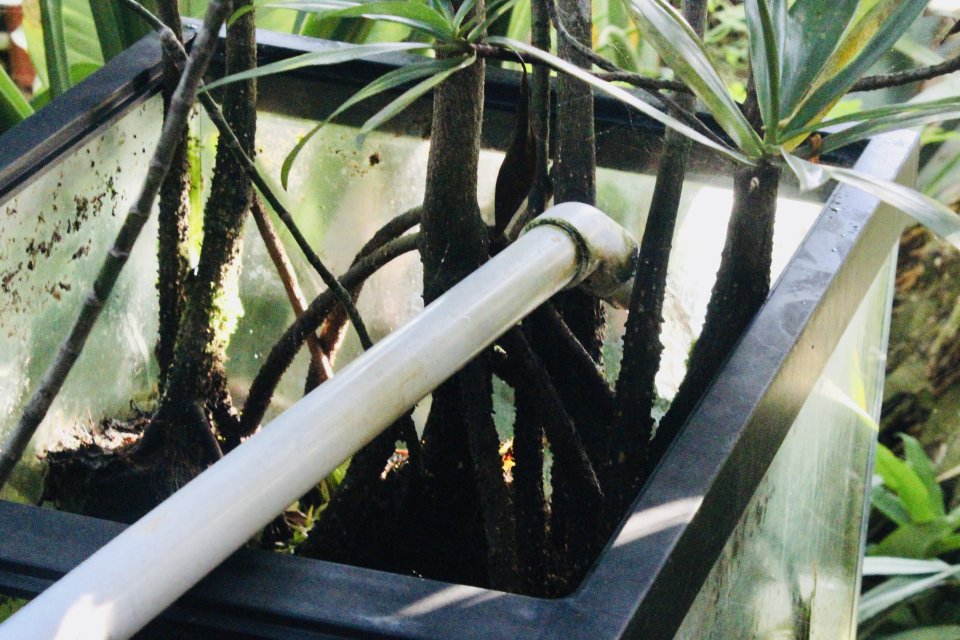
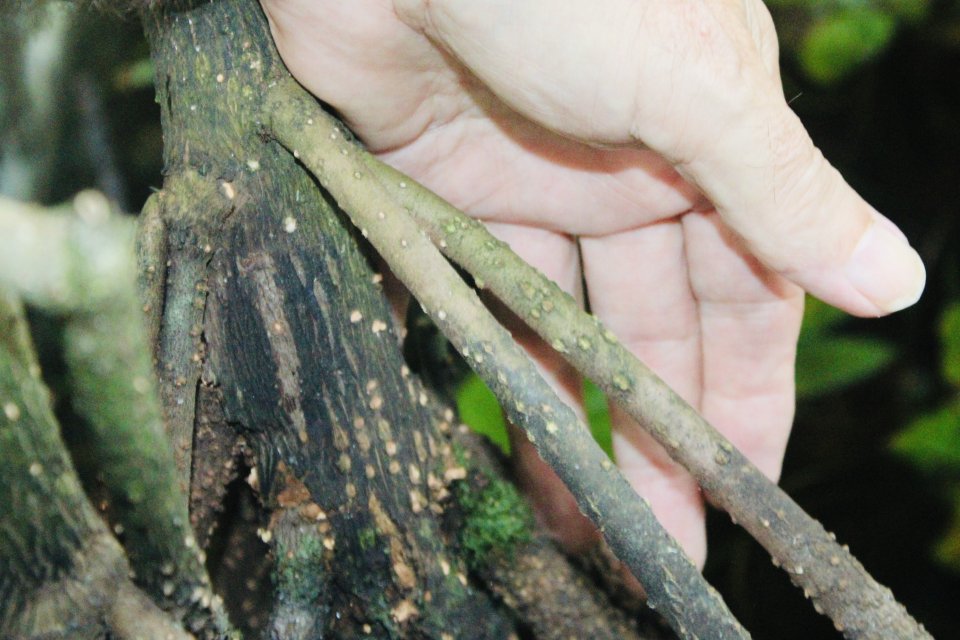
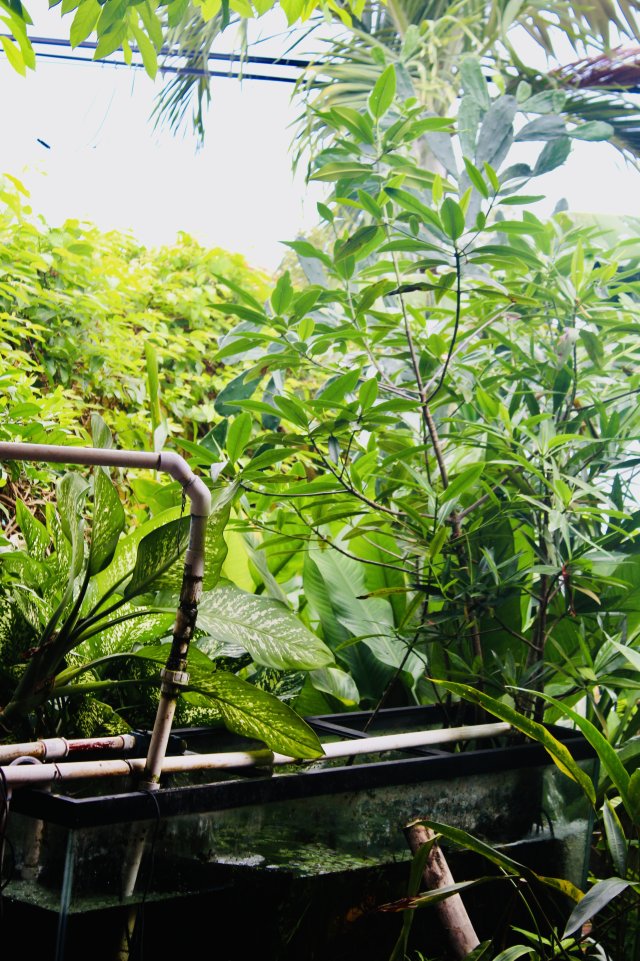
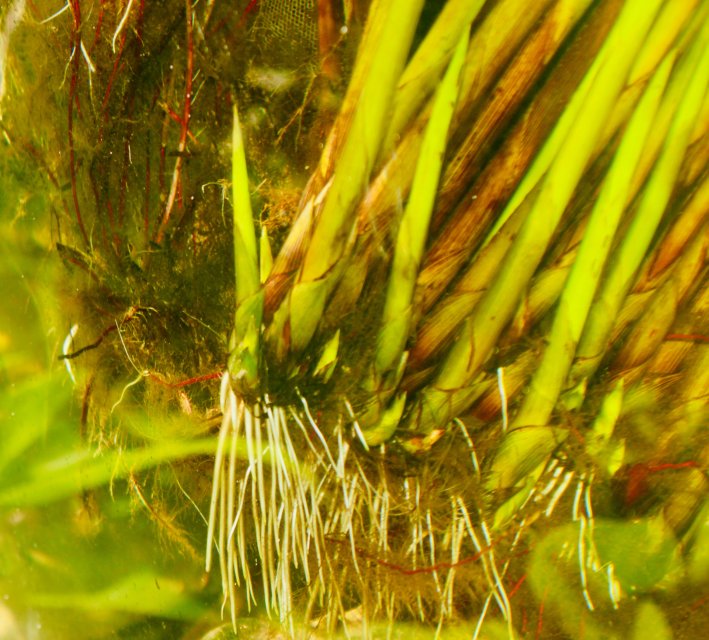
I have been picking up, growing Panamanian mangroves in my sump, I first started finding the pods floating in the Pacific near the beach, and found they are able to grow salt, brackish and fresh water.
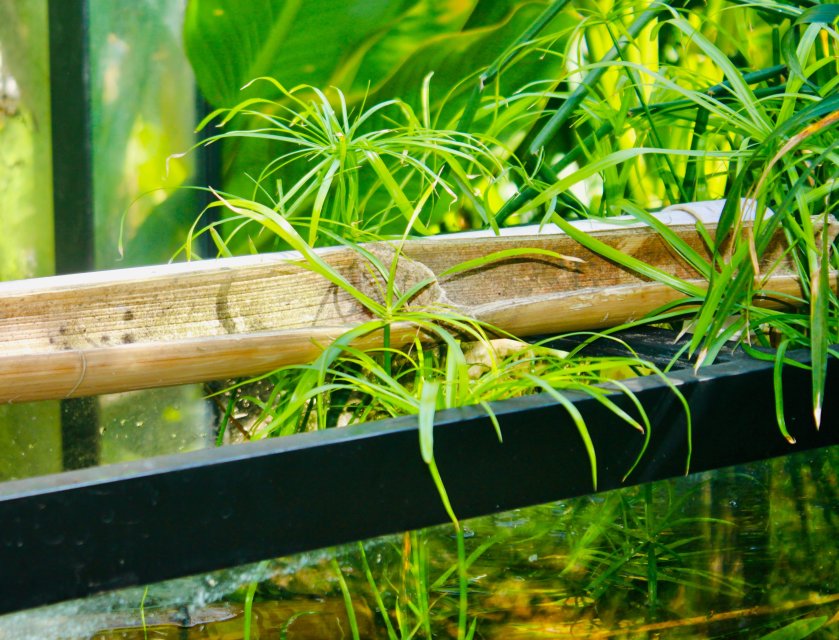
They started simply, as below in a sand filled bamboo stem
IMG_4089.jpeg
and over the last couple years grown the classic aerial roots.
IMG_0581.jpegIMG_0418.jpeg

The emergent foliage section has grown 6 ft above the sumps water surface.
IMG_9786.jpeg
Before I got hooked on mangroves, I was using Papayrus in the sump to suck up nitrates.
IMG_8636.jpegIMG_0513.jpeg
I hear there is a variety, that grows endemically there in in kiwi land.

And yes, any of these aquatic, semi aquatic, or even terrestrial plants with roots draped in the water, make a noticeable impact on nitrate reduction,
I have had numerous periods where our water plant was shut down, and it was impossible to perform water changes for weeks on end over the last 5 years, and with the planted sump, nitrate never exceeded 5 ppm.
 
  • Like
Reactions: jjohnwm
jjohnwm jjohnwm I'd be interested to see a picture of your standard sump design. What do you use for bio media after the foam? I totally agree about people wanting stuff that "looks cool" when it comes to filtration, I've seen some crazy set-ups with multiple chambers fill of every imaginable type of bio media, as though they someone magically perform different functions. There's nothing glamorous about a sump that's just a giant sponge filter, but if it works it works. KISS is good when it comes to filters IMO.
It's tough to get a pic of my setup; I'll see what I can do. Sadly, even if I manage to get an overall view of it, there's not much to see. It's essentially an opaque Rubbermaid Roughneck garbage can standing next to the aquarium (which in this case is a plywood box with an unfinished exterior). Water overflows into the top of the garbage can, down through three layers of Poret foam stacked horizontally in a pail, and then down through roughly 30 gallons of my top-secret super-biomedia: plastic shotshell wads that are sold for reloading shotgun ammo. :)

These things look like magnum-sized K1 cylinders to a casual observer, but they are completely invisible in this application within the garbage can, where they function as a "wet-dry trickle-filter" as we used to call it. The water drains out through a bulkhead at the bottom of the garbage can and into a bin under the aquarium, from which it is pumped back into the aquarium. The bin is where any heaters, if used, are located. It's also where I like to keep a DIY Poret sponge filter or two bubbling away, ready to be removed and used elsewhere to create an instantly-cycled tank for quarantine, hospital or other purposes.

Finally, the bin or bins under the tank are easily able to handle the flowdown from the aquarium, without overflowing, if the pump fails or is turned off for some reason. It's amazing how many of the expensive commercial sumps on the market utilize some tiny little pump compartment, usually at the tail end of a ridiculous string of unnecessary partitions. The pump compartment is the only place in the system where water levels drop due to evaporation or removal. Life is much better when that compartment is plenty big.

I used clear Rubbermaid-type bins for that bottom portion for years, but I found that they tended to get stiff and eventually start to crack and leak after a few years of use. The heavy-duty opaque ones seem much more durable, but don't allow visibility, so they aren't great if you want to use part of your lower sump area as a refugium for plants or animals. Up until recently I had a clear bin down there full of actual K1, spinning and gyrating like crazy. My granddaughters loved it; they've now pretty much outgrown the fascination, so I removed the K1 as I found it to generally be a PITA. The tank runs perfectly with no media at all in the bottom sump, as the trickle filter is still far more than required for the bioload even in three 360-gallon tanks hooked up in parallel with it, as I had in my previous house.

I was looking at the pics of your DIY sump; it's a work of art compared to mine! :)
 
Last edited:
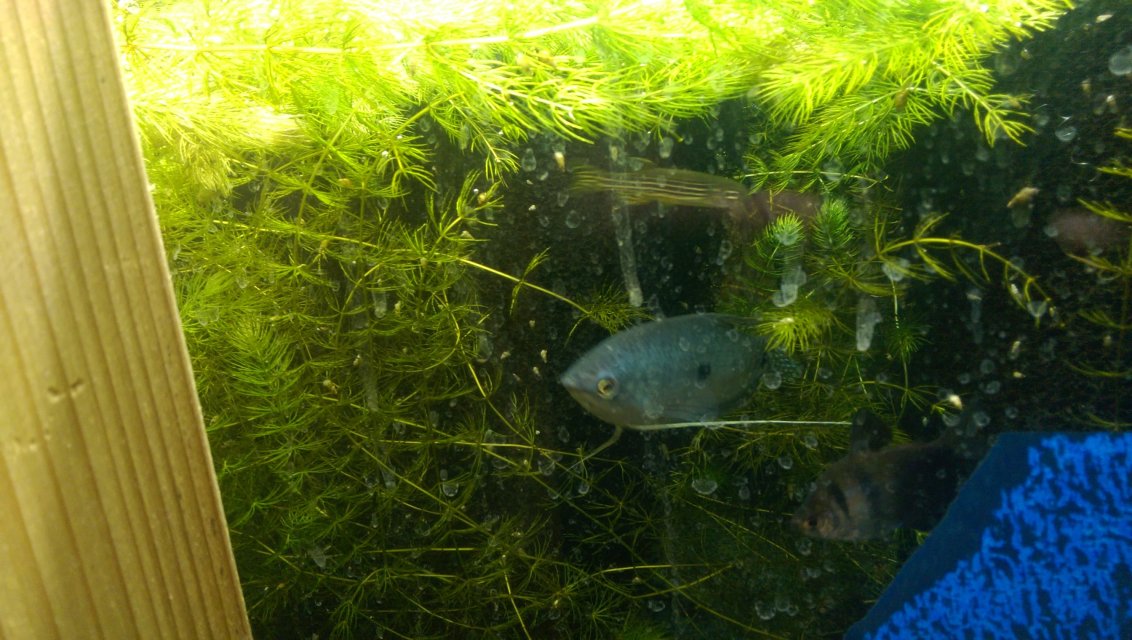
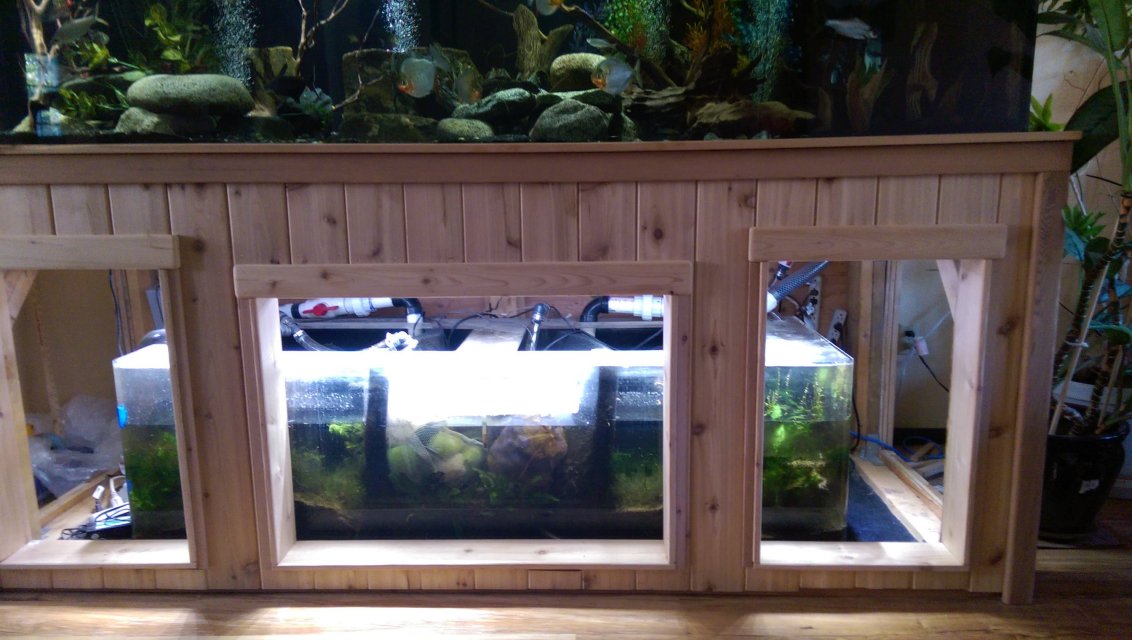
I am also an advocate for open, planted, and inhabited sumps. I use poret as a section divider and have bags of media, enough that I can grab one to seed a tank without effecting the main system

WP_20161002_013.jpg

WP_20150718_021.jpg
 
MonsterFishKeepers.com