

A little fish food will provide enough ammonia to keep your bacteria going. Be careful if you're gonna dose straight ammonia
Water test
- Thread starter JohnTr
- Start date
You are using an out of date browser. It may not display this or other websites correctly.
You should upgrade or use an alternative browser.
You should upgrade or use an alternative browser.

I love to have plants to reduce the NO2/NO3 but my tank is under basement, so i have no natural light.I agree with Ishnshalk,
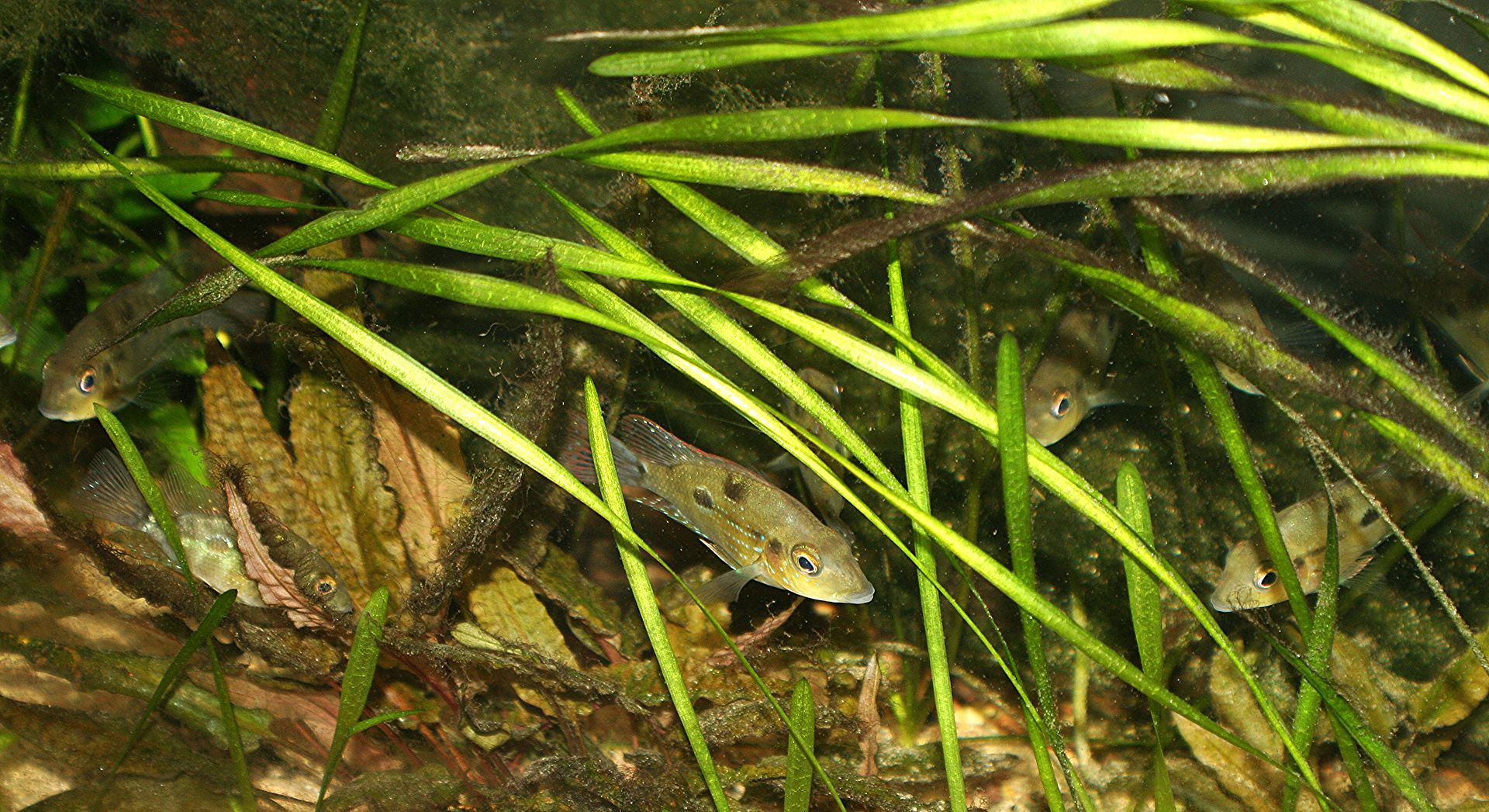
and found to maintain a nitrate level of between 2-5ppm nitrate in my established tanks, a regime of at least 3 x 30% water changes per week, with lots of plants. Either as terrestrial plants, ie pothos (Epipremnum sp) hanging in the tanks, semi aquatic plants like Papyrus in the tanks or sumps, or aquatic plants in tank, and sumps such as vallisneia, Cryptocoryne, and Anubias.


Tank was set up for 7 months now. I put tap water in 3 60 gallons tank and keep the air pump in for 5 days before doing a waterchange.How long had tank been setup? 95% water change is too much if it is still cycling or new system

The great thing about pothos is that they can survive under low lighting conditions as long as its fairly warm.I love to have plants to reduce the NO2/NO3 but my tank is under basement, so i have no natural light.
Does the fluidized bed filter reduce the NO2/NO3 because I have a friend he keep 14 rays, 2 super red arowana, 4 datnoid in the 300 gallons without any issue. My stock is only 3 alligator gar.The great thing about pothos is that they can survive under low lighting conditions as long as its fairly warm.

Has your tank fully cycled, AND, now you are seeing a spike in Nitrite? IMO, it helps to provide better suggestions with more context. After 7 months I assume it would have cycled, and your BB is not able to keep up now. Or, your tank hasn't fully cycle ever and your now discovering you have traces of Nitrite with your new test kit? I'd be surprise if your tank hadn't cycled in 7 months, but it's hard to say with the information.
My tank are cycled from last time i bring my water to lfs test. I dont know what happen with my bacteria.Has your tank fully cycled, AND, now you are seeing a spike in Nitrite? IMO, it helps to provide better suggestions with more context. After 7 months I assume it would have cycled, and your BB is not able to keep up now. Or, your tank hasn't fully cycle ever and your now discovering you have traces of Nitrite with your new test kit? I'd be surprise if your tank hadn't cycled in 7 months, but it's hard to say with the information.
If your tank was fully cycled, then it appears to be cycling again for whatever reasons. If that were me, I would use Seachem Prime to help with neutralizing ammonia and nitrite. I would does with Stabilizer to boost BB. I nitrate begins to climb, then frequent small water changes. I would not worry if nitrate is around 20ppm.

