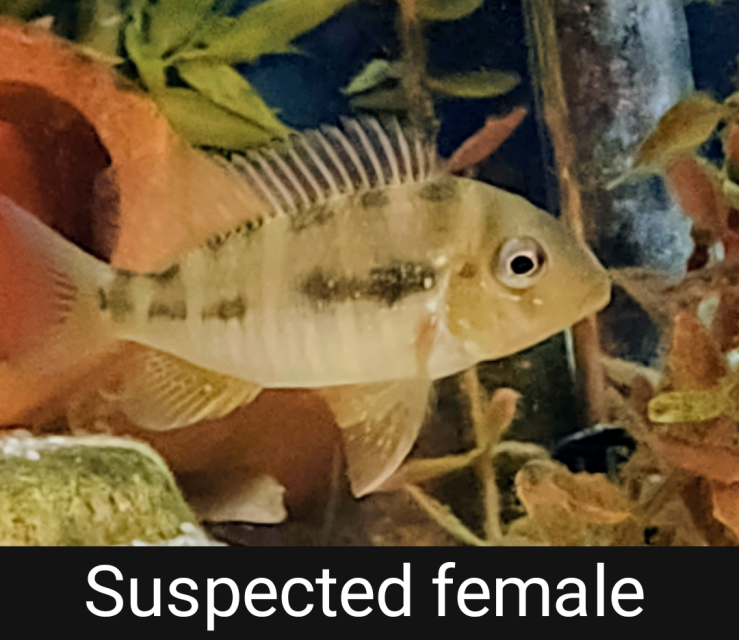
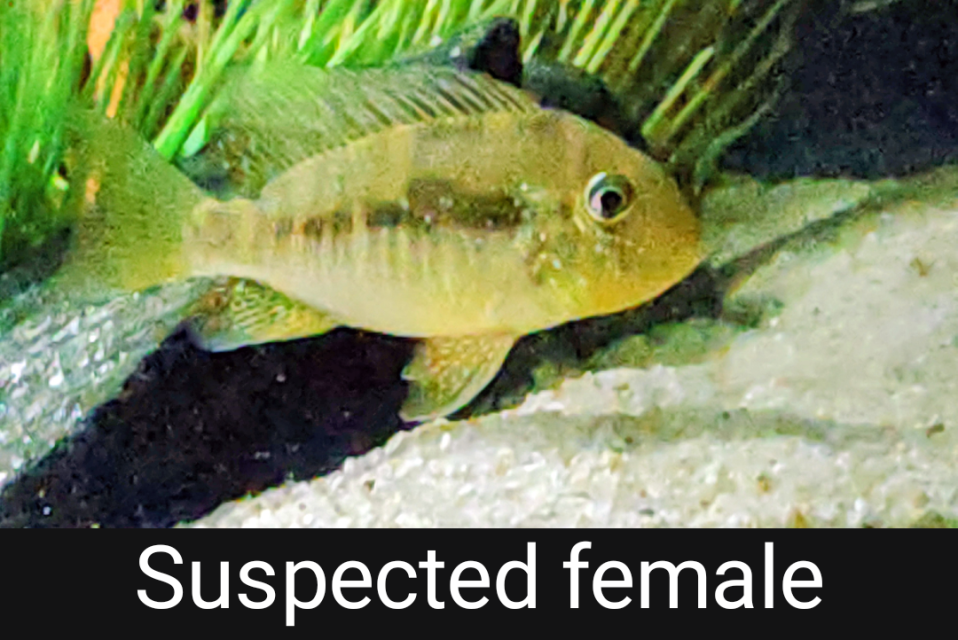
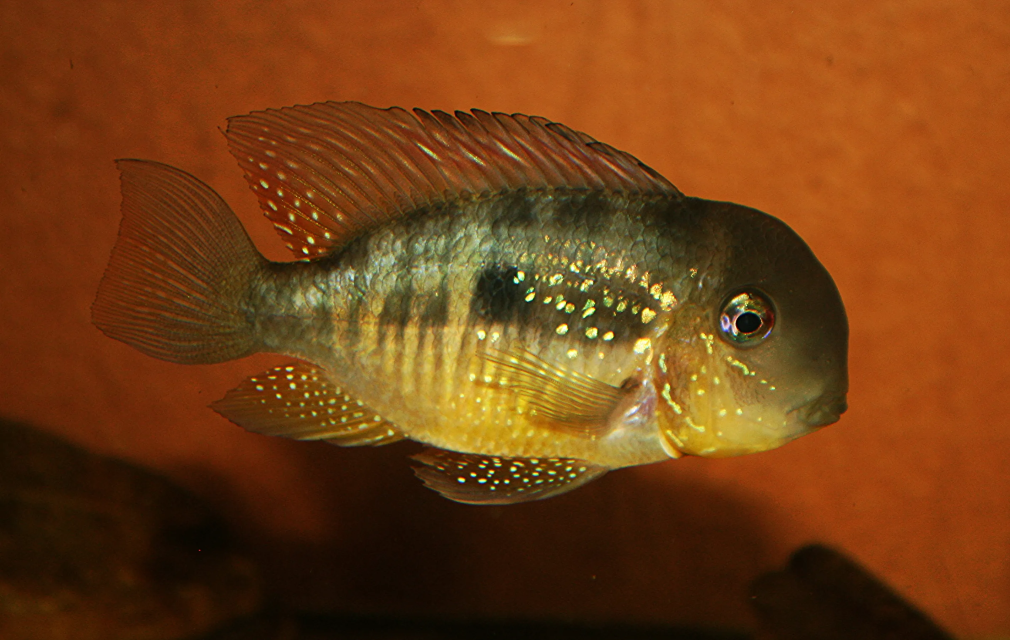
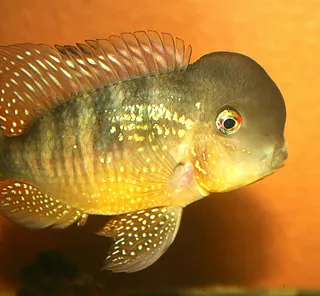
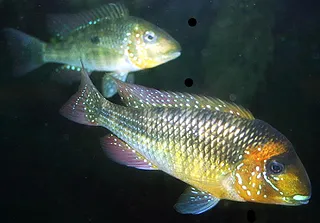
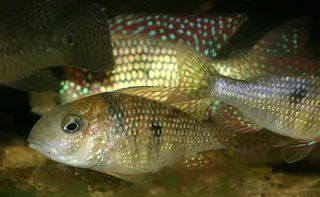
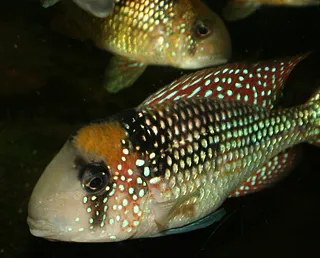
I had plenty of temperature-appropriate options for tankmates for Gymnogeophagus balzanii when I kept and bred them for a couple years in a basement tank that went down to 55-60F for a few months each winter. They lived with G.rhabdotus, Cichlasoma dimerus, a couple of Mexican Goodeid livebearer species, Corydoras paleatus, Scleromystax barbatus, Garra rufa, Garra flavatra, Buenos Aires Tetras, Odessa Barbs, Macropodus opercularis Paradise Fish, Jordanella Flagfish, Oryzias Ricefish, and likely other cool-tolerant species I've forgotten. Red-finned Uruguayan Plecos thrive in that temperature regime and are a favourite. Hell, plain ol' Green Swordtails have lived wonderfully for me for multiple years/generations with wintertime temps down to 60F or even lower. Variatus Platies are apparently a good choice as well, one I haven't tried. Others I have no experience with would include White Cloud Mountain Minnows, Misgurnus Weather Loaches...there's no shortage of candidates. Balzanii are fairly timid, non-aggressive and yet large enough to avoid most bullying by other more feisty tankmates.
If you don't mind a fish that will outgrow most breeds of dogs, there's the Chinese Hi-Fin Shark, Myxocyprinus asiaticus. I recently got stuck with a rescue specimen of that species which is growing fairly slowly and is about to be thrown to the wolves, i.e. gently introduced to a tank full of Goldfish and told to "sink or swim", so to speak.
My current dream fish for cool water seasonal tanks is Hypostomus luteus; I'm not a dyed-n-the-wool pleco guy but that fish just sings to me. They don't show up often and are expensive, but...I want!
The biggest problem with choosing tankmates for balzanii is the fact that almost anything you select will be more interesting and engaging than the balzanii themselves.
If you don't mind a fish that will outgrow most breeds of dogs, there's the Chinese Hi-Fin Shark, Myxocyprinus asiaticus. I recently got stuck with a rescue specimen of that species which is growing fairly slowly and is about to be thrown to the wolves, i.e. gently introduced to a tank full of Goldfish and told to "sink or swim", so to speak.
My current dream fish for cool water seasonal tanks is Hypostomus luteus; I'm not a dyed-n-the-wool pleco guy but that fish just sings to me. They don't show up often and are expensive, but...I want!
The biggest problem with choosing tankmates for balzanii is the fact that almost anything you select will be more interesting and engaging than the balzanii themselves.