

CB or WC? Dark brown color with green on the head. Not the usual Sen I see at the LFS
Difference between WC and CB
- Thread starter rodger
- Start date
You are using an out of date browser. It may not display this or other websites correctly.
You should upgrade or use an alternative browser.
You should upgrade or use an alternative browser.
Not trying to be rude but this is a very interesting thread, please don't kill it by derailing it. Other poly owners will be more than happy to I'd your sen, but start a new thread so this one can stay on topic. " The differences between WC & CB."
Again not trying to be brash or rude just helpful.
Again not trying to be brash or rude just helpful.

Not necessarily true. These fish will get collected and eaten for food or destroyed by humans regardless.
The pet trade adds value to them and restricts unwarranted destruction. Believe me, i came from that part of the world and know what i'm talking about.
Well siad

Not trying to be rude but this is a very interesting thread, please don't kill it by derailing it. Other poly owners will be more than happy to I'd your sen, but start a new thread so this one can stay on topic. " The differences between WC & CB."
Again not trying to be brash or rude just helpful.
How is SickSauce derailing this thread? He did not ask for an ID, he asked if CB or WC -- which is within the topic at hand. He is asking if WC or CB & why.
Sens come in many colors and varying degrees of green -- from yellow to grey to brown to even purple tint. The one you have pictured is captive bred. CB sens have a round face, relative short head, tapered head vs WC have a squarish, stout, elongated head when compared to CBs. WC also TEND to keep a slim line body where many (not all) CBs develop the "fat kid" syndrome often seen in large palmas polli. As someone mentioned, experience is key. The more bichirs you see/keep the easier it becomes. The first pic is CB. Short face, round face, etc. The second pic is more "difficult to tell" by just looking at the head shape but we know long finned sens are CB. If we did not know that fact we can still tell by the round head shape. Pics 3 & 4 are of a wild caught. Look at the head shape -- totally different from captive bred.
And I agree, some specimens you can't really tell unless you see the fish in person.
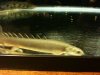
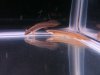
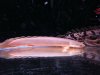

^^^
Talk about off topic haha.
Thanks framcosco, I see the difference in Head Length. I just thought that Green pigment is a indicator of WC. Picture examples Helps alot
Talk about off topic haha.
Thanks framcosco, I see the difference in Head Length. I just thought that Green pigment is a indicator of WC. Picture examples Helps alot
^^^
Talk about off topic haha.
Thanks framcosco, I see the difference in Head Length. I just thought that Green pigment is a indicator of WC. Picture examples Helps alot
All polys in a black tank will show green pigments. Well, minus the
Platinums etc etc .
Sent from my GT-I9100 using MonsterAquariaNetwork App
Thanks mrwinkle, but there is so much more to it that I can't put in writing. Endi's for example are a little different since most have froggy eyes already. But I'm thankful I have the best class room to learn from at my LFS. I will ask him next time is I could take a pic of his pet tank and post it here. I doubt it through haha. The highlight is a 75cm Angsorgii. Wish all of us could just sit down and talk abt bichirs at the LFS. haha.
Dropped by my LFS to pick up some wool and feeders. Managed to get some photos of the monster Ansorgii. Its suppose to be 29". Since I was in a rush I only got a bad photo. If I have the chance I will get a better one. FYI, the Tikinsso Guinean endi beside the monster is around 20" +/- and the lap around 14"

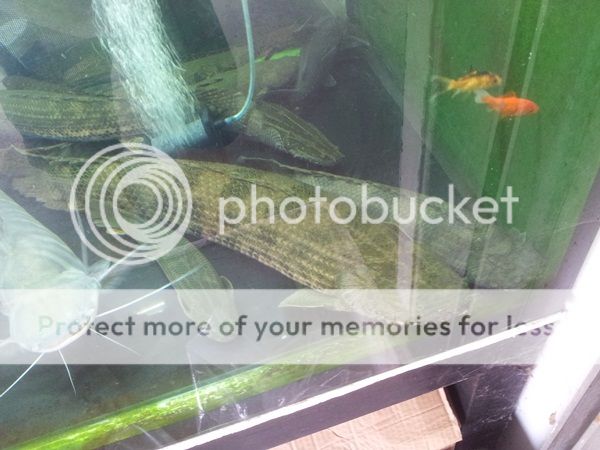

Nid, that was very informative. One thing that I am curious about, is why these changes happen? Is it because of inbreeding and cross breeding?
Thanks
This thread is very interesting. I am not suggesting i know a definitive reason as to why CB would be different from WC but if you look at what is different in a home aquarium compared to the wild, that would have to give you the answers.
1. Certainly inbreeding would be a culprit. Especially when you are talking about Senegals since you see them so readily available and cheap at the LFS.
2. Chemistry in the tank. PH, temp, etc would probably make differences among those born in different enviroments from what they had evolved from. One would think this would affect the fish in the egg or juvi state since the adults don't change once you have them.
3. Diet. Maybe massivore doesnt have the prenatal nutrients to devolope the eggs in the way that worms, frogs and fish they eat in the wild do.
Even if you perfectly replicated the conditions the fish had in the wild and made sure there was no inbreeding, i think it would be extremely difficult to make sure they were eating the exact same thing in the wild as they would be in the home aquarium.
Lets see some more comparison pics of WB vs CB. Thanks guys.
