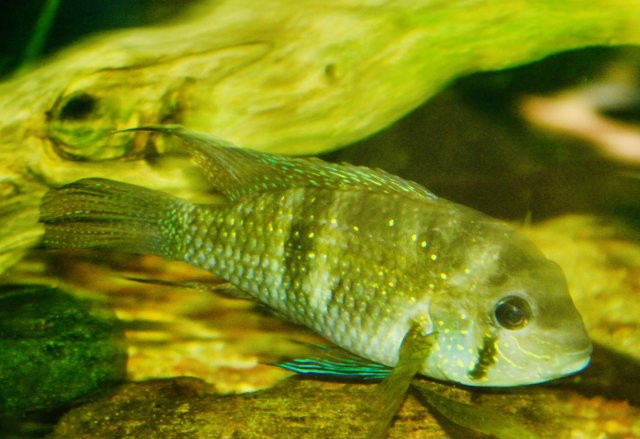
Amatitlania altoflava

  • We are currently upgrading MFK. thanks! -neo

Altoflava

Feeder Fish
Apr 1, 2021
2
2
3
Hey everyone,

I’ve got a trio of Amatitlania altoflava in my 120 gallon tank, other fish include loaches, firemouths, rainbowfish, and barbs. I would like to make the tank more about the Amatitlania, as I’ve read that they do best without very boisterous fish or other cichlids.

my plan is to put the Amatitlania in the 120 with some bodem dwellers (loaches catfish) and put some small livebearers with them. I have a breeding population of black bar endlers, the combo would look superb.

Will the adult Amatitlania leave the adult endlers alone?

And will I get a good result with this set-up?
 
I'd put some floating plants (water lettuce, etc) in with the Endler's just to give them some hiding spots both as adults and fry. The Amatitlania could pick off the Endler's over time, but they are more omnivores than piscivores.
 
The Amatitlania are predominantly substrate huggers, so housing them with predominantly surface dwelling live bearers could work, especially with the use of (above suggested) floating plants.
And although I'm sure the altoflava will take pot shots at live bearers occasionally, they are not piscivores, so fairly inept at changing down fish. In Panama (where altoflava come from) mosquito fish, and mollies are common.
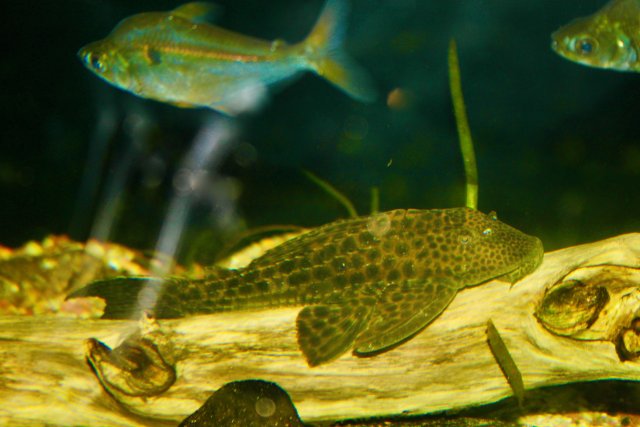
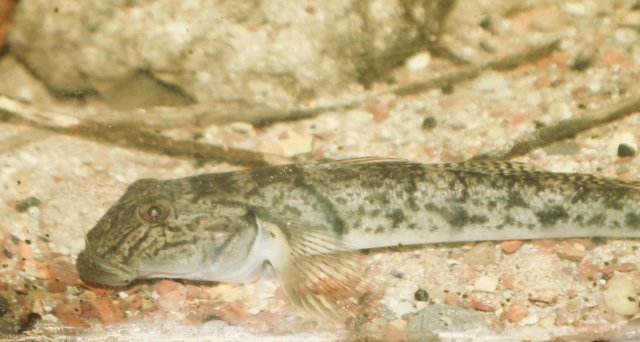
Because I'm a geographical purist, I wouldn't use Asian Loaches as tank mates, I'd use some of the natural Panamanian substrate huggers, like Loricids (twig catfish, small Plecos) gobies, and small Aridae catfish.
Below a Panamanian pleco, with Panamanian tetras.
B9313EA1-BB7C-410B-912E-5D848AC837C7_1_201_a.jpeg
Below one of the Awaous gobies.
B5E52B43-BE5F-43E9-9FC7-E4BDCF581985_1_201_a.jpeg
and I agree with dogofwar, these are fairly timid cichlids, so if spawning is desired, no tank mates at all, or even if spawning is not the goal, more timid tank mates would be best. I would also not house them with FMs.
 
Last edited:
  • Like
Reactions: tlindsey
The Amatitlania are predominantly substrate huggers, so housing them with predominantly surface dwelling live bearers could work, especially with the use of (above suggested) floating plants.
And although I'm sure the altoflava will take pot shots at live bearers occasionally, they are not piscivores, so fairly inept at changing down fish. In Panama (where altoflava come from) mosquito fish, and mollies are common.
Because I'm a geographical purist, I wouldn't use Asian Loaches as tank mates, I'd use some of the natural Panamanian substrate huggers, like Loricids (twig catfish, small Places) gobies, and small Aridae catfish.
Below a Panamanian pleco, with Panamanian tetras.
View attachment 1456220
Below one of the Awaous gobies.
View attachment 1456221

Is that pleco species native or were its ancestors introduced by folks in Panama or hitchhikers? If it's native, what species is it?
 
According to my Field Guide the Freshwater Fishes of Costa Rica (Bussing) I believe it is either H. panamensis, or H. chagrasi.
Panama/Costa Rica seems be the point where South and Central American species collided and coexisted.
Another Pleco-like species normally found in South America, but common here re the Rinoloricaria twig/stick catfish.
C1BBD013-8FC6-4824-877F-50C2D1BFD9EC_1_201_a.jpeg
My Andinoacara coerleopunctatus is the only species of its genus to make it this far north, and have become very common here.
As is Geophagus crassilabrus the only Geophagine to have made it into Central America.
The Panamanian green Umbi another.
And one of the most interesting to me, Isthmoheros tuyrense, a kind of ancestral link between the South American genus Heroina and the more northerly Vieja.
An interesting take on Central and South American evolution below
photo
 
Last edited:
ahh thanks! the idea was to put the altoflava with only the endlers, loaches, and ancistrus.

so no firemouths or boisterous rainbows, but right now they are in the same tank as the firemouths and rainbows, but i plan on making it a better enviroment for the amatitlania.

so:
3 (or more if i can find them) amatitlania altoflava
10-15 botia almorhae (lohachata)
4 ancistrus cf. cirrhosus
5-10 xiphophorus helleri (guentheri)
10-20 poecilia wingei (black bar)

if you guys say they leave the endlers alone, i think this is my plan.

floating plants, and dense vegeatation is already there, and i don't plan on changing that.
 
According to my Field Guide the Freshwater Fishes of Costa Rica (Bussing) I believe it is either H. panamensis, or H. chagrasi.
Panama/Costa Rica seems be the point where South and Central American species collided and coexisted.
Another Pleco-like species normally found in South America, but common here re the Rinoloricaria twig/stick catfish.
View attachment 1456234
My Andinoacara coerleopunctatus is the only species of its genus to make it this far north, and have become very common here.
As is Geophagus crassilabrus the only Geophagine to have made it into Central America.
The Panamanian green Umbi another.
And one of the most interesting to me, Isthmoheros tuyrense, a kind of ancestral link between the South American genus Heroina and the more northerly Vieja.
An interesting take on Central and South American evolution below
photo
As for Tuyrense What an ugly fish...a breeder in Florida has some now I can’t wait until he has some avail a fish I wanted for a while haha
 
Hey everyone,

I’ve got a trio of Amatitlania altoflava in my 120 gallon tank, other fish include loaches, firemouths, rainbowfish, and barbs. I would like to make the tank more about the Amatitlania, as I’ve read that they do best without very boisterous fish or other cichlids.

my plan is to put the Amatitlania in the 120 with some bodem dwellers (loaches catfish) and put some small livebearers with them. I have a breeding population of black bar endlers, the combo would look superb.

Will the adult Amatitlania leave the adult endlers alone?

And will I get a good result with this set-up?

Welcome aboard
 
  • Like
Reactions: Cich Mind
MonsterFishKeepers.com