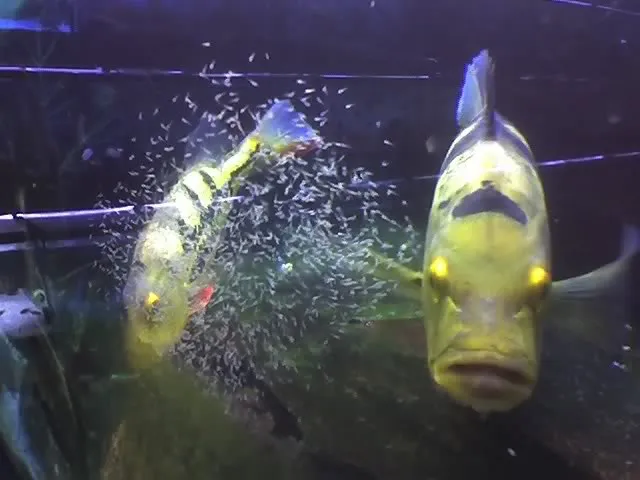
Fatty Liver Disease In Cichla

  • We are currently upgrading MFK. thanks! -neo

bassinmike85

Goliath Tigerfish
MFK Member
Jul 10, 2010
4,178
2,578
179
California
Fatty Liver Disease, Stop over feeding your Peacock Bass.

More Information to come.

With adult peacock bass, fatty liver disease (hepatic lipidosis) is quietly one of the most common killers, and it almost never looks dramatic beforehand. That’s why you always hear:

“They were fine yesterday.”

Because they were — until the liver finally said I’m done.

Here’s what actually happens behind the scenes:

Why it sneaks up on people

Peacock bass are stoic predators.
They don’t show “off” signs like some fish. No flashing, no gasping, no clamped fins. They’ll:
• Eat aggressively
• Swim normally
• Look “healthy” externally

Meanwhile internally:
• Excess dietary fat gets stored in the liver
• Liver cells swell with fat
• Organ function slowly declines
• Eventually → acute failure

When it crashes, it crashes fast.

The feeding trap hobbyists fall into

Most adult deaths trace back to the same combo:
• Too frequent feeding (daily or near-daily)
• High-fat foods (feeder fish, silversides, tilapia, goldfish, etc.)
• Low activity (aquarium ≠ Amazon basin)

People feed based on:
• Begging behavior
• Aggression = “they’re hungry”
• “They eat everything I give them”

But peacocks are wired to eat whenever food appears, not when they need food.

The visual red flag people ignore

A lot of keepers think this is healthy:
• Rounded belly
• Thick body
• Bulging sides behind the head

In reality, an adult peacock bass should be:
• Athletic
• Streamlined
• Slightly lean, not “full”

Chunky ≠ healthy
Chunky = metabolic stress

Why adults are most affected

Juveniles can get away with more because:
• Rapid growth
• Higher metabolic demand

Adults:
• Slower metabolism
• Growth plateaus
• Extra calories go straight to fat storage

So feeding an adult like a juvenile is a ticking time bomb.

The brutal truth

Most overfed peacock bass don’t die of:
• Parasites
• Water quality
• Random “bad luck”

They die of chronic overnutrition, and the owner never connects the dots because the fish never “looked sick.”
 
Good post!

Most adult deaths trace back to the same combo:
• Too frequent feeding (daily or near-daily)
• High-fat foods (feeder fish, silversides, tilapia, goldfish, etc.)
• Low activity (aquarium ≠ Amazon basin)
Too many carbohydrates must also be on this list.
In my experience, the more the fish grow and eat, the more often people tend to go for cheap, carbohydrate rich pellets. And too many carbohydrates is the most common reason for fatty liver disease in fish. Cichla as nearly exclusive piscivores are even more susceptible to excessive carbohydrate intake than omnivore fish.
 
Understanding the Nutritional Profile of Hikari Massivore Delite

Hikari Massivore Delite is a commonly used pellet for large carnivorous fish such as peacock bass, bichirs, and other predatory species. Looking at the guaranteed analysis helps explain both why it works so well and why portion control is critical, especially with adult fish.

The food contains a minimum of approximately 47% crude protein. This high protein level supports muscle maintenance, growth, and overall body condition in carnivorous species. For growing juveniles, this can be very beneficial. For adults, it is more than sufficient for maintenance when fed appropriately.

The crude fat content is listed at a minimum of around 5%. While this is not extreme, it is not a low-fat diet either. In captivity, where fish are far less active than in the wild, excess dietary fat is often stored internally rather than burned off. Over time, this can contribute to fatty liver disease if feeding frequency and portion size are not controlled.

Crude fiber is kept low at a maximum of about 3%, which is expected for a carnivore-based diet. Moisture content is capped around 10%, making the pellets highly nutrient-dense. Ash content, which represents mineral matter, is relatively high at roughly 17%, reflecting the inclusion of bone and mineral sources typical of carnivore formulations. Phosphorus sits around 1%, which is important for skeletal health but also reinforces the need for proper water maintenance when feeding heavily.

Overall, Massivore Delite is a powerful, calorie-dense food. It is excellent for conditioning fish and supporting growth, but it should not be treated as a daily staple for adult peacock bass. Feeding frequency and portion control matter more than the brand of food being used.

When used correctly, this food can keep large carnivores lean, healthy, and long-lived. Most problems arise not from the food itself, but from overfeeding and misunderstanding how energy-dense these pellets truly are.
 
🧠 How accurate is the “1 pellet = 1.8 goldfish” claim, really?
Hikari states that one Massivore Delite pellet is equivalent to roughly 1.8 goldfish. This number exists for a reason, but it’s important to understand what it actually means in real-world fishkeeping.

Why this number exists
Hikari formulates Massivore Delite based on caloric and nutrient density—protein, fat, carbohydrates, and vitamins—so that the total energy in one pellet is comparable to the energy found in approximately 1.8 live goldfish. The intent is to simplify feeding by showing that a single pellet can replace multiple live feeder fish in terms of calories.

Important caveats to understand
“Equivalent” does not mean biologically identical. Pellets are highly concentrated and processed, while live fish flesh is digested differently. Live feeders contain organ fats, connective tissue, and moisture content that affect digestion and metabolism in ways pellets do not. On top of that, goldfish vary greatly in size, body composition, and condition, so the 1.8 figure should be viewed as a general guideline, not an exact scientific conversion.

Practical reality for peacock bass
For a predatory fish like a peacock bass, a pellet delivering the calories of roughly two baitfish is more than enough to support growth and maintenance. The problem arises when that level of energy is provided too frequently. Feeding calorie-dense pellets as if they were low-energy foods can quickly lead to excess fat storage, particularly in adult fish, contributing to issues like fatty liver disease.

Even if one pellet truly equals the calories of two goldfish, that does not mean it should be fed daily. In the wild, adult peacock bass do not consume high-calorie prey every day. They eat opportunistically, then go through periods of digestion and fasting.

Bottom line
The 1.8 goldfish comparison is a useful rationing tool, not a license to feed more often. Calorie-dense foods require controlled portions and reduced feeding frequency, especially for adult peacock bass. Overfeeding is rarely obvious until long-term damage has already been done. #peacockbass #tucunaré #cichla #cichlids #hikari
 
This applies to cichlids in general, not just Cichla, but especially to carnivores that are lucky if they get a meal once every 3 days.
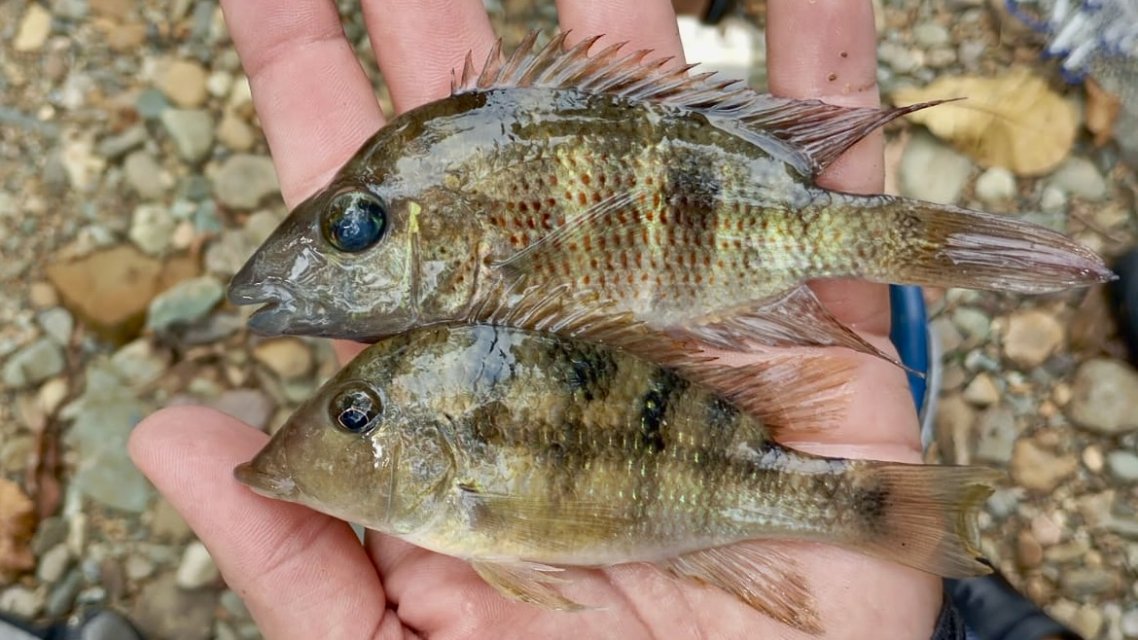
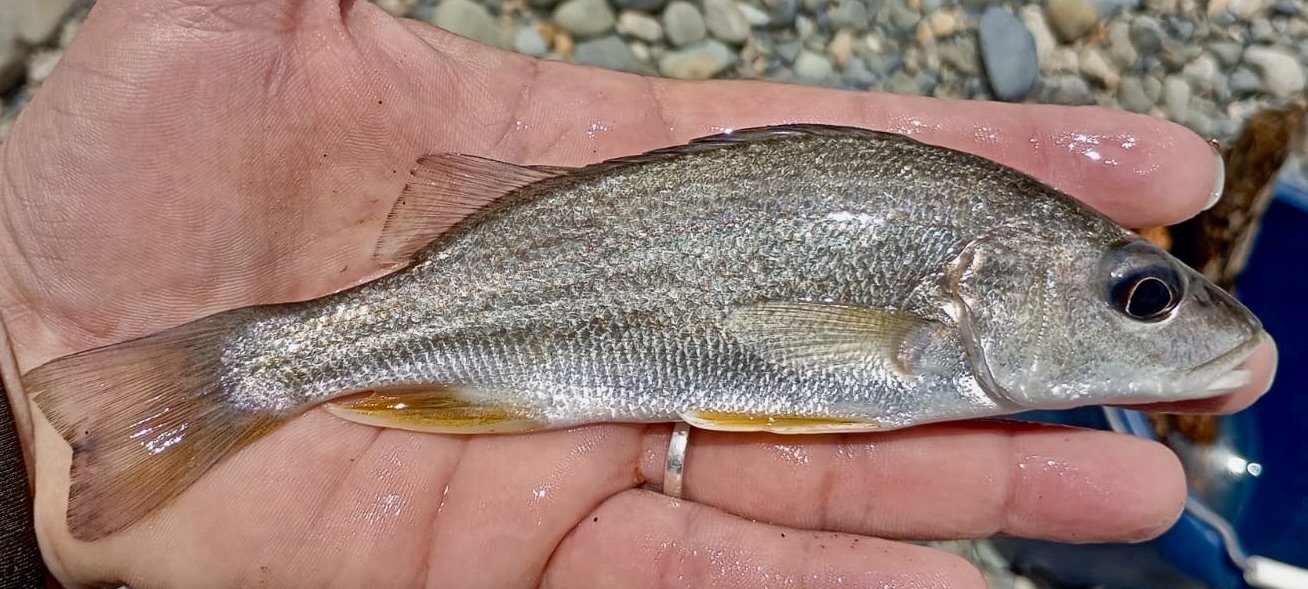
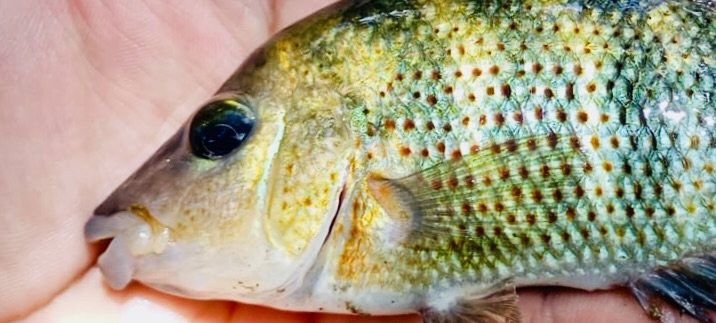
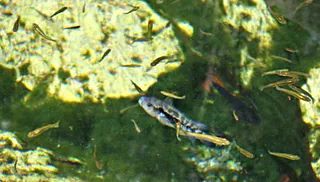
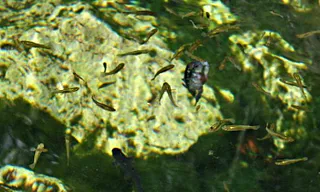
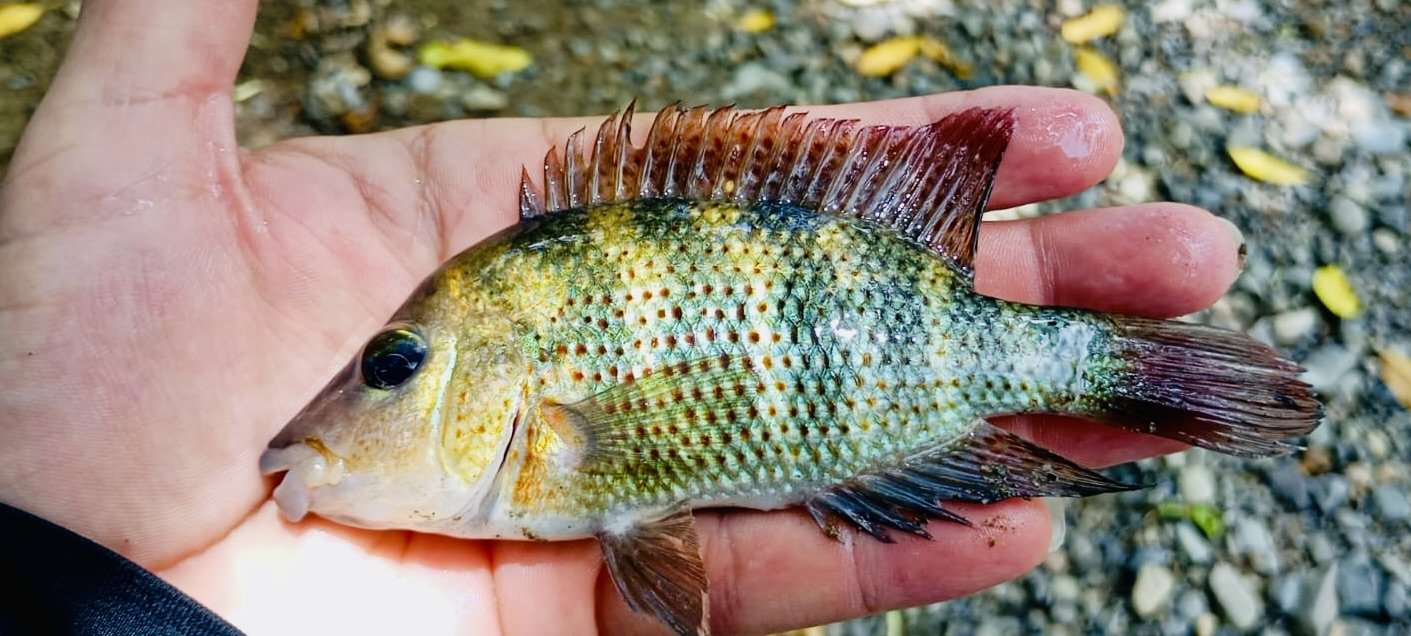
I´ve been collecting cichlids for about the last 5 years in Panama, and have yet to come across a single specimen displaying the kind of full stomachs one often sees with overfed aquarium cichlids.
Most I catch in nature resemble the one below.
320bad04-a569-4d7e-aa66-e8d26f9505e1.jpeg
9a363f90-85a7-49e8-ba47-abe8eab213bb.jpeg
4366b233-5a2a-43c2-8787-7fdc58926712.jpeg
320bad04-a569-4d7e-aa66-e8d26f9505e1.jpeg
 
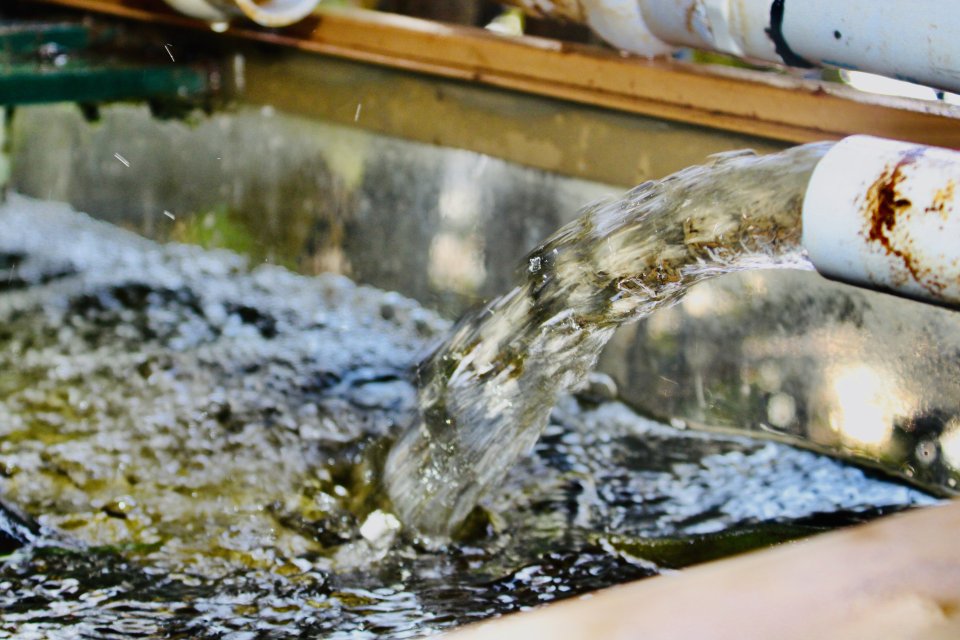
Another component that many cichlid keepers often don´t realize, is the flow rates that riverine species constantly compete against 24/7, that burns up calories and fat.
Where I collect fish, even slow moving rivers , or even the flow where I´ve dove in the cenotes in Mexico , have a constant and moving walls of water.
Thinking a wimpy canister, and couple air-stones will be sufficient to burn up the extra calories most aquarists provide when overfeeding is wishful thinking.
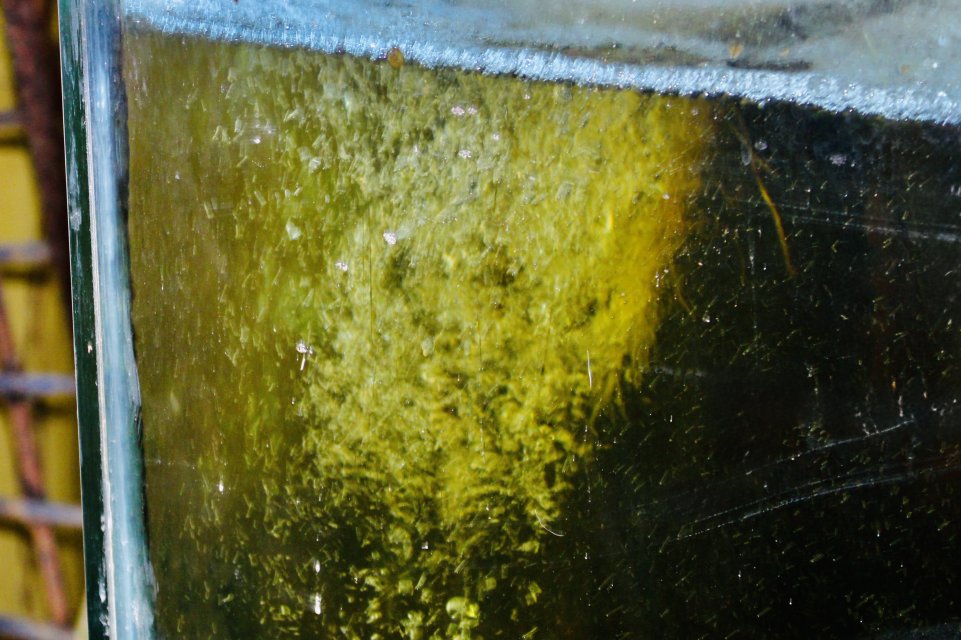
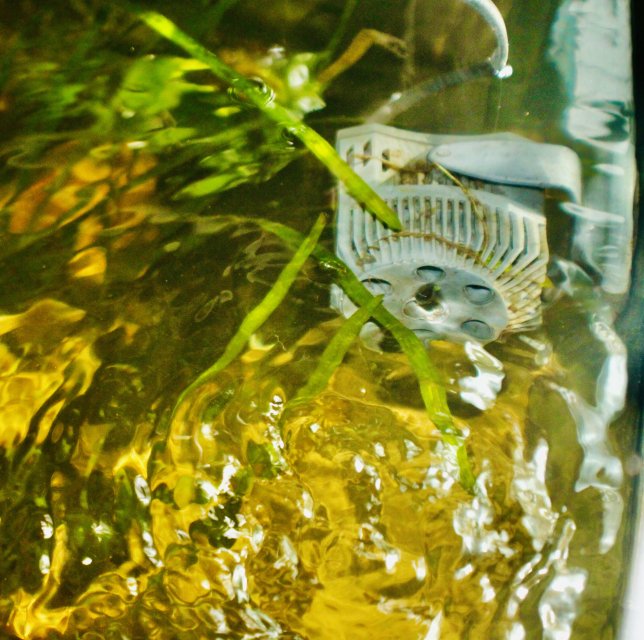
In my 6 ft tank with riverine species, I use a 1500 gph pump to create laminar flow, and supplement it with another 500 gph wave maker push constant current along the length of the tank.
IMG_0183.jpeg
IMG_0161.jpeg
IMG_4041.jpeg
And if I´me being realistic, the kind of flow in my tank, barely compares to the streams where I collect many cichlid species.
 
MonsterFishKeepers.com